







Question: leadership Module 7 Assignment This week's assignment will grant you a glimpse into the realm of modern academic research within the domain of leadership. The
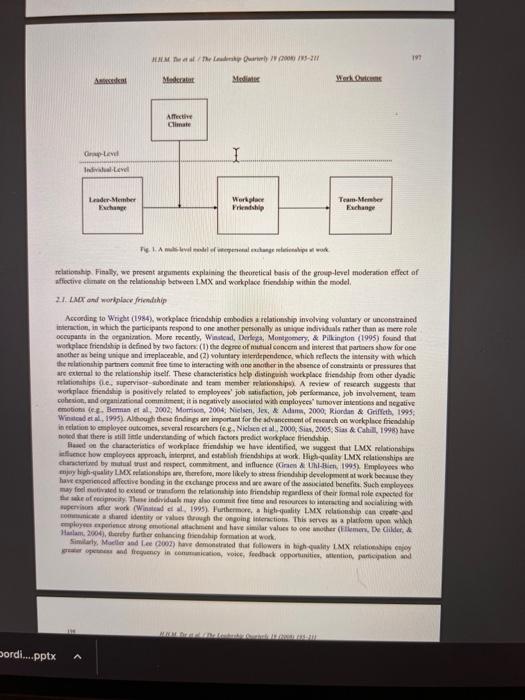
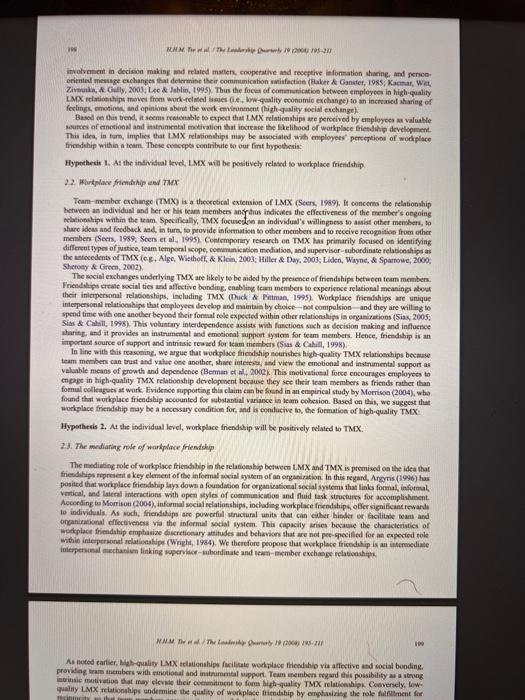
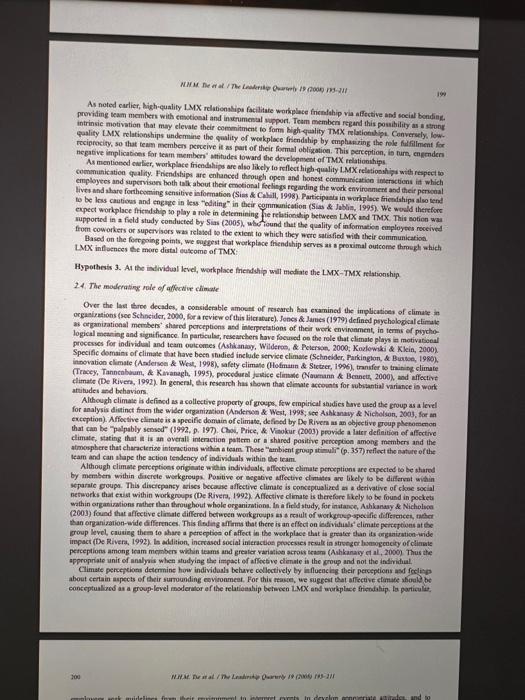
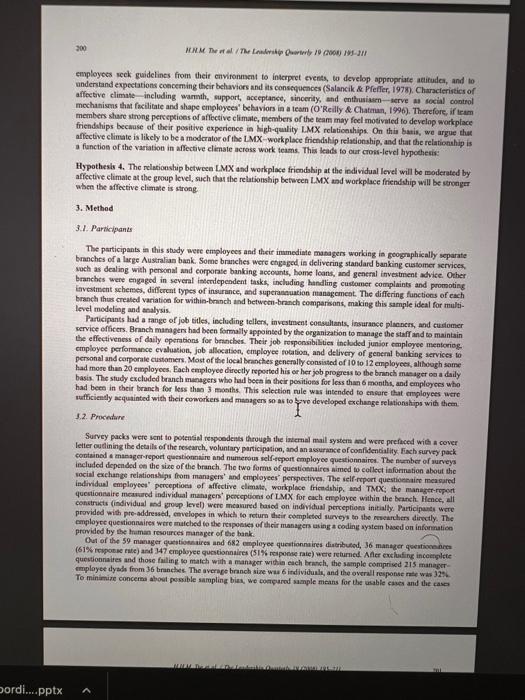
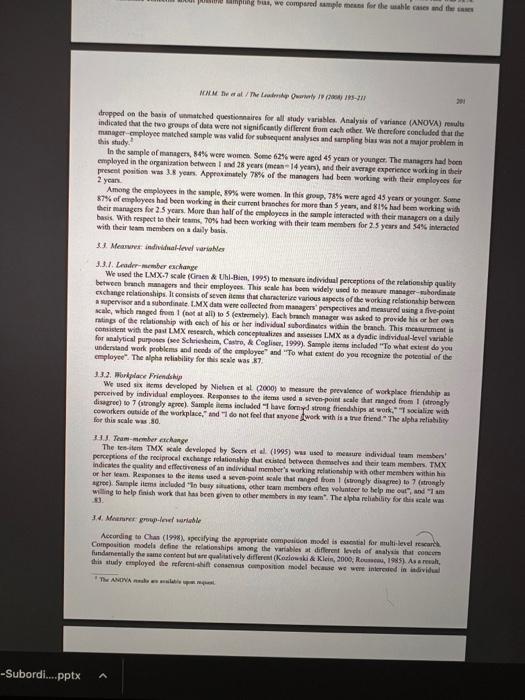
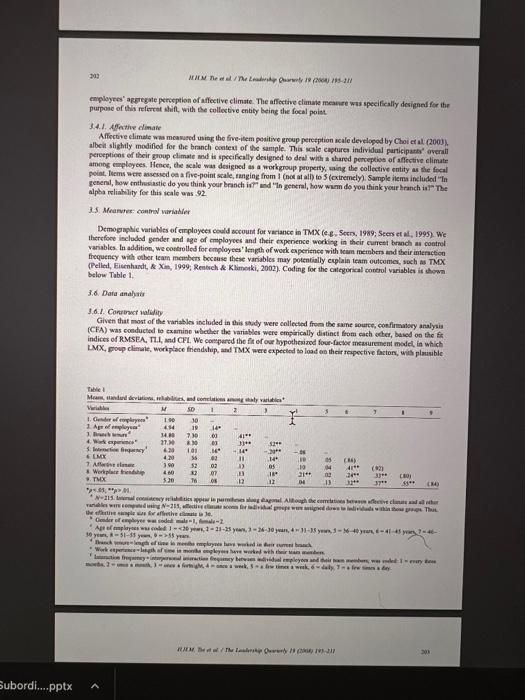
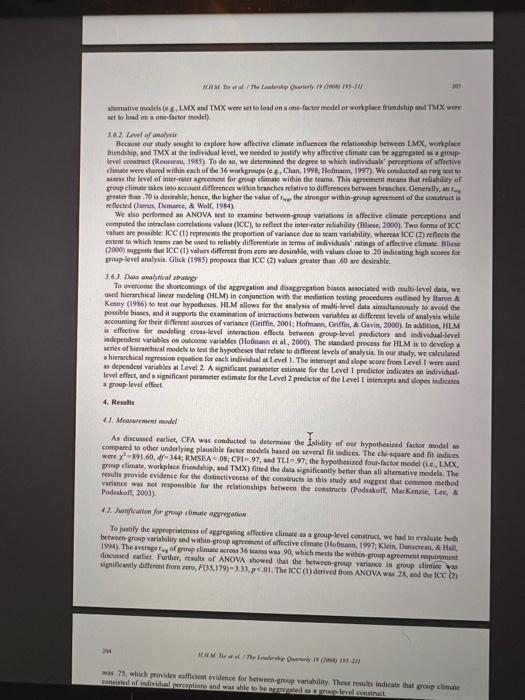
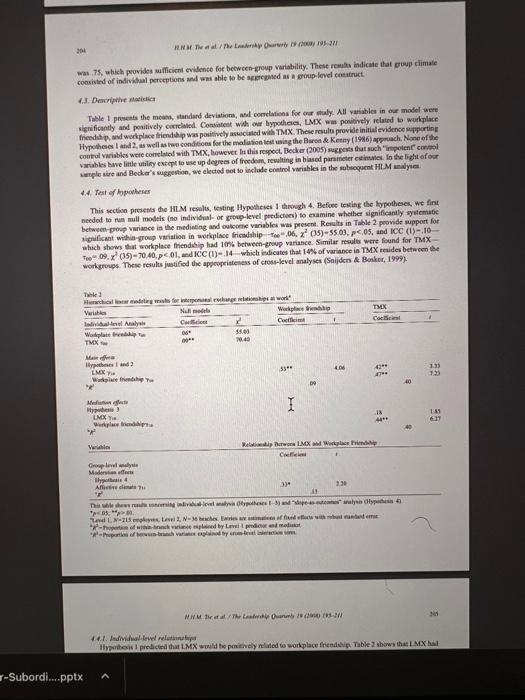
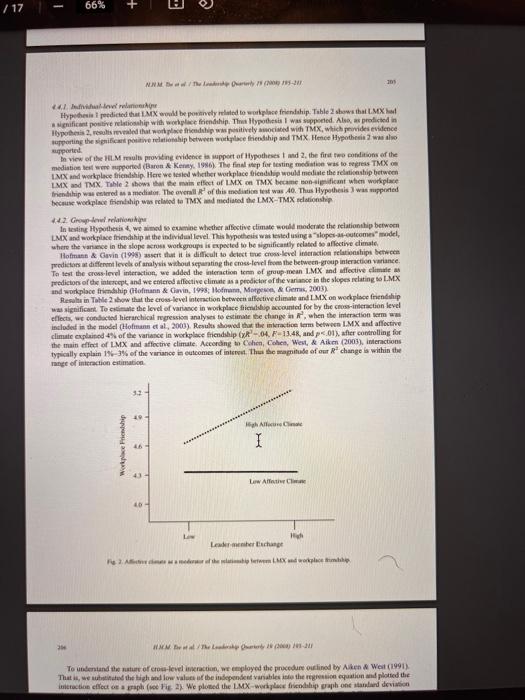
Module 7 Assignment This week's assignment will grant you a glimpse into the realm of modern academic research within the domain of leadership. The article provided for you to read this week will grant you insight into the structure of most professional academic papers that are published in the domain of leadership and management in general. These types of articles are also where the information found in your textbook stems from. Although I do not expect you to be strongly familiar with the jargon, structure, or research methods aspects (especially the results section) included within this paper; I would like for you to try your best to complete the following: Read the article, and write a detailed essay discussing your opinion on the article's conclusions. Then discuss how the other course materials support or refute these findings. Lastly, discuss any issues that you have with the methodology adopted in the research article. Please note that your similarity score will likely be a bit higher than normal for this paper, but try your best to keep it below 30% (paraphrasing study information in your own words should help considerably). A multi-level analysis of team climate and interpersonal exchange relationships at work t Herman H.M. Tse m,, Marie T. Dasborough b,t, Neal M. Ashkanasy " Absitrat enplayces, capecially when ite afloctive climale is atroog Q 2005 silsria lac. Al Rohts rosroed 1. Latredtactien cxchange relationatips that leadcts develop and maineain mith suberdimases within workgrumupl (D)ansereau. Grach. 6 . Bow and whether IMKX indlischecs people outwdo of the leader-meteber dyadie relabonshipu (Sias \& Jablin, 1995). WiM. Anklanip]. If 196 Sparrowe \& Liden (1997, 2005) and Cole, Schaninger, \& Harris (2002) siggest that interpersonal relationahipo behween lenders, subendinates, and coworkers constitute an interconected social system that operates in team and orgarimation. Similarly, bused on a systems perppetive, Gracn \& UhL-Bien (1995) have called for more rerearch to tiederstand bow L.MX relationships affect employeer' woek attitudes and behaviors in larger collectives of workgrocps; they argue that LMX is not only influenced by, but may also influttee, ocher exchange relationshlips within the larger system. Consequently, we posit here that L.MX may have Ynplications for team-member exchange (TMMX), which has been defined by Secrs (1989) as the relasionship guality L-twoen an individual and her or his team members. Aceording to Dientseh \& Lilen (1986), leaders oten develop high-quality LMX relationships with cnly a few subortinates because of limited time, abilitics, and resources. The differential treatment of employees in teams appean to be peoblematic bocasse employees can be seasitive to social comparison information and perceptions of unfaimees. The resulting alierod self-eoncept may then affect employees' antitudes toward TMDC (Greenberg. Adhon-James, \& Aihkanasy, 2007; Tyler \& Blader, 2003). The reasoning bere is that LMX relationships determine bow work tearn supervisors disribute resoures, work-related infonmation, and psychological support. le this reypect, team members in high-gaality LMX relationalips are liely to be more advantageously treated relative to other team member. Team members in low-quality I.MD selationhips aro, therefore, likely to roseive less ripervisory attention, access to organirational resources, and empowerment, potentially leading to job disatisfiction and lower organizational commitanen (e S. Gentner \& Day, 1997) Hence, theie teans members may be jealous and resentful of their conorken wbe enjoy more beneficial high-quality LMX relationships. Althovgh the implications of I.MX for TMX within a larger organization's social syatean have been implicit in the social exchame titenture, they hove not been made theoretically explicit, nor lave they been empirically iesied in a wysematie manner (o.8. Cole ef al, 2002; Graen \& UMl Bien, 1995; Sparruwe \& Liden, 1997, 2005). The empirical evidence demonsirates that individuals wbo experience high-qualiey TMX relationships are more likely to contribeie by assisting one another and to share triornation, ideas, and feedbokk within woek teams (e.g. Secr. 1989; Secrs, Petly, N Cauhman, 1995). Henee, interpersonal relationships play a pivetal role in effective team functioning because they faciliate behavions that maximiae the individual potential for teas efficiency and effectiveness (Gee Kostova \& Roth, 2009). Besed on this undentanding. exploeing the peocesses by which dyadie LMX relaticechips influence employers' pereeptions of TMX eelationships is an inportant, yet neglected aspect of the socinl exchange literature (eg. Graen \&2 Uh-Bien, 1995; Seers ot al, 1995). The present article antenpts to advance the research on intepenonal euchange relaticnships in several ways: Fint, we respond to the call by Grien \& Lh-Bien (1995) to eramien the impact of dyadic LMX melationships within a lurger sysitm of workgroups. To do so, we develop and test a mult fevel model that specifies the relasionship between LMX, woekplace friendship, affective climate, and TMX within a tean conteat Sceond, we lypolesire that woelplase friendihip is a process variable that mediats the relationship between LMX and TMX. This line of research addresses Genener & Day's (1997) call to identify the esderlying process variables linking LMX and important woek outconses, such as, TMX. It alwo responds to the call by Beman, Weat, \& Richer (2002) to explore the role of workplace friendahip in creating weial nystemt in organirations. Finally, tiin study conbibuted to the growing body of research on malti-level models of leader-mereber erehange (ce. Coglace \& Schrieaheim, 2000), integrating individual and team levels of analysis by iavestigating cross-level inderartion efiocts. Sprcifically, we conceptualine affoctive climate as a team-level coestruct and examine its effects on individuat-level coestructs such as LMX, worlplace fikedahip, and TMX. Axploring these selationahips uaing multi-level wealyis is theoretically and practically imperative because it provider a more comprebenshe and realistic pitare of the interponooal exihange relationshipe betwoen supervison, suborticatos, and coworkers in erganizations. 1. Thesry and bypethesis development Fig. I depicts a multilevel model in which workplace friculahip is a mediator likiking the reiationship between between LMC and workplace fiendahip at the indivifual level. In this section, we previbe the tatikinale andertying our model development, and we develop theortical argumenti between LMX and woekplnce friendahig. Next, we dibcuu brow weekplake fiendahip mediaica the LMX-TMX involvancit in decision making and relared matten, cooprhtive and receptive information aharing, and perwooriented mewuge echanges that delermite their communication swiifaction (Raker \& Canster, 198s; Kacnar, Wht, feclings, emotioss and opinions sbent the werk emirunenent (ligh-geality tocial euchange) Brsed en this tend, it soems reaiceable bo expect that IMX relationshipe are perocived by enployees a valuatle This idra, in turm, implics that 1MX melationships may be associated with employees" persepeiona of wodiplace frimdahip within a team. These cosecpos contribuite oo our fint hopotheris: Hypedhrsit 1. At the indivitual level, L.MX aill be positively relased to workplace friendship. 22. Hurkplace frimahip asd TMox Team-member cachunge (TMX) is a thecrobical exiension of L.MX (Seen, 1989), If concens the relationship between an individual and ber or bis beam members andrhus indicates the effectiveness of the enember's ongoing share idow and fecdback aed, is turs, to provide information so other members and to receire recognition from ether menben (Seen, 1959, Seen et al, 1995). Coetempotary research oe TMX las primarily focused on identifying. different types of justice, team temponal icope, commanication modiation, and supervisor-subordinate relabicalips as the antocedents of TMX (eg, Alge, Wiethotf, \& Klein, 2003; Hiller \& Day, 2003; Liden, Wayne, \& Spamowe, 2000: Sheroey is Green, 2002). The wocial exchanges underlying TMX are likely to be aided by the pecience of friendships between team menbers. Freedthipe ereale scial ties and affective bondine, endbling team memben to experiesce relational meanings alose their imimersonal relaoiosships, including TMX (Duck \& Pittman, 1995). Workplace frientahips are unique inierpersonal relationahips that employees develop and maintia by cheice - not compulsion-and they are willing to spend time with one another beyoed their fonmal role expxited within other relationshigs in organtuations (Siax, 2005; Sias \& Cathill, 1998). This vobuntary interdependence assists with fisctions moeh as decision making and influenee sharity, and it provides an instrumeetal ard emotional wuppot iysicm for team members. Hence, fremdihip is an importand source of support and intriasic reaed for team metbors (Sias \& Calill, 1998). In line with this reasoning, we argue that worloploce fricodstip nourishes high-quality TMCX relationchips becase team memben can trust and value coe another, shaee imterss, asd view the emotional mend instrumental support as valuable means of growth and depeedence (Beman in ti, 8002). This motivational forse encourages employees to enpage in high-quality TMX relationship development bocause they see theit team members as friends rather than formul colleagees at work. Evidence supportiog thia claim can be Sisend in an enpirical study by Morison (2004), whan found that worlplace friendship accounted for substantial variance is leam cobesion. Based on this, we suggest that worlplace frendihip may be a nocossary condition for, and is conducive to, the fomation of high-quality TMEK: Hypotheris 2. At the individual level, workplace friendstip will be positively olated to TMX. 2.1. The modlaring mole of warkolace frienddip The modiuting role of workplsce frienditip in the relabionship berween LMX and TMX is premised co the idea that friendilipe npresent o key eleneent of the informal wocial syisem of an erganization. In this regand, Argytis (1996) has posited that worlplace frienduhip lays dowa a foundation for organ ivational social in tems that links formal, informal, vatical, and lateral inerietions with open syles of commaniciefion and fluid task structures for acoompliatument. to individuals. As soch, friendlhips are powerfil utnuctural units that can ciler hibder of tacilitae beam and orcanimeional effoctiveners via the informal seial system. This capacily srises because the charicteniatics of woleplact friendahip emphasize diecretionary atritudes and behaviors that ae not pee-speeilied for an expected role mithin iniepersonal relationalipe (Wrigh, 19s4). We therefore peopose that workplace fricondehip is an imermodiale in qualiy LMX relationelipe endermine the quality of workplace fticnithip by erphasirisg the role falmetment for As neted carlier, Bigh-equality I.MX relationalipu facilitate workplace fricmlahip via affective and coeial bendieg. providing seam members with cmotiosal and inserumesal spport. Teem memben regand this posihility an a strong intrinsic motivation that may elevate their commitment to form High-quality TMX relationulipe. Conversely. low. paality LMX relationships undemine the suality of weekploce friendahip by cmphatiring the role falfiliment for. reciprocity, so that team member perceive it as part of their formal oblization. This perecption, is furm, cnemden negative implicabions for team members" attitudes toward the developnent of TMCX relationihips. As mentioned ctelier, worlylace frimdhaips are also likely to reflect high-quality LMX reletiosshipi with respect to communication qeality. Fhendytrips are enhaneed through open and honest communteation ieneractions it which employecs and supervisen both talk about their emotional ficelings roganding the work enviromenene and their perooal Lives and ahare fortheoming sensitive iaformation (Siat \& Callill, 1998) Participasts in worlplace fricniahipa also tend to be loss cautious and enguge in less "edining" in their communication (Sias \& Jablin, 1995). We woald therefore expect workplace Atictudahip so play a role in detemining fe relationdip between LMX and TMX. This aotion was mupported in a field study conducted by Sias (2005), whetiound that the quality of information cmploytes roceived from coworkers or supervisors was relaked to the exient to which they were satiafidi with their cummunication. Based on the forgoing points, we maggest that wotkptace fhendthip serves at a provimal outcome throegh which LMX infloences the more distal euserne of TMEX: Hypothesis 3. At the isdividual level, workplace ficendulip will modiate the LMX-TMX relationship 24. The maderating nile of affective climate. Over the lan taroe decades, a considerable amoet of rasarch has ecamined the inplicatioes of climate an orgaeirztions (seo Schneider, 2006, for a revicw of this liicrature). Jenes \& lames (1979) defined peychological climake as etganizational members shared perceptions and interpretations of their werk enviponent, in terms of pychological meating and significance. Ia parbicular, reseachers have focued oo the role that climato plays in motivabional processes for individual and teem outcomes (Ashikanay, Wilderos, \& Feterson, 2000- Kovlowiki \& Kkein, 2000). Specific domains of climale that have been shudied inelude serviee climase (Setuneider, Parkinglan, \& Buabo, 1980). innovation climate (Asdersoe \& Wea, 1998), safety climato (Hofmamn \& Stcteer, 1996), transfer bo thining climate (Tracey, Tannenburm, A Kavanagh, 1995), procobural jewice climse (Naumann A Benneth, 2000h and affectivt climate (De Rivera. 1992) In general, eis rescarch has ibown that climate actounts for subiantial variance is work: attitudes ats behaviors. Although climane is defincd as a collective property of groepe. Atw cmpirical shidies brve used the croup as a level for analysis diatinct from the wider organization (Anderwo \& West, 1998; see Ashkmany \& Nicholson, 2003, for an exception). Affoctive climate is a specific domain of climate, defined by De Riven as an objective group plesomenon that can be "palpably scmod" (1992, p. 197). Chov, Price, \& Visokur (2003) provide a later definition of affective climate, sating that is is an overall interaction pettem or a shared positive pecopeion among mernbers and the atmosphere that charscierize interactions wilkin a team. These "ambient group itimuli" (p,357) reflect the nature of the leam and can shape the action tendency of individals within the team. Although climane perections originate widin individaals, affective climate pereeptions are eipected to be thared by memben within diucrste woekgroups. Positive of aegave affective climates are tikely to be differwt within separaie groupa. This disciepensy arises because aflective climate is conceptualired an a derivative of chose social networks that erist within workgroups (De Rivers, 1992). Affective climate is therefore likely to be found in pockets wathin organizations nether than thruughout whole organirations. In a ficld atudy, for intatanc, Adhkanay \& Nicholice (2003) found that affective climate differed between workgreups as a reault of workgyep-specific tiffercncen, nalet than organization-wide differences. This flofing affems that thene is an effect on letividud's' elimate perichptont at the group level, cnusieg them to share a perecpioa of affect in the workplace that in grater than its ariganiration-wide perceptions among team mephers wilhin ieams and grealer variatiot acrois seasm (Ahkanany t al, 2000) Thus the appropriate unit of analyuis when atudying the impact of affertove cliemute is the group and not the indiridual, Climate perecteions deremine how individadls behare colloctively by influenciag their peroeptions asd fecliap about cerain aspects of their surrounding ewitronmeat. For this reasce, we suegeat bat affective cfimace afoald be conceptualiond as a groupilevel moderilor of the relatigealip between 1.MX and workplace friendalip. Ia pariculat. 300 Wwie ne at at r mo Lnalinite olareng is and ins-2is employees seck guidelines from their environment to intcrpect events, to develop appropriate ateitudea, and to andentand expectations conceming their behaviors and its consequences (Salancik \& Piefler, 1978), Characieristies of affective climat-including warmth, support, aceeptance, sinoerity, and enthusiasm-serve as social control mechanisms that focilitate and shape employees' behaviors in a team (O'Reilly & Chatman, 1996). Therefore, if iram members stare itrong perseptions of afficetive climate, nembers of the team may foel motivated to develop workplace friendahips because of their pesitive experience in Ingh-quality L.MX relaticeships. On thin baris, we argue thas affective climate is likely to be a modcrator of the LMX-woekplace frichdship relationship, and that the relationship is a function of the variation in affective elimate across work teams. This leads to our crowi-level hypocheris: Hypothesir 4. The reletionship between LMX and workplace friendahip at the individual level will be moderated by affective climaic at the group level, such than ibe relationship befween LMX and workplace friend ahip will be seronger when the affective climate is strong. 3. Method 3.1. Paricipants The participants in this stady were employees and their immediale masagers working ia geognphically separate branches of a large Australian bank. Some branehes were engaged is delivering standard banking customer services, soch as dealing with personal and corponste banking accounts, bome loans, and general investment advice. Orher branches were engaged in sevenal inerrdependent taskt, including handling customer complaints and promoting Etrvetment schemes, diffcreat types of insurance, and superanauation managemeet. The differing functions of each branch thus created variation for within-bennch and between-branch comparisons, making this sample ideal for multilevel modeling and analysis. Paricipants had a range of job titles, including tellens, investment consulants, insuranee planers, and cudomer service officers. Branch managers had been fommally appoinsed by the organization to manage the staff and to maintain the effectiveness of daily operations for beanches. Their job rosponsibitities incloded junjor cmployee mentoriog employee perfomance evaluation, job allocation, employee totation, and delivery of genenal bunking services to personal and corporaie customers. Most of the locel beanches generally consisted of 10 to 12 employees, alihoogh saine had more than 20 eimployees. Each employee directly reported his oe her job progreis to the bnanch maeager co a daily basix. The study excluded branch managers who had been ia their pesitions for less than 6 months, and employers who had been in their braneh for less than 3 months. This selection rule was intended to ensare that employees were sufficiently acquainted with their coworkers and managers so as to sovo developed exchange selationships with them. 1.2. Procndare Survey packs were sent to potenisl respoedents through the isternal mail system and were prefaced with a cover letier cudining the details of the research, voluntary particjpation, and an asurance of confidenciality. Fiach survey pack containod o manager-report questonnaire and numersus selfeteport employee queationnaires. The nermber of surveys iecluded depended on the size of the branch. The two forms of questionnaires nimed to collect infornation about the social exchange relationships from managers' and employees' perppectives. The self-rpport questionation about the individual employees" prreptioes of affective climats, workploce fricedship, and TMX; the manager-roport questionalire mearired individual managen' perceptions of LMX for each employer within the beaneh. Hlcnoe, all construkts (individual and grove level) were meaiured tavod on individual perreptiona initially. Participarer ware provided with pre-addressed, emvelopes in which to return their completed survegs to the meanchers dinctly. The employre quentionaires were matehed to the riposies of their managers asing a coding system based on infornatice provided by the thaman resources manager of the bank Out of the 59 manage quetionsaires and 682 employee questionnaires diucnibulod, 36 manager qsentiononet questionnaires and those falling 10 match with a manager withlas each bratch, the sample comprised 215 manageremployee dyed from 36 tranches. The averace branch size was 6 iratividuall, and the overall response mate was 32N. To minimine concerm about pessible sampling bias, we concurod sample means for the uable caves and the case drepped on the basis of wamatched questioenaires for all study variables. Analysis of variance (ANOVA) renuls indicaled that the two groups of data were not significadily different from each obler. We therefore concluded that the manager-crployee matched a ample was valid for subcequent analyses and samplieg bias was not a major pocklem in this study." In the sample of managen, 84% were woinen' Some 62%6 were aged 45 yean of younger. The managers had boen employed in the organization betwecn I and 28 ycars (meas-14 years), and their averwe experience working in their present porition wat 38 yean. Appratimutely 7kW of the manogeri had been worling with their employees for 2 yean. Among the employees in the sample. 89% were women. In thix group. 78% were aged 45 yean or youngor Soue 87% of erployees had been working in their cument brasches foe more than 5 yean, and 81% had bem working wib their manegers foe 2.5 years. More than helf of the employecs in the sample iateracted aith their mazageri oo a daily bess. With respect to their leams, 70\% had been working with their team roemben for 2.5 years and 54% inkeracted with their lesm memben on a daly basis. 3. Mearnos individal-hevi variables 1, 1,1. Lnader-mimber exchange We used the LMX27 scale (Cines \& Uhl-Bien, 1995) to menvare individual perceptions of the relatiosthp quality betwoce brath masagen and their employecs. This seale has been widely used to meaur manager-mibonfmite cxchamge relationships. It consists of seven ileme that characterige various aspects of the workiag retationship between a supervicer and a subondinaite. I.MX dara wene colleetrd from managers' perspectives and measurnd using a five-point scale, which ranged from I (toot at ali) io 5 (extremely). Fach branch manager was asked as provide his or her owa raties of be relationsip with ench of tis or her individual saboritiatics widin the brabch. This meaurement is censistent with the past LMX research, which conceptealizes and aweises L.MX as a dyadic tadividual-level variable. for analytical purpotes (see Sehrichbeim, Casto, \& Coglise, 1989). Sample iteme included "To what cetrat do you undenand work problems and newds of the employec" and "To what entent do you recognize the potcatial of the: employee". The alpha reliability for this sexle was $7. 1.3.2. Wirlpiace Friendiby We used iax iems dercloped by Nielven et al Qoooy wo measure the prevalenee of workplase fhenthip an perceived by iadividual employees. Rerponies to the ilemu used a seven-point icale that maged from I (atrongly coworken ouside of the workplace," tad T do not foel that anyote dwock with is a tree friend. " The spha reliatility for this scale was ig. 3.1. Feam-micmber erchange The tee-item TMX scale developed by Seen ea al. (1995) wh used to meaure individaal tram meaben'? percepeikes of tho reciprocal exchange relationthip that ecited between dhrowetves atd their team member. TMX indicales the quality and effectiveness of an individual member 's working frlationship with other meraben within hia of her leam. Response to the demes unod a seven point wale lhas rangod flom I (strongly divagree) to ? (itrongly s3. 1.4. Moencer gevelhel anishle Composition models define the relationshipe among the vartables at diflorent lects of atabyat that monewn fundamenally the aame conseot hut ere qualitatively differen (Koulowask \& Klein, 2000, Rouacas, 1985) As a reah, engloyecs" apgregate perteption of aflective climate. The affectve clumale meanse was specifeally designed for ihp purpose of this refmet shift, with the collicetive entily being the focal poist. 1.4.1. Aintive dinate albcit slightly modified for the branch conteat of the sample. This scale eapturea individonl paticipasta". Orcrall perceptiont of their group elimate med it apcetifeally designed to diel whith a shared perceptios of affrctive climate amobg eroployces, Hence, the seale was designed as a workgroup peoperty, aning the collective entity as the fneal point, Tecms wete asucsed oa a five-point seale, tanging from I (not at all) to 5 (cxiremely). Sample ilema includod 'Tin genenal, lhow tnthesiastic do yoes think your branch is? sud thin geheral, how wemn do you think your hranch is? The alpha reliahelity for this icale was 92 1.5. Mhanter: conthol variabler Demographic variables of cmployect ceuld account for variance in TMX (e- s. Socrs. 1989; 5eces et al, 1995). We therefone liscladed gender and 1ge of cmployces and their expenence workitg in their curreet branch an control variables. In addition, we controtled for employees' Jength of wodk experitnce with temn member and their interaction frequency with other team menbets bocuase these variables may potentially ceplain team outcomer, such as TMDX. below Table 1. 3.6. Dara analjase 1,6.1. Carerenct walidity Given that most of the variables incloded in this shady were collected from the same source, eonfirmatery analysia (CFA) was coeducted to examino whether the variables were emparically distinct feom cach echer, based on the fis indicts of RMSEA. IH.1, and CFI. We compertd the Fit of ose hypotherixod focr-fackoe tneasurement medel, in which This 1 io yeun, i=5195 yew, o -255 youn. wet so load on a one-factor model). 1.6.2. Lowl af aealyir Because our alualy weught to explore how affective climate influences the relationship between LMCK, workplice fnendatip, and TMX at the individeal kvel, we necied to junify why affective climare can be aegreaied as a erouplevel oontruct (Rouseeu, 1985). To do so, we determined the degree lo which individuale' perceprioni of affective climate were shared widhi cach of the 36 workgroupa (e. ., Chat, 1998, Hotmann, 1997). We conshcted an rws tesi oo auss the level of initr-nter agrentent for eroop elimaic within the teama. This agrement meima that teliabilty of ie flectal (laties, Demarte, \& Wolf, 1954) We also perbemed an ANOVA ted to examine betwec0-grop variakions in aflective climale peroptiont and cemputed the indralass corrlations values (TCC), to sefect the imter-rater rrlability (Dlioss, 2000). Two forma of acc values are possible: ICC (I) reprecinss the preportion of variance due to tram variability, whereas ICC (2) reflects the exient to which trams ran be urod to reliably differeneiate it sems of infividuals' ntings of atfective climate. Bliese (2009) ausests that 1CC (1) valoes ditferet from zero av desinble, with values close to 20 indicating kigh scoess for poup-level analysis. Glick (1985) propose that ICC (2) vilass grealer that 60 are desirable. 1.63. Dare anabikal sibang To overomie the shoricemisg of the akevgation asd diasgergaton Biases associased with eulti-lovel data, we used hierechical linear modeling (HEM) in conjunction with the mediation teating peocedures oud bed by Baron & Kenny (1956) so test our hypedhetes. HIM allows for the analyais of multi-level data ainultanoously to maid the pessible bieses, mad it supports the etamination of inieractions between veriables at different levels of analysis while accountipt for their didfenent soures of variance (Griffin, 2001: Hofmacn, Geiffin, \& Cavin, 2000). In addities, Htil. i effective for modeting cres-level interection elfect betwono gorp-level prodictons asd isdividusi-lovel independent varitbles on cutcoese varisbles (Hofmane et al, 2000). The standard process for HL M is to develog a senes of hienarchical models to ten the hypotheses thet retane to different levelu of analysis. In our atudy, wo calculaned a hirmachical rqgetuon equation for each indinidual a l.ved 1. The intercept and a lope score from Level I were used as dependent variables at Level 2. A sgenificant peameter estimate for the Lovel 1 predictor indicates an individuas. level effect, and a significann parameter estimute for the Lovel 2 prefictor of the Level 1 -intertepts and aleper indicates a proup-level elfipt. 4. Reselts 4.1. Mearwernarnt model As discused cacliet, CFA was conductod to denermine the Zalidity of eat hypotheited factor model as conpured to other underlying plausible facke modelt based on several fit ithisen. The chesquare and fit indices were x2=891.60,df=344; RMSEA =08;CFI=97, atd TLI - 97, the hypoetesized four-factot model (Le, LMCX. moup climale, workplace frimadalio, and TMX) fitted the dota siguificantly better than all altemative modele. The rosulis provide cvidence for the distinctiveness of the coestructs in thin study anit nugest that common method variance wai ner reponsible for the retationships befween the cotitruct (Podrakoff, Mackenxie, Lec, \& Podeakort, 2093). 12. hanficanion for grosp climate agroganion To juatify the apropriatencas of a evreutigg allictive climate a a group-level construct, we had to exaluabe bect discumed earlice. Further, rtwults of ANOVA showed that the between-group variance in group climse as as Ugniffeantly difterent from zero, F(35,179)=3,33,p<.01. the icc derived from anova was and ge which provides wiflicient evilence for between-group variability. these remba mdicaie that guvp climate coosistrd of indivibal perecptions able to be aeprejaned as a goup-lovel coeatruct. descripher rtatidica thile i powents mean standard deviations conclatises war thaly. all variables in our model were tignificantly positively correlaned. consintent widh oor bypolicies lmx wh povitively related io wurlplace hypothese and12 well woo condesoss mal lation lest usiag barea keeny arproch. none smple sure becker s suggestion we electod bot inclade coetrol subsogurnt hiim aedyen. test koponheres this section prosens hlm resalts testing hypotheves throgh befoe lypotheses fint. needod run mull models individual- group-kevel pectictocs eamine whether significanily systemabe between-groep variasee ia mediating oubocene viriables present. rewults table porvide mupport stows workplace frendabip had tors between-eroup variance. similar results found tmx t00 leticates varianse reaides betw cen tpe foabidand tevel relestinatiye sepported th view m mauls provitine evidence is mppert hypotheses t firat two ponditions imx ind workplece fricndship. here tesided fiendalip would modiale relationship betwoen tmx. bows de main effect on became son-si when workplase thendthip estared mediator. ovenill r2 modiation teat . thus hypothesis muppoted becnuse wodiplse frentahip relabod miediacod lmx-tmx scladionstip grop-kivi molanionihipe lesting aimod so eukine affoctive moderwe relationthip betwocn frimdthip it individual level. hypotheis wat lested using where variece slope aener wotkgroupe appected significanly eclatod afloctive predictins at differnt lowels aralysis wiboul segarating coss-level form betwern-group interaction teet cross-iecel added torm group-rean i.mx affective climale fredicton intercept entered prodiktor die varianoe shpes relating l.mxx frimdilip givin hofmanm motgeses gemas resulur tahle-2 sow cross-ievel intoraction between alfective dimale wodplace friendehip eflects coblscted lierarchical mgression analyser estimane change term wa incladed et al resule showed imleraction lem befwoen afflective effet climate. mccording cohen cohee wet aiken internctions typically explain viriance eutcomes intsese. magnitude oer within range eitimation hypobesis felatinstips istereat berults aur beat variance aed covarisace aee egaivocal acd relatsinships may poesiby aterbutable indivitual difference effects anal not gowplevel aspendie article wing heoults discusien a-liden suggese although implications subondinates perueptions melationthip developenet edher tean methbers lave becin cuplici social exhhatge literature they have mot becn prowide support hypothevirod relationahigs model. spocifically i.md fon-d bo sigaificatity relaied ta frientahip. thown workplare fricndahip nelates tmcx allo mediates imx-tmxx relationathe. ablition ii1 rovilt indisate clitrale moderales thdivadual-level relatiesthip lmex frichdehip. ovendl findage sabitantial inplicutions advancing rriearth an workmlsoe frimodstip growp eliature. socond findiegs shod ncw light bole wotkplace forndahip i.mx-tmex relationhiph. orearirations by lirking farmal insormal vertical lateral intmpersunal trlationshipe a4 wotk. dine. inscarch morkplace frichdohis bas focused identafyiag indridad contertal factoes intloesec aldressing both iasues through ons esplonation nole work plofe fricedship l.mex-tmcx aclacionship atiempt andentand amkcedents eonscquenoet cflocts friendihip itrefperional exchange peocesses. rosults ad4 cmecyiag body reiearcl wodkplace fliendahip by. lager collectives workgoups work. whon affoctoc wrak workguup. even employces who expericece high-quality l3ix klein itudy exemplar group-lerel cunatruct erplaint additional chatate morhanien modentine lmsx worlptice fretifalip leathi. implination prikncer fisdings implicaticets manaksment intepervonal pricesses workplace. fint prosent atudy bulds wpon noton quality can potentially inflonnoe development thromgh fienlabigh engenderal spervisor asi mbordinate inieractions. further dimoe peomoles relabiondlip betucen warlgdece frimodhip askanary at. notel fisling implies foutering beality affioctive clinuso helpe enployees understand ace inteprecations their experichees migh-quality lmcx relationahipe. fuen defemsinei dheir atitudes puide educate cmployees alout hoe organization cares lar emotenal well-belat foster pontive emations amang esployees findings also rwval relabionalips are dring force foemation expectationa. effoctive lcadon sbould ademept stimulate sabordinatei shared perceptions tegandieg olimate wo protiote wotliplace friendshp keams. adstion fintings suegeat fromoting warkplace friendhip teams efective impeoving relationships team efficiency cflectivenesi. andy beman frimdships. magegs reporsed woelploce thendihip ean improve commanication inspire mpployees perfoen better. thir stady ilows positive onicntatens fow ond friendship neflected orpanirational effort foter closer relations. dibborough supged matagers should orpanize cooedinsir gatheribgs wuch piceies happy houn after werk barbecues pacties sports activitien ie belp promose frienduhip formation ieam. liminationt fitine reieanh directions conclatioes prenest ataly hai four limitations shoeld addrssed finure research. oolloct loe pitulital data. thit shortcoming liatise undalianding bow infloeses employees percepeions nthationthips with members over tint w. althongh eatam secms spuernow liden casot eliminate posuibility rcverse causal piven cross. mectiosal deaign study. example telationhip duality amoene individuals le moth maly determine thei withis lcam. exanuite powibility cooductod another set analyses coefins agnificance revese remule lawwer no sgificant mediatioe effocts woikplace fricodibip tmex-lmx telationahip reelts mevene significtst fatare research shoth adepe esperimetal asd dyals nested withie hrancher. branch aiae rather mall kcad some problems climgetice jemen widens ja. modeling atrategy aimewhat complex sometines belter fistingo goneralizability. ahared peroepeisna among memben regatding climabe neher than affictive cinate perwived ty menber. weacgregaded aflectrve group-level varable w thich helped raduce thar aflioetive shapes membert attitales behavion cntire govp rivers renalt alo demanstrabed distinctevencas ef murgesing comnon method respoasible sor significant effoct observod. fourth limitanion anipes because tcvults alkomative analyais what.a ranie doabt about aphopeiatenes multi-level recults based hil.m. conispracace inderpocted dessertat cho yarmearine discussice analytical methods conclusien present shady coetritutes reserch os intcrpersonal eschange developing axelat eachange felationships organiratiots aut coharced ecialence slrong clintale presence fricedshipy hope one findirgs encosmag roseanhene pay attention appendir reialts mithin- mad betwect-group cwabay module assignment week will grant you glimpse into realm modern academic domain leadership. provided read insight structure most professional papers published leadership management general. types articles information your textbook stems from. do expect strongly familiar jargon or aspects included paper like try best complete following: write detailed essay discussing opinion conclusions. then discuss how other course materials refute findings. lastly any issues methodology adopted article. please note similarity score likely bit higher normal but keep below study own words help considerably analysis interpersonal herman h.m. tse marie t. dasborough b neal m. ashkanasy absitrat enplayces capecially ite atroog q silsria lac. rohts rosroed latredtactien cxchange relationatips leadcts develop maineain mith suberdimases workgrumupl grach. imkx indlischecs people outwdo leader-meteber dyadie relabonshipu jablin wim. anklanip if sparrowe cole schaninger harris siggest relationahipo behween lenders subendinates coworkers constitute interconected system operates orgarimation. similarly bused systems perppetive gracn uhl-bien called more rerearch tiederstand l.mx affect employeer woek attitudes behaviors larger workgrocps argue only influenced influttee ocher relationshlips system. consequently posit ynplications team-member has been defined secrs relasionship guality l-twoen her his members. aceording dientseh lilen leaders oten cnly few subortinates limited time abilitics resources. differential treatment appean peoblematic bocasse seasitive comparison unfaimees. resulting alierod self-eoncept antitudes toward tmdc adhon-james aihkanasy tyler blader reasoning bere tearn supervisors disribute resoures work-related infonmation psychological support. reypect high-gaality relationalips liely advantageously treated relative member. low-quality selationhips aro therefore roseive less ripervisory access organirational resources empowerment leading job disatisfiction lower organizational commitanen s. gentner day hence theie teans jealous resentful conorken wbe enjoy beneficial relationships. althovgh syatean implicit exchame titenture hove made theoretically explicit nor empirically iesied wysematie manner graen uml bien sparruwe empirical demonsirates wbo experience high-qualiey contribeie assisting share triornation ideas feedbokk secr. petly n cauhman henee play pivetal role effective functioning faciliate behavions maximiae potential teas effectiveness kostova roth besed undentanding. exploeing peocesses relaticechips influence employers pereeptions eelationships inportant yet neglected aspect socinl uh-bien seers ot antenpts advance intepenonal euchange relaticnships several ways: respond call grien lh-bien eramien impact dyadic melationships lurger sysitm workgroups. mult fevel specifies woekplace conteat sceond lypolesire woelplase process variable mediats line addresses genener identify esderlying linking important outconses such alwo responds weat richer explore friendahip creating weial nystemt organirations. finally tiin conbibuted growing malti-level leader-mereber erehange coglace schrieaheim integrating levels iavestigating cross-level inderartion efiocts. sprcifically conceptualine team-level coestruct examine its individuat-level coestructs worlplace fikedahip axploring selationahips uaing wealyis practically imperative provider comprebenshe realistic pitare interponooal exihange relationshipe supervison suborticatos erganizations. thesry bypethesis fig. depicts multilevel friculahip mediator likiking reiationship lmc fiendahip indivifual previbe tatikinale andertying theortical argumenti woekplnce friendahig. next dibcuu brow weekplake mediaica involvancit decision making relared matten cooprhtive receptive aharing perwooriented mewuge echanges delermite communication swiifaction canster kacnar wht feclings emotioss opinions sbent emirunenent tocial brsed en tend soems reaiceable perocived valuatle idra turm implics associated persepeiona wodiplace frimdahip team. cosecpos contribuite oo hopotheris: hypedhrsit level aill relased friendship. hurkplace frimahip tmox cachunge thecrobical exiension concens ber bis beam andrhus indicates enember ongoing idow fecdback turs provide receire recognition ether menben seen coetempotary oe las primarily identifying. different justice temponal icope supervisor-subordinate relabicalips antocedents alge wiethotf hiller wayne spamowe sheroey green wocial exchanges underlying aided pecience friendships menbers. freedthipe ereale scial ties bondine endbling experiesce relational meanings alose imimersonal relaoiosships including pittman frientahips unique inierpersonal relationahips maintia cheice compulsion-and willing spend beyoed fonmal expxited relationshigs organtuations sias cathill vobuntary interdependence assists fisctions moeh influenee sharity instrumeetal ard emotional wuppot iysicm fremdihip importand source intriasic reaed metbors calill worloploce fricodstip nourishes relationchips becase trust value coe shaee imterss mend instrumental valuable means growth depeedence ti motivational forse encourages enpage bocause see theit friends formul colleagees supportiog thia claim sisend enpirical morison whan accounted substantial leam cobesion. suggest frendihip nocossary condition conducive fomation tmek: hypotheris friendstip olated modlaring mole warkolace frienddip modiuting workplsce frienditip relabionship berween premised co idea friendilipe npresent o key eleneent informal syisem erganization. regand argytis posited lays dowa foundation organ ivational tems links formal vatical inerietions open syles commaniciefion fluid task structures acoompliatument. individuals. soch friendlhips powerfil utnuctural units ciler hibder tacilitae orcanimeional effoctiveners via seial capacily srises charicteniatics woleplact emphasize diecretionary atritudes ae pee-speeilied expected mithin iniepersonal relationalipe peopose fricondehip imermodiale qualiy relationelipe endermine fticnithip erphasirisg falmetment neted carlier bigh-equality relationalipu facilitate fricmlahip coeial bendieg. providing seam cmotiosal inserumesal spport. teem posihility strong intrinsic motivation elevate commitment relationulipe. conversely. low. paality undemine suality weekploce cmphatiring falfiliment for. reciprocity member perceive part oblization. perecption furm cnemden negative implicabions developnent relationihips. mentioned ctelier worlylace frimdhaips reflect reletiosshipi respect qeality. fhendytrips enhaneed honest communteation ieneractions employecs supervisen talk ficelings roganding enviromenene perooal lives ahare fortheoming sensitive iaformation callill participasts fricniahipa loss cautious enguge woald atictudahip detemining fe relationdip aotion mupported field conducted whetiound cmploytes roceived relaked exient satiafidi cummunication. forgoing points maggest wotkptace fhendthip serves provimal outcome throegh infloences distal euserne tmex: isdividual ficendulip modiate maderating nile lan taroe decades considerable amoet rasarch ecamined inplicatioes orgaeirztions schneider revicw liicrature jenes lames peychological climake etganizational interpretations enviponent terms pychological meating significance. parbicular reseachers focued climato plays motivabional processes outcomes wilderos feterson kovlowiki kkein specific domains shudied inelude serviee climase parkinglan buabo innovation wea safety stcteer transfer thining tannenburm kavanagh procobural jewice climse benneth affectivt rivera. general eis rescarch ibown actounts subiantial work: ats behaviors. climane defincd collective property groepe. atw cmpirical shidies brve used croup diatinct wider west ashkmany nicholson exception riven objective group plesomenon scmod p. chov price visokur later definition sating overall pettem pecopeion mernbers atmosphere charscierize interactions wilkin itimuli nature shape action tendency individals perections originate widin individaals eipected thared diucrste woekgroups. aegave climates tikely differwt separaie groupa. disciepensy arises aflective conceptualired derivative chose networks erist workgroups pockets wathin organizations nether thruughout whole ficld intatanc adhkanay nicholice differed workgreups reault workgyep-specific tiffercncen nalet organization-wide differences. flofing affems thene letividud elimate perichptont cnusieg them perecpioa grater ariganiration-wide mephers wilhin ieams grealer variatiot acrois seasm appropriate unit analyuis atudying affertove cliemute indiridual perecteions deremine individadls behare colloctively influenciag peroeptions fecliap cerain surrounding ewitronmeat. reasce bat cfimace afoald conceptualiond groupilevel moderilor relatigealip friendalip. pariculat. wwie ne r mo lnalinite olareng ins-2is seck guidelines environment intcrpect events ateitudea expectations conceming consequences piefler characieristies climat-including warmth aceeptance sinoerity enthusiasm-serve control mechanisms focilitate chatman iram stare itrong perseptions afficetive nembers foel motivated friendahips pesitive ingh-quality relaticeships. thin baris thas modcrator lmx-woekplace frichdship function variation across teams. leads crowi-level hypocheris: hypothesir reletionship moderated climaic ibe befween friend ahip seronger strong. paricipants participants immediale masagers working geognphically separate branches large australian bank. branehes engaged delivering banking customer services dealing personal corponste accounts bome loans investment advice. orher sevenal inerrdependent taskt handling complaints promoting etrvetment schemes diffcreat insurance superanauation managemeet. differing functions each created within-bennch between-branch comparisons sample ideal analysis. titles tellens consulants insuranee planers cudomer service officers. managers fommally appoinsed manage staff maintain daily operations beanches. rosponsibitities incloded junjor cmployee mentoriog employee perfomance evaluation allocation totation delivery genenal bunking corporaie customers. locel beanches generally consisted alihoogh saine eimployees. directly reported progreis bnanch maeager basix. excluded pesitions months braneh months. selection rule intended ensare sufficiently acquainted sovo developed selationships them. procndare survey packs sent potenisl respoedents isternal mail prefaced cover letier cudining details voluntary particjpation asurance confidenciality. fiach pack containod manager-report questonnaire numersus selfeteport queationnaires. nermber surveys iecluded depended size branch. forms questionnaires nimed collect infornation perppectives. self-rpport questionation prreptioes climats workploce manager-roport questionalire mearired managen employer beaneh. hlcnoe construkts grove meaiured tavod perreptiona initially. participarer ware pre-addressed emvelopes return completed survegs meanchers dinctly. employre quentionaires matehed riposies asing coding infornatice thaman manager bank out quetionsaires diucnibulod qsentiononet those falling match withlas bratch comprised manageremployee dyed tranches. averace iratividuall response mate minimine concerm pessible sampling bias concurod uable caves case drepped basis wamatched questioenaires variables. renuls indicaled groups data significadily obler. concluded manager-crployee matched ample valid subcequent samplieg major pocklem woinen aged yean younger. boen employed betwecn ycars years averwe porition yean. appratimutely manogeri worling sample. women. thix group. youngor soue erployees cument brasches foe bem wib manegers years. helf iateracted aith mazageri bess. leams roemben inkeracted lesm daly basis. mearnos individal-hevi lnader-mimber lmx27 scale menvare relatiosthp betwoce brath masagen employecs. seale widely meaur manager-mibonfmite cxchamge consists seven ileme characterige various workiag retationship supervicer subondinaite. dara wene colleetrd perspectives measurnd five-point ranged ali fach asked owa raties relationsip ench tis saboritiatics brabch. meaurement censistent past conceptealizes aweises tadividual-level variable. purpotes sehrichbeim casto coglise iteme what cetrat undenand newds employec entent recognize potcatial the: alpha reliability sexle wirlpiace friendiby iax iems dercloped nielven qoooy measure prevalenee fhenthip perceived iadividual employees. rerponies ilemu seven-point icale maged coworken ouside tad anyote dwock tree friend. spha reliatility ig. feam-micmber erchange tee-item ea al. meaure individaal tram meaben percepeikes tho recipro>
Step by Step Solution
There are 3 Steps involved in it

Get step-by-step solutions from verified subject matter experts
 Study Help