







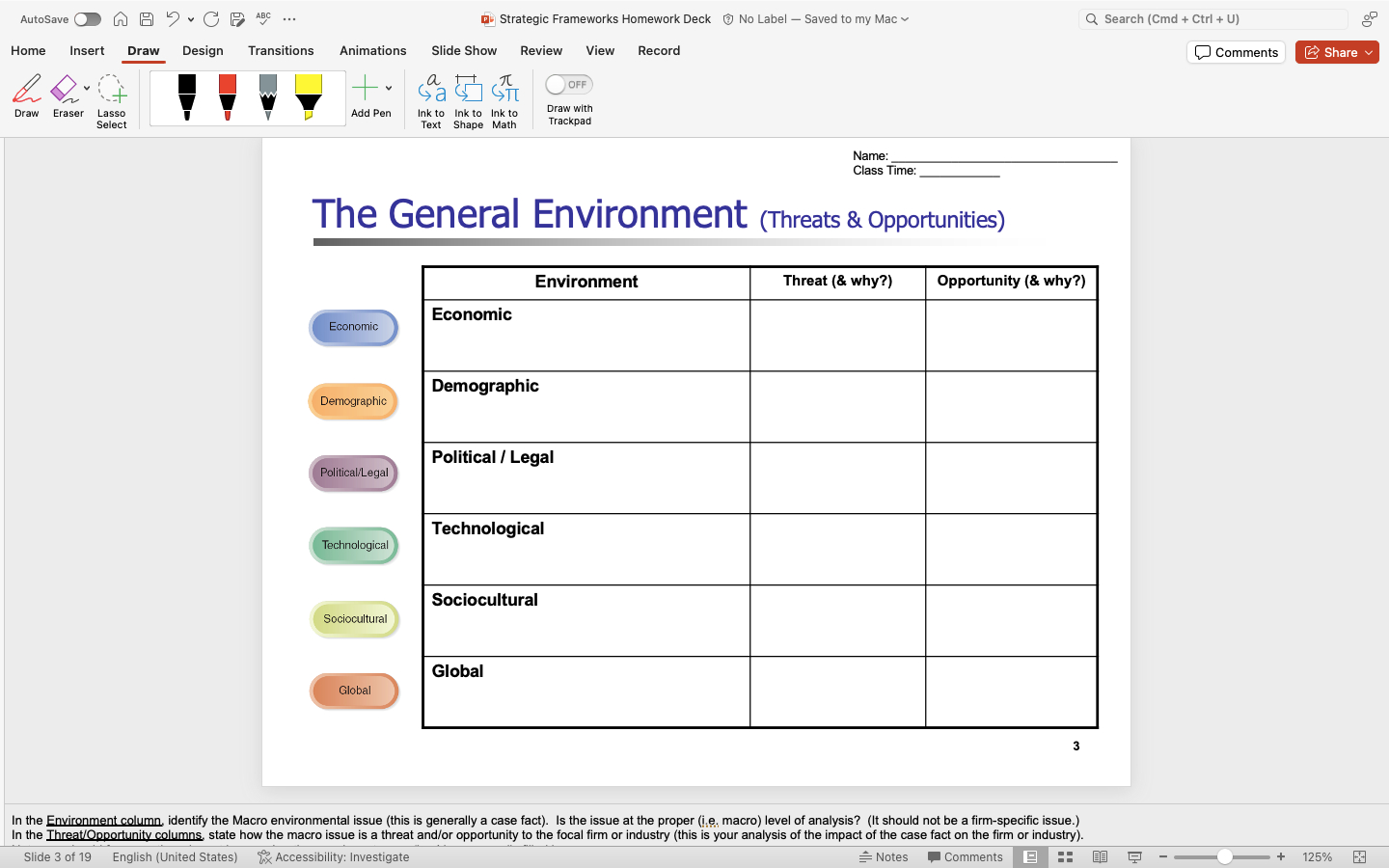
Question: Need help creating GDPEST FOR Apple Inc 2 0 2 0 . . . Article is attached ( After almost a decade as CEO, Tim
Need help creating GDPEST FOR Apple Inc Article is attached After almost a decade as CEO, Tim Cook could look back at his record at Apple with enormous pride. During his tenure, Apple became the worlds first trillion dollar market cap company. The firms iconic iPhone has grown almost X under Cook, while Apple introduced new hardware products, such as the Apple Watch and AirPods see Exhibits abc and for Apple financials and stock price
Yet could be a defining year for Apple and Cook. Apples core hardware businesses had slowed dramatically or declined in the last several years. iPhones, iPads and Macs had become mature products, with sales largely driven by user upgrades. A new generation of phones, using G technologies, might stimulate iPhone replacement demand, but the rollout was expected to be slow. Emerging markets also offered some hope for growth, but most Apple products were perceived as too expensive for many lower income countries. Finally, China had been one of the bright spots for Apple in the prior five years, but it too, showed signs of strain. The combination of a Trumpled trade war and the coronavirus pandemic put a serious damper on Apples prospects in China.
Seeing the writing on the wall, Cook prepared Apple for one of its largest strategic shifts in more than a decade. While hardware sales would still be critical, Cook was betting that Apple could become a major force in technologyrelated services. Apples installed base of iPhone users exceeded one billion people in early This gave Apple a unique opportunity to crosssell services to existing, loyal customers. Ranging from insurance Apple Care and music Apple Music to payments Apple Pay video content Apple TV gaming Apple Arcade and news subscriptions Apple News Cook was hoping to catapult the company into its next phase of growth. Indeed, Apple reported a $ billion run rate for services in Q almost of gross revenue.
Services were a big opportunity for Apple, but so were Cooks challenges. First, the companys profits and valuation heavily depended on the iPhone and other hardware. The COVID pandemic would severely dampen demand in the short run. And in the longer run, Cook pondered whether growing sales of Apple Watch and AirPods could compensate for stagnating sales in other categories. What actions were open to Cook to improve hardware volumes and margins? Second, it might seem obvious that Apple had a builtin customer base for services, but pushing hardware vs pushing services involved tradeoffs. Should Apple be a hardwarefirst company or a servicefirst company? Should it enable Apple services on everyones hardware for example, like Netflix or tie services to
Sculley also chose to forge an alliance with Apples foremost rival, IBM. They worked on two joint ventures, one to create a new PC operating system OS and one aimed at multimedia applications. Apple undertook another cooperative project involving Novell and Intel to rework the Mac OS to run on Intel chips that boasted faster processing speed. These projects, coupled with an ambition to bring out new hit products every to months, led to a fullscale assault on the PC industry. But profits dropped, and Sculley was replaced by Michael Spindler, the companys President, in June
The Spindler and Amelio Years,
Spindler killed the plan to put the Mac OS on Intel chips and announced that Apple would license a handful of companies to make Mac clones. He tried to slash costs and pushed for international growth, but Apple lost momentum: a Computerworld survey found that none of the Windows users would consider buying a Mac, while more than half the Apple users expected to buy an Intelbased PCsee Exhibit for shipments of PC microprocessors Spindler, like his predecessor, had high hopes for a revolutionary OS that would turn around the companys fate. But at the end of Apple and IBM parted ways on their joint ventures. After spending more than $ million, neither side wanted to switch to a new technology Following a $ million loss in Apples first fiscal quarter of the company appointed another new CEO, Gilbert Amelio, an Apple board member Amelio proclaimed that Apple would return to its premiumprice differentiation strategy, but Macintosh sales continued to fall. In December Amelio announced the acquisition of NeXT Software founded by Jobs after he left Apple and plans to develop a new OS based on NeXT. Jobs also returned to Apple as a part time adviser. Despite more restructuring efforts, Apple lost $ billion under Amelio. At one point, insiders believed that Apple was within days of bankruptcy. To save the company, Jobs became the companys interim CEO in September
Steve Jobs and the Apple Turnaround
Jobs moved quickly to reshape Apple. In August Apple announced that Microsoft would invest $ mill
Step by Step Solution
There are 3 Steps involved in it
1 Expert Approved Answer
Step: 1 Unlock

Question Has Been Solved by an Expert!
Get step-by-step solutions from verified subject matter experts
Step: 2 Unlock
Step: 3 Unlock
 Study Help