Question: Please complete the case UNIT CLOSING CASE TWO Changing the Way You Think about Data Since the beginning of time, humans have been using pictures

Please complete the case Please complete the case UNIT CLOSING CASE TWO
Please complete the case UNIT CLOSING CASE TWO
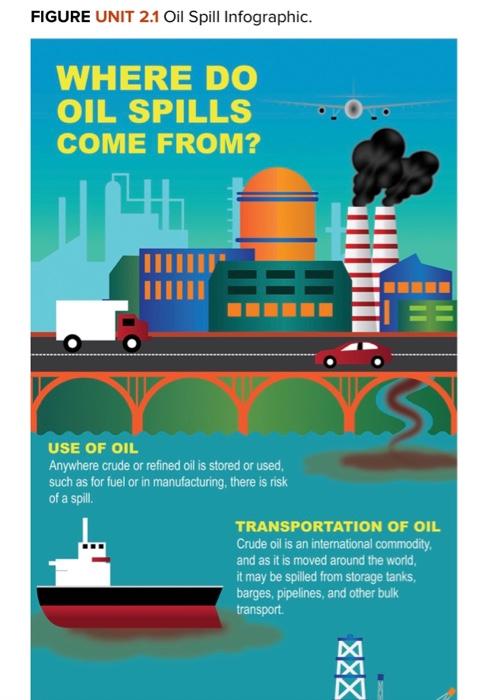
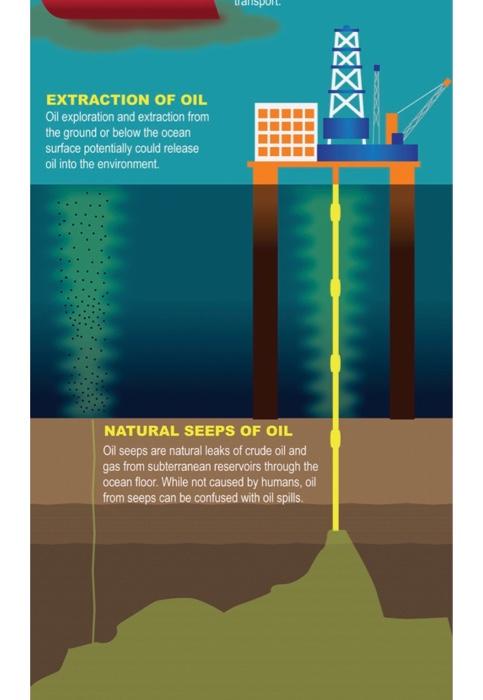
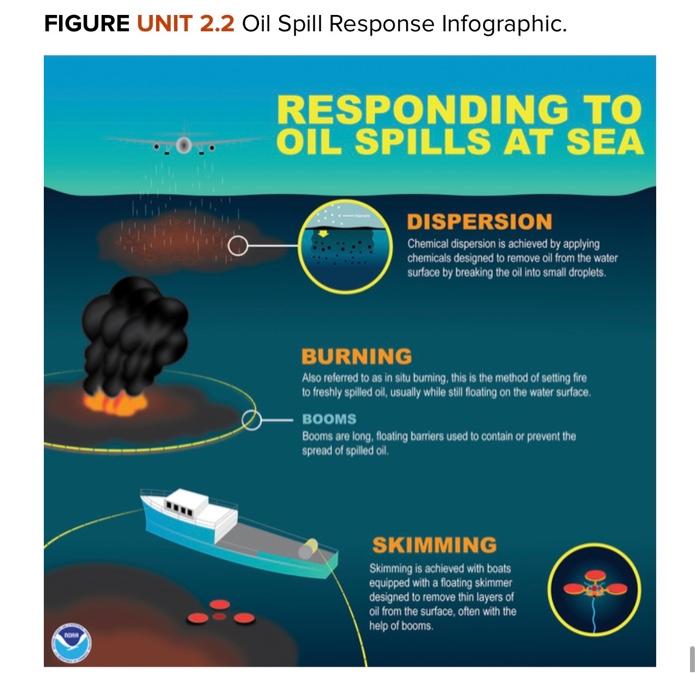
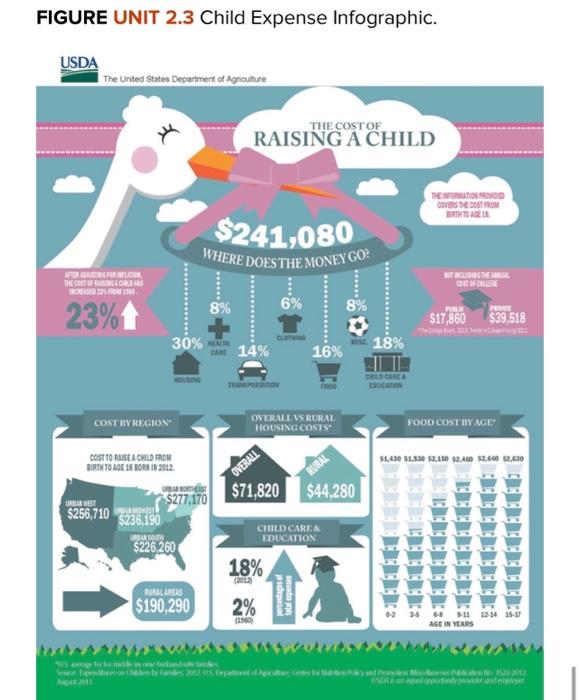
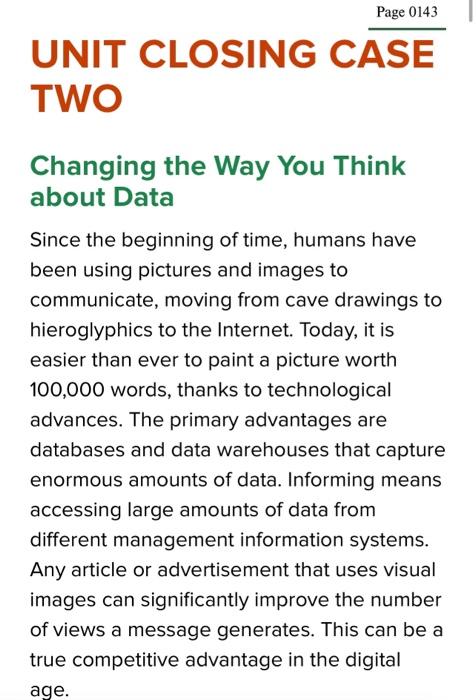
UNIT CLOSING CASE TWO Changing the Way You Think about Data Since the beginning of time, humans have been using pictures and images to communicate, moving from cave drawings to hieroglyphics to the Internet. Today, it is easier than ever to paint a picture worth 100,000 words, thanks to technological advances. The primary advantages are databases and data warehouses that capture enormous amounts of data. Informing means accessing large amounts of data from different management information systems. Any article or advertisement that uses visual images can significantly improve the number of views a message generates. This can be a true competitive advantage in the digital age. Good data alone does not make a good data story. Data storytelling is only effective when it provides value, whether it teaches people something new, gives them a new perspective, or inspires them to take action. Data visualization can help reveal trends, patterns, and exceptions. It can empower businesses to make more informed, longerterm decisions as well as communicate with customers and prospects more effectively. The way you deliver that story determines whether that message is communicated. Your narrative should guide readers through, provide context, and help them synthesize the data story as effectively as possible. Questions Remember that your data story must provide visual representation of any data that can help make the data more interesting. In a group, review the two examples below ( Figures Unit 2.1, 2.2, and 2.3) and determine the following: 2.3) and determine the following: 1. Does the visualization tell the whole story? Are there any questions you cannot answer just by reviewing the visualization? 2. Are there any data elements that should be removed or added to the visualization to make it more interesting? 3. Rank the visualization in order of best data story (1) to worst data story (3). What criteria did you use to rank the visualizations? 4. Find an example of a data story on the Internet and share it with your peers. Be sure to highlight the pros and cons of the data story. FIGURE UNIT 2.1 Oil Spill Infographic. FIGURE UNIT 2.2 Oil Spill Response Infographic. FIGURE UNIT 2.3 Child Expense Infographic

Step by Step Solution

There are 3 Steps involved in it

1 Expert Approved Answer
Step: 1 Unlock blur-text-image

Question Has Been Solved by an Expert!

Get step-by-step solutions from verified subject matter experts

Step: 2 Unlock
Step: 3 Unlock

Students Have Also Explored These Related General Management Questions!