Question: Please note: the company in this case study is fictional. You will not find anything about them online. -0-0-0- Day-Weeks is a national chain of
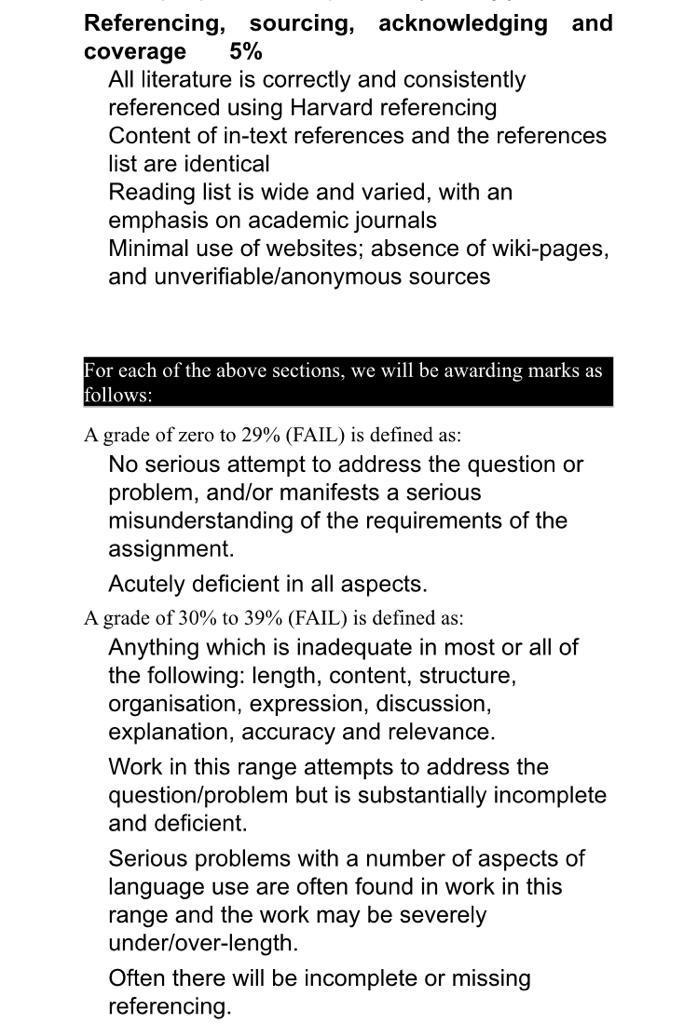
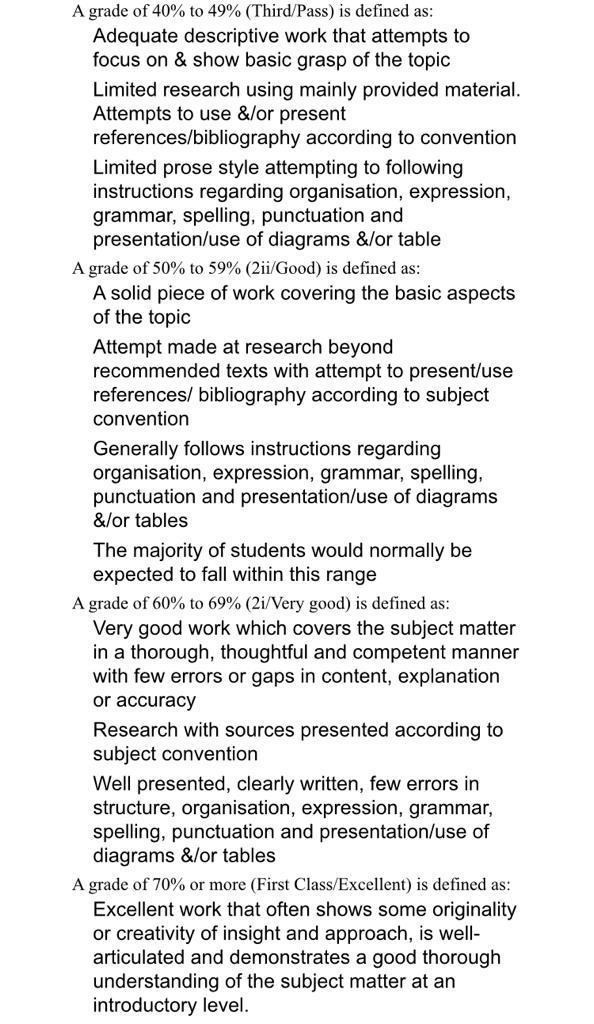
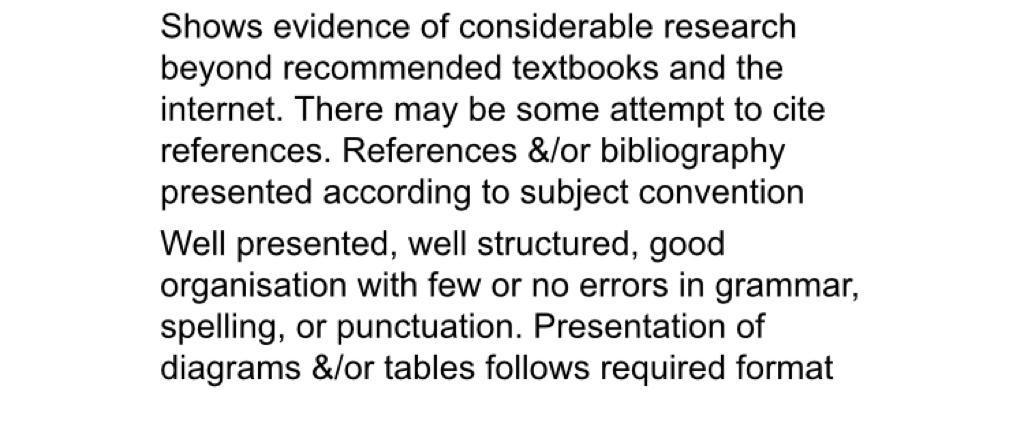
Please note: the company in this case study is fictional. You will not find anything about them online. -0-0-0- Day-Weeks is a national chain of gyms and fitness centres. It was founded by two friends, Paul Day and Chris Weeks (known to everyone by the initials of her first and middle names: "CS") in 2012. They offer a range of 24-hour gym facilities to customers throughout the UK, but with a weighting towards the LASER (London And South East Region) area. As well as the usual personal trainers offered by almost all gyms, Days-Weeks also offers its members a range of other services including healthy dining throughout the day, and hair and beauty treatments (for both men and women). Last year, Paul Day was killed in a tragic accident. This left CS in charge of the daily running of the company. Paul Day had always taken care of the marketing side of the business, and CS knew she needed help with that now she was alone. She approached an old friend to see if they would be interested in the job, for a handsome salary and benefits package. At first, the friend was reluctant, claiming to know nothing about the business sector in which Days-Weeks operated. CS cleverly turned the tables saying: "what is it you always say about marketing - 'it's all about selling boxes: what's in the box doesn't actually matter, because the basic principles are the same for everything". You didn't know anything about commercial lighting or cars either, but that didn't stop you succeeding in those sectors!" You are that friend. Beaten by your own logic, tempted by the package offered, lured by the prospect of not having to commute to London in post-Covid 19 days, and finally won over by the prospect of working with your friend, you took the job six weeks ago. In that time, you have come to realise that Days-Weeks has succeeded this far despite its marketing rather than because of it. Your investigations showed that: There was no written marketing strategy, and nobody knew how Paul Day had decided what activity to undertake; he just seemed to be making it up as he went There was no measurement of results so there was no way to know what was working and what wasn't (or where to spend advertising budget going forward) There didn't seem to be any effort made to identify who was most likely to buy from them The website was getting hits and their social media presence was effective (largely because of the efforts of one of the gym instructors who took it on herself to manage the company's e-presence) but again there was no strategy in place The company has always believed that their client-base is at the wealthy end of society, and their marketing literature has been designed accordingly. When questioned about why they hold this belief, CS says "it just stands to reason really: they mostly live and work in London and the South East of England, which is the most expensive part of the country". You suspect this isn't true and, rather than relying on guesswork, you analyse the database to find out. It shows you are right: the typical customer is not at all wealthy, they typically live in low-value private housing or rent from the local authority. They earn a little less than the average wage, and they are more likely to carry a tool bag to work than a briefcase. You take CS to dinner to break the unhappy news to her. You propose that you should start the marketing again anew, beginning with the company's Segmentation, Targeting, and Positioning (STP) and its overall branding. CS is shocked to hear all this, and more than a little annoyed at her late partner. However, while she trusts and believes you, she admits she doesn't understand what STP or branding really mean. "I know I really should, but I always just left that to Paul. Can you write me a report to explain what it means and what you're proposing? If you can keep it to about 2,500 words, I'll even promise to read it!" she says. Prepare a 2,400-word report to explain the following to CS: 1. Explain the concept of segmentation, targeting and positioning About 600 saying why it is important and how Day-Weeks could use it to words their benefit 2. Discuss the role of branding in any company's marketing strategy About 500 words About 250 words 3. Explain to CS what makes the marketing services different from marketing products (emphasising services marketing because Days-Weeks is service sector) and say how that will impact on your plans About 800 words 4. You want to expand your customer base geographically. Explain Ansoff's four competitive strategies to CS, emphasising and justifying why you feel Market Development to be the best for you. Don't forget to include a picture of the model in your report. Remember to include an executive summary (that's a one-page summary of your findings - not a summary of the task or your approach to answering it), to number your pages and to include a table of contents at the beginning of the report. (About 250 words) Submission of your work Submission date 23:30/11:30pm (UK time) on Friday 10 December 2020 Submission method Electronic (and no other) Weight towards final grade 40% Pass mark 40% 2,500 (+/-10%; so in the range of 2,150 Word count to 2.750 words) Assignment rubrics The following shows how your submitted assignments will be marked. You should take this into account when writing your papers. Content, Knowledge and Understanding 30% Shows an understanding of the concepts and principles covered by the assignment Demonstrates an ability to apply these to the case study. Has an awareness of the limitations of theories studied and critiqued these Range and Relevance of Research Informed Evidence 30% Demonstrates an ability to find, evaluate, and interpret appropriate data Develops arguments and judgements in line with theories and concepts used Interprets the many sources used with insight and understanding. Shows an ability to undertake quality work with appropriate autonomy Cognitive/ Intellectual Skills 25% Able to decide on the best approach to problem solving in a marketing context Data/information is logically arranged in a way that answers the question Compares different theories/approaches using analytical arguments Conclusions are based on the content of the report Abilities in interpreting and evaluating concepts Creates rational arguments and judgements Communication, Organisation and Presentation 10% Graduate Employability and Application of Skills Use of clear, accurate English Clear and easy to follow report structure with a logical narrative flow Demonstrates transferrable skills needed for employment Well organised and professional in overall approach Accepts personal responsibility willingly Referencing, sourcing, acknowledging and coverage 5% All literature is correctly and consistently referenced using Harvard referencing Content of in-text references and the references list are identical Reading list is wide and varied, with an emphasis on academic journals Minimal use of websites; absence of wiki-pages, and unverifiable/anonymous sources For each of the above sections, we will be awarding marks as follows: A grade of zero to 29% (FAIL) is defined as: No serious attempt to address the question or problem, and/or manifests a serious misunderstanding of the requirements of the assignment. Acutely deficient in all aspects. A grade of 30% to 39% (FAIL) is defined as: Anything which is inadequate in most or all of the following: length, content, structure, organisation, expression, discussion, explanation, accuracy and relevance. Work in this range attempts to address the question/problem but is substantially incomplete and deficient. Serious problems with a number of aspects of language use are often found in work in this range and the work may be severely under/over-length. Often there will be incomplete or missing referencing. A grade of 40% to 49% (Third/Pass) is defined as: Adequate descriptive work that attempts to focus on & show basic grasp of the topic Limited research using mainly provided material. Attempts to use &/or present references/bibliography according to convention Limited prose style attempting to following instructions regarding organisation, expression, grammar, spelling, punctuation and presentation/use of diagrams &/or table A grade of 50% to 59% (2ii/Good) is defined as: A solid piece of work covering the basic aspects of the topic Attempt made at research beyond recommended texts with attempt to present/use references/ bibliography according to subject convention Generally follows instructions regarding organisation, expression, grammar, spelling, punctuation and presentation/use of diagrams &/or tables The majority of students would normally be expected to fall within this range A grade of 60% to 69% (2i/Very good) is defined as: Very good work which covers the subject matter in a thorough, thoughtful and competent manner with few errors or gaps in content, explanation or accuracy Research with sources presented according to subject convention Well presented, clearly written, few errors in structure, organisation, expression, grammar, spelling, punctuation and presentation/use of diagrams &/or tables A grade of 70% or more (First Class/Excellent) is defined as: Excellent work that often shows some originality or creativity of insight and approach, is well- articulated and demonstrates a good thorough understanding of the subject matter at an introductory level. Shows evidence of considerable research beyond recommended textbooks and the internet. There may be some attempt to cite references. References &/or bibliography presented according to subject convention Well presented, well structured, good organisation with few or no errors in grammar, spelling, or punctuation. Presentation of diagrams &/or tables follows required format









 Study Help