







Question: Please provide the correct answer for the incorrect answers. 7. A sales manager collected the following data on annual sales for new customer accounts and

Please provide the correct answer for the incorrect answers.
7.
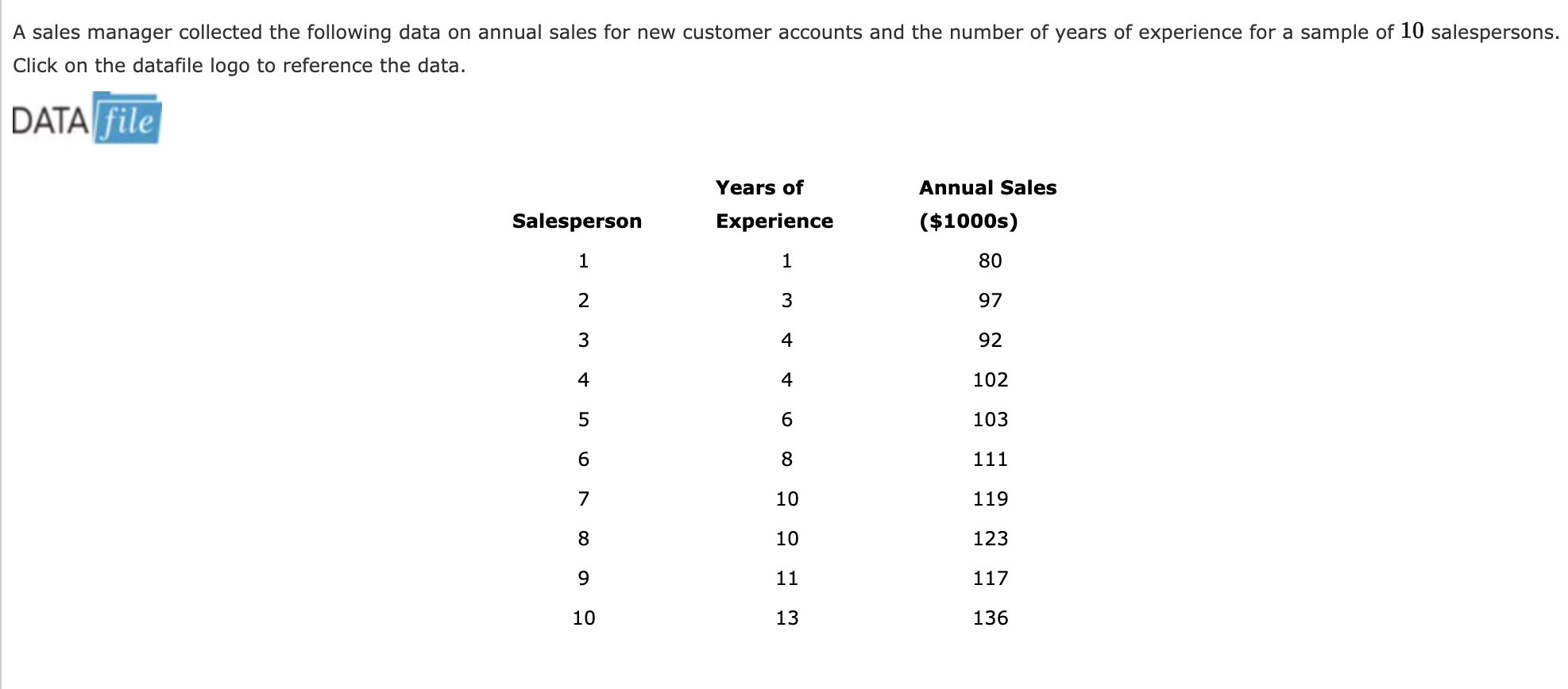
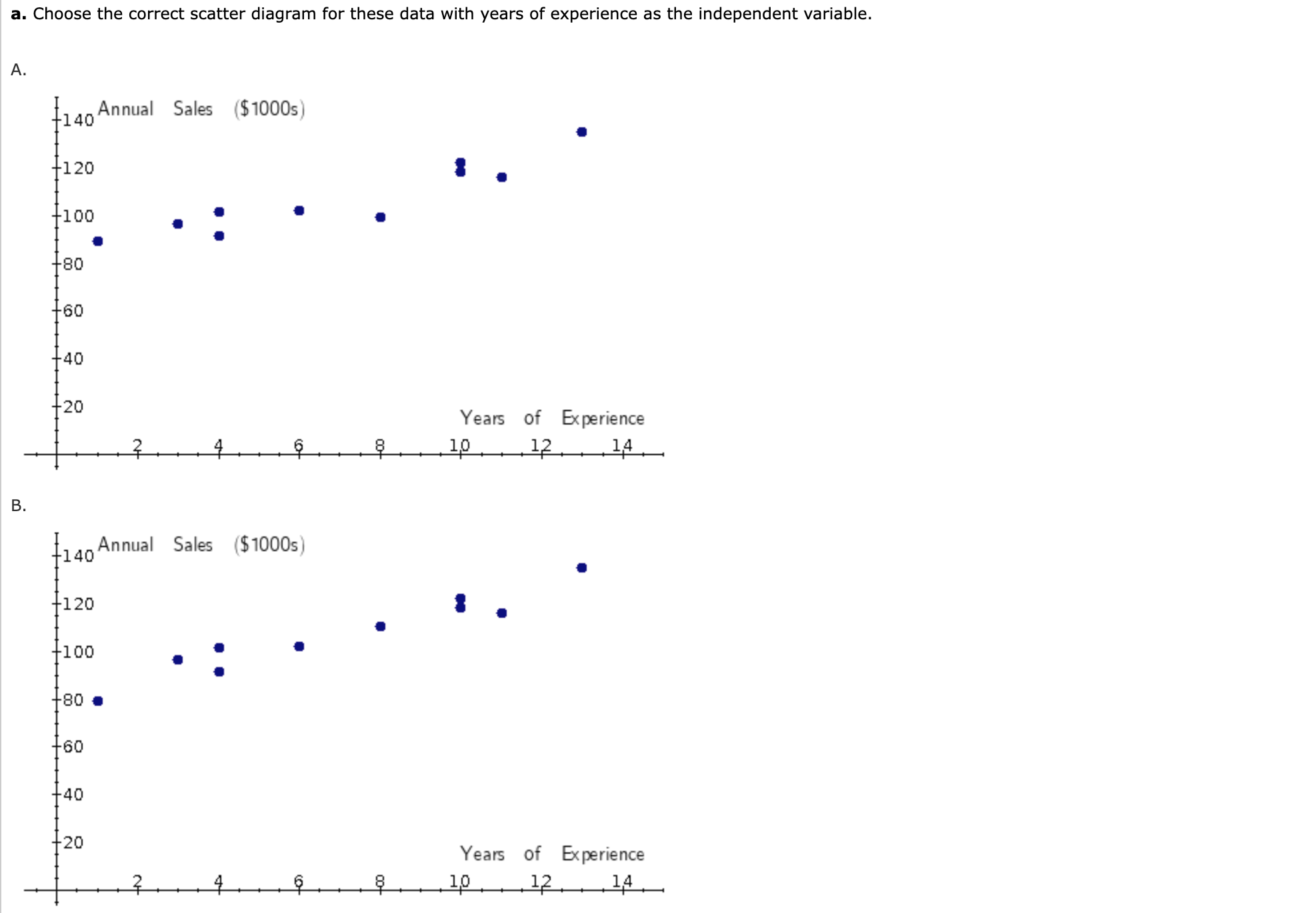
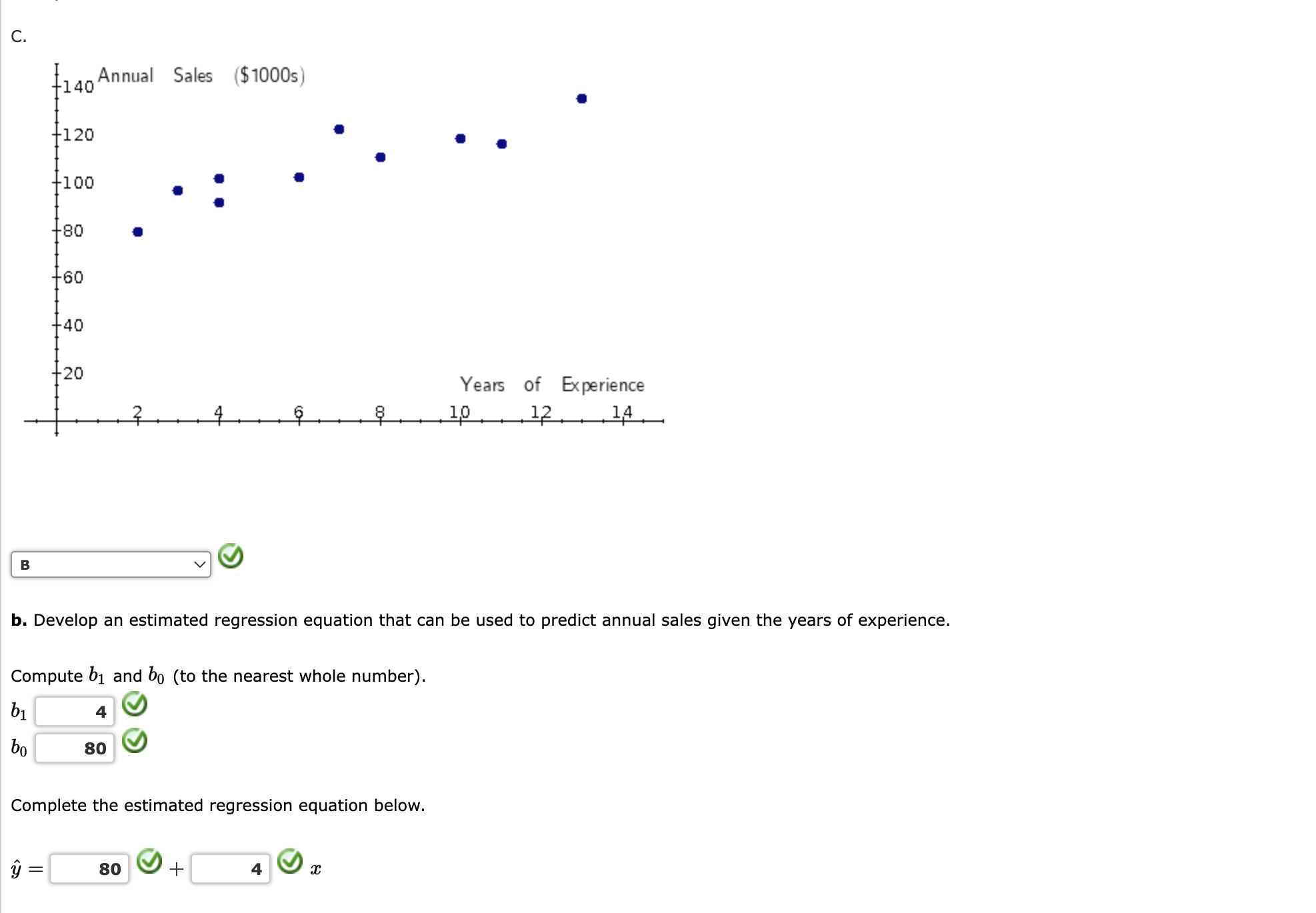
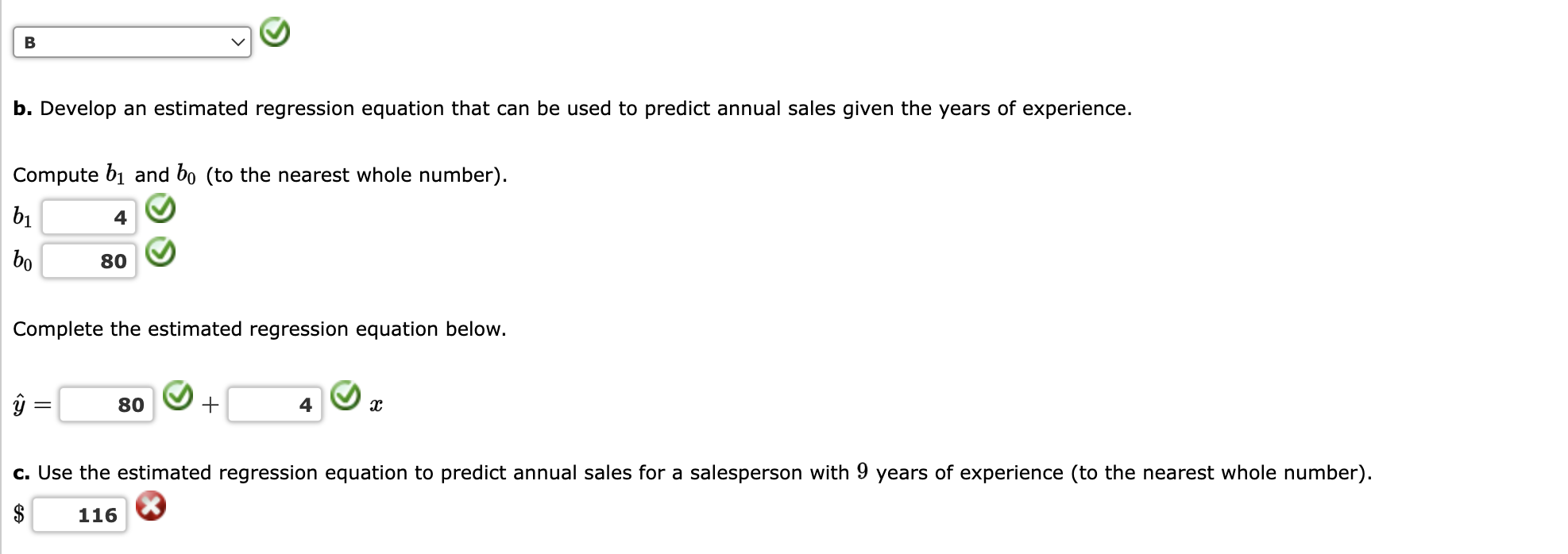
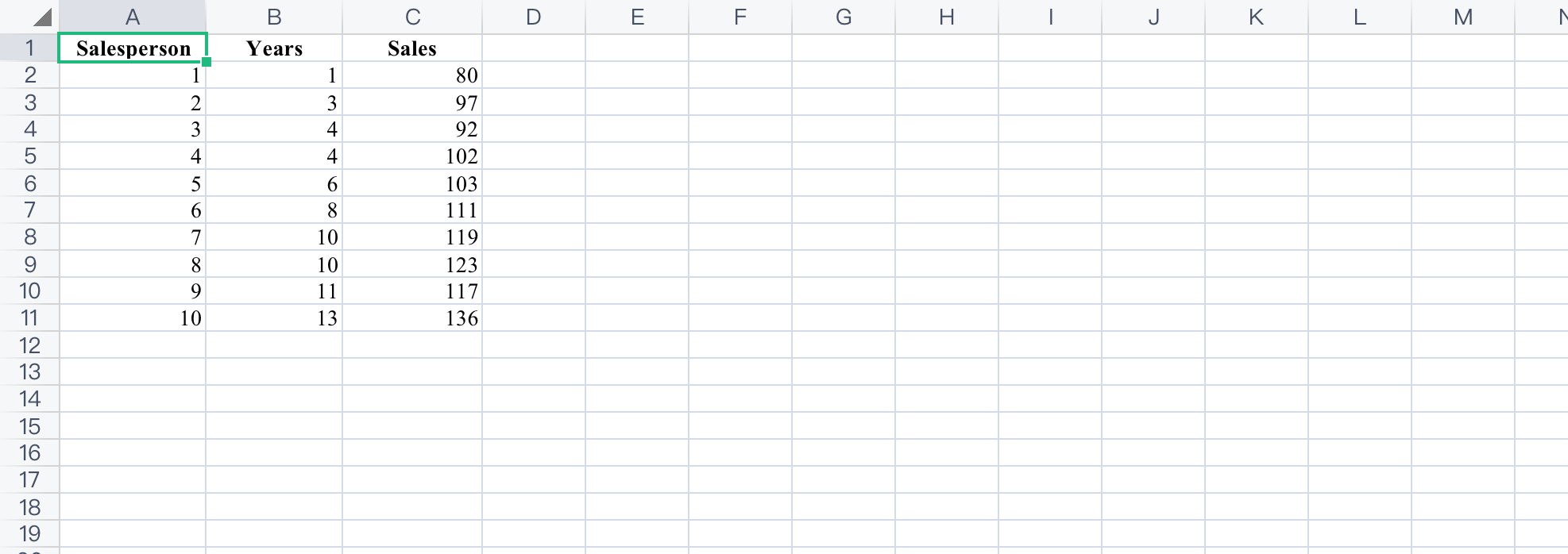
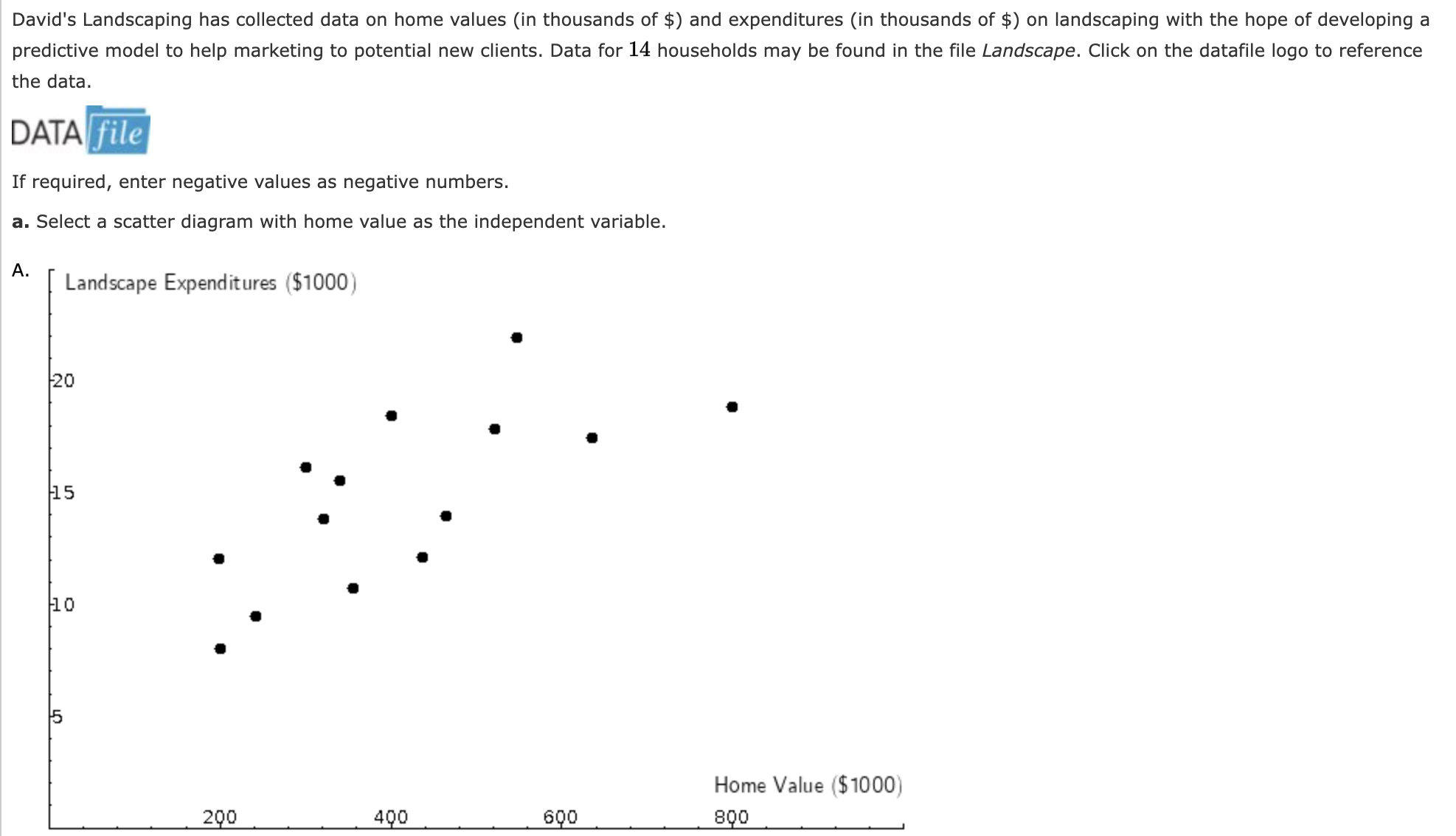
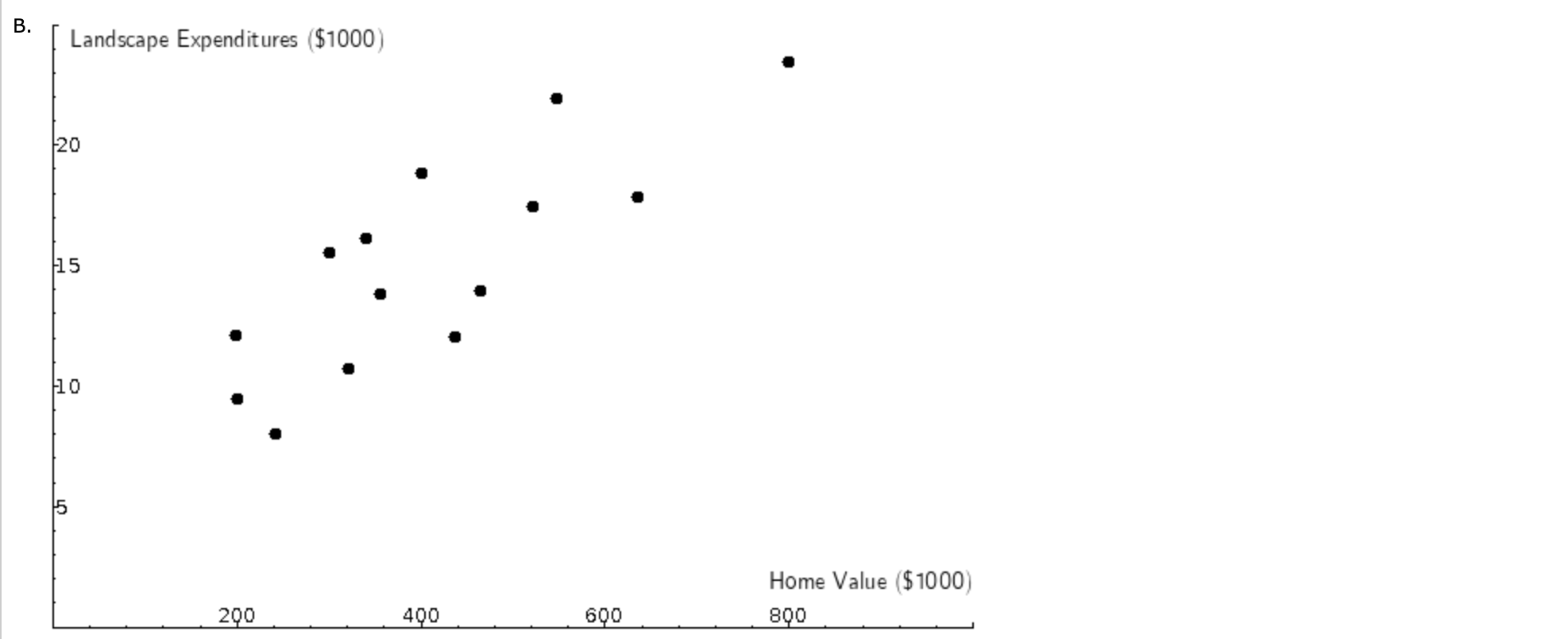
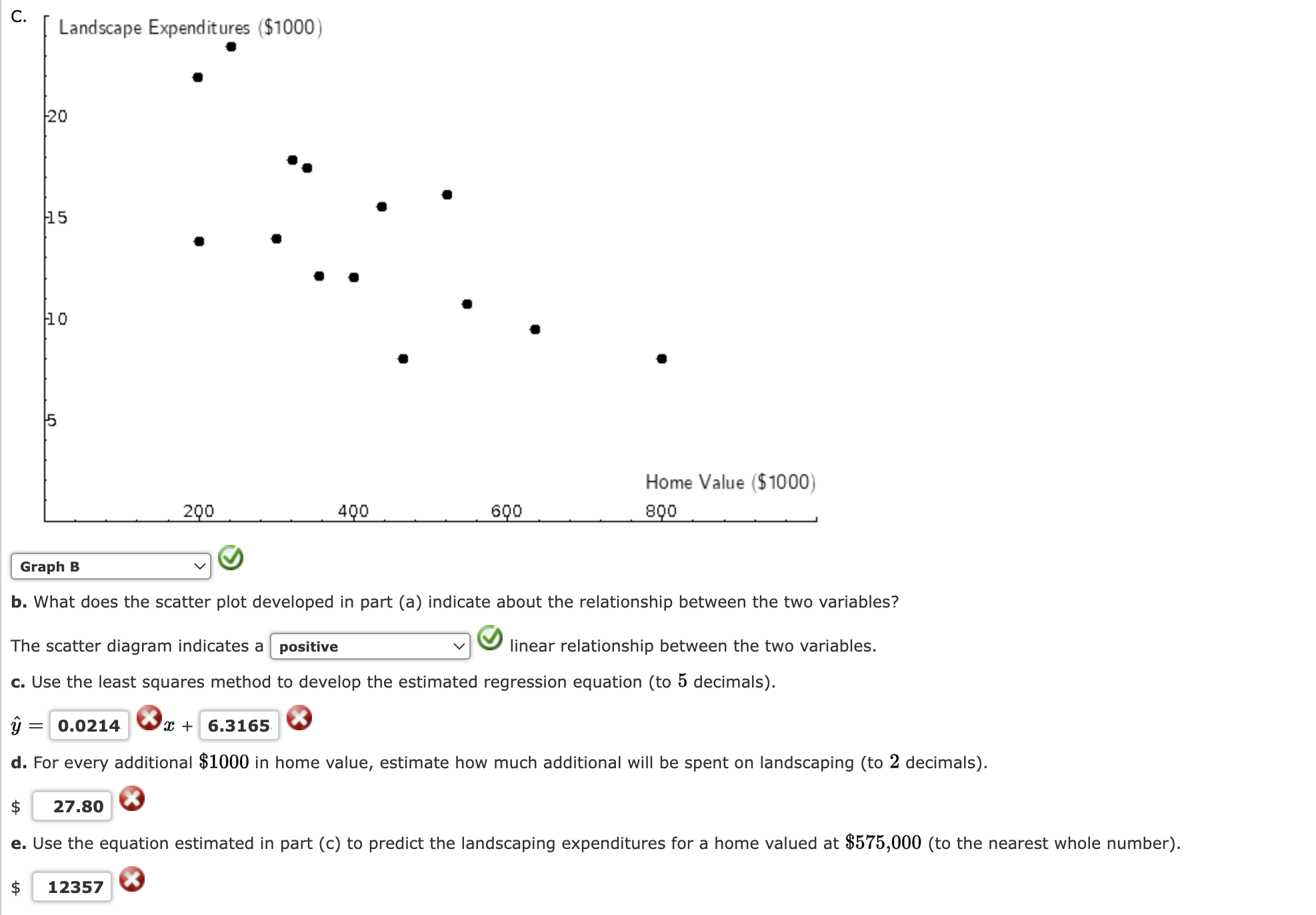
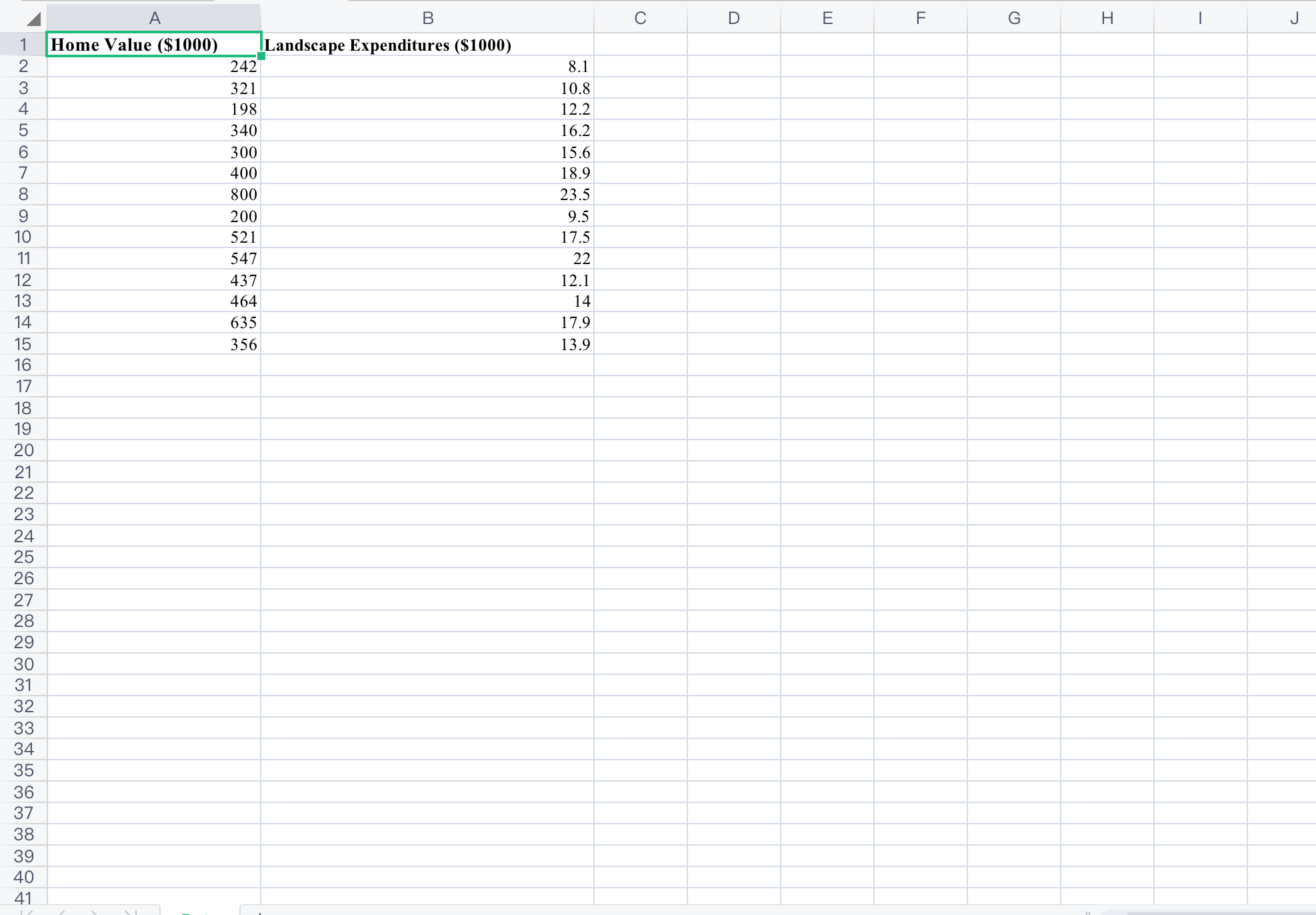
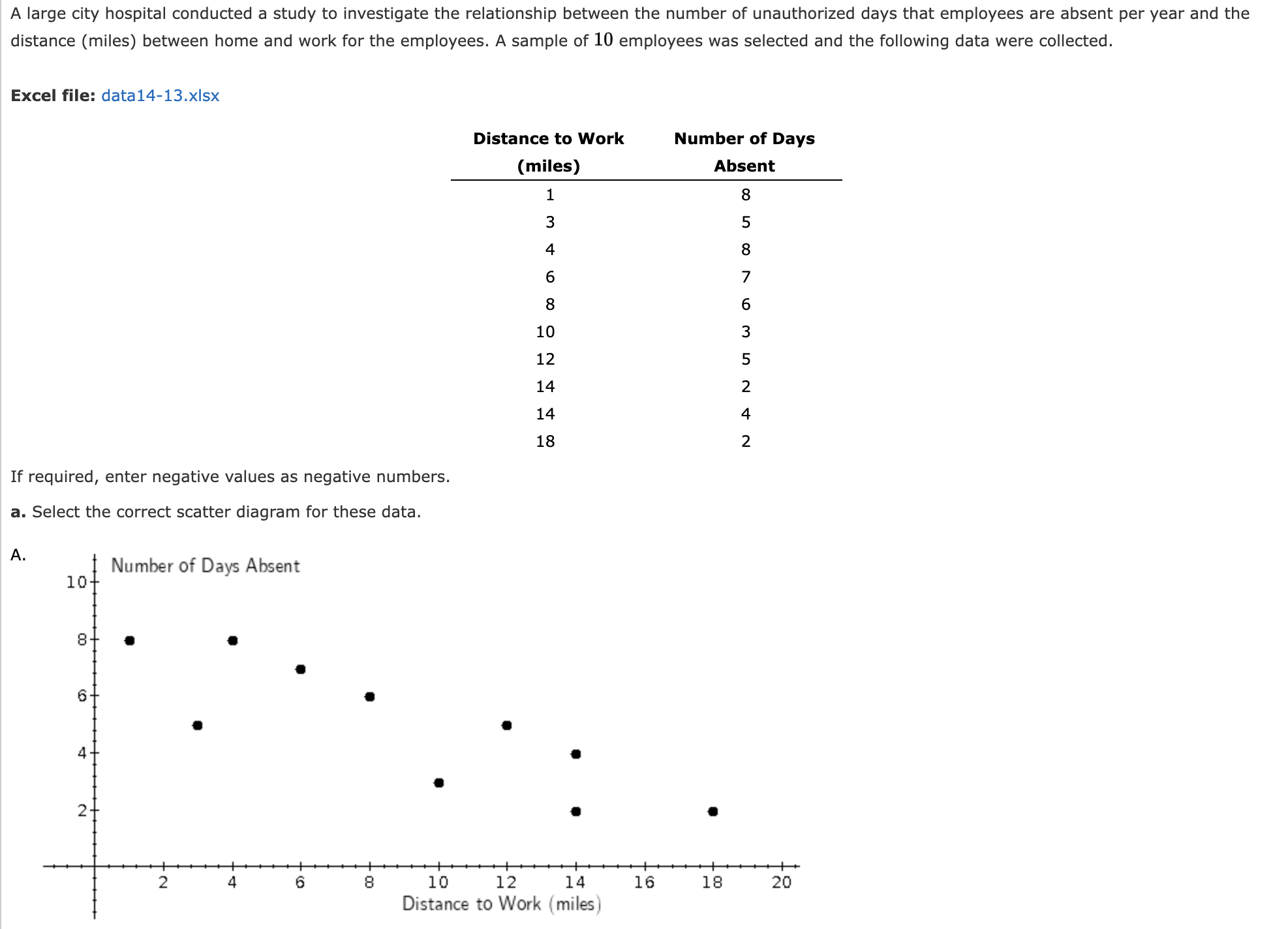
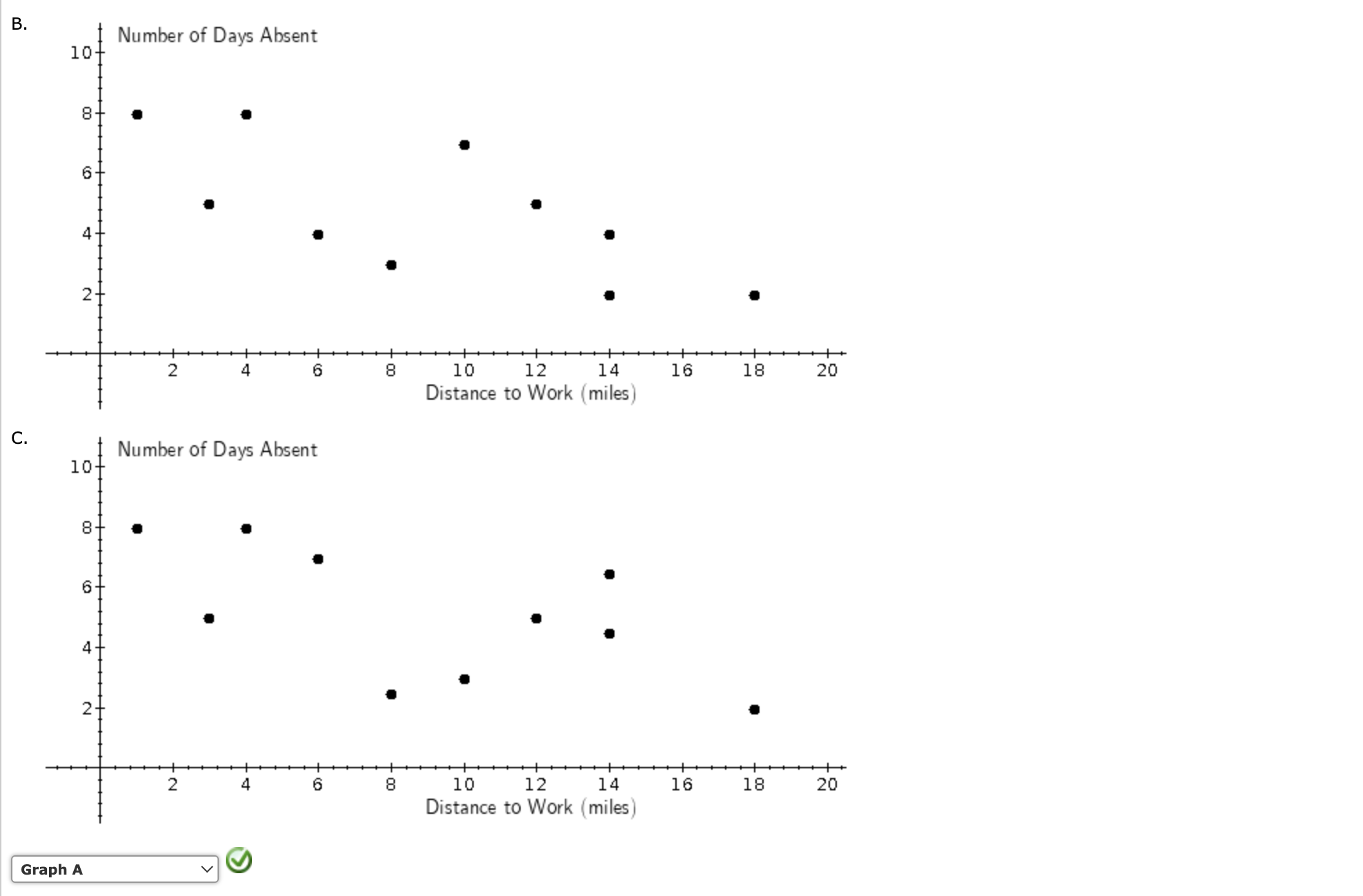

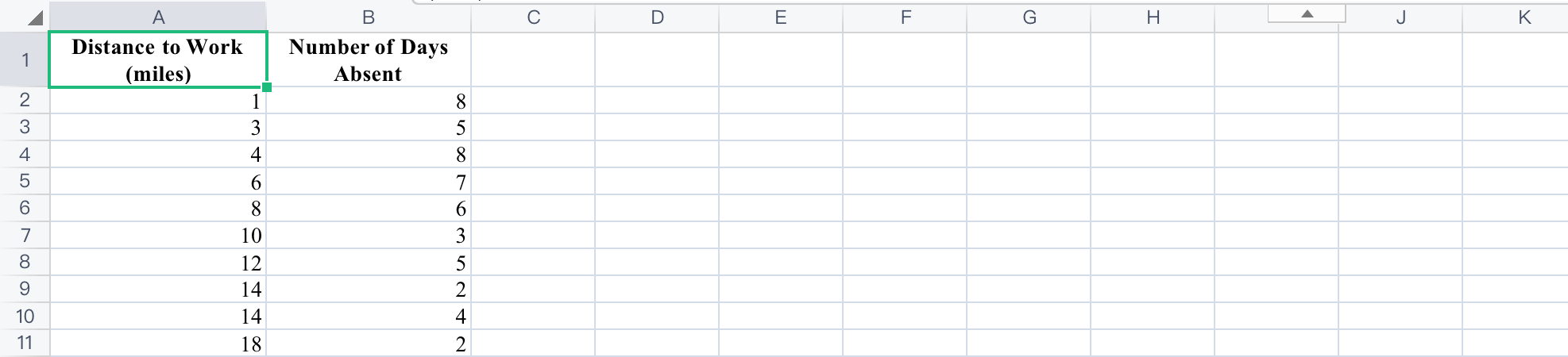
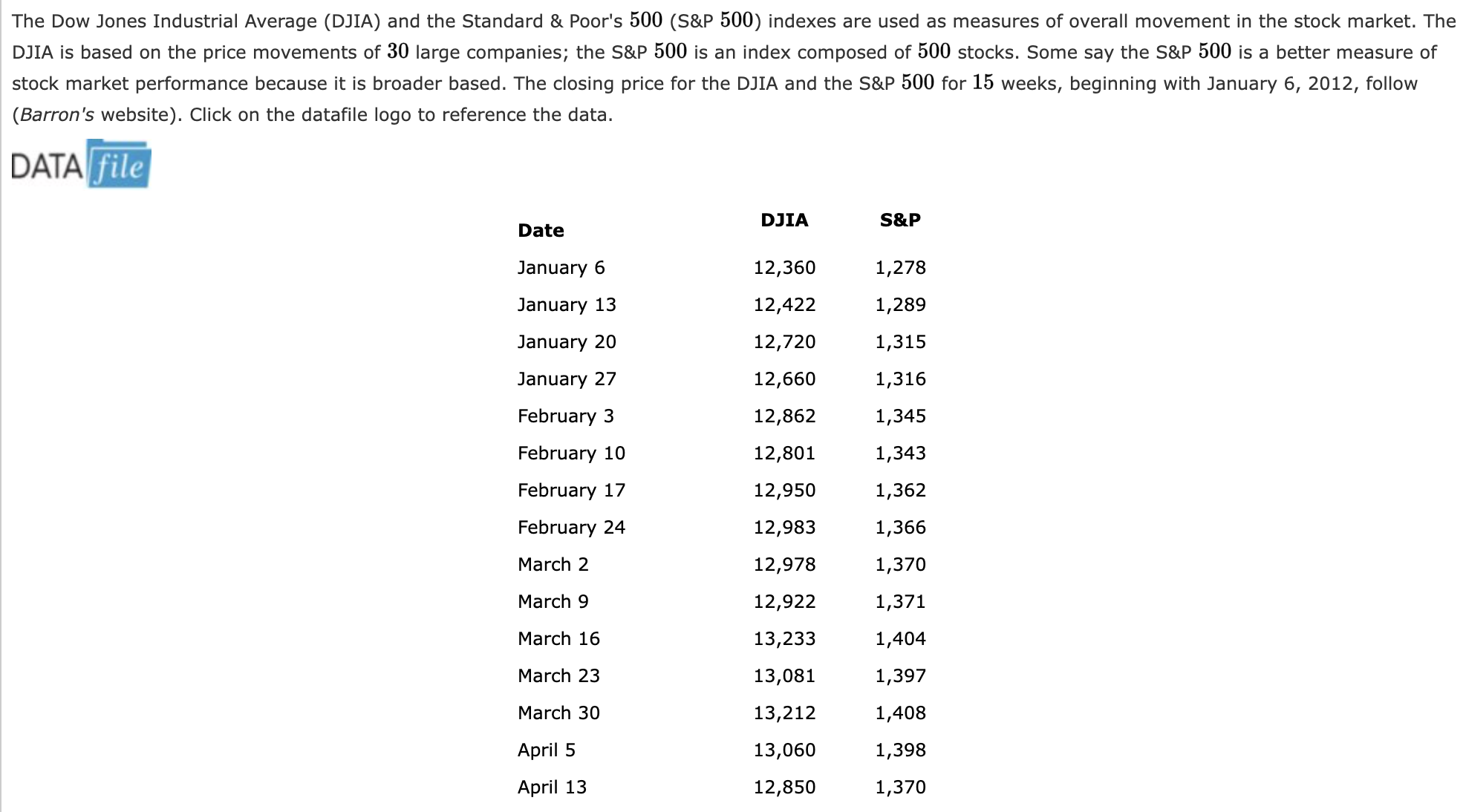
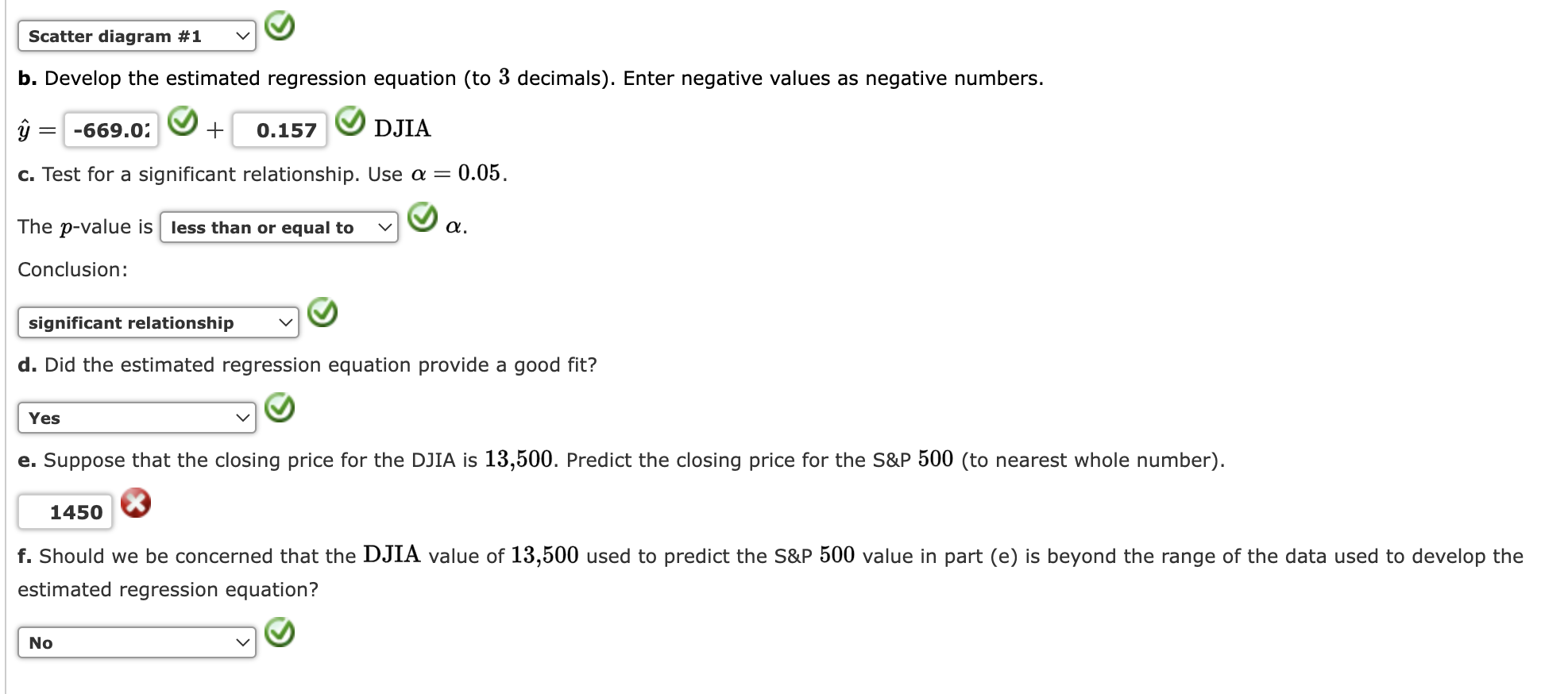
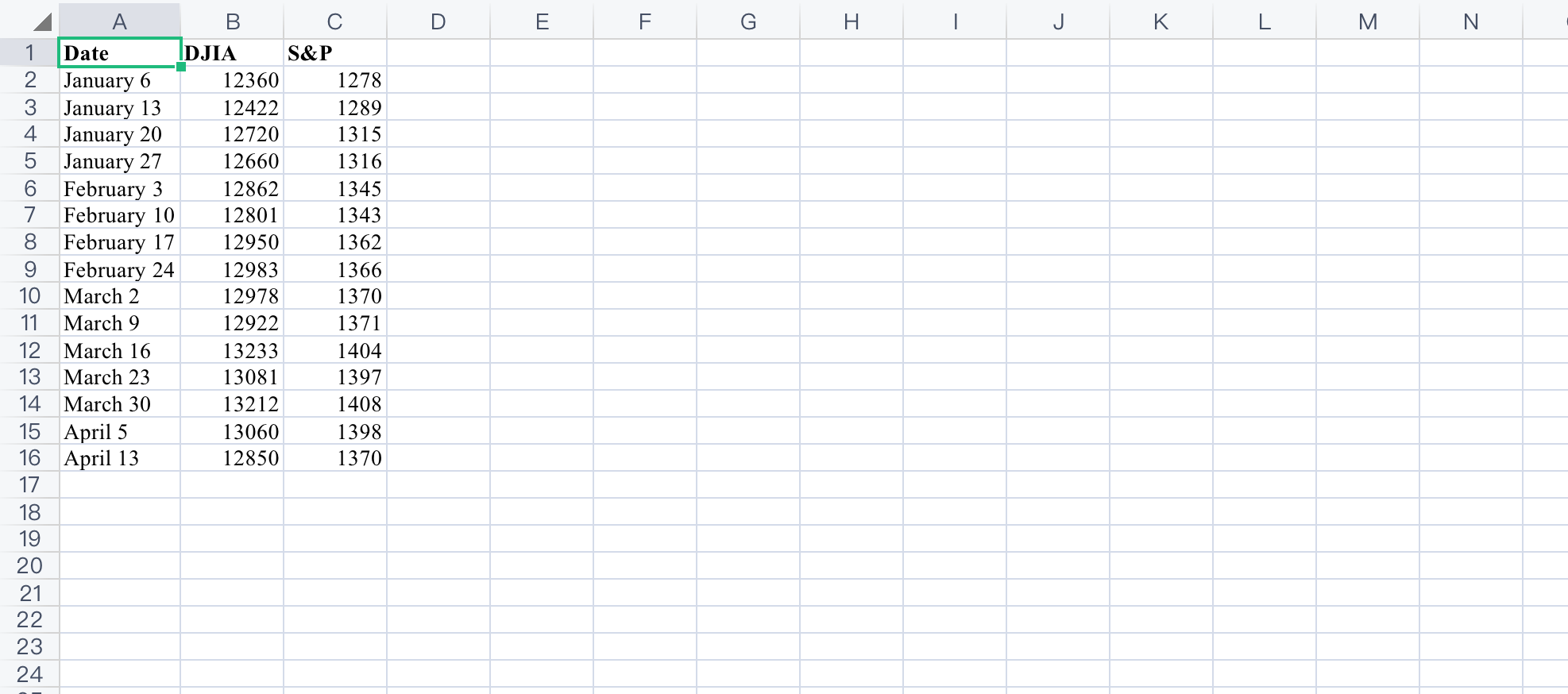
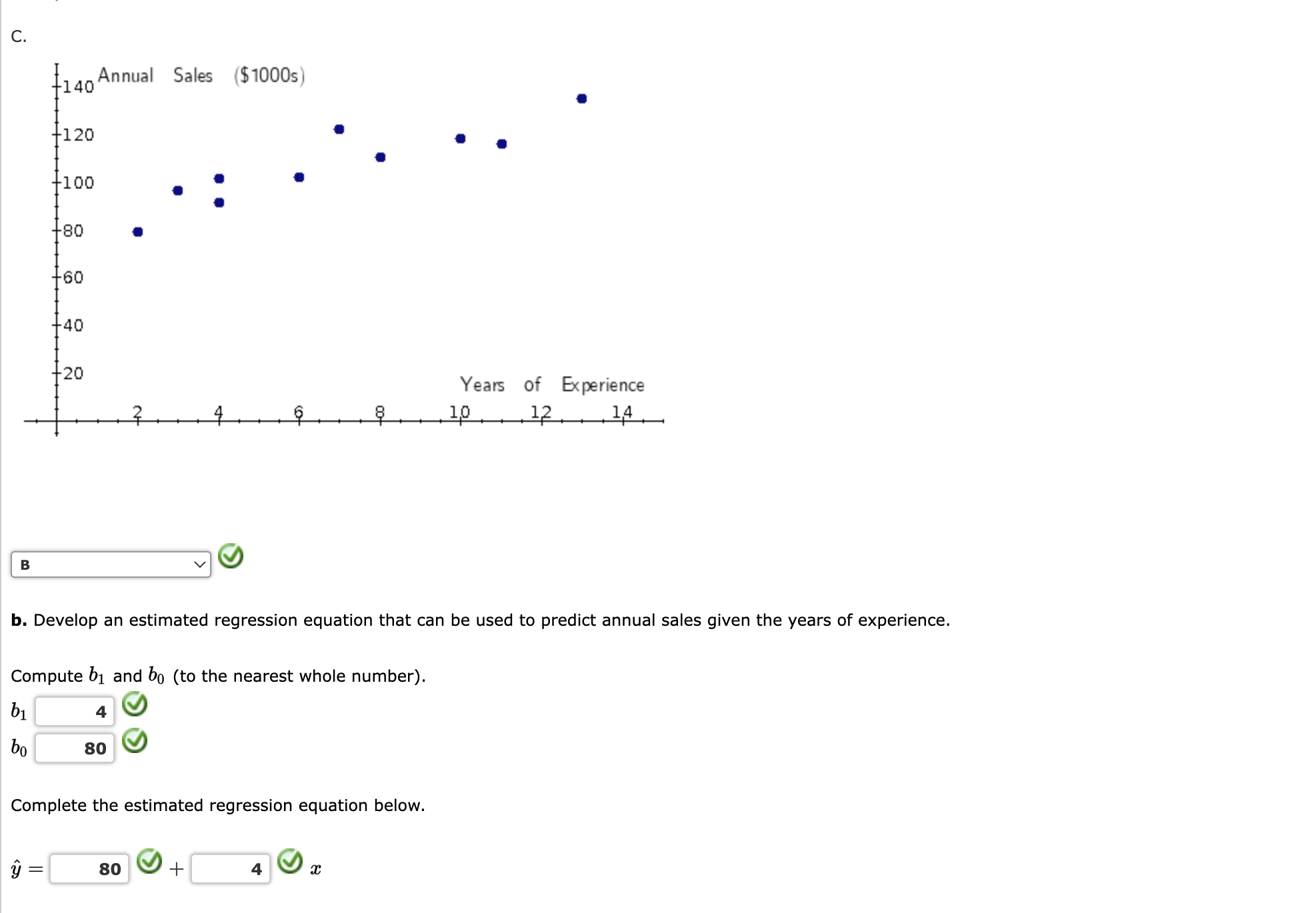
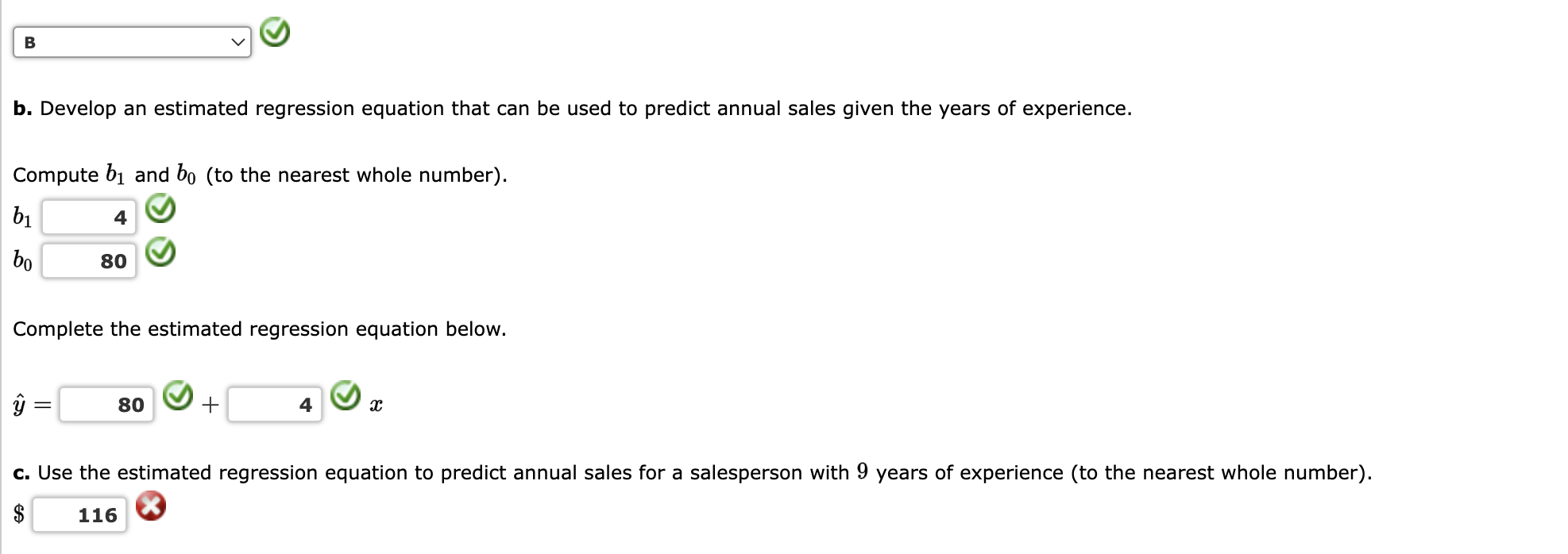
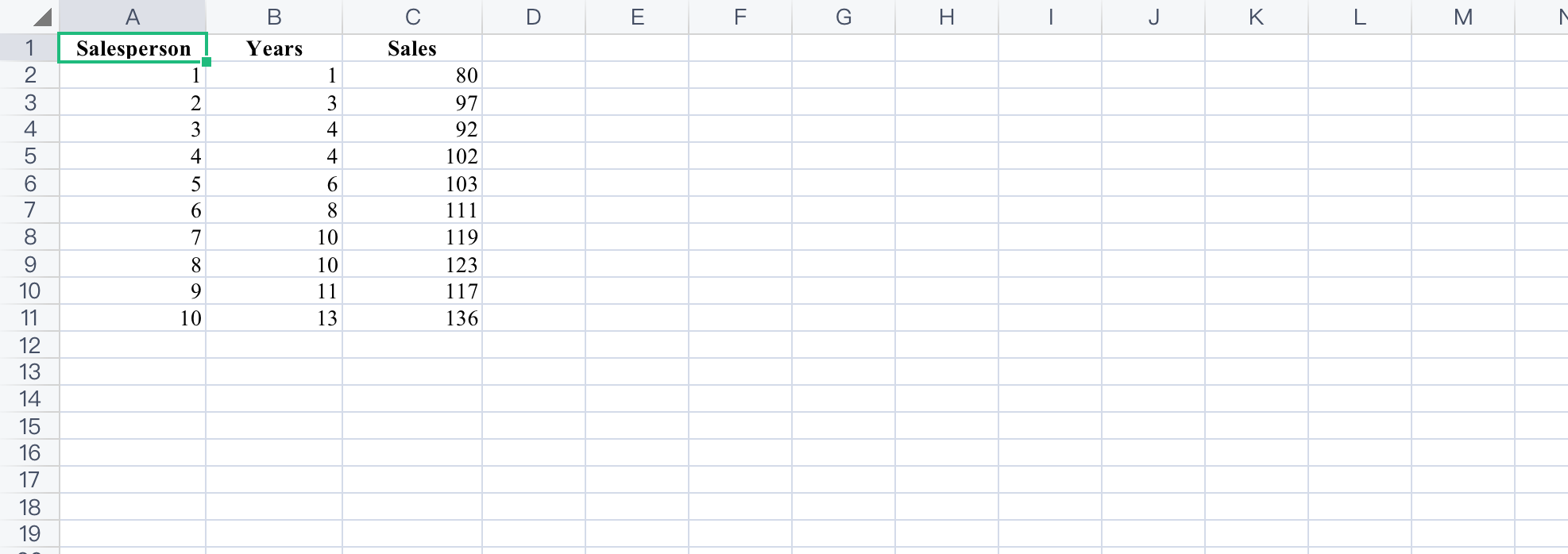
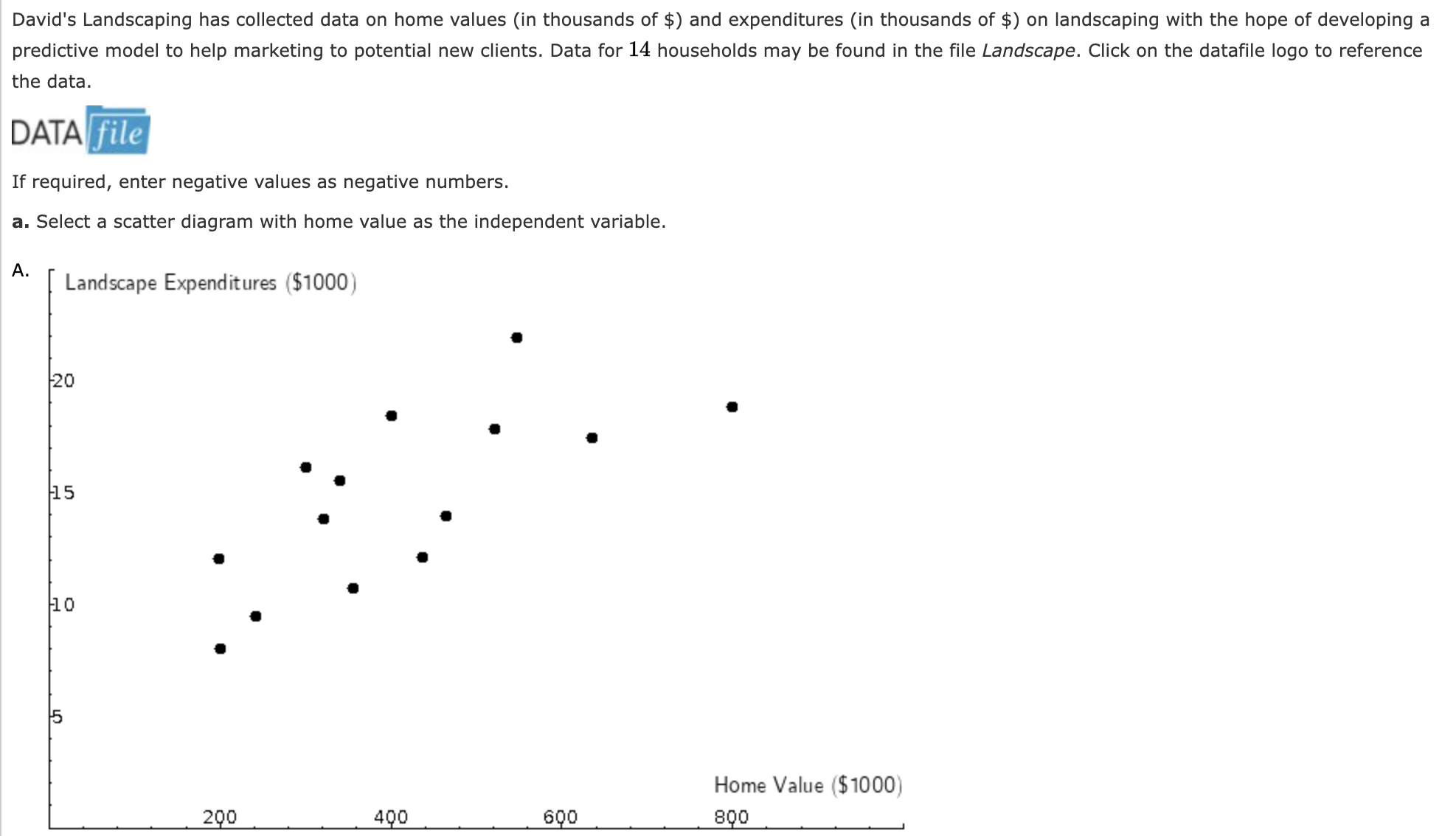
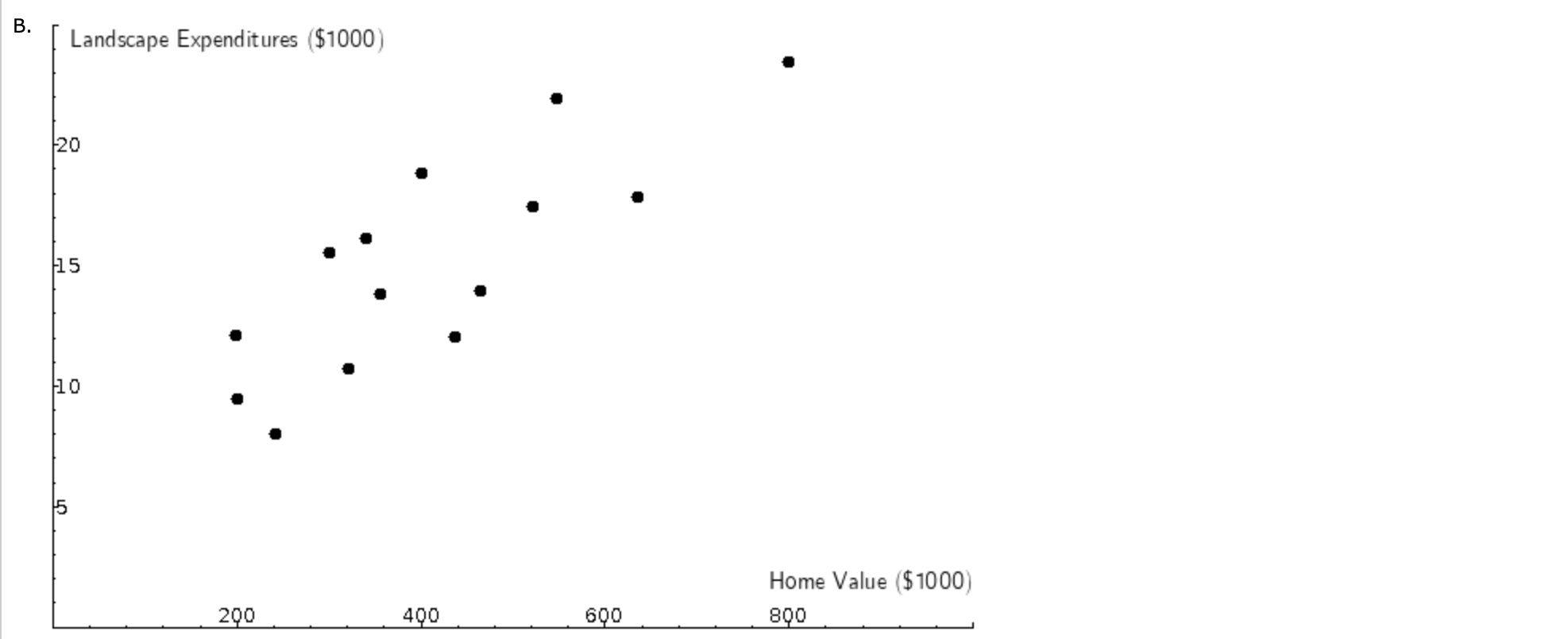
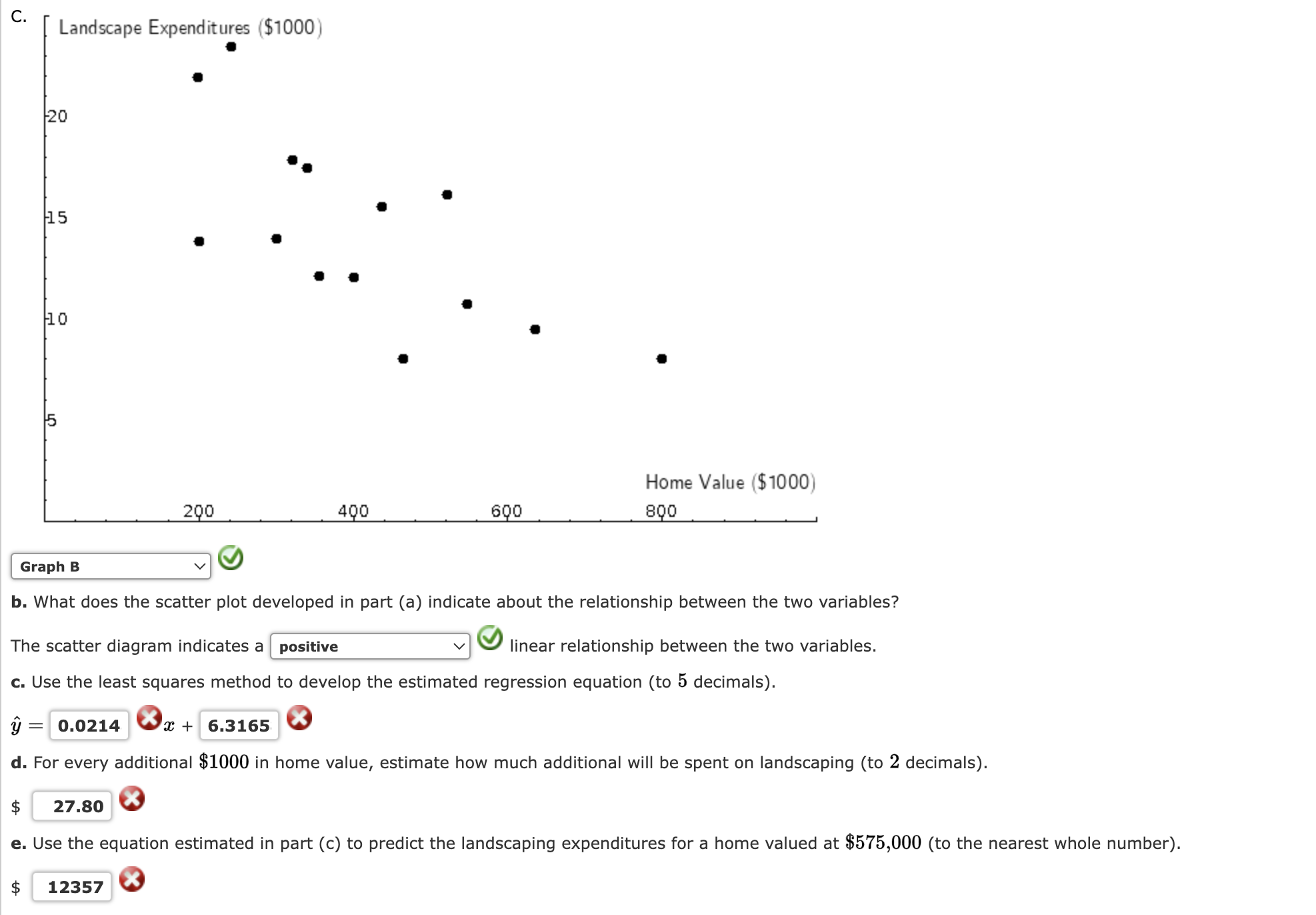
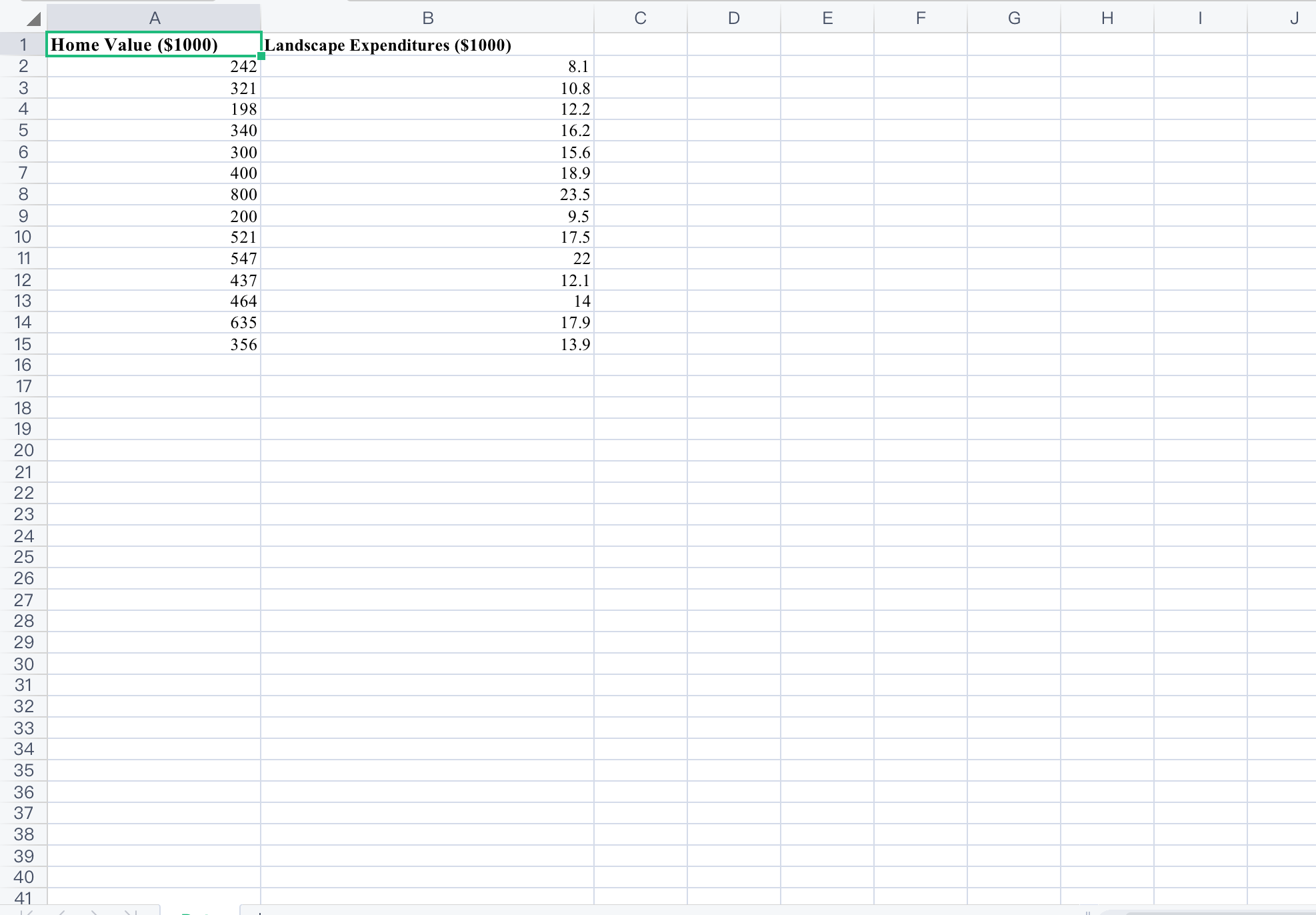
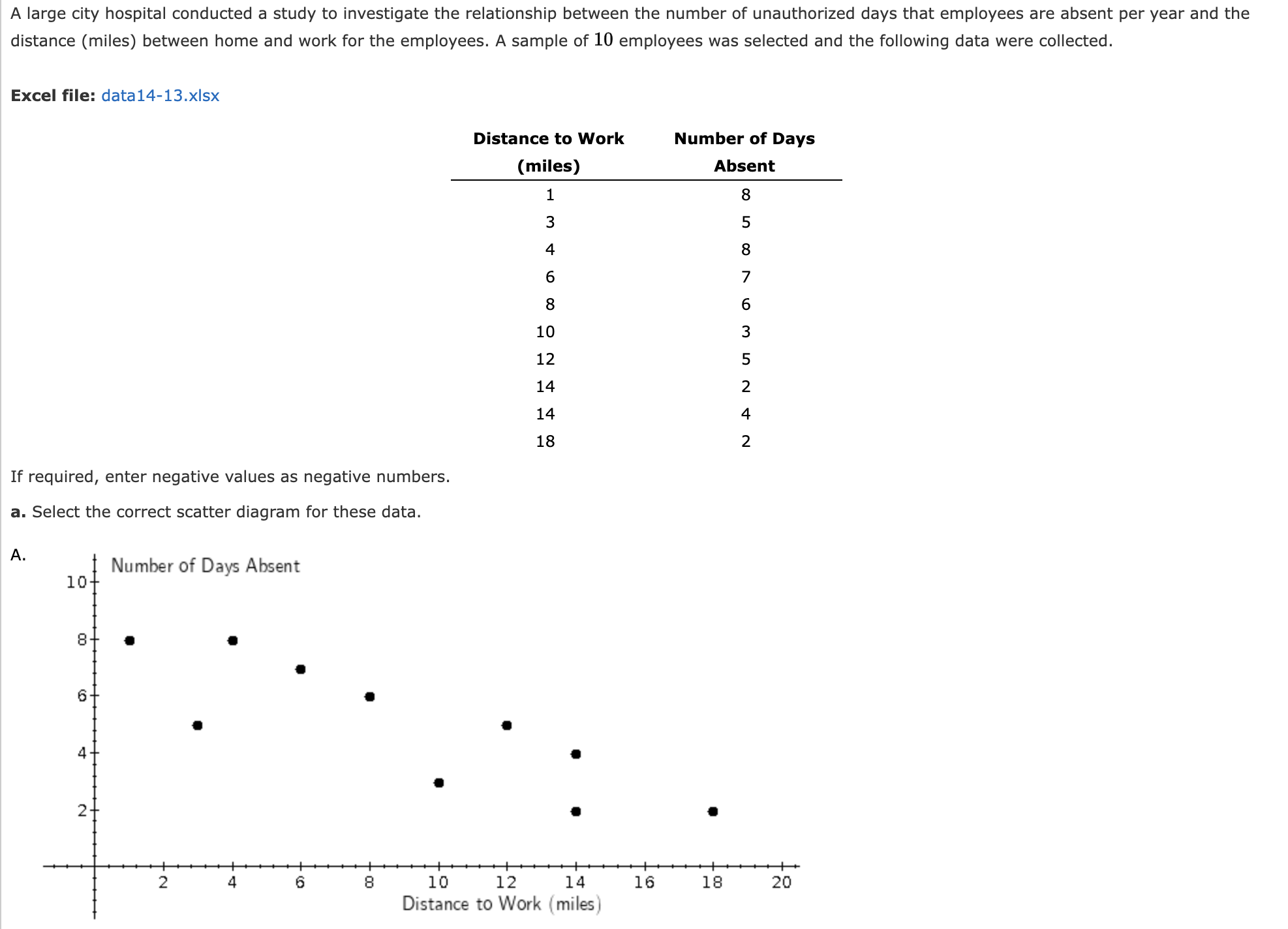
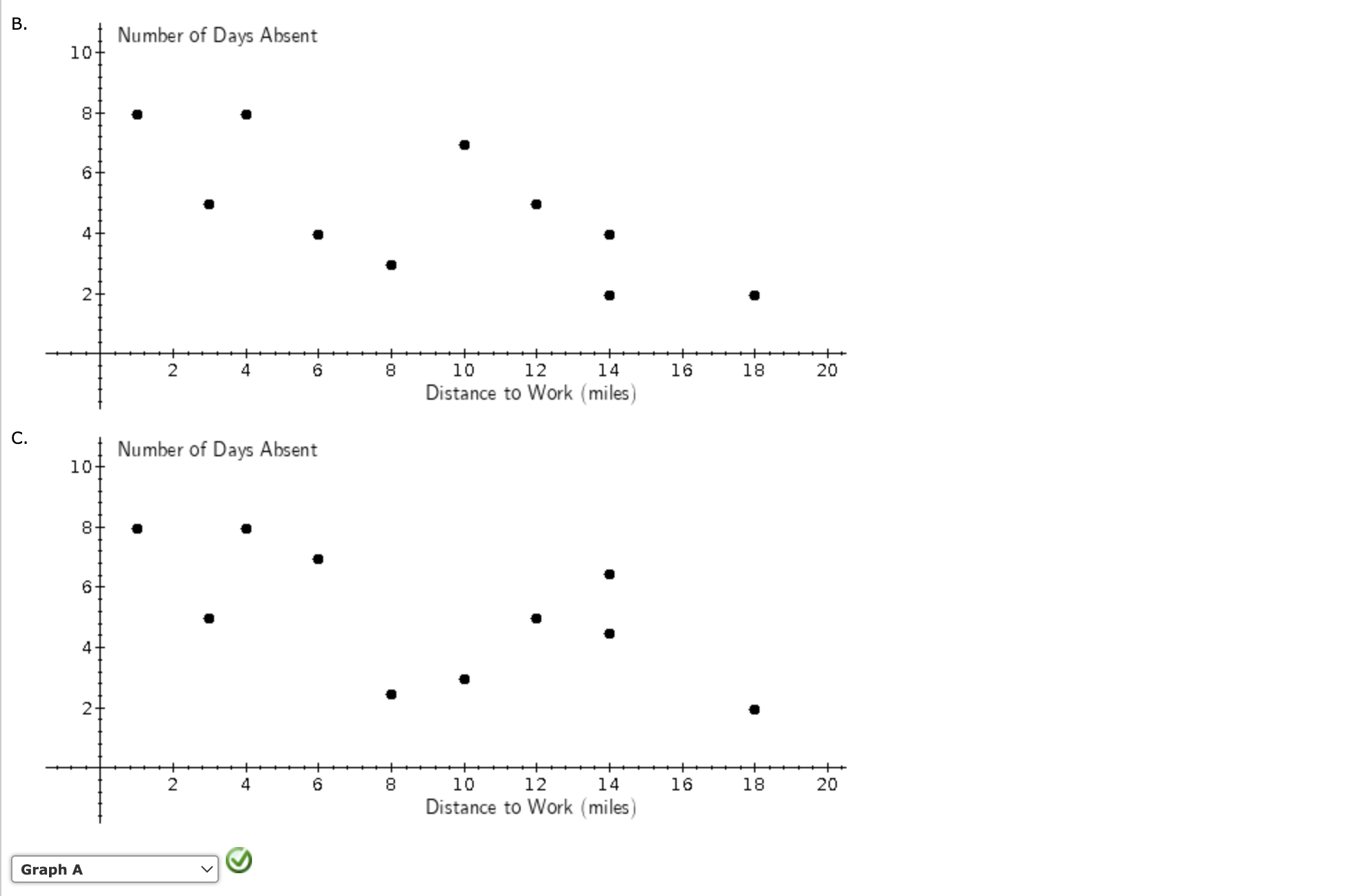
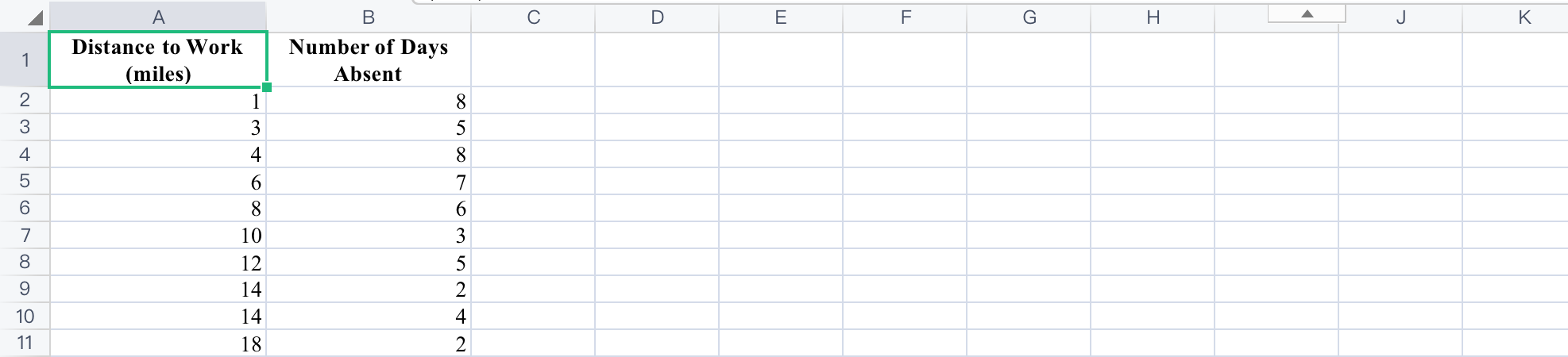
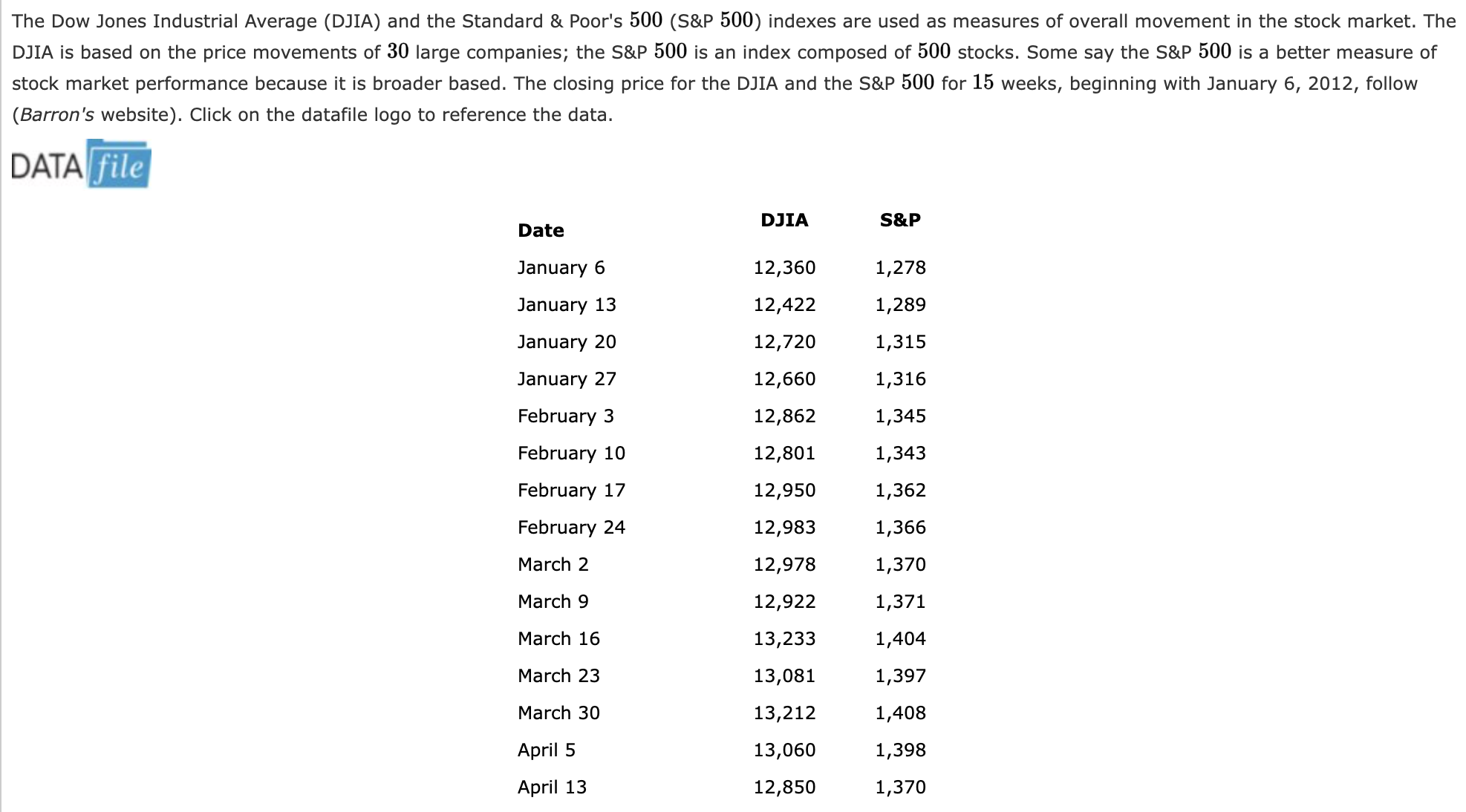
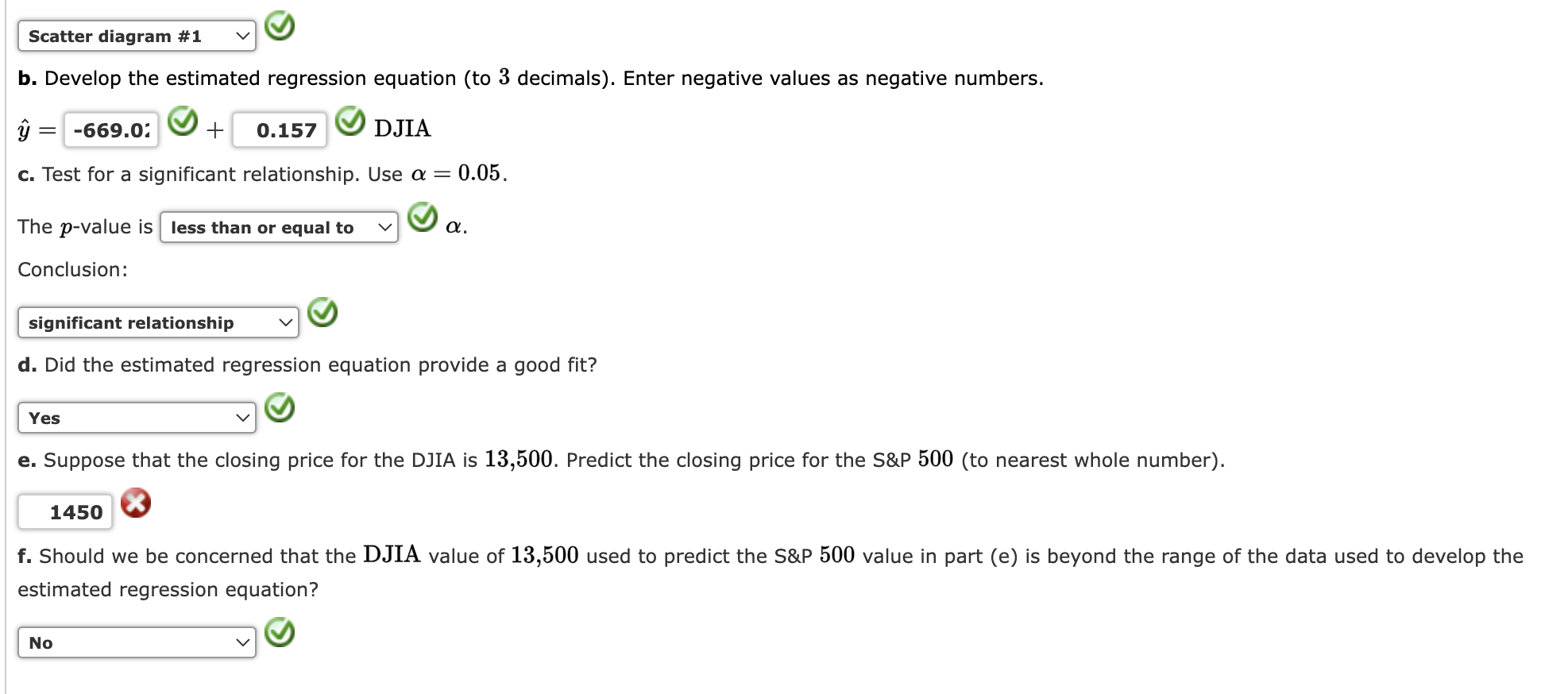
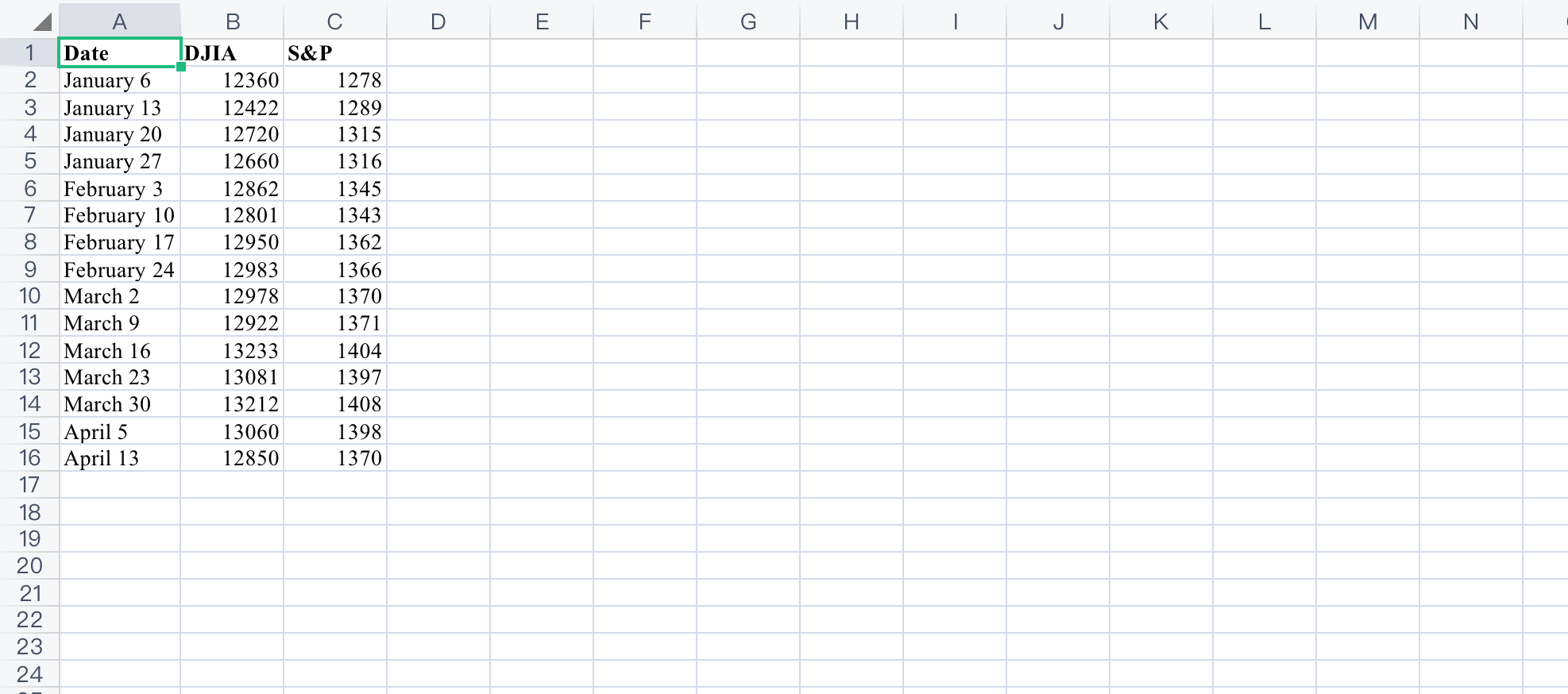
A sales manager collected the following data on annual sales for new customer accounts and the number of years of experience for a sample of 10 salespersons. Click on the datafile logo to reference the data. DATAr Years of Annual Sales Salesperson Experience ($10005) 1 1 80 2 3 97 3 4 92 4 4 102 5 6 103 6 8 11 1 7 10 119 8 10 123 9 11 117 10 13 136 a. Choose the correct scatter diagram for these data with years of experience as the independent variable. A. 140 Annual Sales ($1000s) 120 +100 +80 +60 +40 +20 Years of Experience 4 10 12 14 B. $140 Annual Sales ($1000s) -120 -100 +80 . -60 +40 +20 Years of Experience 4 9 8 10 12 14C. 140 Annual Sales ($1000s) +120 -100 +80 +60 +40 +20 Years of Experience 4 6 10 12 14 B b. Develop an estimated regression equation that can be used to predict annual sales given the years of experience. Compute b1 and bo (to the nearest whole number). b1 bo 80 Complete the estimated regression equation below. y = 80 + 4B vw b. Develop an estimated regression equation that can be used to predict annual sales given the years of experience. Compute b1 and be (to the nearest whole number). b1 4 \"9 b0 80 \\'9 Complete the estimated regression equation below. 80 @+ 4&1: =3, II c. Use the estimated regression equation to predict annual sales for a salesperson with 9 years of experience (to the nearest whole number). $ 116 0 \fDavid's Landscaping has collected data on home values (in thousands of $) and expenditures (in thousands of $) on landscaping with the hope of developing a predictive model to help marketing to potential new clients. Data for 14 households may be found in the file Landscape. Click on the datafile logo to reference the data. DATA file If required, enter negative values as negative numbers. a. Select a scatter diagram with home value as the independent variable. A. Landscape Expenditures ($1000 ) 20 15 10 . 5 Home Value ($1000) 200 400 600 800\fC. Landscape Expenditures l$1000i - I 20 .I . I 15 g I C I C 10 . I C Home Value i$1000i 290 490 690 890 w b. What does the scatter plot developed in part (a) indicate about the relationship between the two variables? The scatter diagram indicates a w linear relationship between the two variables. c. Use the least squares method to develop the estimated regression equation (to 5 decimals). i 17: 0.0214 0m+ 6.3165. 0 d. For every additional $1000 in home value, estimate how much additional will be spent on landscaping (to 2 decimals). $ 27.80 0 e. Use the equation estimated in part (c) to predict the landscaping expenditures for a home valued at $575,000 (to the nearest whole number). $ 12357 0 \fA large city hospital conducted a study to investigate the relationship between the number of unauthorized days that employees are absent per year and the distance (miles) between home and work for the employees. A sample of 10 employees was selected and the following data were collected. Excel file: data 1413.xlsx Distance to Work Number of Days (miles) Absent 1 8 3 5 4 8 6 7 8 6 10 3 12 5 14 2 14 4 18 2 If required, enter negative values as negative numbers. a. Select the correct scatter diagram for these data. A' Number of Days Absent 10 B I I I 6 I I I 4 I I 2 I I 2 4 6 B 10 12 14 16 18 20 Distance to Work {mileSI B. 104 Number of Days Absent 8+ 4+ 2+ 6 8 10 12 14 16 18 20 Distance to Work (miles) C. 104 Number of Days Absent 8+ 6+ 4- 2- 2 4 + 6 8 10 12 14 16 18 20 Distance to Work (miles) Graph ADoes a linear relationship appear reasonable? 9 b. Develop the least squares estimated regression equation that relates the distance to work to the number of days absent (to 4 decimals). 3): 8.0978 9+ 0.3442 0:1: c. Predict the number of days absent for an employee that lives 5 miles from the hospital (to nearest whole number). 6 9 days \fThe Dow Jones Industrial Average (DJIA) and the Standard & Poor's 500 (S&P 500) indexes are used as measures of overall movement in the stock market. The DJIA is based on the price movements of 30 large companies; the S&P 500 is an index composed of 500 stocks. Some say the S&P 500 is a better measure of stock market performance because it is broader based. The closing price for the DJIA and the S&P 500 for 15 weeks, beginning with January 6, 2012, follow (Barron's website). Click on the datafile logo to reference the data. DATA file Date DJIA S&P January 6 12,360 1,278 January 13 12,422 1,289 January 20 12,720 1,315 January 27 12,660 1,316 February 3 12,862 1,345 February 10 12,801 1,343 February 17 12,950 1,362 February 24 12,983 1,366 March 2 12,978 1,370 March 9 12,922 1,371 March 16 13,233 1,404 March 23 13,081 1,397 March 30 13,212 1,408 April 5 13,060 1,398 April 13 12,850 1,370Scatter diagram #1 v M b. Develop the estimated regression equation (to 3 decimals). Enter negative values as negative numbers. 37: -669.0: 9+ 0.157 MDJIA c. Test for a significant relationship. Use a = 0.05. The pValue is less than or equal to v M 0:. Conclusion: significant relationship v M d. Did the estimated regression equation provide a good fit? 9 e. Suppose that the closing price for the DJIA is 13,500. Predict the closing price for the S&P 500 (to nearest whole number). 1450 0 f. Should we be concerned that the DJIA value of 13,500 used to predict the S&P 500 value in part (e) is beyond the range of the data used to develop the estimated regression equation? No vw
Step by Step Solution
There are 3 Steps involved in it

Get step-by-step solutions from verified subject matter experts
 Study Help