Question: Prepare your answer to the questions in your word processing program. Number each question the same as the questions below. Restate the question. Give complete
Prepare your answer to the questions in your word processing program.
Number each question the same as the questions below.
Restate the question.
Give complete answers (minimum 250 words).
Use examples.
Cite the source of your answer.
Submit the file as a word or pdf format only.
all other formats will receive 0 points for the assignment.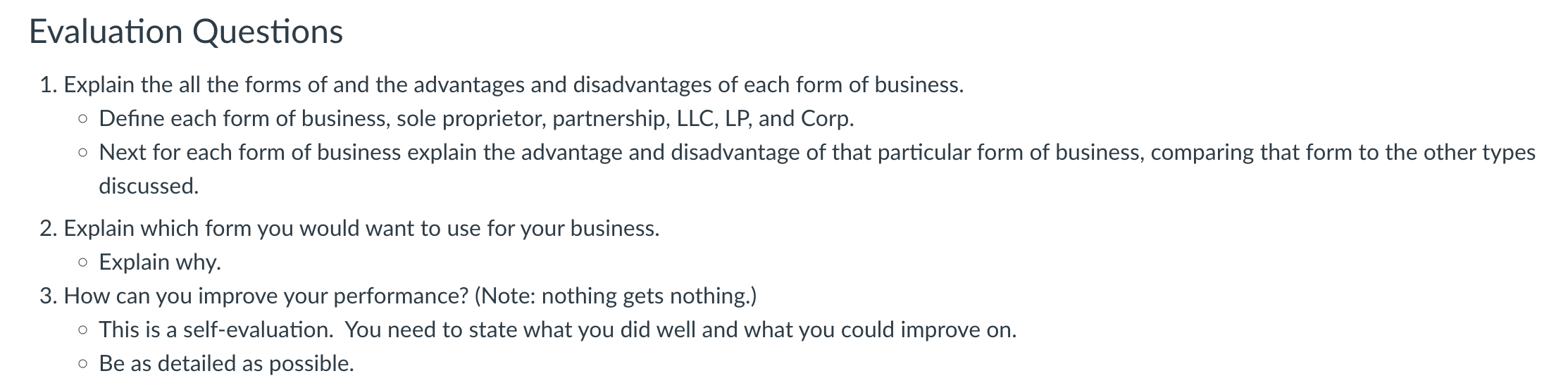
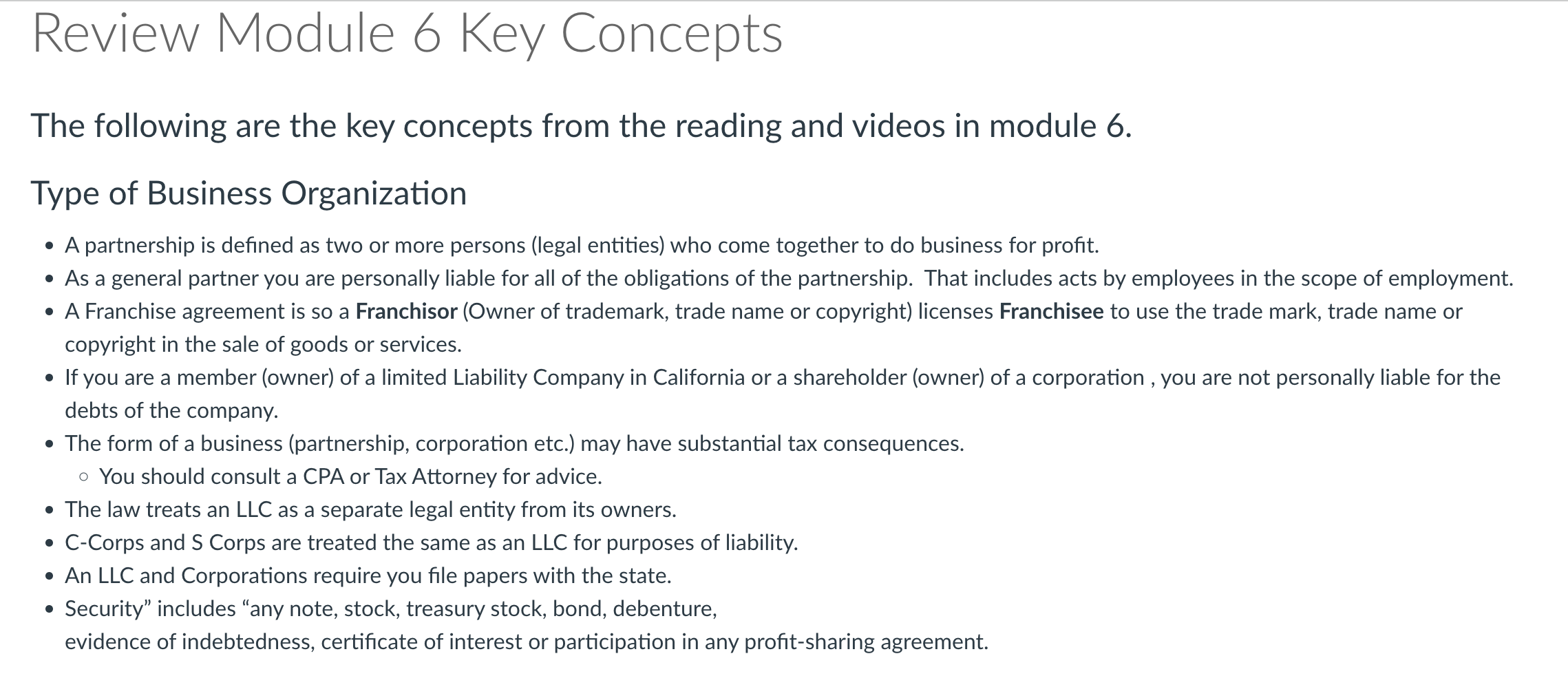
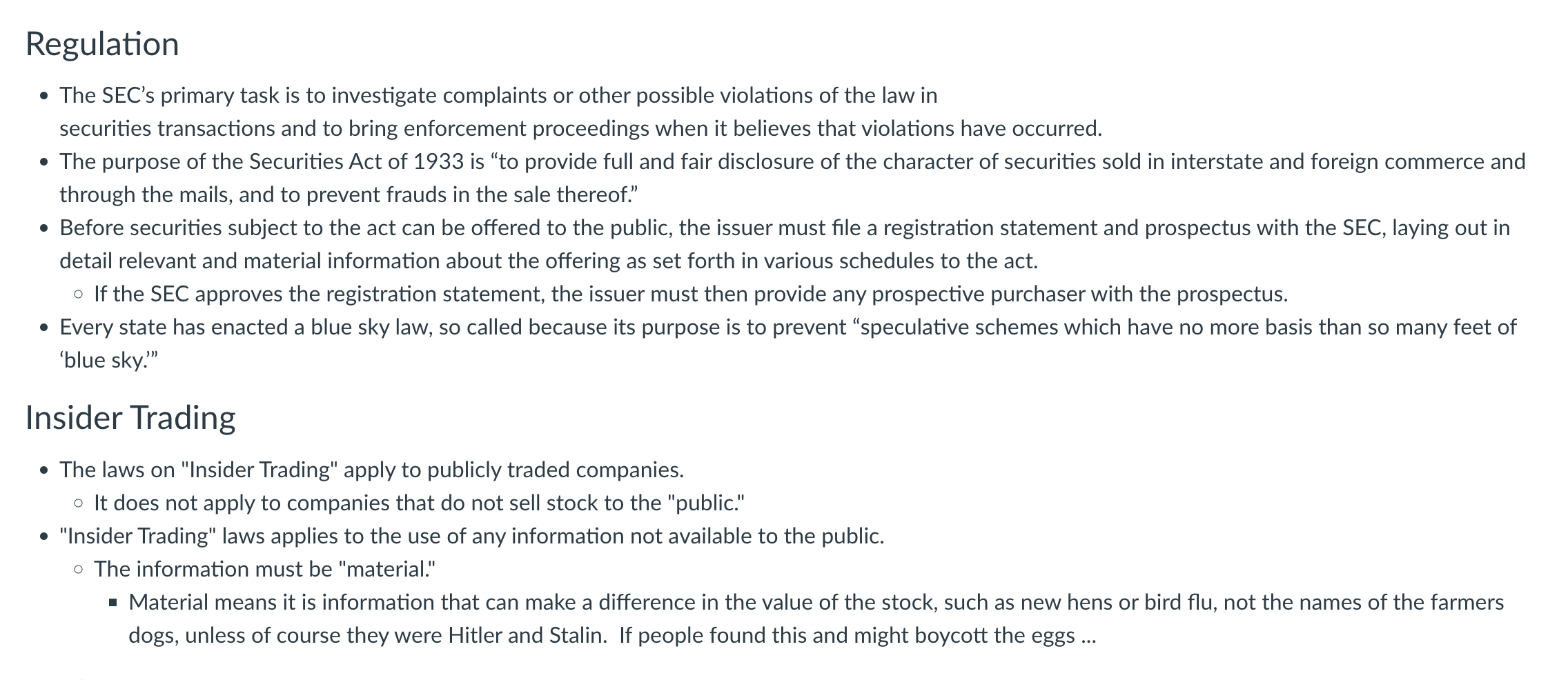
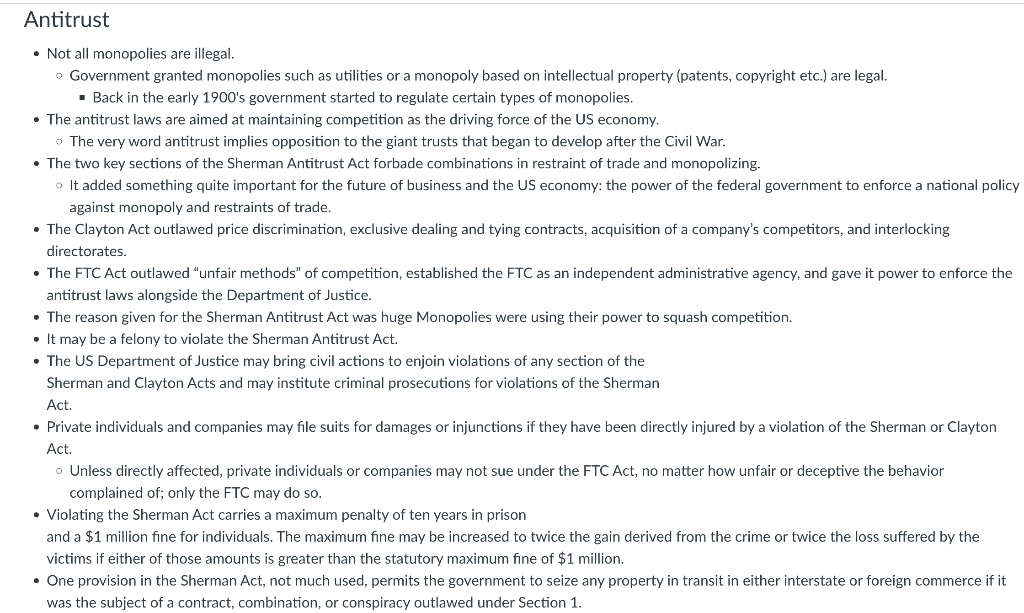
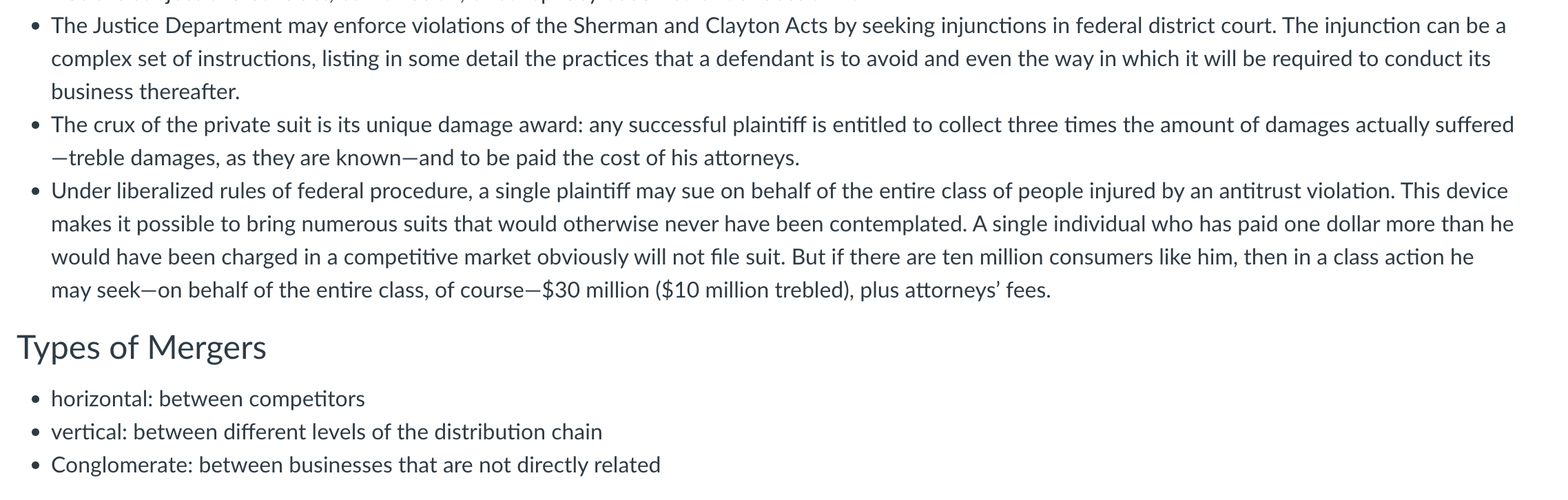
1. Explain the all the forms of and the advantages and disadvantages of each form of business. - Define each form of business, sole proprietor, partnership, LLC, LP, and Corp. - Next for each form of business explain the advantage and disadvantage of that particular form of business, comparing that form to the other types discussed. 2. Explain which form you would want to use for your business. - Explain why. 3. How can you improve your performance? (Note: nothing gets nothing.) - This is a self-evaluation. You need to state what you did well and what you could improve on. - Be as detailed as possible. Review Module 6 Key concepts The following are the key concepts from the reading and videos in module 6. Type of Business Organization - A partnership is defined as two or more persons (legal entities) who come together to do business for profit. - As a general partner you are personally liable for all of the obligations of the partnership. That includes acts by employees in the scope of employmention - A Franchise agreement is so a Franchisor (Owner of trademark, trade name or copyright) licenses Franchisee to use the trade mark, trade name or copyright in the sale of goods or services. - If you are a member (owner) of a limited Liability Company in California or a shareholder (owner) of a corporation , you are not personally liable for the debts of the company. - The form of a business (partnership, corporation etc.) may have substantial tax consequences. - You should consult a CPA or Tax Attorney for advice. - The law treats an LLC as a separate legal entity from its owners. - C-Corps and S Corps are treated the same as an LLC for purposes of liability. - An LLC and Corporations require you file papers with the state. - Security" includes "any note, stock, treasury stock, bond, debenture, evidence of indebtedness, certificate of interest or participation in any profit-sharing agreement. Regulation - The SEC's primary task is to investigate complaints or other possible violations of the law in securities transactions and to bring enforcement proceedings when it believes that violations have occurred. - The purpose of the Securities Act of 1933 is "to provide full and fair disclosure of the character of securities sold in interstate and foreign commerce and through the mails, and to prevent frauds in the sale thereof." - Before securities subject to the act can be offered to the public, the issuer must file a registration statement and prospectus with the SEC, laying out in detail relevant and material information about the offering as set forth in various schedules to the act. - If the SEC approves the registration statement, the issuer must then provide any prospective purchaser with the prospectus. - Every state has enacted a blue sky law, so called because its purpose is to prevent "speculative schemes which have no more basis than so many feet of 'blue sky."' Insider Trading - The laws on "Insider Trading" apply to publicly traded companies. - It does not apply to companies that do not sell stock to the "public." - "Insider Trading" laws applies to the use of any information not available to the public. - The information must be "material." - Material means it is information that can make a difference in the value of the stock, such as new hens or bird flu, not the names of the farmers dogs, unless of course they were Hitler and Stalin. If people found this and might boycott the eggs ... - Not all monopolies are illegal. Government granted monopolies such as utilities or a monopoly based on intellectual property (patents, copyright etc.) are legal. - Back in the early 1900's government started to regulate certain types of monopolies. - The antitrust laws are aimed at maintaining competition as the driving force of the US economy. - The very word antitrust implies opposition to the giant trusts that began to develop after the Civil War. - The two key sections of the Sherman Antitrust Act forbade combinations in restraint of trade and monopolizing. It added something quite important for the future of business and the US economy: the power of the federal government to enforce a national policy against monopoly and restraints of trade. - The Clayton Act outlawed price discrimination, exclusive dealing and tying contracts, acquisition of a company's competitors, and interlocking directorates. - The FTC Act outlawed "unfair methods" of competition, established the FTC as an independent administrative agency, and gave it power to enforce the antitrust laws alongside the Department of Justice. - The reason given for the Sherman Antitrust Act was huge Monopolies were using their power to squash competition. - It may be a felony to violate the Sherman Antitrust Act. - The US Department of Justice may bring civil actions to enjoin violations of any section of the Sherman and Clayton Acts and may institute criminal prosecutions for violations of the Sherman Act. - Private individuals and companies may file suits for damages or injunctions if they have been directly injured by a violation of the Sherman or Clayton Act. Unless directly affected, private individuals or companies may not sue under the FTC Act, no matter how unfair or deceptive the behavior complained of; only the FTC may do so. - Violating the Sherman Act carries a maximum penalty of ten years in prison and a $1 million fine for individuals. The maximum fine may be increased to twice the gain derived from the crime or twice the loss suffered by the victims if either of those amounts is greater than the statutory maximum fine of $1 million. - One provision in the Sherman Act, not much used, permits the government to seize any property in transit in either interstate or foreign commerce if it was the subject of a contract, combination, or conspiracy outlawed under Section 1. - The Justice Department may enforce violations of the Sherman and Clayton Acts by seeking injunctions in federal district court. The injunction can be a complex set of instructions, listing in some detail the practices that a defendant is to avoid and even the way in which it will be required to conduct its business thereafter. - The crux of the private suit is its unique damage award: any successful plaintiff is entitled to collect three times the amount of damages actually suffered -treble damages, as they are known-and to be paid the cost of his attorneys. - Under liberalized rules of federal procedure, a single plaintiff may sue on behalf of the entire class of people injured by an antitrust violation. This device makes it possible to bring numerous suits that would otherwise never have been contemplated. A single individual who has paid one dollar more than he would have been charged in a competitive market obviously will not file suit. But if there are ten million consumers like him, then in a class action he may seek-on behalf of the entire class, of course- $30 million (\$10 million trebled), plus attorneys' fees. Types of Mergers - horizontal: between competitors - vertical: between different levels of the distribution chain - Conglomerate: between businesses that are not directly related









 Study Help