Question: Question : What will you do with/for students who do not reach mastery? In the light of the moon a little egg lay on a
Question: What will you do with/for students who do not reach mastery?


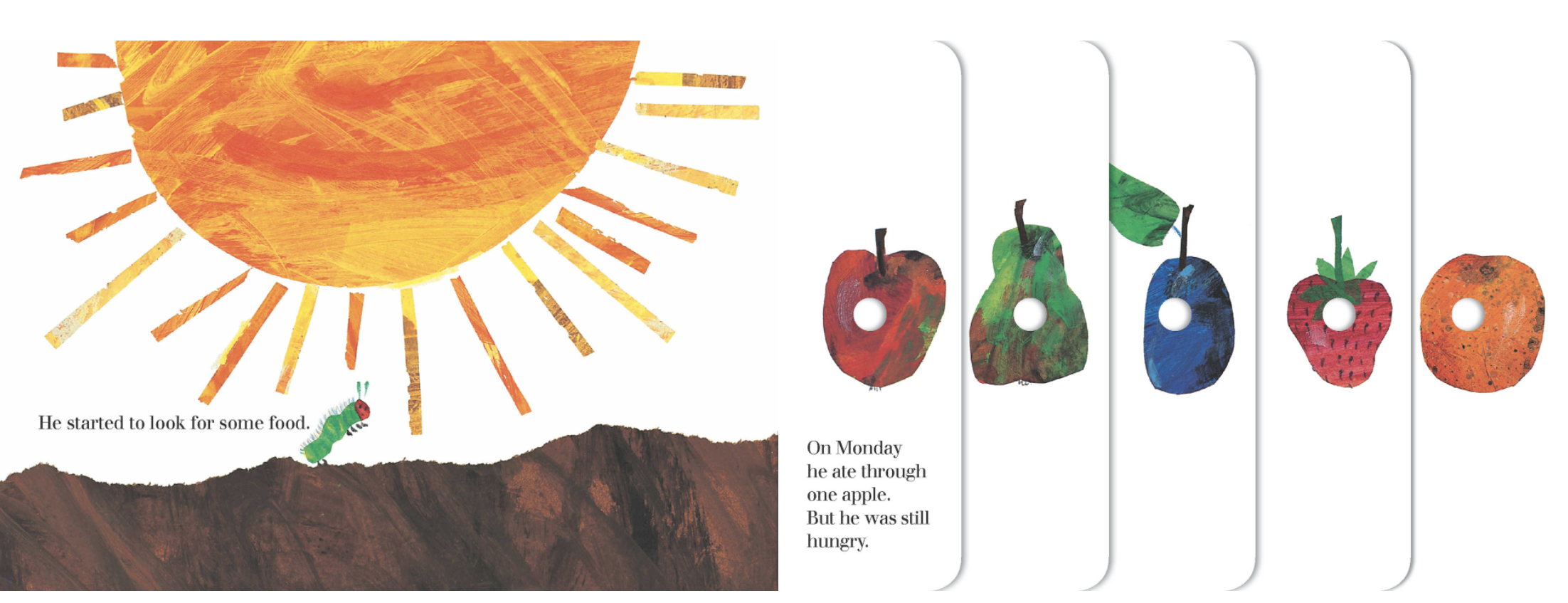
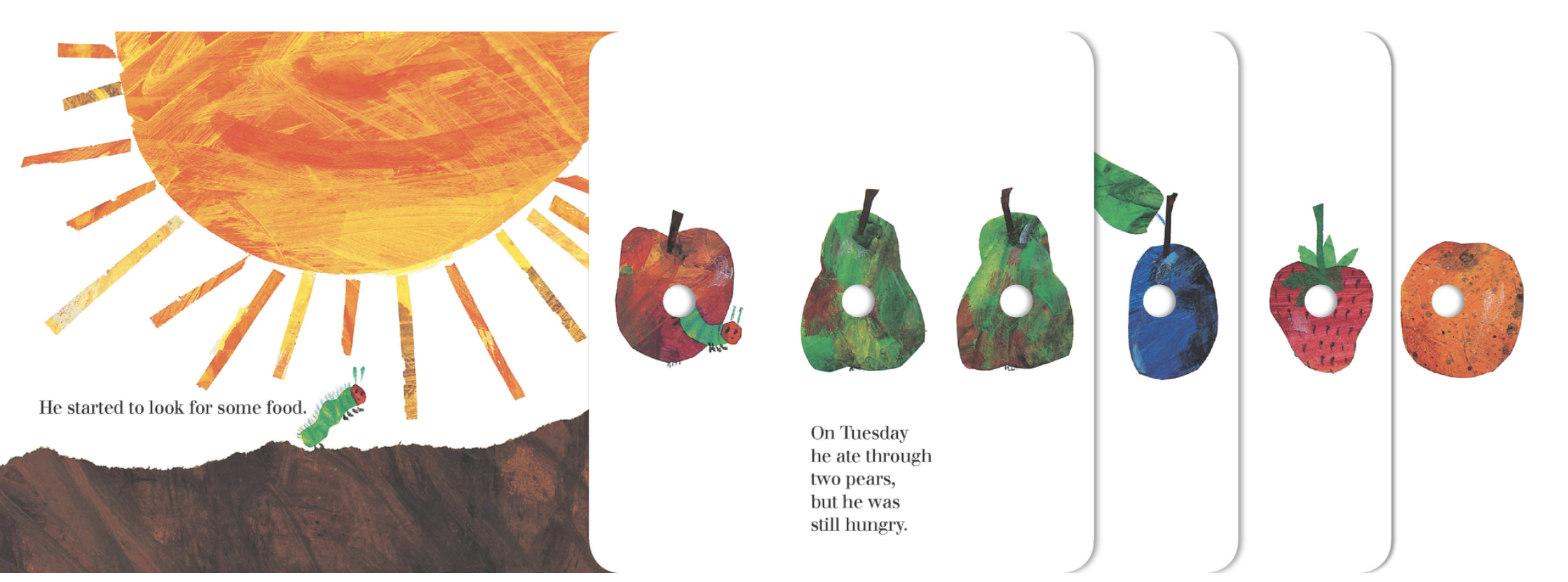
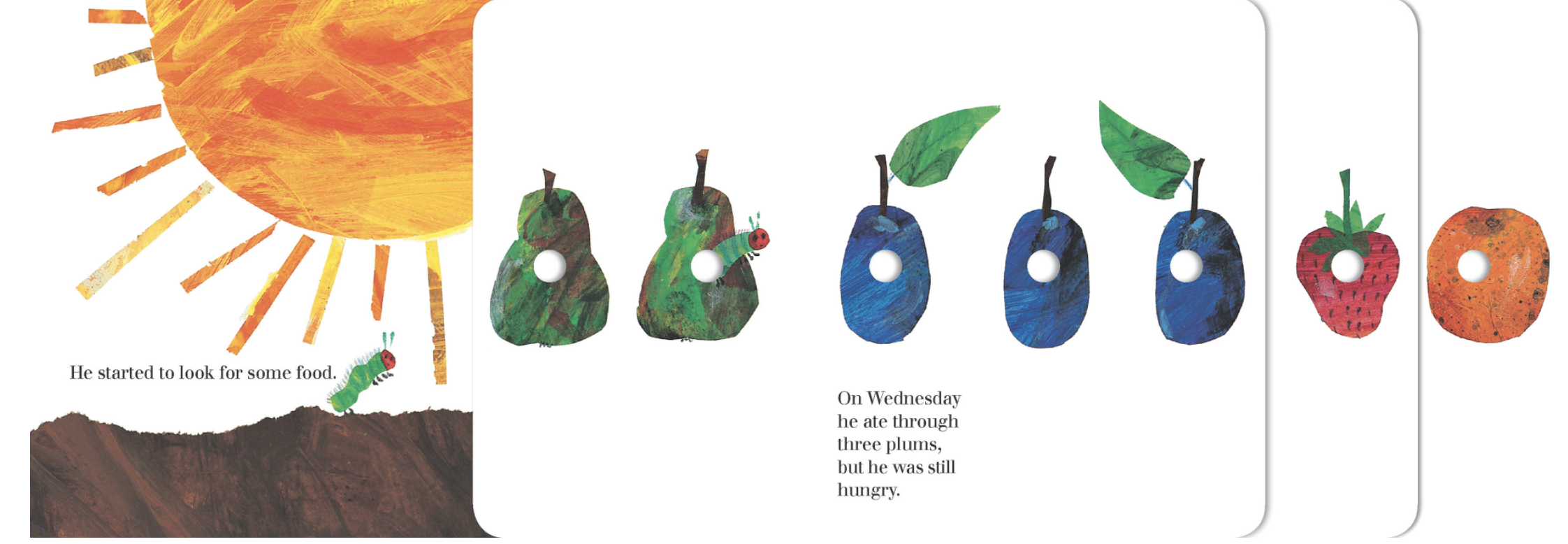
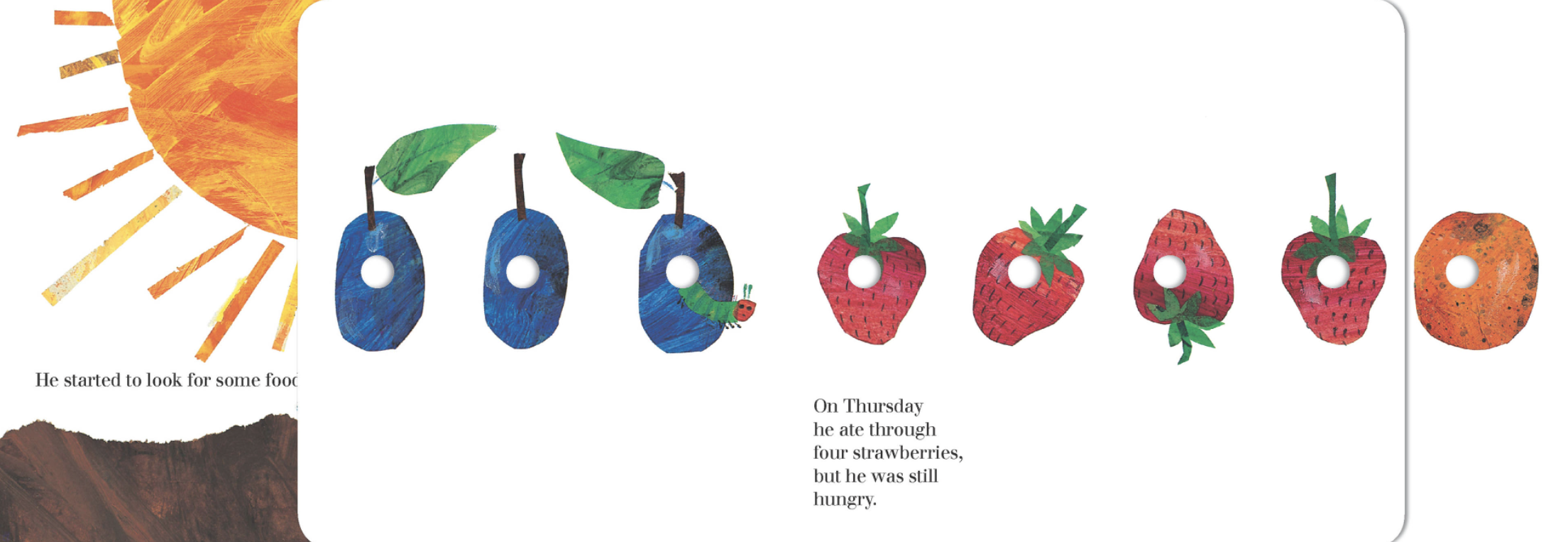
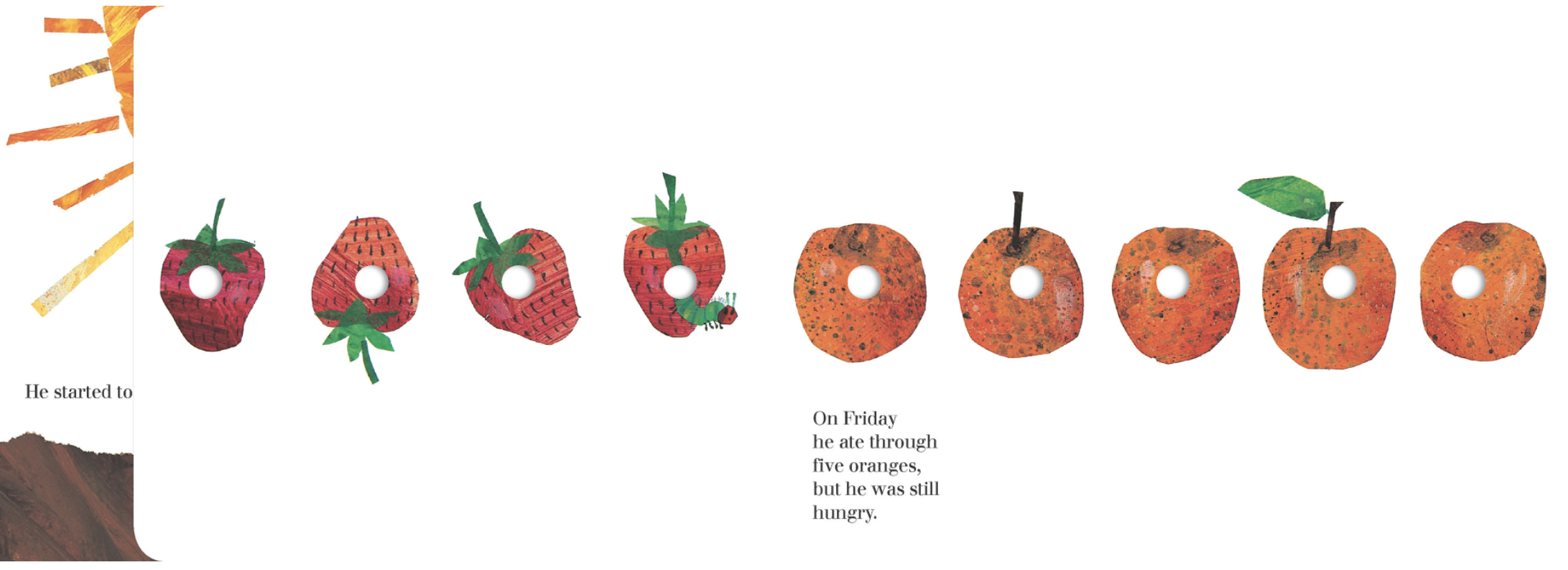
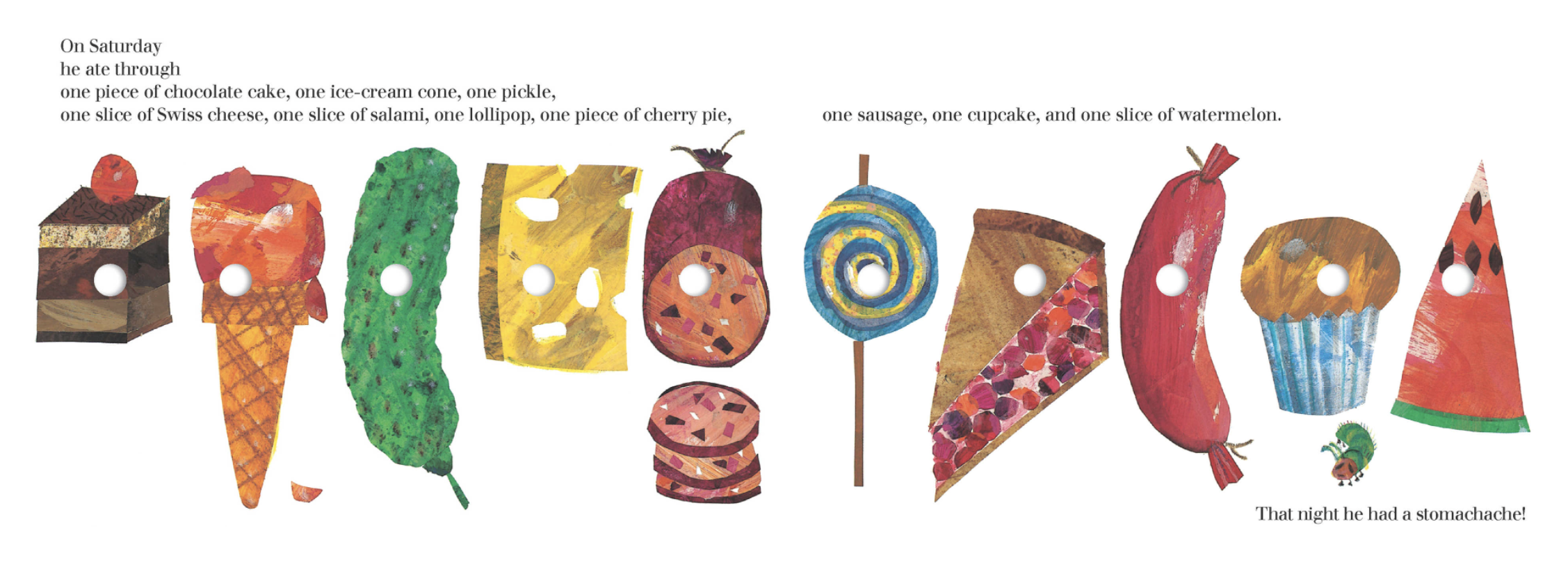
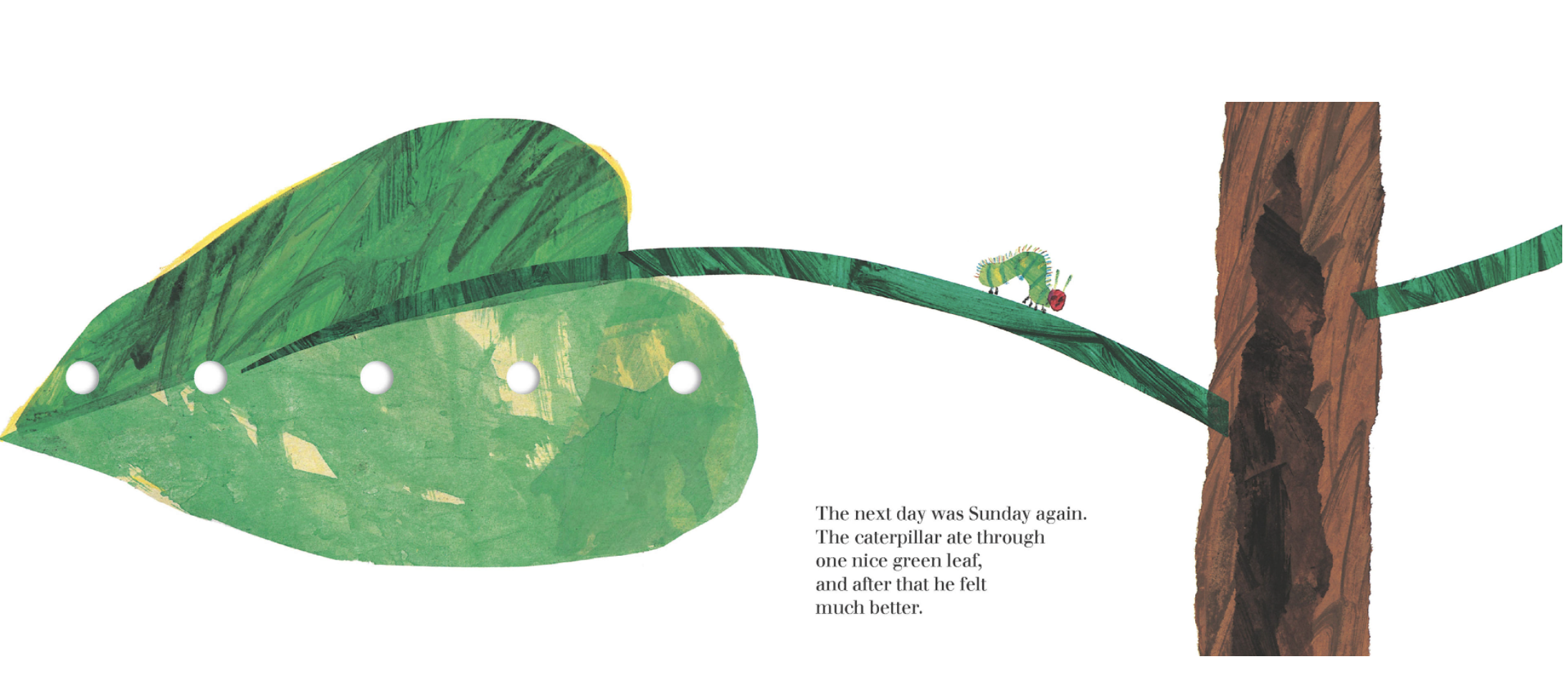
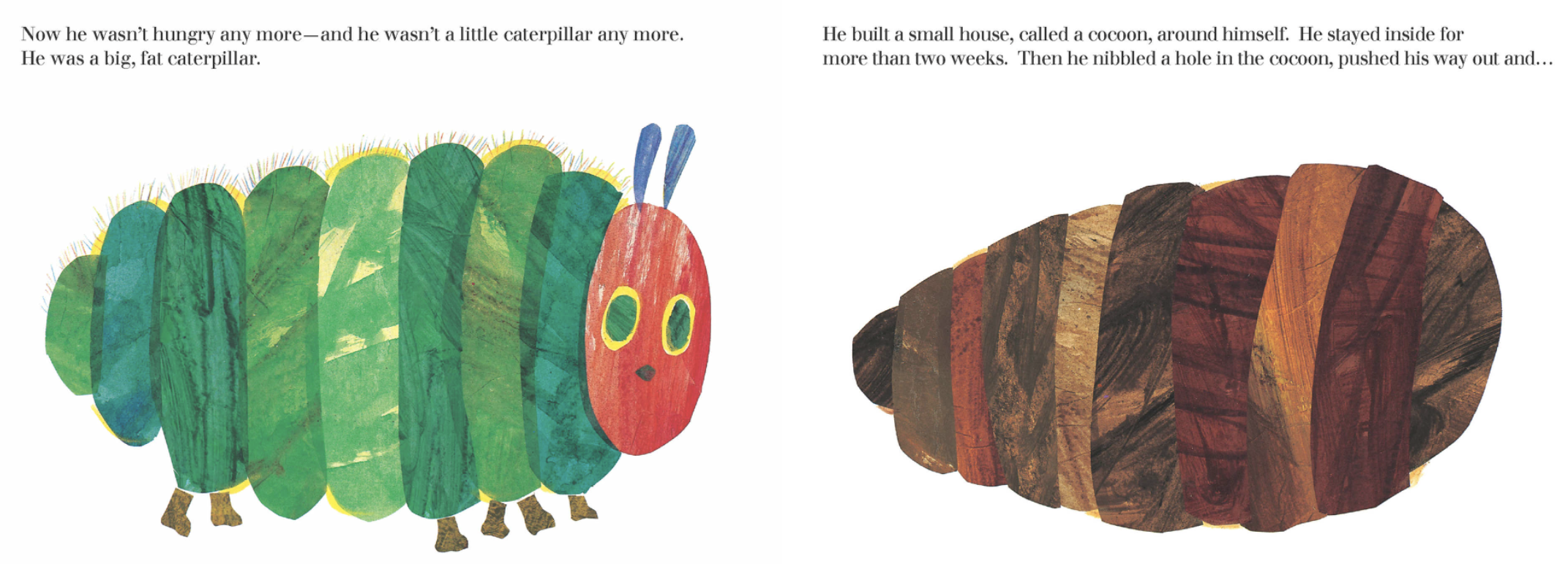
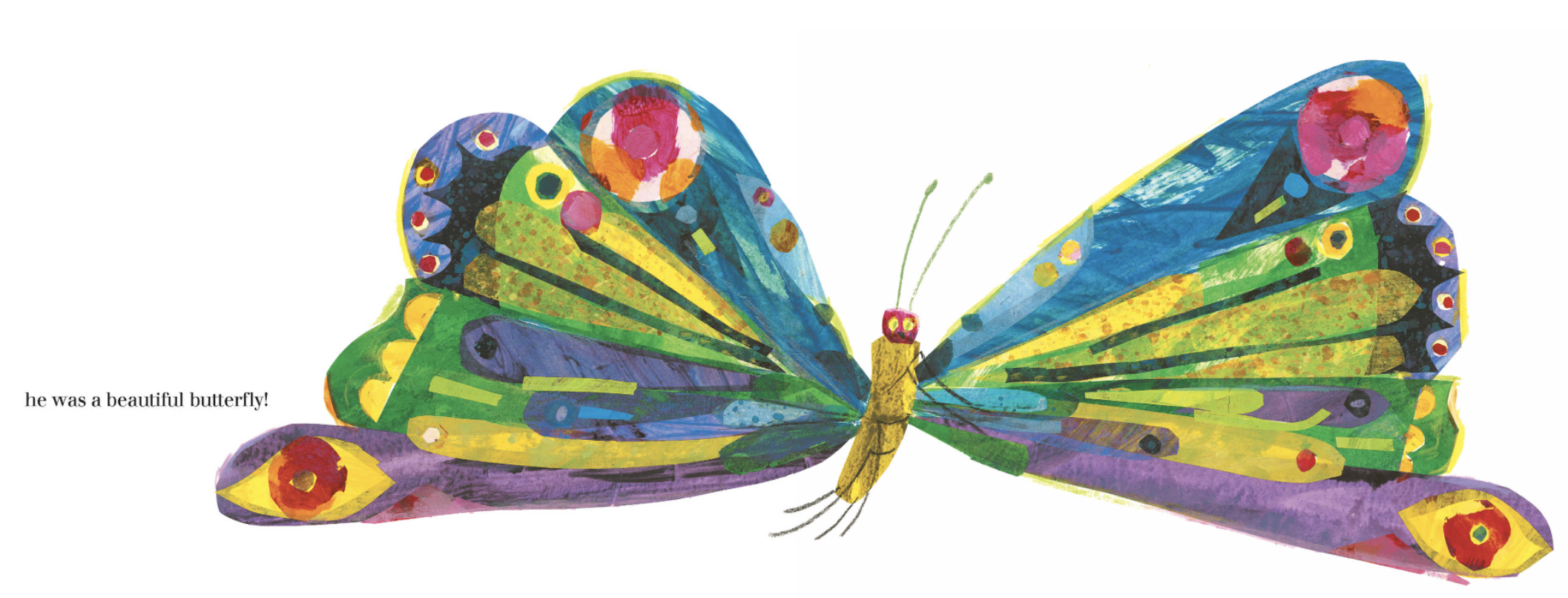
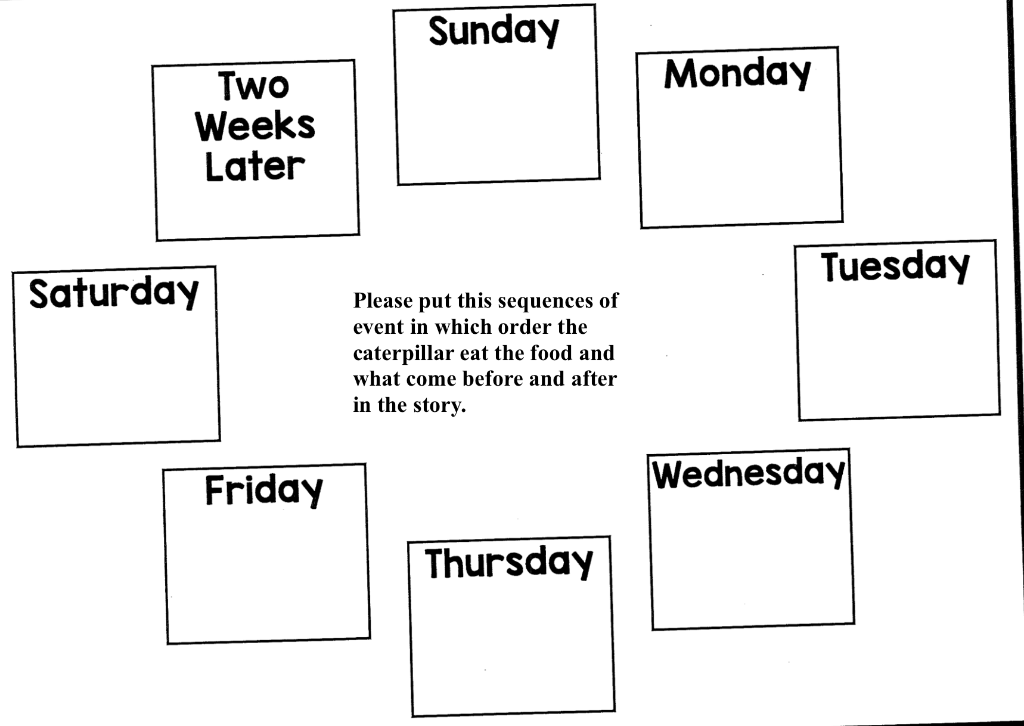
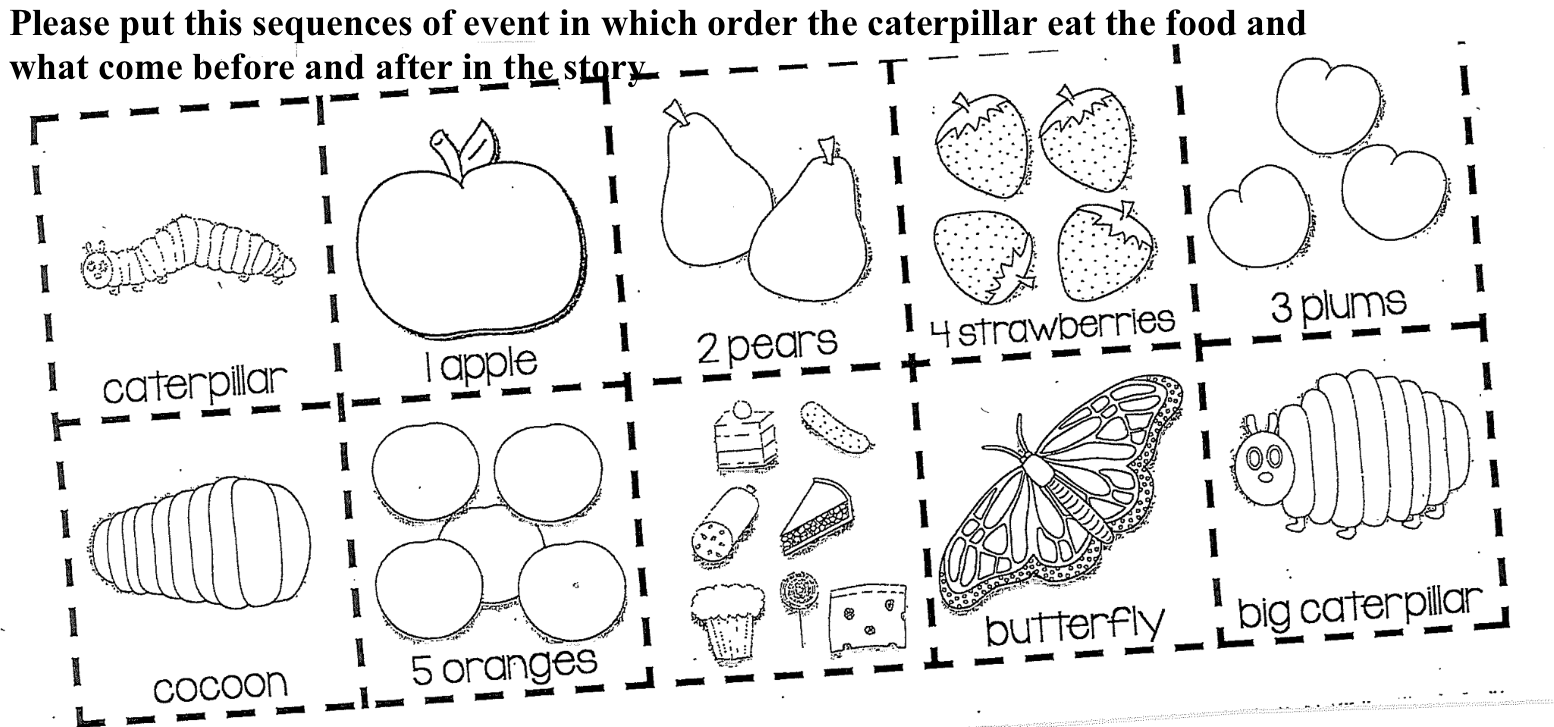
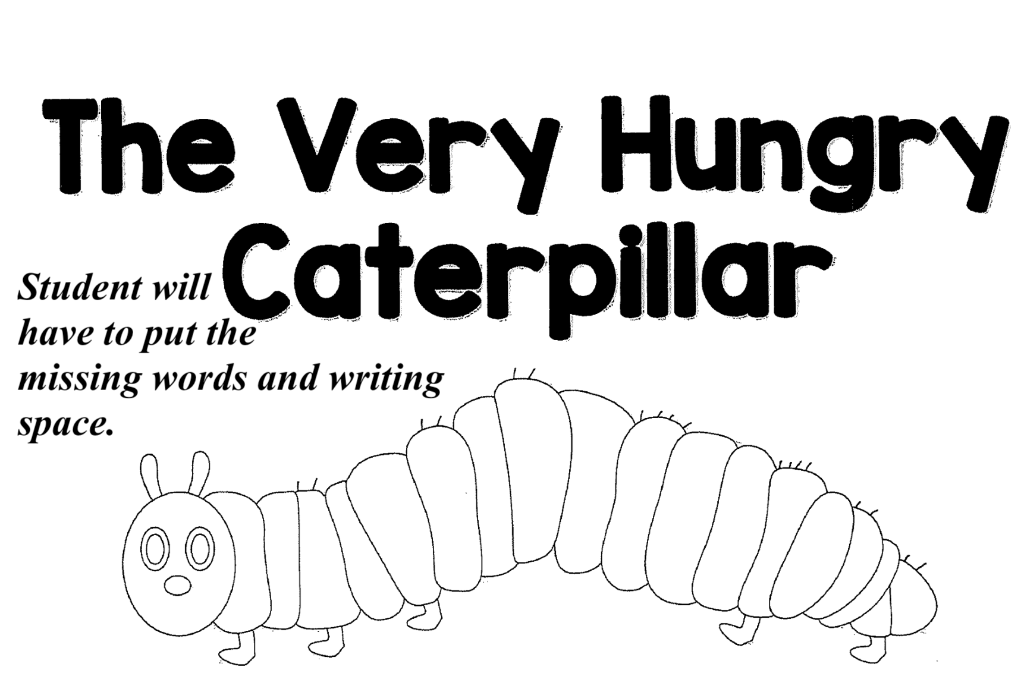
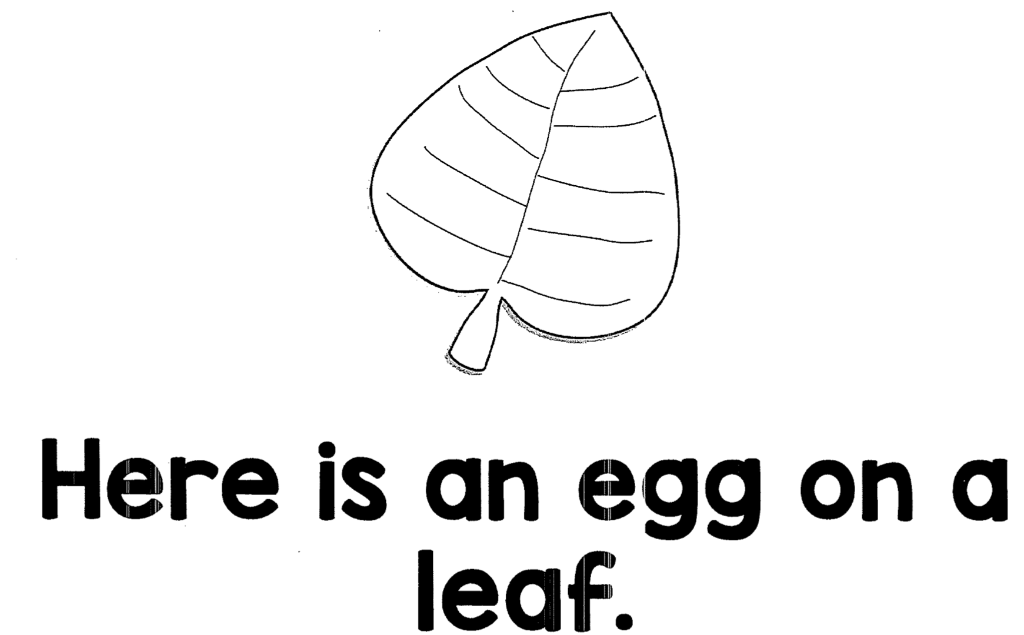
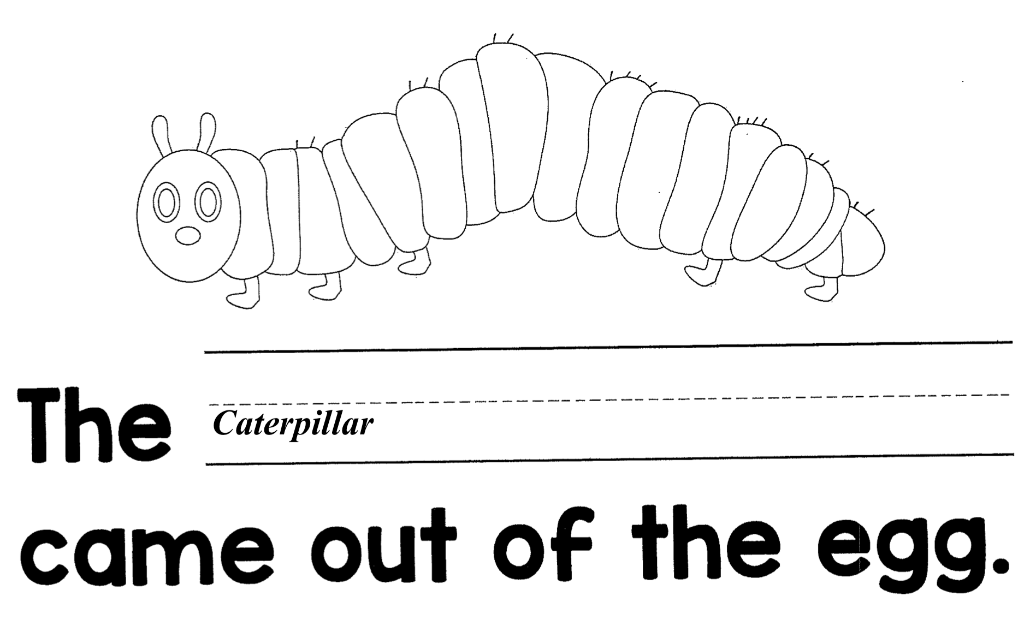
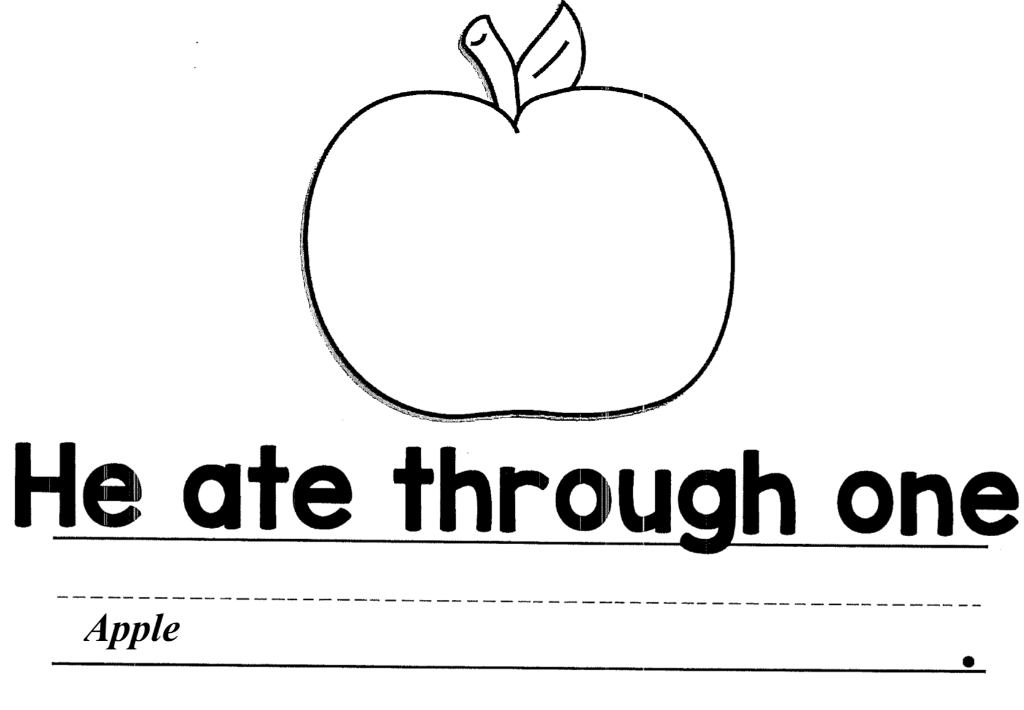
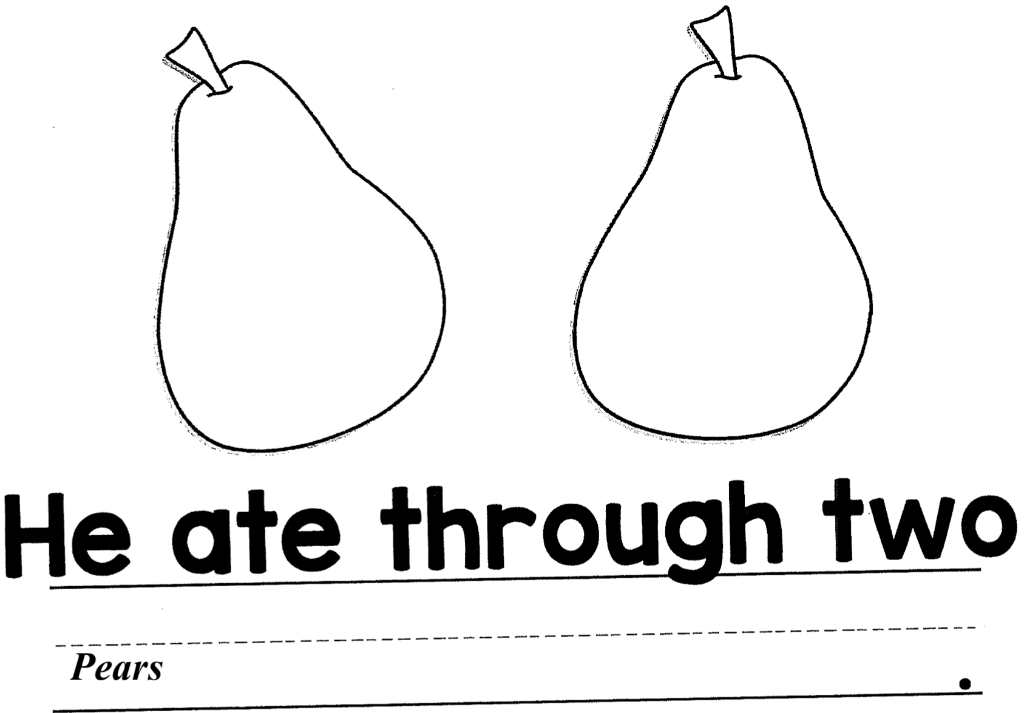
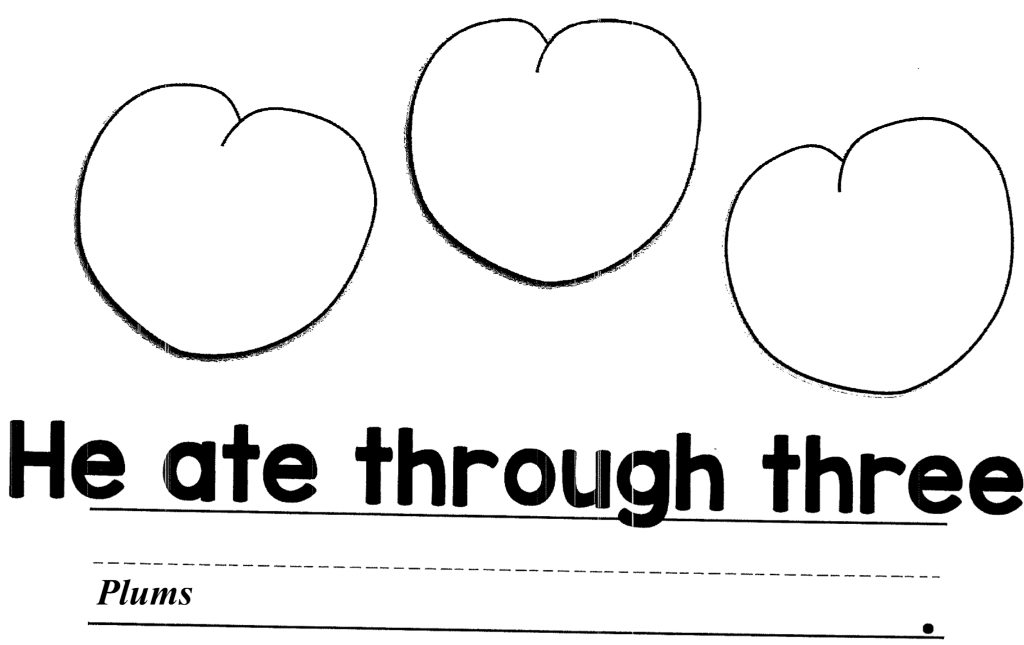
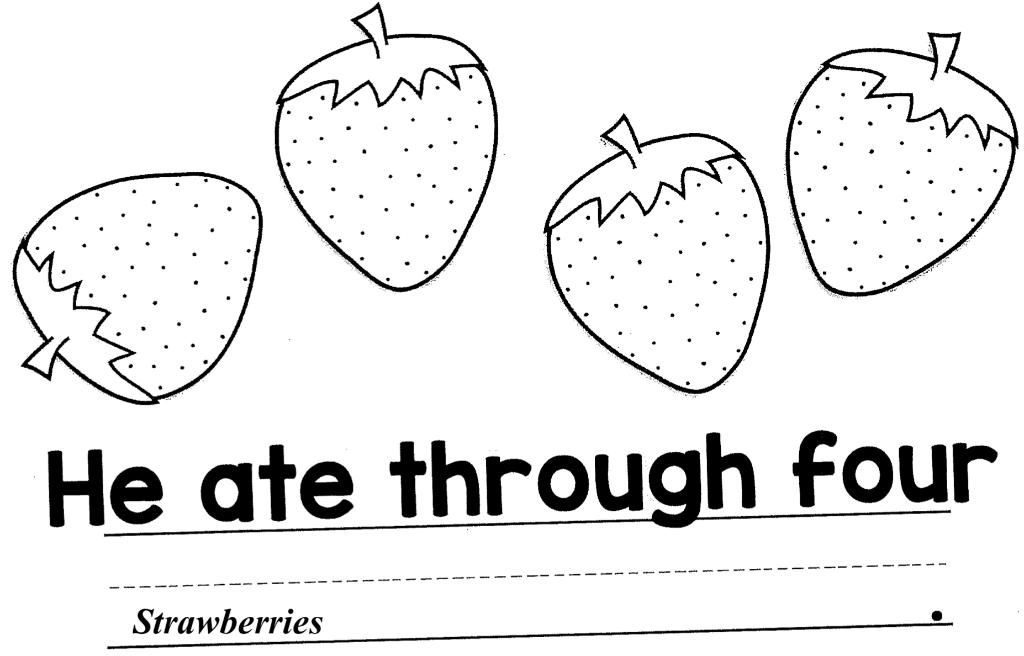
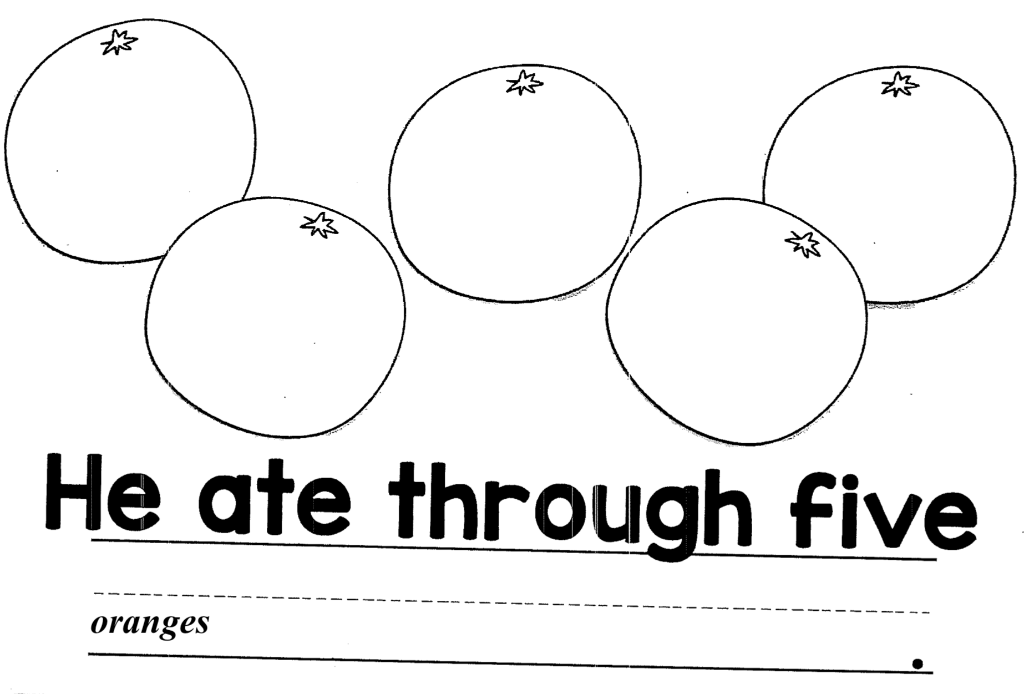
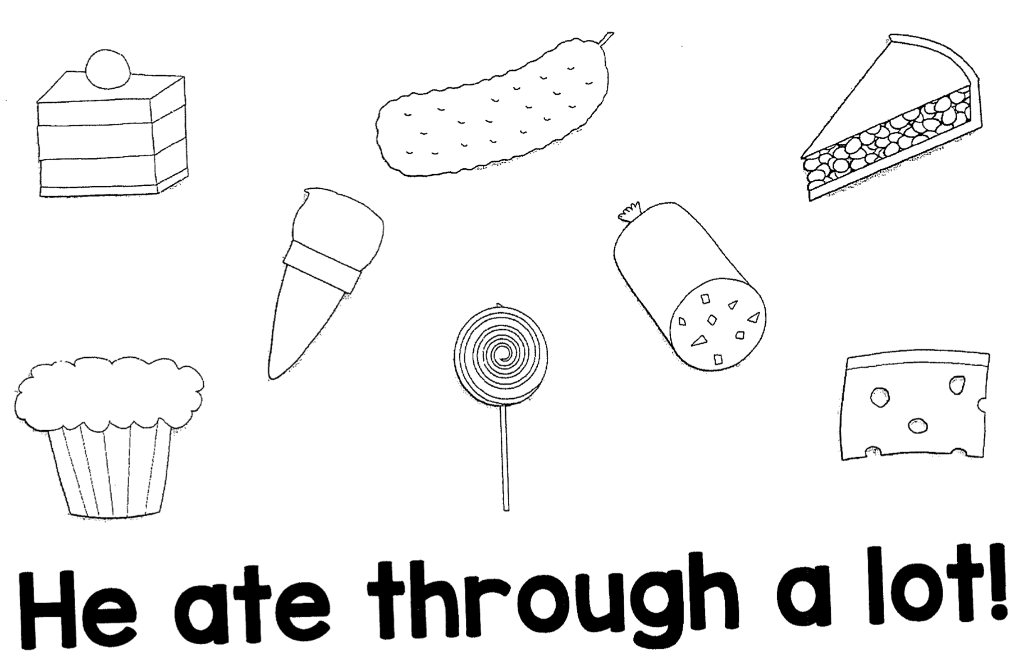
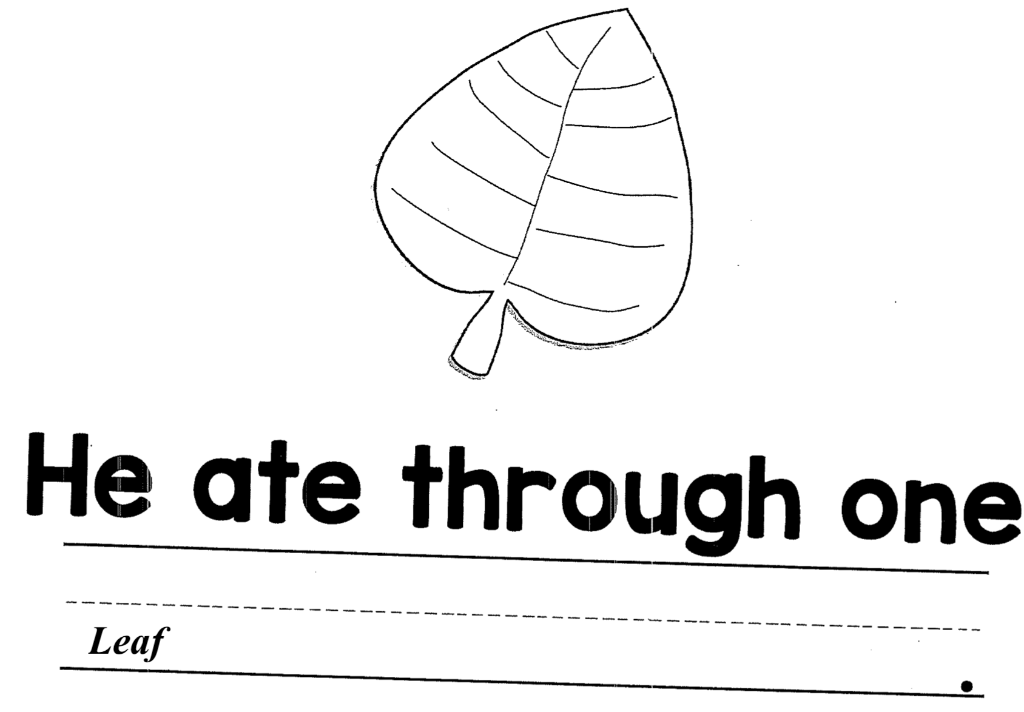
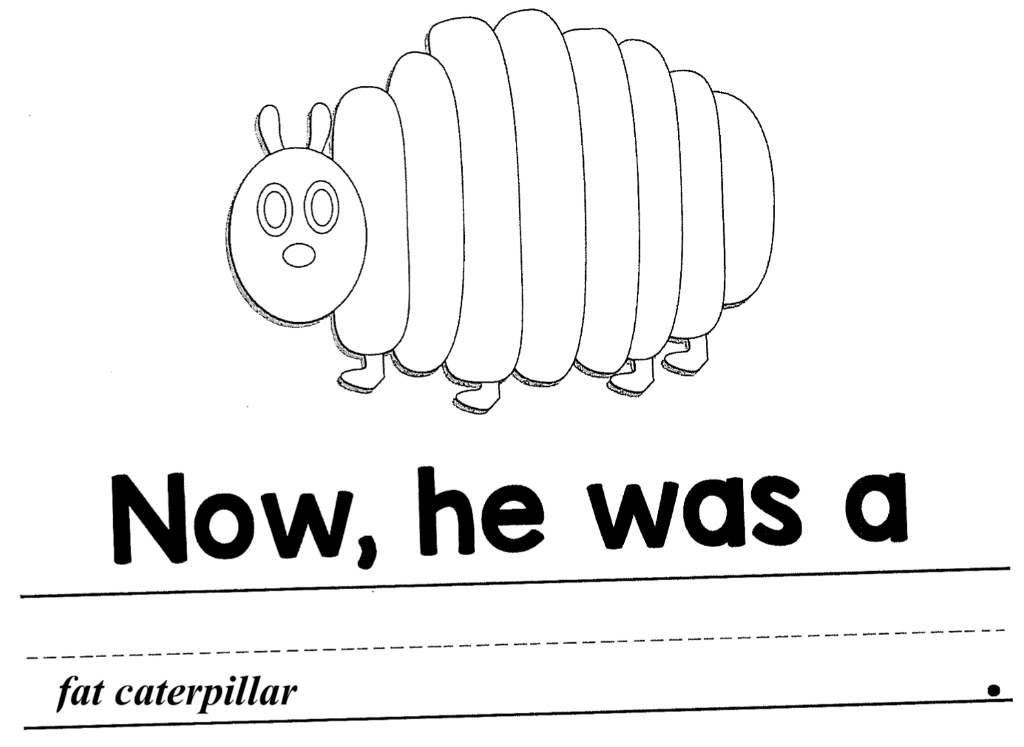
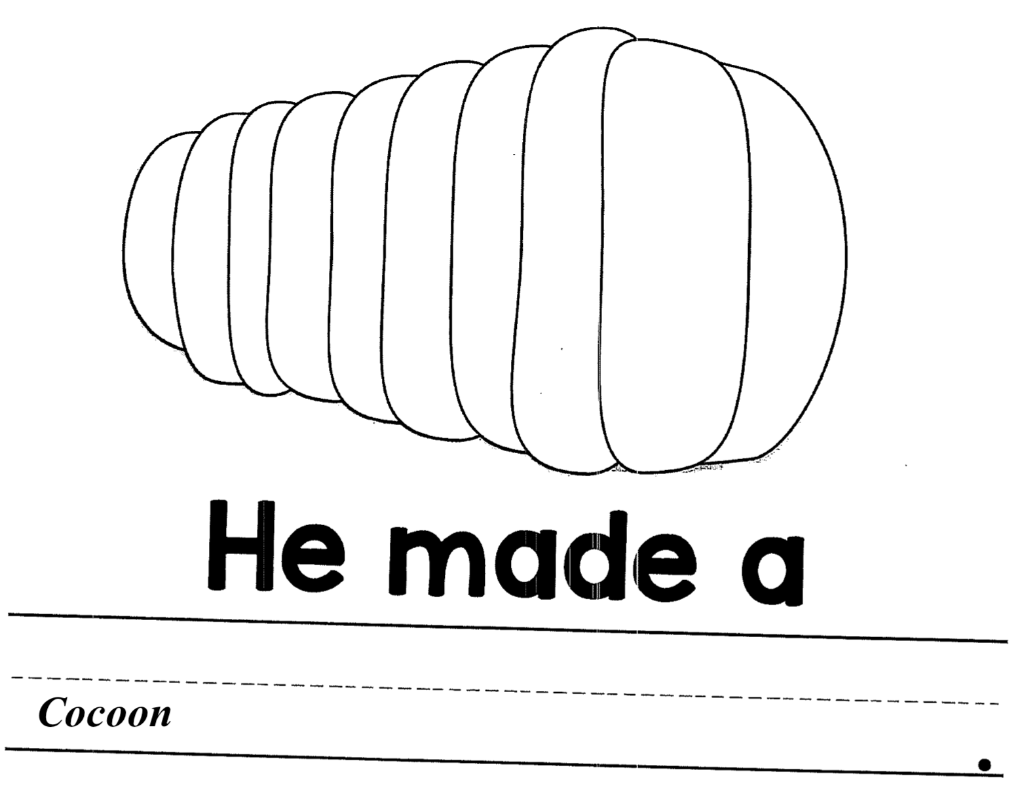
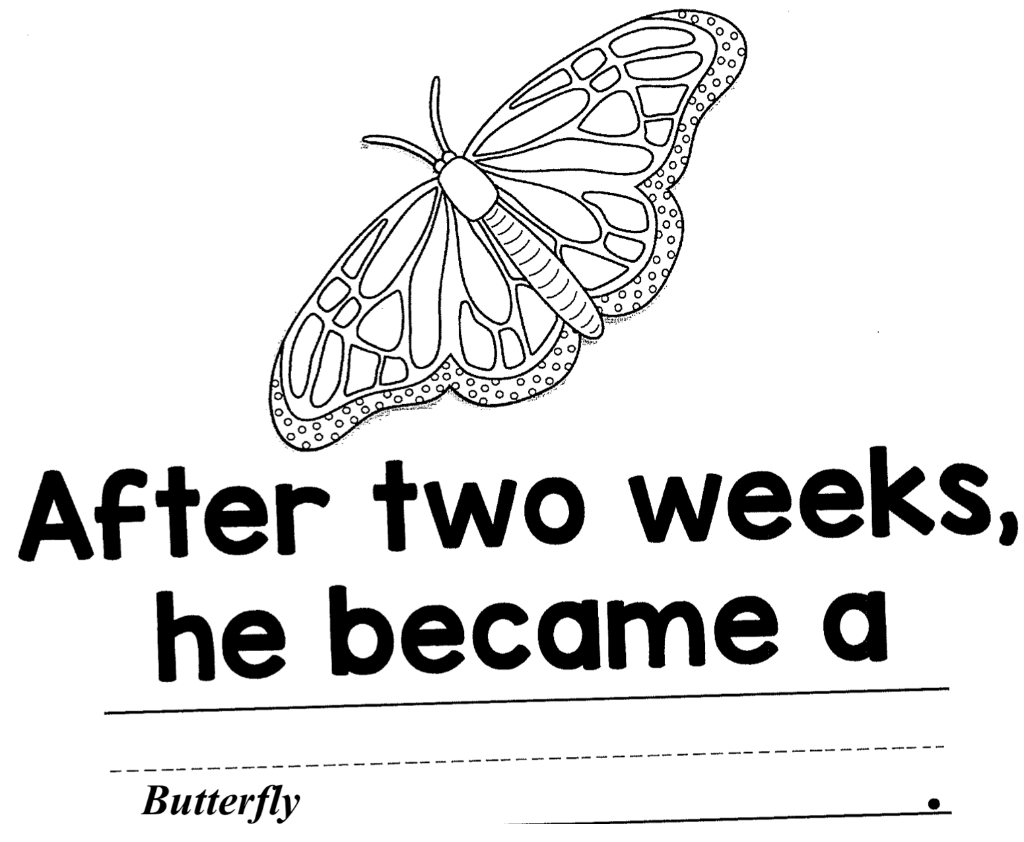
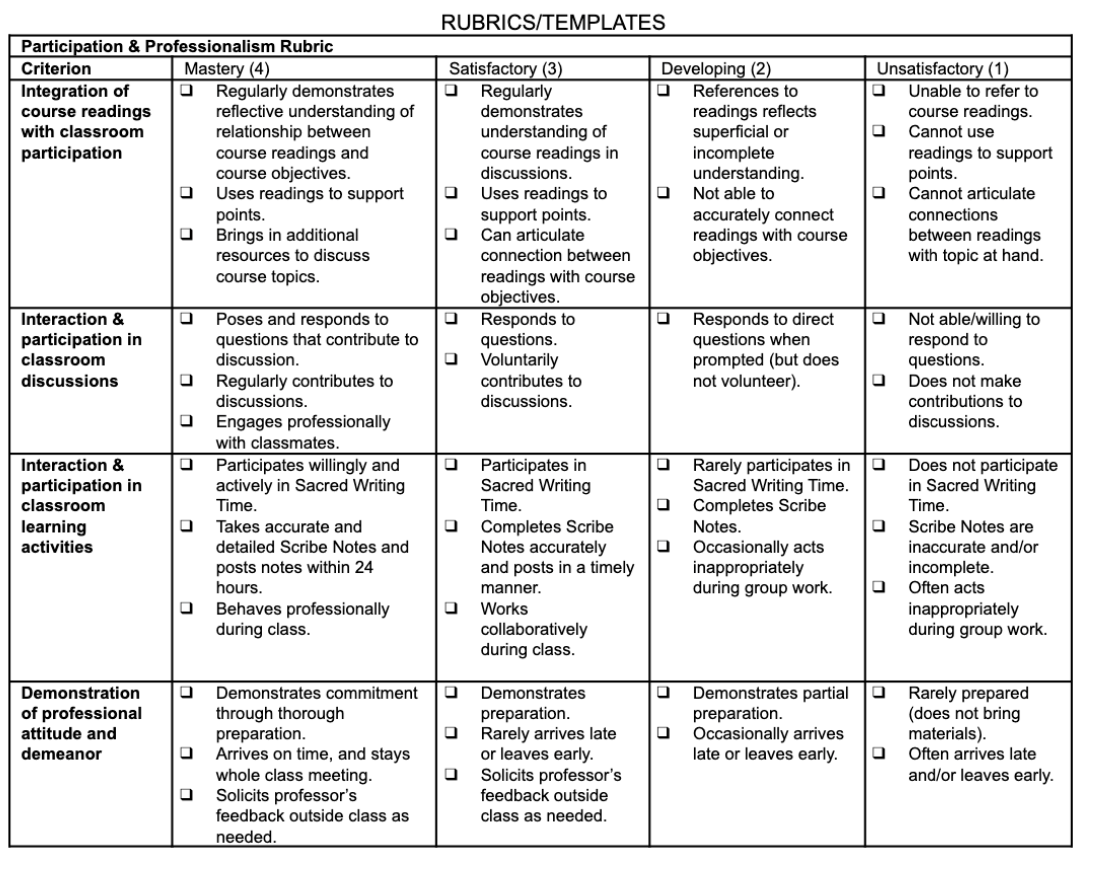
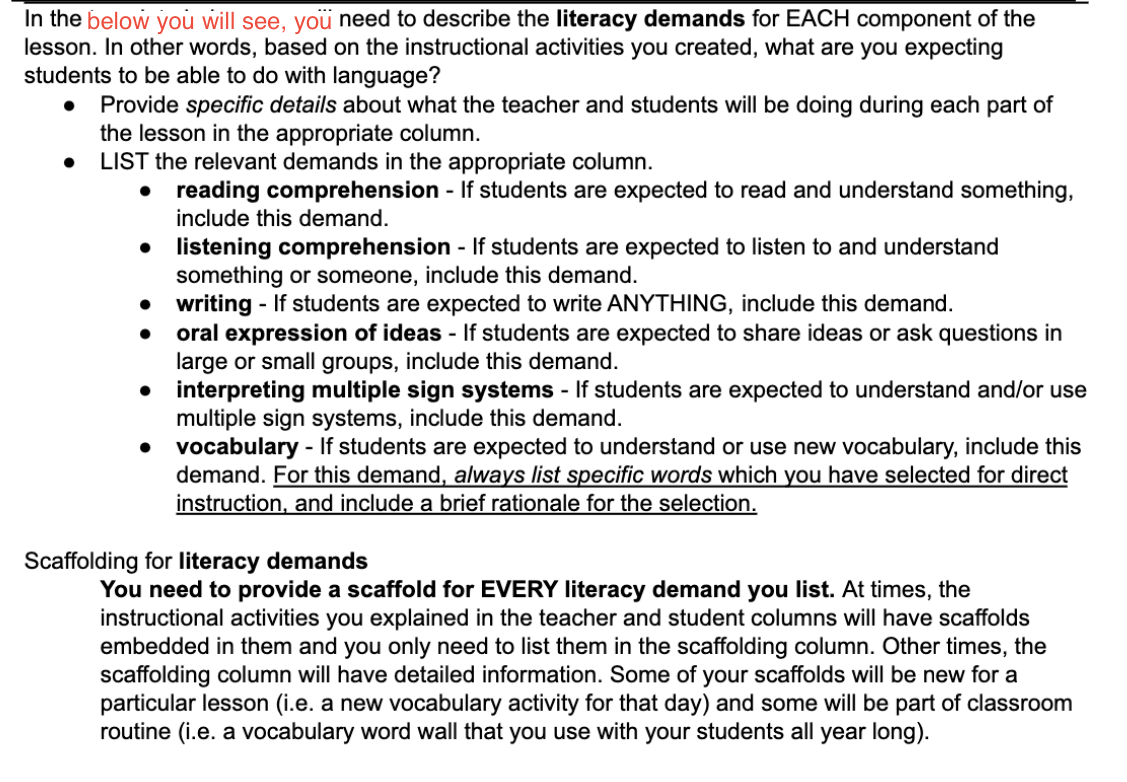
In the light of the moon a little egg lay on a leaf. One Sunday morning the warm sun came up and-pop!-out of the egg tiny and very hungry caterpillar. came a To He started to look for some food. On Monday he ate through one apple. But he was still hungry. He started to look for some food. On Tuesday he ate through two pears, but he was still hungry. n He started to look for some food. On Wednesday he ate through three plums, but he was still hungry. && 46 He started to look for some food On Thursday he ate through four strawberries, but he was still hungry. ee He started to On Friday he ate through five oranges, but he was still hungry. On Saturday he ate through one piece of chocolate cake, one ice-cream cone, one pickle, one slice of Swiss cheese, one slice of salami, one lollipop, one piece of cherry pie, one sausage, one cupcake, and one slice of watermelon. ? That night he had a stomachache! The next day was Sunday again. The caterpillar ate through one nice green leaf, and after that he felt much better. a Now he wasn't hungry any moreand he wasn't a little caterpillar any more. He was a big, fat caterpillar. He built a small house, called a cocoon, around himself. He stayed inside for more than two weeks. Then he nibbled a hole in the cocoon, pushed his way out and... 0 0 he was a beautiful butterfly! Sunday Monday Two Weeks Later Tuesday Saturday Please put this sequences of event in which order the caterpillar eat the food and what come before and after in the story. Wednesday Friday Thursday Please put this sequences of event in which order the caterpillar eat the food and what come before and after in the story T WA 1 o 3 plums 2 pears 4 strawberries 1 caterpillar Tapple ellt 00 butterfly big caterpillar 5 oranges Cocoon The Very Hungry Caterpillar Student will have to put the missing words and writing space. Here is an egg on a leaf. ngum Caterpillar The came out of the egg. He ate through one Apple o He ate through two Pears Oo He ate through three Plums KWA He ate through four Strawberries & X He ate through five oranges 0 He ate through a lot! He ate through one Leaf Now, he was a fat caterpillar He made a Cocoon oooo After two weeks, he became a Butterfly RUBRICS/TEMPLATES Participation & Professionalism Rubric Criterion Mastery (4) Integration of Regularly demonstrates course readings reflective understanding of with classroom relationship between participation course readings and course objectives. Uses readings to support points. Brings in additional resources to discuss course topics Satisfactory (3) Regularly demonstrates understanding of course readings in discussions. Uses readings to support points. Can articulate connection between readings with course objectives. Responds to questions. Voluntarily contributes to discussions. Developing (2) References to readings reflects superficial or incomplete understanding. Not able to accurately connect readings with course objectives. Unsatisfactory (1) Unable to refer to course readings. Cannot use readings to support points. Cannot articulate connections between readings with topic at hand. 0 0 Interaction & participation in classroom discussions Responds to direct questions when prompted (but does not volunteer). Not able/willing to respond to questions. Does not make contributions to discussions. 0 D Interaction & participation in classroom learning activities Poses and responds to questions that contribute to discussion. Regularly contributes to discussions. Engages professionally with classmates. Participates willingly and actively in Sacred Writing Time. Takes accurate and detailed Scribe Notes and posts notes within 24 hours. Behaves professionally during class. Participates in Sacred Writing Time. Completes Scribe Notes accurately and posts in a timely manner. Works collaboratively during class. Rarely participates in Sacred Writing Time. Completes Scribe Notes. Occasionally acts inappropriately during group work. Does not participate in Sacred Writing Time. Scribe Notes are inaccurate and/or incomplete. Often acts inappropriately during group work. a Demonstration of professional attitude and demeanor Demonstrates commitment through thorough preparation. Arrives on time, and stays whole class meeting. Solicits professor's feedback outside class as needed. Demonstrates preparation. Rarely arrives late or leaves early. Solicits professor's feedback outside class as needed. Demonstrates partial preparation. Occasionally arrives late or leaves early. Rarely prepared (does not bring materials). Often arrives late and/or leaves early. In the below you will see, you need to describe the literacy demands for EACH component of the lesson. In other words, based on the instructional activities you created, what are you expecting students to be able to do with language? Provide specific details about what the teacher and students will be doing during each part of the lesson in the appropriate column. LIST the relevant demands in the appropriate column. reading comprehension - If students are expected to read and understand something, include this demand. listening comprehension - If students are expected to listen to and understand something or someone, include this demand. writing - If students are expected to write ANYTHING, include this demand. oral expression of ideas - If students are expected to share ideas or ask questions in large or small groups, include this demand. interpreting multiple sign systems - If students are expected to understand and/or use multiple sign systems, include this demand. vocabulary - If students are expected to understand or use new vocabulary, include this demand. For this demand, always list specific words which you have selected for direct instruction, and include a brief rationale for the selection. Scaffolding for literacy demands You need to provide a scaffold for EVERY literacy demand you list. At times, the instructional activities you explained in the teacher and student columns will have scaffolds embedded in them and you only need to list them in the scaffolding column. Other times, the scaffolding column will have detailed information. Some of your scaffolds will be new for a particular lesson (i.e. a new vocabulary activity for that day) and some will be part of classroom routine (i.e. a vocabulary word wall that you use with your students all year long)









 Study Help