Question: Read the following case carefully and answer the case study questions at the end Splenda Splenda: The Sweetness of Branding Splenda is the commercial name
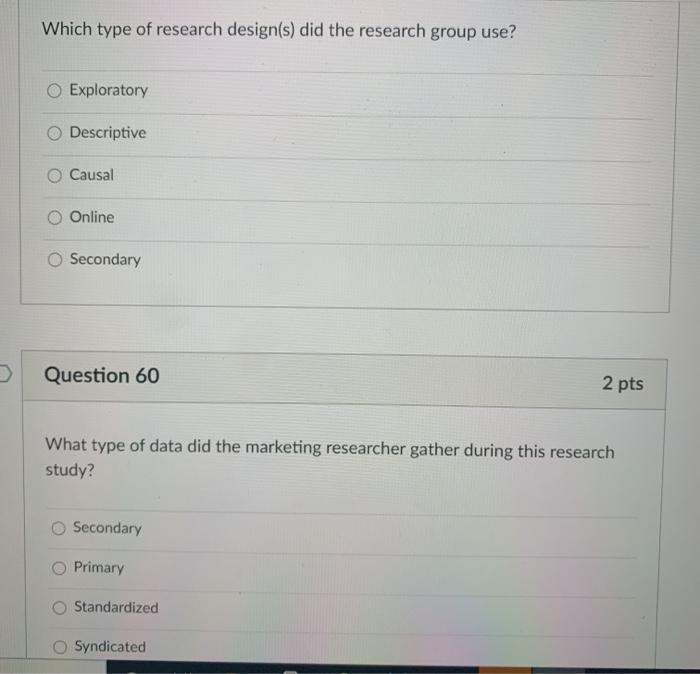
Read the following case carefully and answer the case study questions at the end Splenda Splenda: The Sweetness of Branding Splenda is the commercial name and registered trade mark of a sucralose- based artificial sweetener derived from sugar, owned by the British company Tate & Lyle, but commercialized by Johnson & Johnson. Splenda entered the market in 2000, touted as a breakthrough because the process used to make it includes sugar. Ads for Splenda carried the line "Made from sugar, so it tastes like sugar" followed by "But it's not sugar." Unlike other artificial sweeteners, Splenda's chemical composition can stand up to heat and freezing, making it suitable for cooking. Capitalizing on that advantage, McNeil (product manager) has rolled out a series of related products: a baker's bag in 2003, a sugar blend for baking in 2004 and a brown-sugar blend in 2005. Splenda is now the runaway leader in the sugar- substitute category with $212.3 million in 2006 U.S. sales, according to market-research firm Information Resources Inc. while Equal brought in $48.7 million. arch hp The brand is an ingredient in over 4,000 products, including those of Coca- Cola Co., and Nestl's Edy's brand, and it's offered at 65 food chains in the U.S., including outlets of Starbucks Corp. and McDonald's Corp. This trend has presented an opportunity for McNeil, consumers are not aware that most of the lower calorie products they consume every day have Splenda as an ingredient. Looking to commercialize the brand Splenda is an interesting business proposition. This would imply that products like Coca Cola and Edy will show the Splenda logo on their containers. In order to make the decision to offer a cobranding strategy to companies like Coca Cola and Edy, McNeil would need to determine if Splenda's image does not add unfavorable attitudes to the image of the product that would host the brand. Additionally, McNeil would need to determine two main things. First they would need to determine if the perceived flavor of the product is not affected negatively and second if the safety of the product is not a concern. Researchers conducted focus groups among young adults in order to explore consumers' taste preferences and feelings towards artificial sweeteners. The results suggested that consumers were not reluctant to use artificial sweeteners and that consumers were mostly not aware of the use of Splenda in other products. Once they completed the focus groups, the research company sent out more than 16,000 online surveys to customers selected from an online consumer panel following a quota for each demographic group so that they would have a sample as close as possible as the US population. The purpose of the survey was to measure the overall attitude towards sweeteners and that consumers were mostly not aware of the use of Splenda in other products. Once they completed the focus groups, the research company sent out more than 16,000 online surveys to customers selected from an online consumer panel following a quota for each demographic group so that they would have a sample as close as possible as the US population. The purpose of the survey was to measure the overall attitude towards Splenda, the perceived flavor, and to test the acceptance of the cobranding strategy. The research prognosis was very positive, consumers seem to have a very positive attitude towards Splenda, and displaying the Splenda logo in most products was likely to benefit the host product acceptance. Consumers displayed no concerns about the safety of Splenda as an artificial sweetener. Which of the following best describes Splenda's marketing opportunity? Consumers are not aware that many of the lower calorie products they consume contain Splenda Consumers are concerned about the safety of consuming too much Splenda Advertising that these products contain Splenda could have a negative impact on their brand perceptions Advertising that these products contain Splenda could have a negative impact on the perceived flavor of these products Consumers have a negative attitude toward Splenda or any products that contain Splenda Question 58 2 pts Which of the following is a sound and complete research objective to help McNeil determine if he should pursue a cobranding strategy? Conduct a study among young adults to measure attitudes about Splenda's safety and flavor Conduct a blind taste test among young adults between the ages of 18-25 years old Conduct an online survey among young adults between the ages of 18-25 years old to measure attitudes about Splenda's safety and the flavor of products that contain Splenda using a 7-point scale Conduct a series of depth interviews among consumers who consume products that contain Splenda and those who do not consume products that contain Splenda and compare the findings Conduct a series of depth interviews among young adults between the ages of 18- 25 years old who consume products that contain Splenda and those who do not consume products that contain Splenda and compare the findings Which type of research design(s) did the research group use? Exploratory Descriptive Causal O Online Secondary Question 60 2 pts What type of data did the marketing researcher gather during this research study? Secondary Primary Standardized Syndicated









 Study Help