







Question: show all work. [12] 1. Show your work for each calculation: a. Convert the binary number 110100111100 to hexadecimal. (Do not convert the whole number
![show all work. [12] 1. Show your work for each calculation:](https://dsd5zvtm8ll6.cloudfront.net/si.experts.images/questions/2024/09/66f50ba88d8fb_33666f50ba888666.jpg)
show all work.
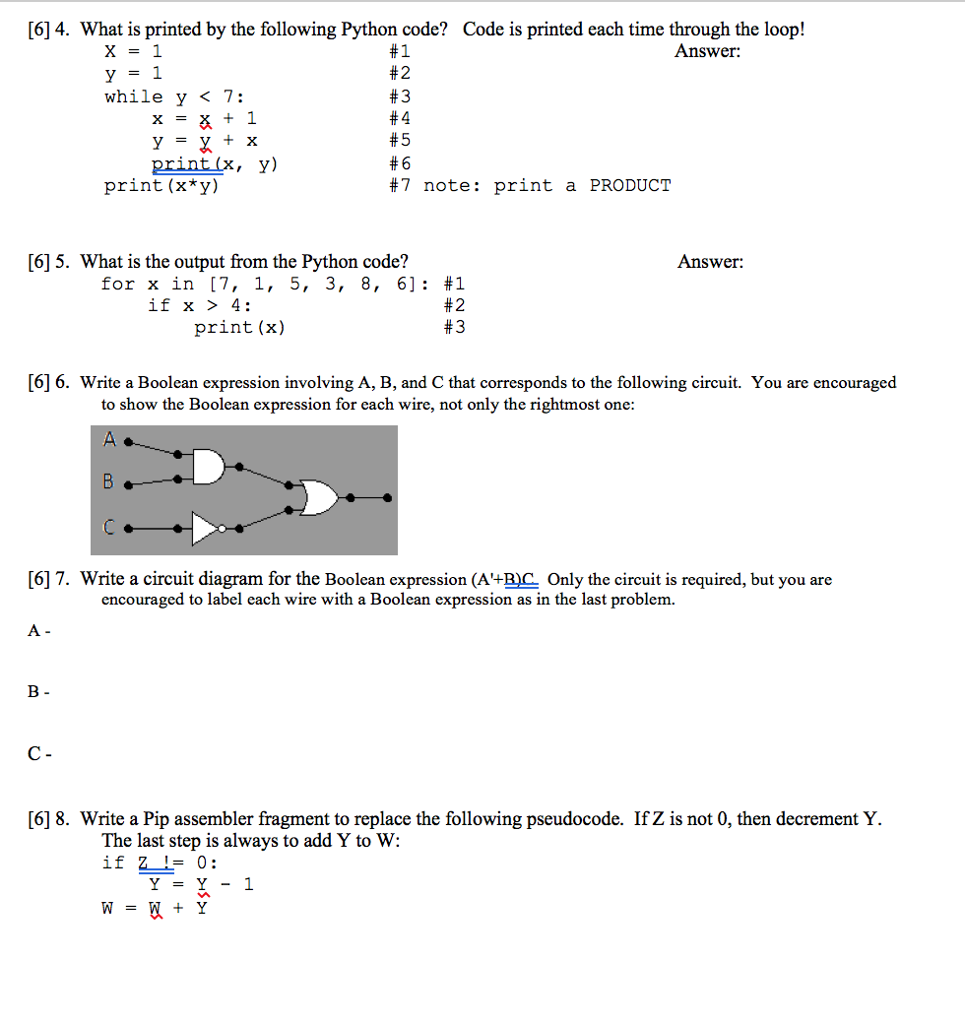
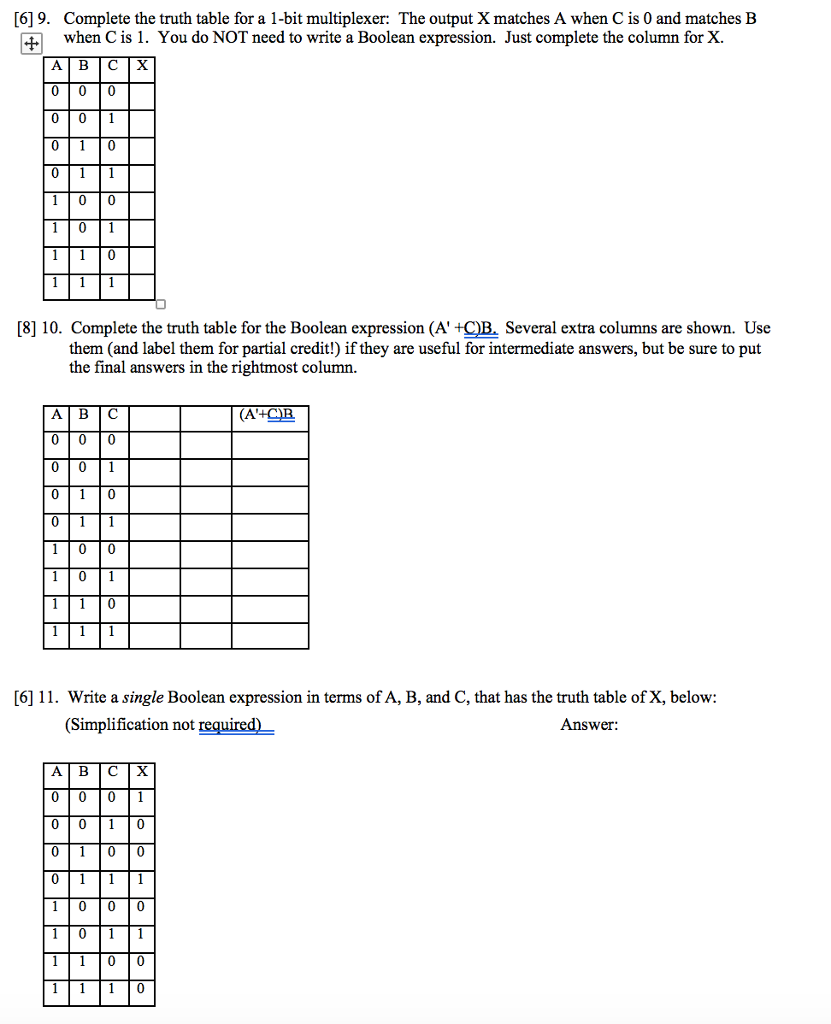
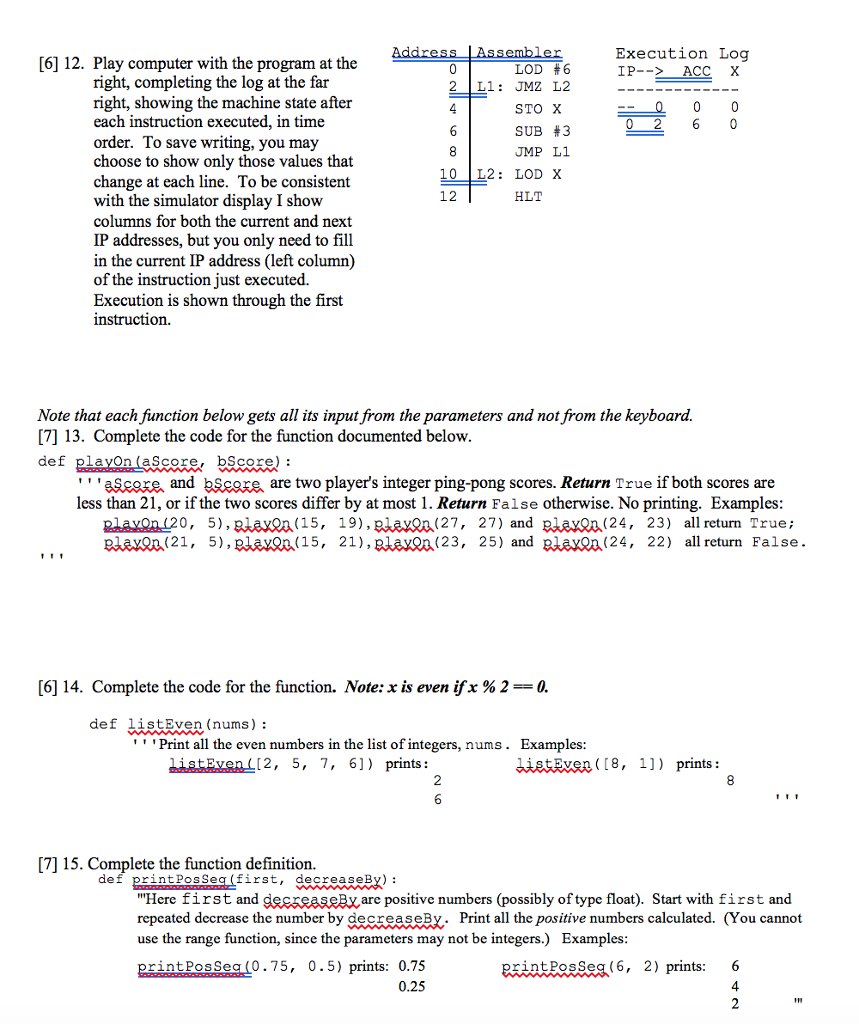
[12] 1. Show your work for each calculation: a. Convert the binary number 110100111100 to hexadecimal. (Do not convert the whole number to decimal in the middle.) Answer: b. Convert the binary number 1010011 to decimal. Answer: c. Convert the decimal number 91 to binary Answer: d. Add the binary numbers, producing a binary result. (Directly, no decimal conversion in middle.) 1001000011 1100111 Answer: [6] 2. What is printed by the following Python code? Answer: a=9 #1 #2 #3 #4 #5 #6 #7 #8 #9 e-a//b print(d, +c e) print (b, c) [6] 3. What is printed by the following Python code? Answer: for i in [2, 4, 6, 8]: #2 #3 #4 print (num
Step by Step Solution
There are 3 Steps involved in it

Get step-by-step solutions from verified subject matter experts
 Study Help