







Question: The Written Case Analysis The comprehensive written case analysis follows a prescribed format, emphasizing four elements: a Identification of the Problem a Analysis and Evaluation
The Written Case Analysis
The comprehensive written case analysis follows a prescribed format, emphasizing four elements:
a Identification of the Problem
a Analysis and Evaluation
D Discussion of Alternatives
Presentation of Recommendations and Implementation Plan
Identification of the Problem
The written case analysis should reflect a sharply focused diagnosis of strategic issues and problems and good business judgment in sizing up the company's present situation. Begin the paper by underlining the firm's situation, strategy, and the significant problems and issues that confront management. State problems and issues as clearly and as precisely as possible, striving always to identify the core, fundamental problem ie the root cause of the situation being described by the case Base your determination of the problem upon analysis you have rendered with regard to the data present in the case. Unless it is necessary to do so for emphasis, avoid recounting facts and history about the company it is typically assumed that the reader has already read the narrative. This section of the report should not exceed one page in length. Analysis and Evaluation
Typically the most difficult part of the report, this section involves choosing analysis tools that will be applicable to the case being analyzed. An analysis tool is basically a theory, model, or construct that helps to make sense of the evidence presented in the case and provides a strategic context from which to identify the problem and develop alternative solutions. Depending on the nature of the case, the following areas might be focused upon:a Tables, exhibits, financial statements.
Financial ratios, profit margins, rates of return, capital structure.
Marketing, production, and managerial competencies.
Strategic performance.
SWOT Strength Weaknesses, Opportunities, Threats analysis.
a Competitive position.
It is important to ensure that the analysis you choose follows the data in the narrative. For example, it would make little sense to attempt an analysis of external industry competition if the case was focused on internal human resource management issues.
When the results of respective analyses are considered and evaluated, it should be noted that:
Supporting evidence must be offered for all views and judgments.
If the analysis involves quantitative calculations, tables or charts should be used to present the data clearly and effectively.
Grasp of the economics of the business and the key factors that are crucial to the organization's success or failure should be clearly demonstrated.
Interpretation of the evidence should be reasonable and objective good business judgment is key.
How much analysis should be undertaken? This is a difficult question to answer, in that the response depends upon the nature and scope of the data presented in the case. A good rule of thumb is to include at least three analytics that relate to the case information. The length of this section will vary according to the nature of the analysis conducted, but will generally beat least three pages.
Discussion of Alternatives
Usually there are more alternatives available than a preliminary study of the case reveals. All of the major alternatives should be discussed, and the difference between each alternative should be meaningful. Each alternative should be analyzed in terms of the pros and cons associated with each in order to identify by virtue of the frequency of pros versus cons which alternative or alternatives best answers the problem as identified. The length of this section will vary according to the number of alternative discussed, but will generally be one to two pages in length. Recommendations and Implementation Plan
The final section of the case should include a set of definite recommendations that stem from the Discussion of Alternatives, accompanied by a meaningful plan of action. The recommendations made should address all of the problems and issues that were identified and analyzed earlier in the case. If recommendations don't follow logically from the analysis, then they will be weakened considerably. Further, recommendations should offer a reasonable prospect of success. What will be the consequences of the recommended courses of action? How will they solve the problems that were identified? Is the company able, either financially or otherwise, to carry out the recommendations? Will management accept them? Will the employees? Will the customers and other key players? The reader should be able to see a consistent and logical connection between analysis, problem, and recommendation, and thus be convinced that the recommendation offers the best solution possible to the subject organization.
Recommendations should be stated in enough detail to make them meaningful what is to be done must be stated specifically and it must be clear that they are operational. Finally, something should be said about how the plan will be implemented. A definite
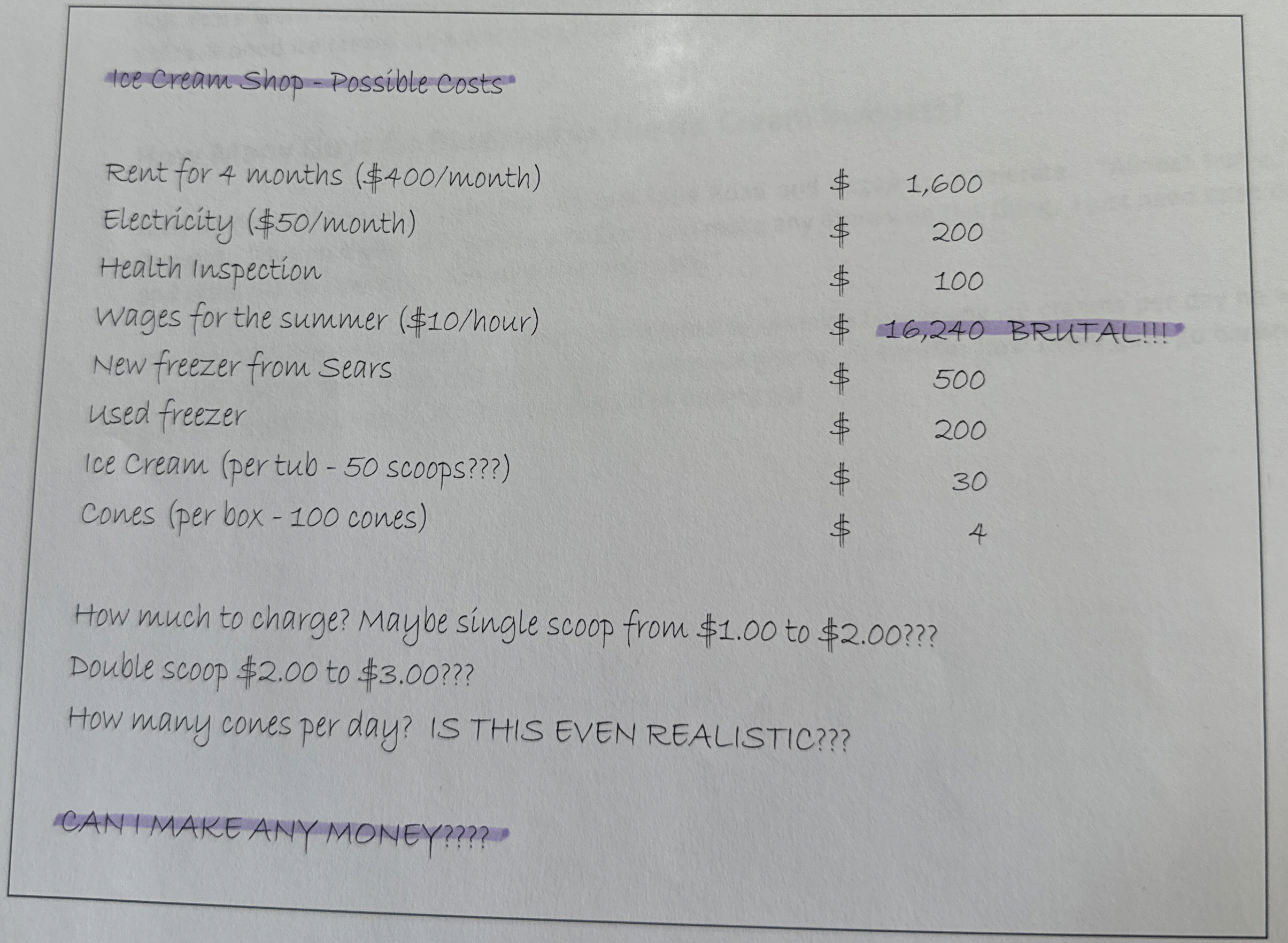
Please use the information above to help create and generate ideas on how to do a case analysis for the following situation.
Step by Step Solution
There are 3 Steps involved in it
1 Expert Approved Answer
Step: 1 Unlock

Question Has Been Solved by an Expert!
Get step-by-step solutions from verified subject matter experts
Step: 2 Unlock
Step: 3 Unlock
 Study Help