Question: This assignment will allow students to demonstrate their knowledge and application of personal finance planning. Personal finance planning includes finance management, risk management, investment, and
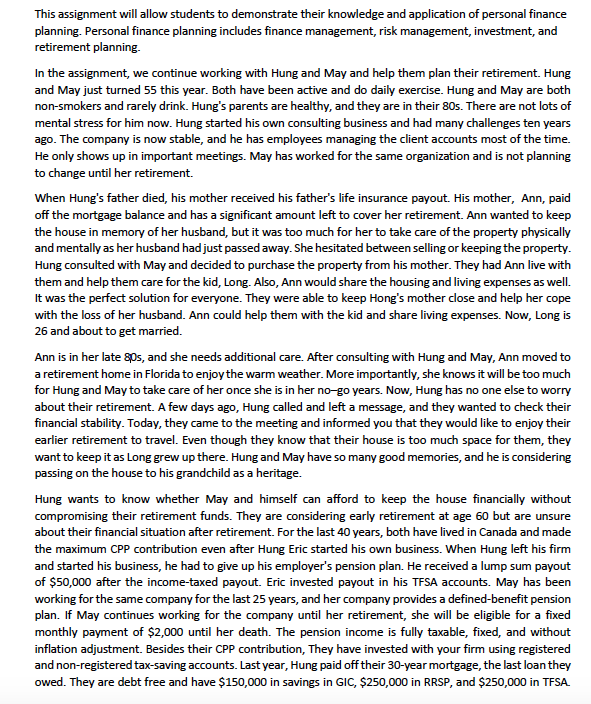
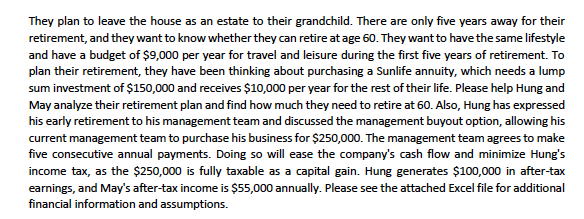
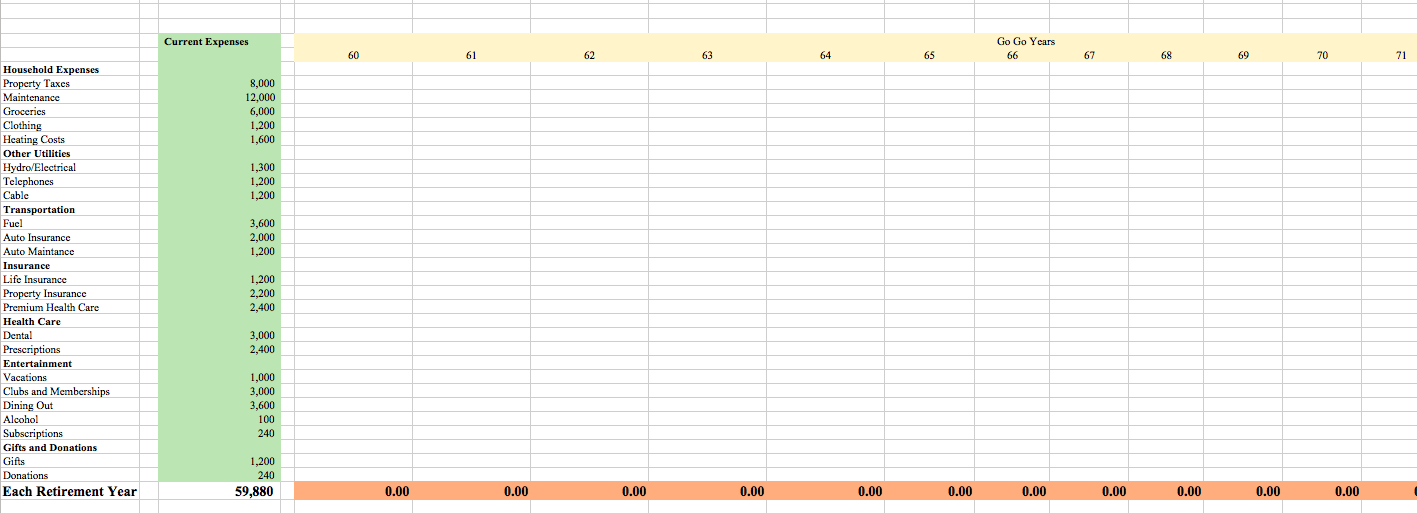
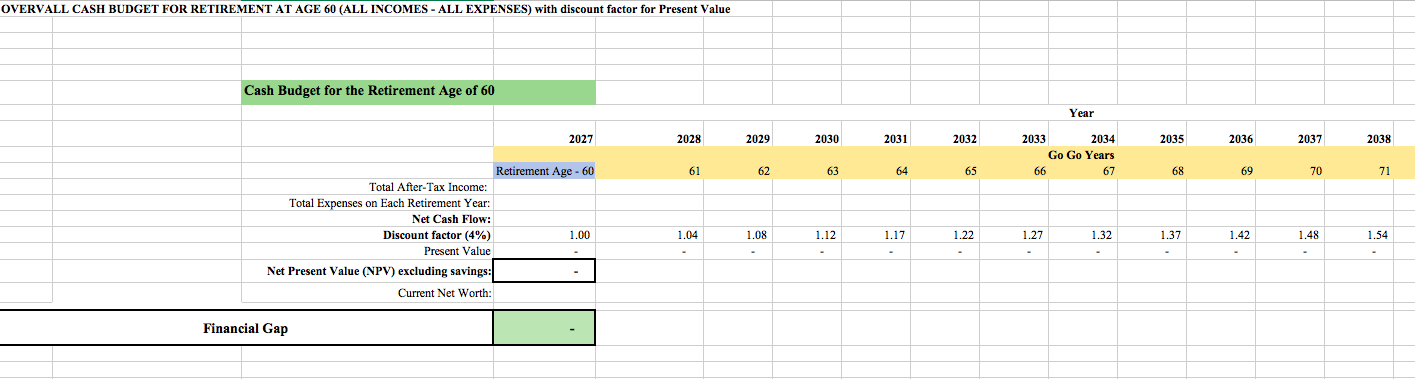
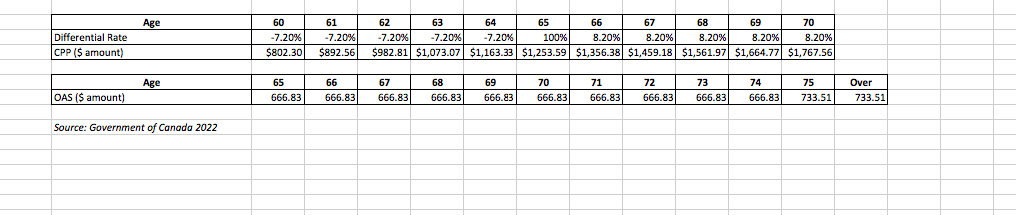
This assignment will allow students to demonstrate their knowledge and application of personal finance planning. Personal finance planning includes finance management, risk management, investment, and retirement planning In the assignment, we continue working with Hung and May and help them plan their retirement. Hung and May just turned 55 this year. Both have been active and do daily exercise. Hung and May are both non-smokers and rarely drink. Hung's parents are healthy, and they are in their 80s. There are not lots of mental stress for him now. Hung started his own consulting business and had many challenges ten years ago. The company is now stable, and he has employees managing the client accounts most of the time. He only shows up in important meetings. May has worked for the same organization and is not planning to change until her retirement. When Hung's father died, his mother received his father's life insurance payout. His mother, Ann, paid off the mortgage balance and has a significant amount left to cover her retirement. Ann wanted to keep the house in memory of her husband, but it was too much for her to take care of the property physically and mentally as her husband had just passed away. She hesitated between selling or keeping the property. Hung consulted with May and decided to purchase the property from his mother. They had Ann live with them and help them care for the kid, Long. Also, Ann would share the housing and living expenses as well. It was the perfect solution for everyone. They were able to keep Hong's mother close and help her cope with the loss of her husband. Ann could help them with the kid and share living expenses. Now, Long is 26 and about to get married. Ann is in her late 80s, and she needs additional care. After consulting with Hung and May, Ann moved to a retirement home in Florida to enjoy the warm weather. More importantly, she knows it will be too much for Hung and May to take care of her once she is in her no-go years. Now, Hung has no one else to worry about their retirement. A few days ago, Hung called and left a message, and they wanted to check their financial stability. Today, they came to the meeting and informed you that they would like to enjoy their earlier retirement to travel. Even though they know that their house is too much space for them, they want to keep it as Long grew up there. Hung and May have so many good memories, and he is considering passing on the house to his grandchild as a heritage. Hung wants to know whether May and himself can afford to keep the house financially without compromising their retirement funds. They are considering early retirement at age 60 but are unsure about their financial situation after retirement. For the last 40 years, both have lived in Canada and made the maximum CPP contribution even after Hung Eric started his own business. When Hung left his firm and started his business, he had to give up his employer's pension plan. He received a lump sum payout of $50,000 after the income-taxed payout. Eric invested payout in his TFSA accounts. May has been working for the same company for the last 25 years, and her company provides a defined-benefit pension plan. If May continues working for the company until her retirement, she will be eligible for a fixed monthly payment of $2,000 until her death. The pension income is fully taxable, fixed, and without inflation adjustment. Besides their CPP contribution, They have invested with your firm using registered and non-registered tax-saving accounts. Last year, Hung paid off their 30-year mortgage, the last loan they owed. They are debt free and have $150,000 in savings in GIC, $250,000 in RRSP, and $250,000 in TFSA.They plan to leave the house as an estate to their grandchild. There are only five years away for their retirement, and they want to know whether they can retire at age 60. They want to have the same lifestyle and have a budget of $9,000 per year for travel and leisure during the first five years of retirement. To plan their retirement, they have been thinking about purchasing a Sunlife annuity, which needs a lump sum investment of $150,000 and receives $10,000 per year for the rest of their life. Please help Hung and May analyze their retirement plan and find how much they need to retire at 60. Also, Hung has expressed his early retirement to his management team and discussed the management buyout option, allowing his current management team to purchase his business for $250,000. The management team agrees to make five consecutive annual payments. Doing so will ease the company's cash flow and minimize Hung's income tax, as the $250,000 is fully taxable as a capital gain. Hung generates $100,000 in after-tax earnings, and May's after-tax income is $55,000 annually. Please see the attached Excel file for additional financial information and assumptions.Current Expenses Go Go Years 60 61 62 63 64 65 66 67 68 69 70 71 Household Expenses Property Taxes 8,000 Maintenance 12,000 Groceries 6,000 Clothing 1,200 Heating Costs 1,600 Other Utilities Hydro/Electrical 1,300 Telephones 1,200 Cable 1,200 Transportation Fuel 3,600 Auto Insurance 2,000 Auto Maintance 1,200 Insurance Life Insurance 1,200 Property Insurance 2,200 Premium Health Care 2,400 Health Care Dental 3,000 Prescriptions 2,400 Entertainment Vacations 1,000 Clubs and Memberships 3,000 Dining Out 3,600 Alcohol 100 Subscriptions 240 Gifts and Donations Gifts 1,200 Donations 240 Each Retirement Year 59,880 0.00 0.00 0.00 0.00 0.00 0.00 0.00 0.00 1.00 0.00 0.00Projected Income Retirement Age 60 61 Expected Incomes 62 CPP 63 OAS 64 65 Pension 66 Go Go Years 67 Annuity 68 69 70 71 72 73OVERVALL CASH BUDGET FOR RETIREMENT AT AGE 60 (ALL INCOMES - ALL EXPENSES) with discount factor for Present Value Cash Budget for the Retirement Age of 60 Year 2027 2028 2029 2030 2031 2032 2033 2034 2035 2036 2037 2038 Go Go Years Retirement Age - 60 61 62 63 64 65 66 67 68 69 70 71 Total After-Tax Income: Total Expenses on Each Retirement Year: Net Cash Flow: Discount factor (4%) 1.00 1.04 1.08 1.12 1.17 1.22 1.27 1.32 1.37 1.42 1.48 1.54 Present Value Net Present Value (NPV) excluding savings: Current Net Worth: Financial Gap\f
Step by Step Solution
There are 3 Steps involved in it
1 Expert Approved Answer
Step: 1 Unlock
Question Has Been Solved by an Expert!
Get step-by-step solutions from verified subject matter experts
Step: 2 Unlock
Step: 3 Unlock
Students Have Also Explored These Related Finance Questions!










 Study Help