







Question: Throughout the semester we have work on multiple Career Exploration assignments. These assignments should have given you an opportunity to learn about career options in
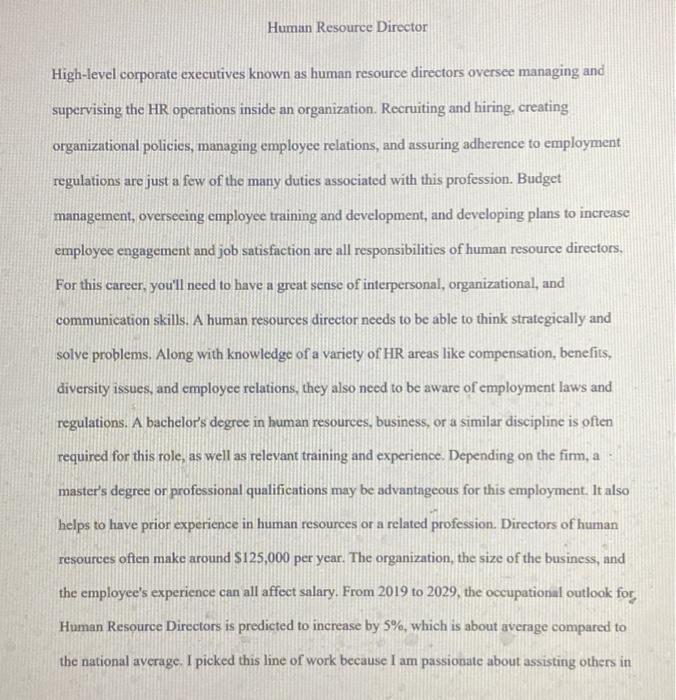

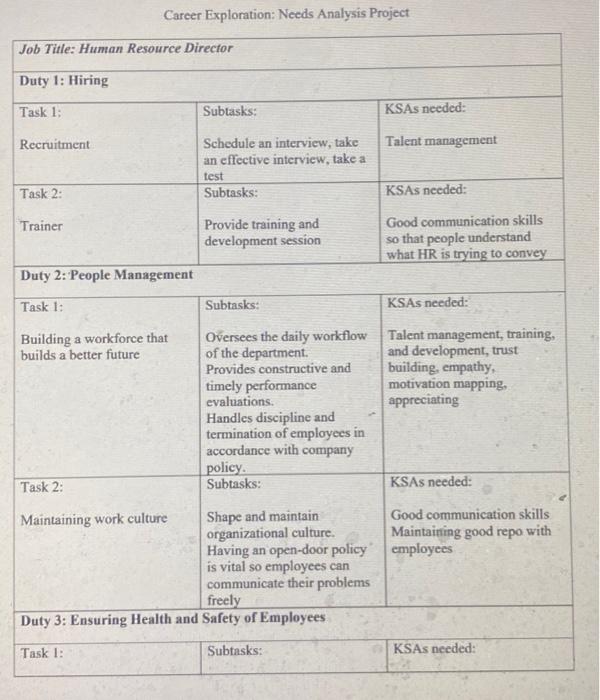
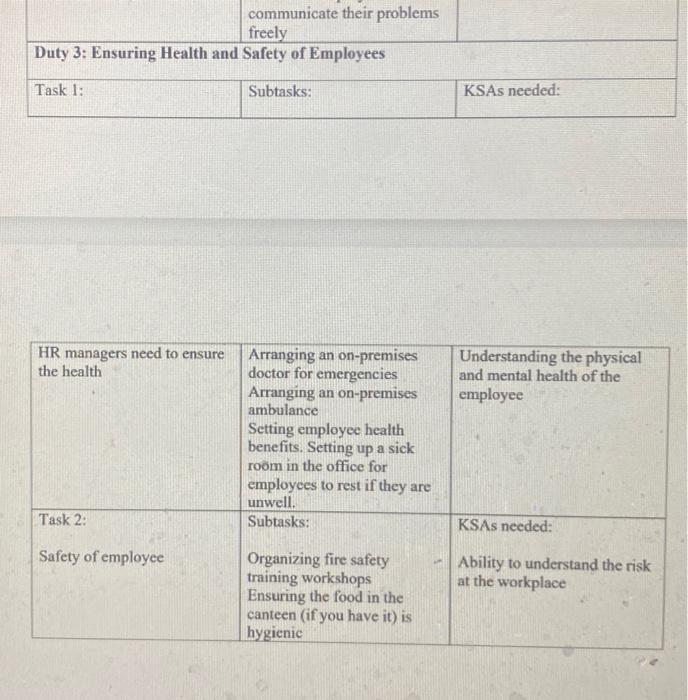
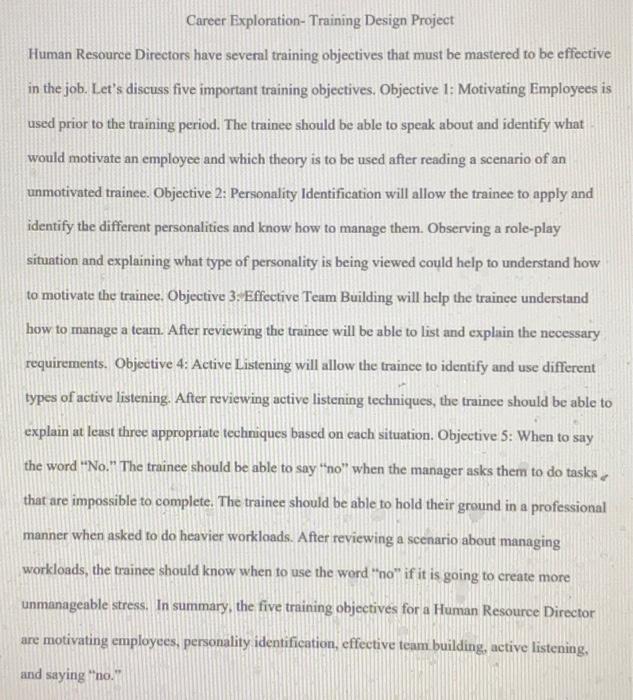
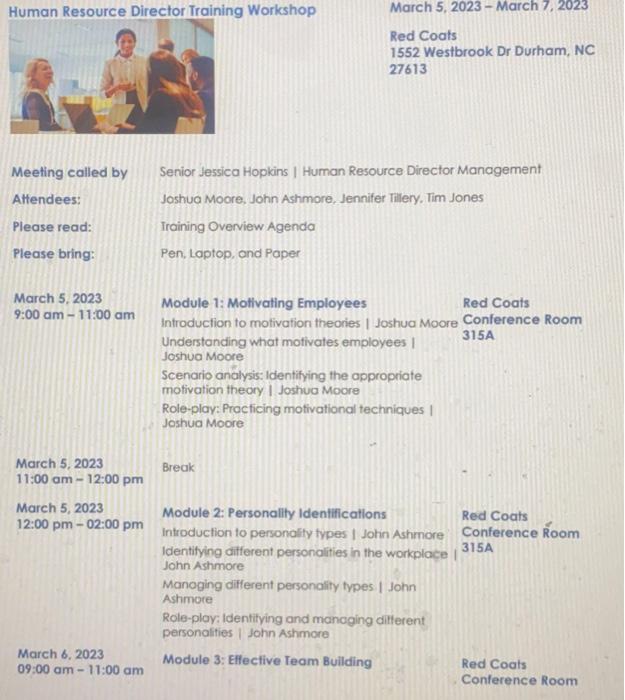
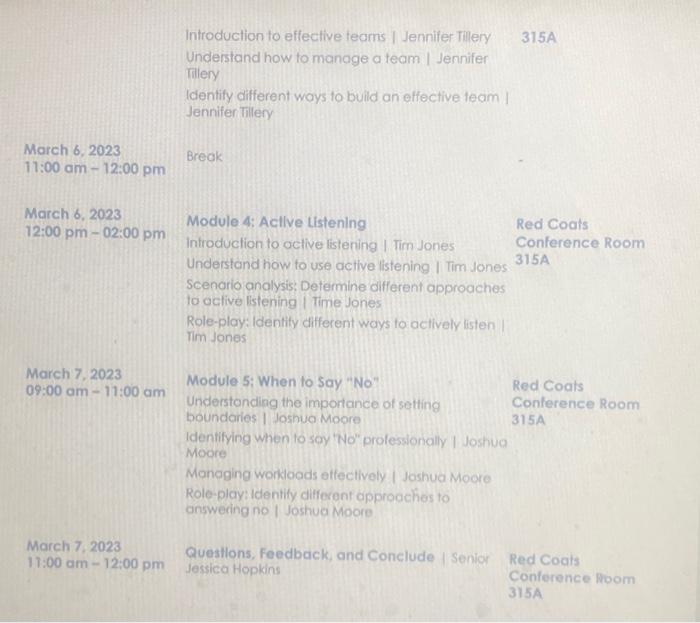
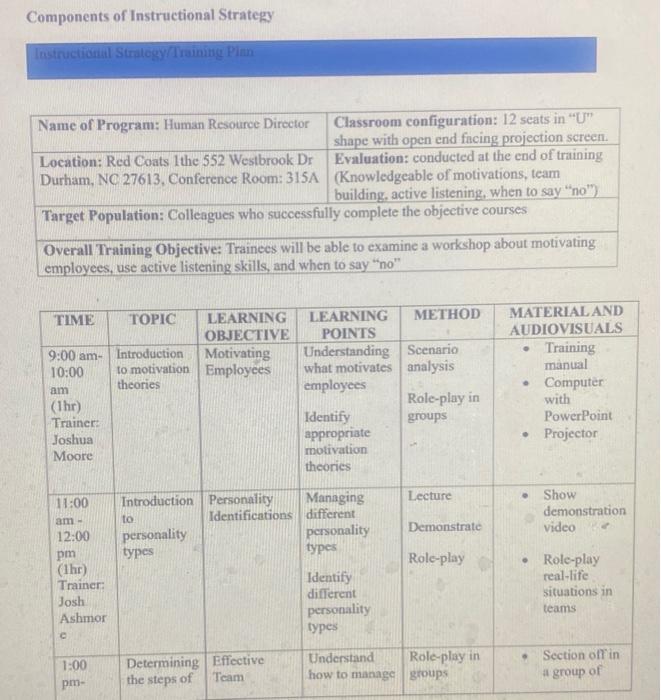
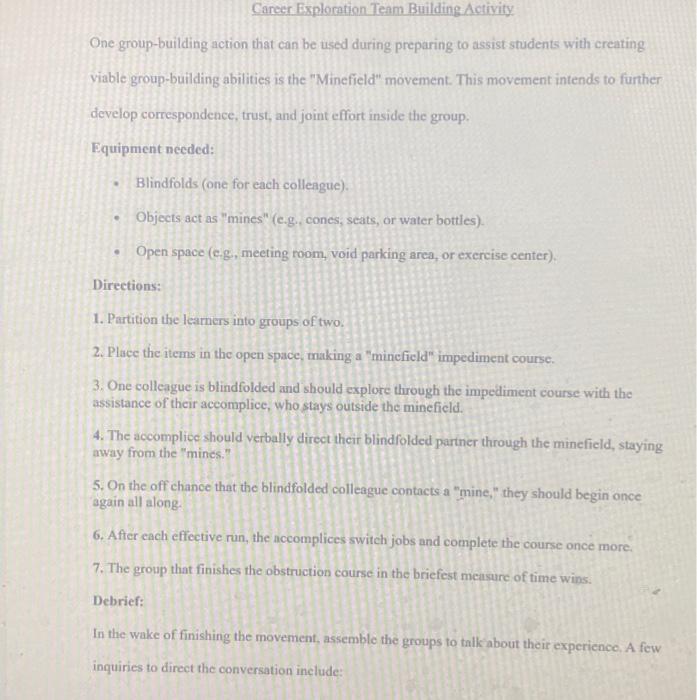
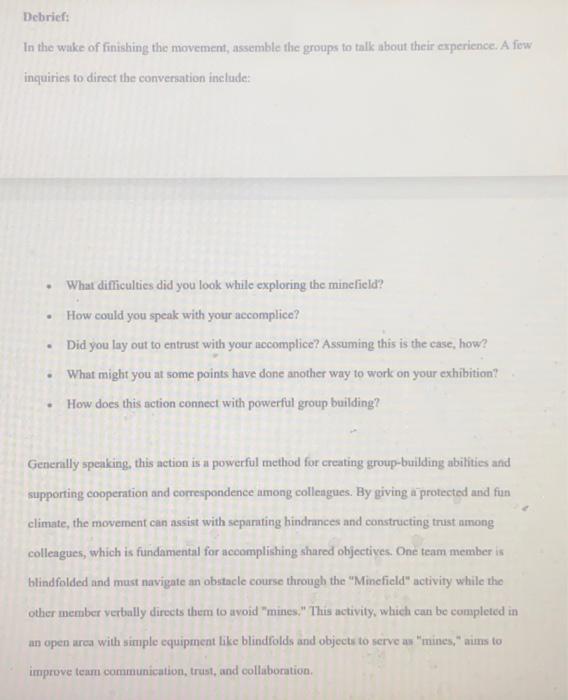
Human Resource Director High-level corporate executives known as human resource directors oversee managing and supervising the HR operations inside an organization. Recruiting and hiring, creating organizational policies, managing employee relations, and assuring adherence to employment regulations are just a few of the many duties associated with this profession. Budget management, overseeing employee training and development, and developing plans to increase employee engagement and job satisfaction are all responsibilities of human resource directors. For this career, you'll need to have a great sense of interpersonal, organizational, and communication skills. A human resources director needs to be able to think strategically and solve problems. Along with knowledge of a variety of HR areas like compensation, benefits, diversity issues, and employee relations, they also need to be aware of employment laws and regulations. A bachelor's degree in human resources, business, or a similar discipline is often required for this role, as well as relevant training and experience. Depending on the firm, a master's degree or professional qualifications may be advantageous for this employment. It also helps to have prior experience in human resources or a related profession. Directors of human resources often make around $125,000 per year. The organization, the size of the business, and the employee's experience can all affect salary. From 2019 to 2029, the occupational outlook for Human Resource Directors is predicted to increase by 5%, which is about average compared to the national average. I picked this line of work because I am passionate about assisting others in required for this role, as well as relevant training and experience. Depending on the firm, a master's degree or professional qualifications may be advantageous for this employment. It also helps to have prior experience in human resources or a related profession. Directors of human resources often make around $125,000 per year. The organization, the size of the business, and the employee's experience can all affect salary. From 2019 to 2029 , the occupational outlook for Human Resource Directors is predicted to increase by 5%, which is about average compared to the national average. I picked this line of work because I am passionate about assisting others in achieving their objectives and creating plans to increase job happiness. I think that human resource managers are essential in fostering an environment where employees may work effectively and happily. Additionally, I think that this job is the ideal fit for my expertise in human resources and my desire to support others in realizing their full potential. Career Exploration: Needs Analysis Project Job Title: Human Resource Director Duty 3: Ensuring Health and Safety of Employees Task 1: Subtasks: KSAs needed: communicate their problems freely Duty 3: Ensuring Health and Safety of Employees Task 1: \begin{tabular}{|l|l} \hline Subtasks: & KSAs needed: \\ \hline \end{tabular} Career Exploration- Training Design Project Human Resource Directors have several training objectives that must be mastered to be effective in the job. Let's discuss five important training objectives. Objective 1: Motivating Employees is used prior to the training period. The trainee should be able to speak about and identify what would motivate an employee and which theory is to be used after reading a scenario of an unmotivated trainee. Objective 2: Personality Identification will allow the trainee to apply and identify the different personalities and know how to manage them. Observing a role-play situation and explaining what type of personality is being viewed could help to undenstand how to motivate the trainee. Objective 3. Effective Team Building will help the trainee understand how to manage a team. After reviewing the trainee will be able to list and explain the necessary requirements. Objective 4: Active Listening will allow the traince to identify and use different types of active listening. After reviewing active listening techniques, the trainee should be able to explain at least three appropriate techniques based on each situation. Objective 5: When to say the word "No." The trainee should be able to say "no" when the manager asks them to do tasks that are impossible to complete. The trainee should be able to hold their ground in a professional manner when asked to do heavier workloads. After reviewing a scenario about managing workloads, the trainee should know when to use the word "no" if it is going to create more unmanageable stress. In summary, the five training objectives for a Human Resource Director are motivating employees, personality identification, effective team building, active listening, and saying "no." Human Resource Director Training Workshop March 5, 2023 - March 7, 2023 Red Coats 1552 Westbrook Dr Durham, NC 27613 Meeting called by Senior Jessica Hopkins I Human Resource Director Management Attendees: Joshua Moore, John Ashmore, Jennifer Dilery, Iim Jones Please read: Iraining Overview Agenda Please bring: Pen, Laptop, and Paper March 5, 2023 9:00 am - 11:00 am Identifying different personalities in the workplace / 315A John Ashmore Manoging different personality types | John Ashmore Role-play: Identitying and manoging ditterent personalities I John Ashmore March 6. 2023 09:00 am-11:00 am Module 3: Effective Team Building Red Coats Conference Room Introduction to effective teams / Jennifer Tillery 315A Understand how to manoge a team | Jennifer Tillery Identify different ways to build an effective team I Jennifer Tilery Components of Instructional Strategy Career Exploration Team Building Activity. One group-building action that can be used during preparing to assist students with creating yiable group-building abilities is the "Minefield" movement. This movement intends to further develop correspondence, trust, and joint effort inside the group. Equipment needed: Blindfolds (one for each colleague). - Objects act as "mines" (c.g., cones, seats, or water botties). - Open space (c.g, meeting room, void parking area, or exercise center). Directions: 1. Partition the leamers into groups of two. 2. Place the items in the open space, making a "mincfield" impediment course. 3. One colleague is blindfolded and should explore through the impediment course with the assistance of their aceomplice, who stays outside the minefield. 4. The accomplice should verbally direct their blindfolded partner through the minefield, staying away from the "mines." 5. On the off chance that the blindfolded colleague contacts a "mine," they should begin once again all along. 6. After each effective run, the accomplices switch jobs and complete the course once more. 7. The group that finishes the obstruction course in the briefest measure of time wins. Debrief: In the wake of finishing the movement, assemble the groups to talk about their experienco. A few inquiries to direct the conversation inelude: Debrief: In the wake of finishing the movement, assemble the groups to talk about their experience. A few inquiries to direct the conversation include: - What difficulties did you look while exploring the minefield? - How could you speak with your accomplice? - Did you lay out to entrust with your accomplice? Assuming this is the casc, how? - What might you at some points have done another way to work on your exhibition? - How does this action connect with powerful group building? Genenally speaking, this action is a powerful method for creating group-building abilities and supporting cooperation and correspondence among colleagues. By giving a protected and fun climate, the movement can assist with separating hindrances and constructing trust among colleagues, which is fundamental for accomplishing shared objectives. One team member is blindfolded and must navigate an obstacle course through the "Minefield" activity while the other member verbally directs them to avoid "mines." This activity, which can be completed in an open arca with simple equipment like blindfolds and objects to serve an "mines," aims to improve team communication, trust, and collaboration
Step by Step Solution
There are 3 Steps involved in it

Get step-by-step solutions from verified subject matter experts
 Study Help