







Question: Using the article attached, what are some questions you may come across regarding the information given? ORGANIZATIONS. NEW YORK PRE FINKLER, STEVEN A. 2010. FINANCIAL
Using the article attached, what are some questions you may come across regarding the information given?
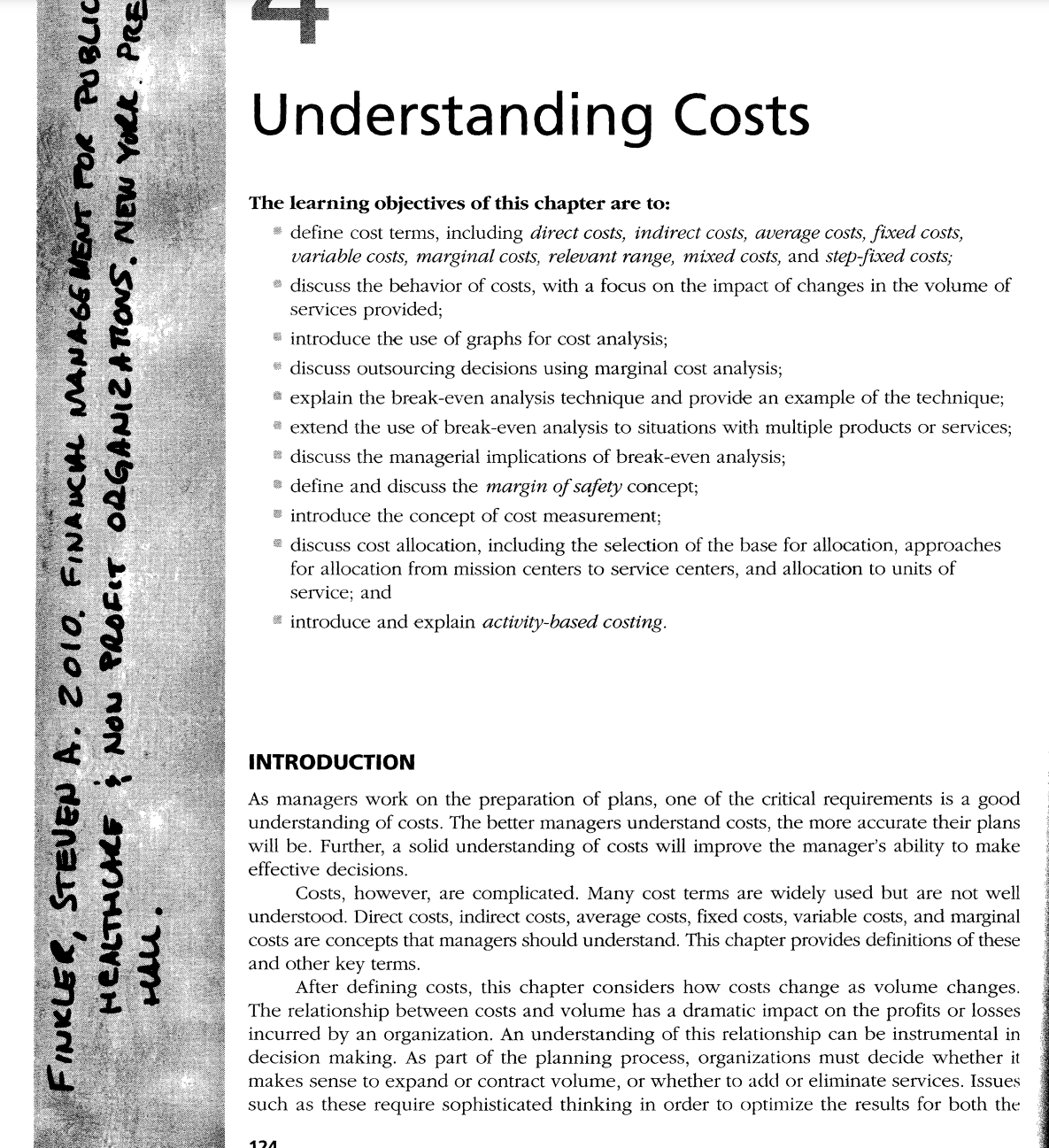
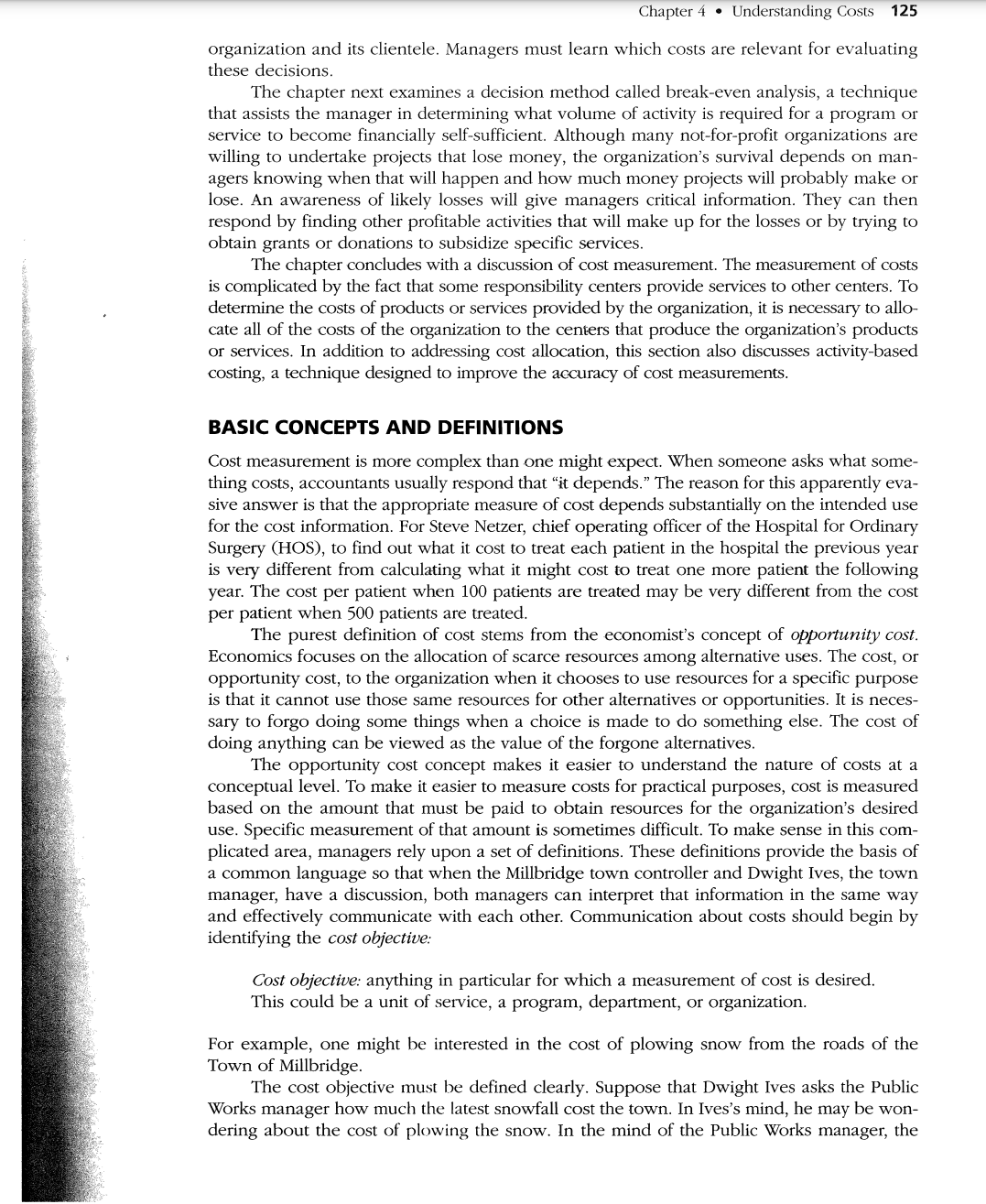
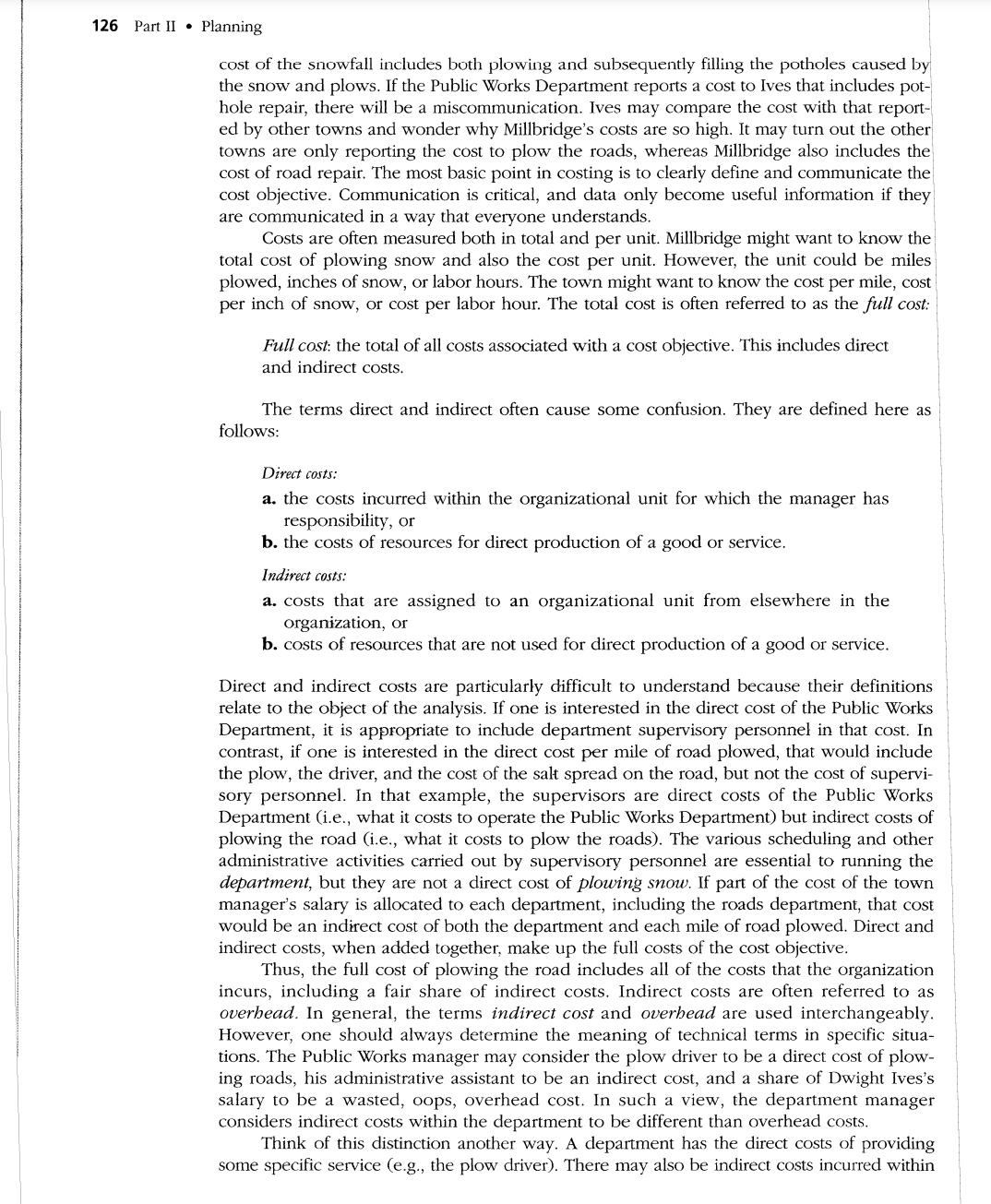
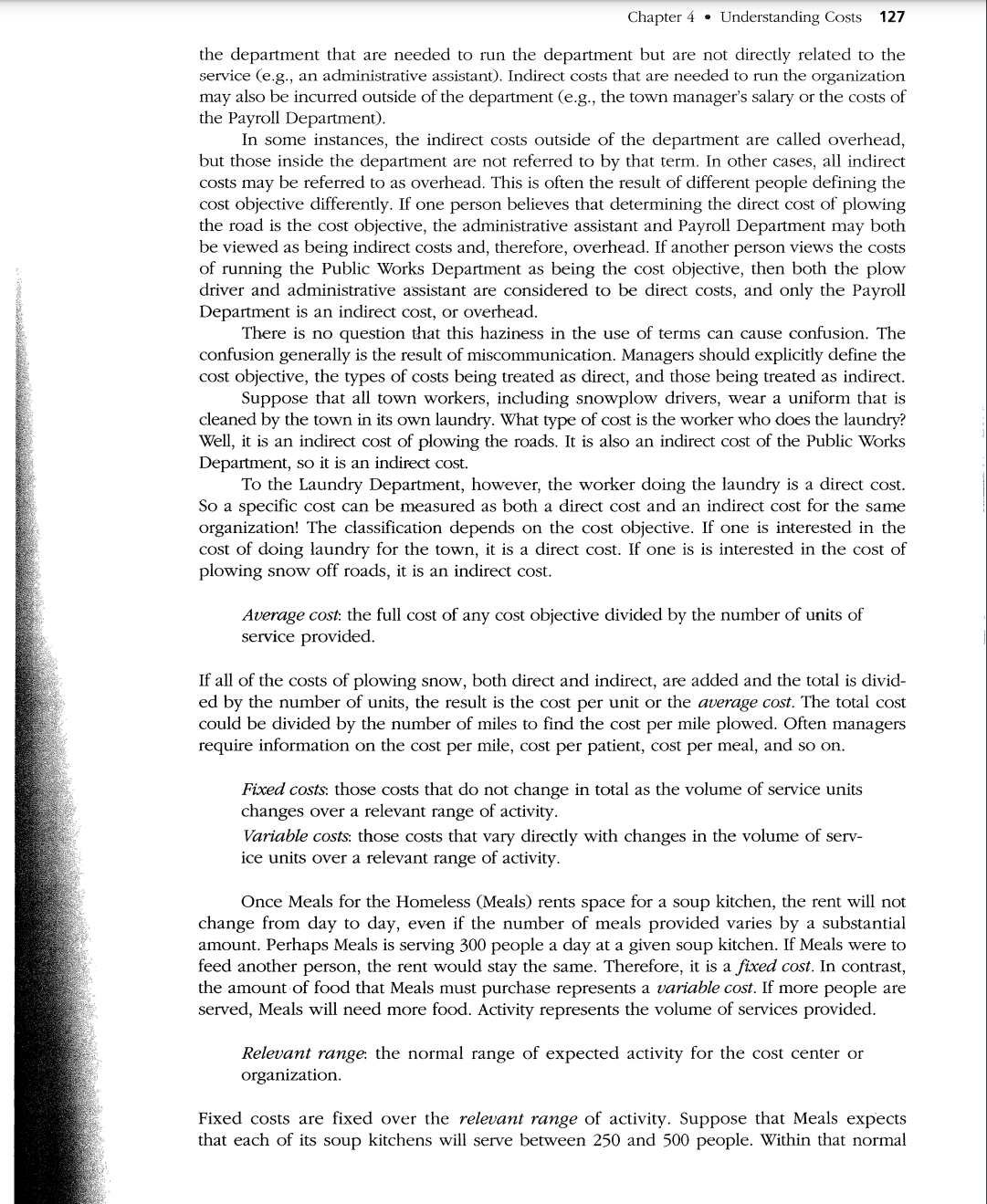
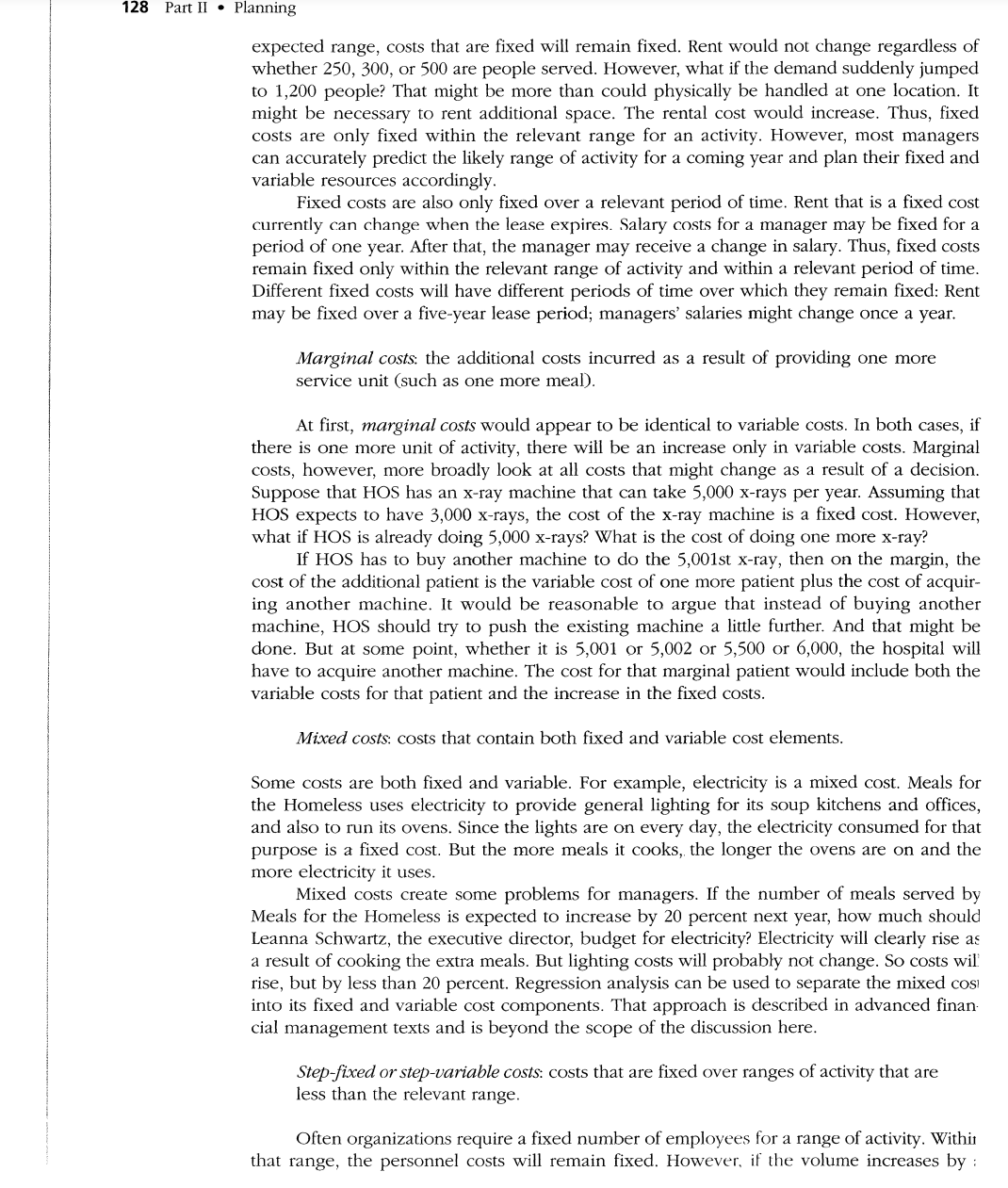
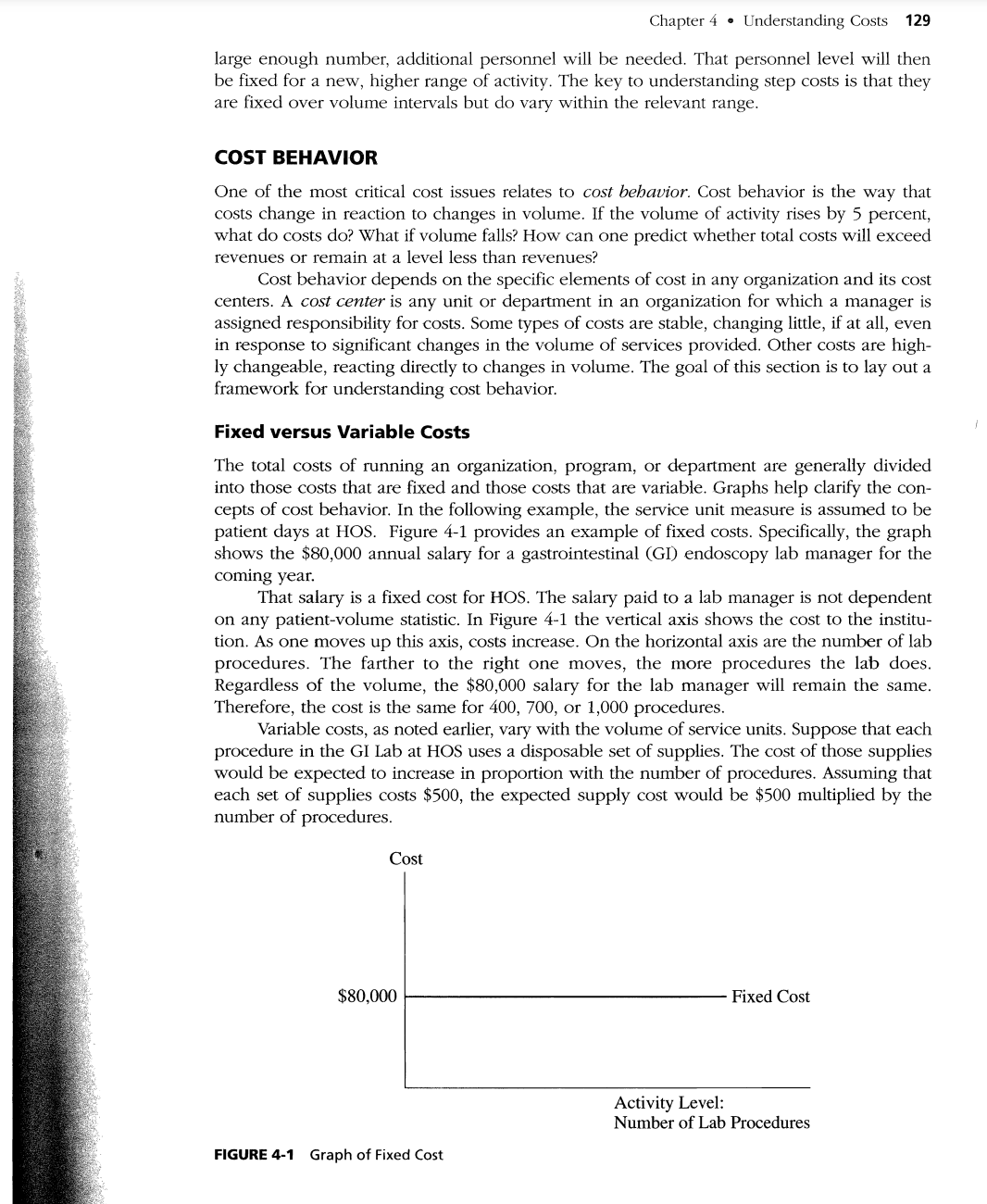
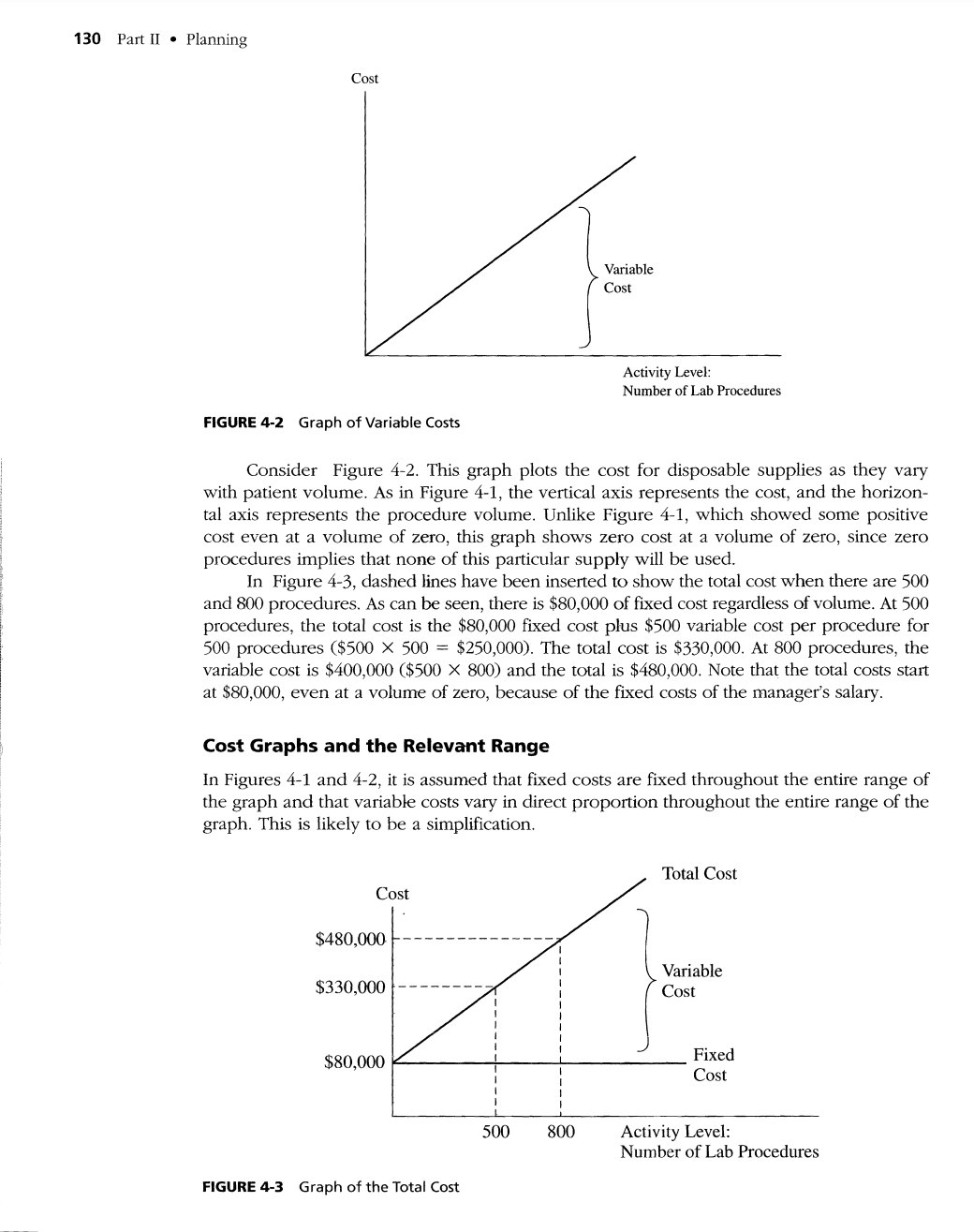
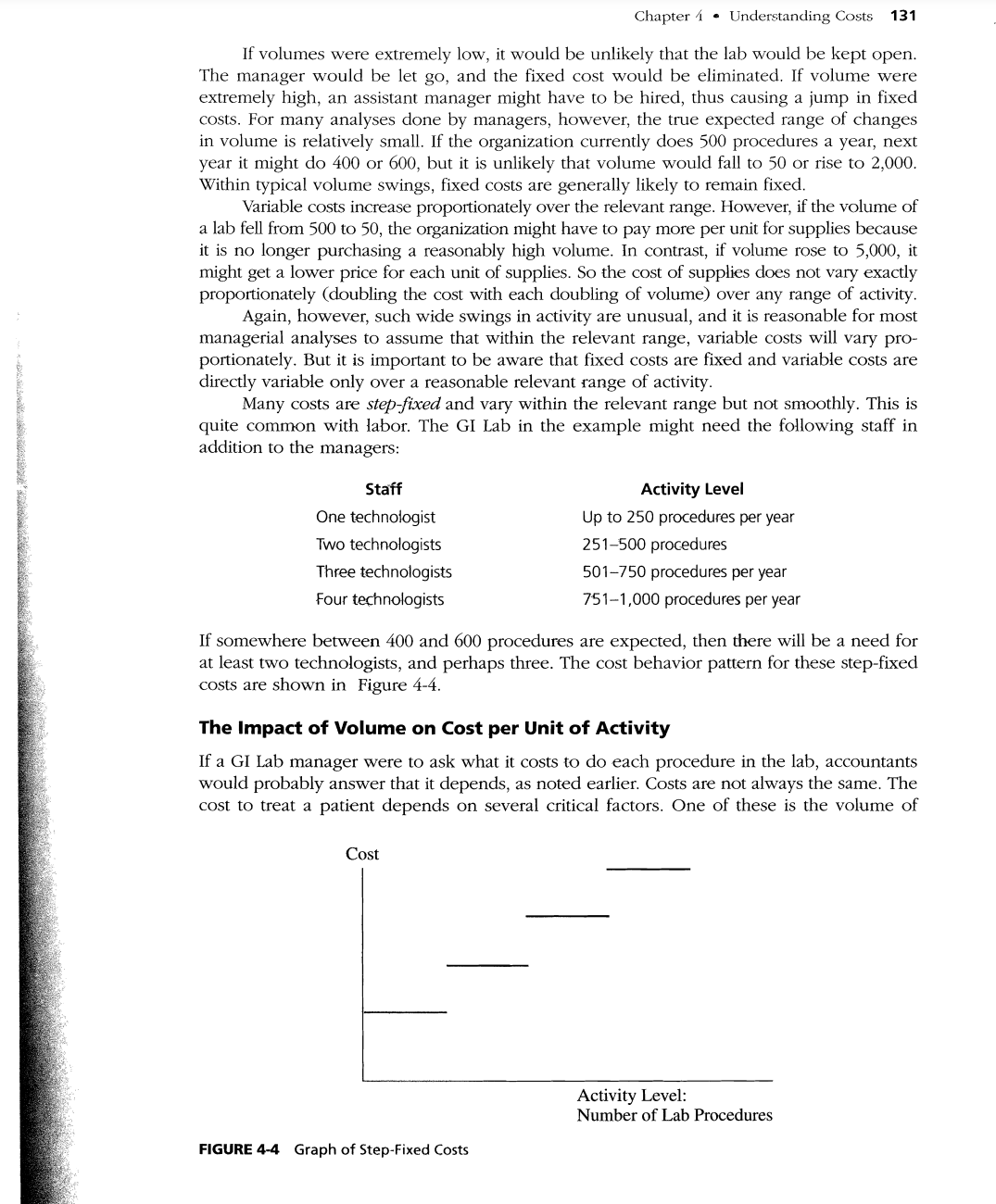
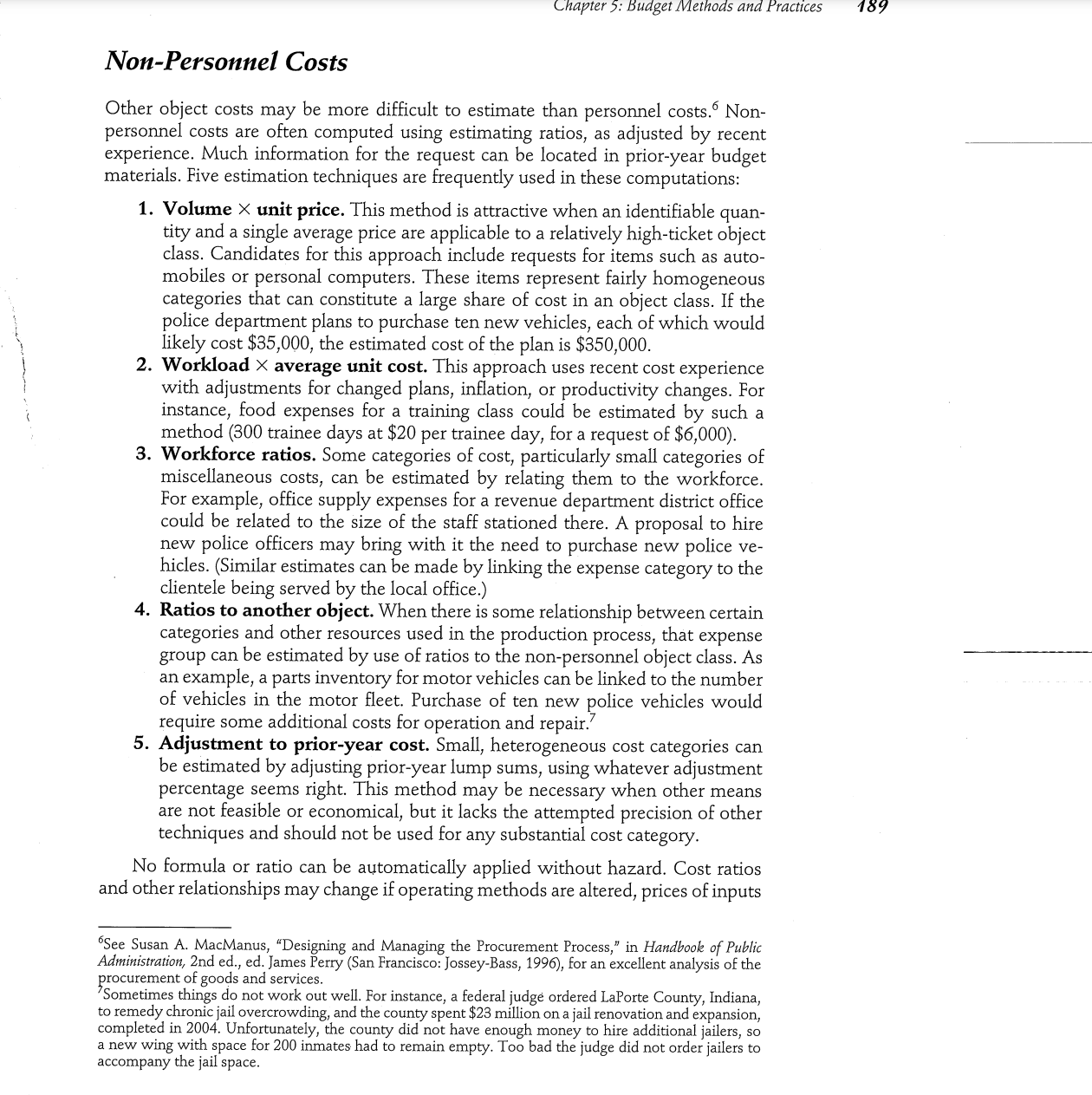
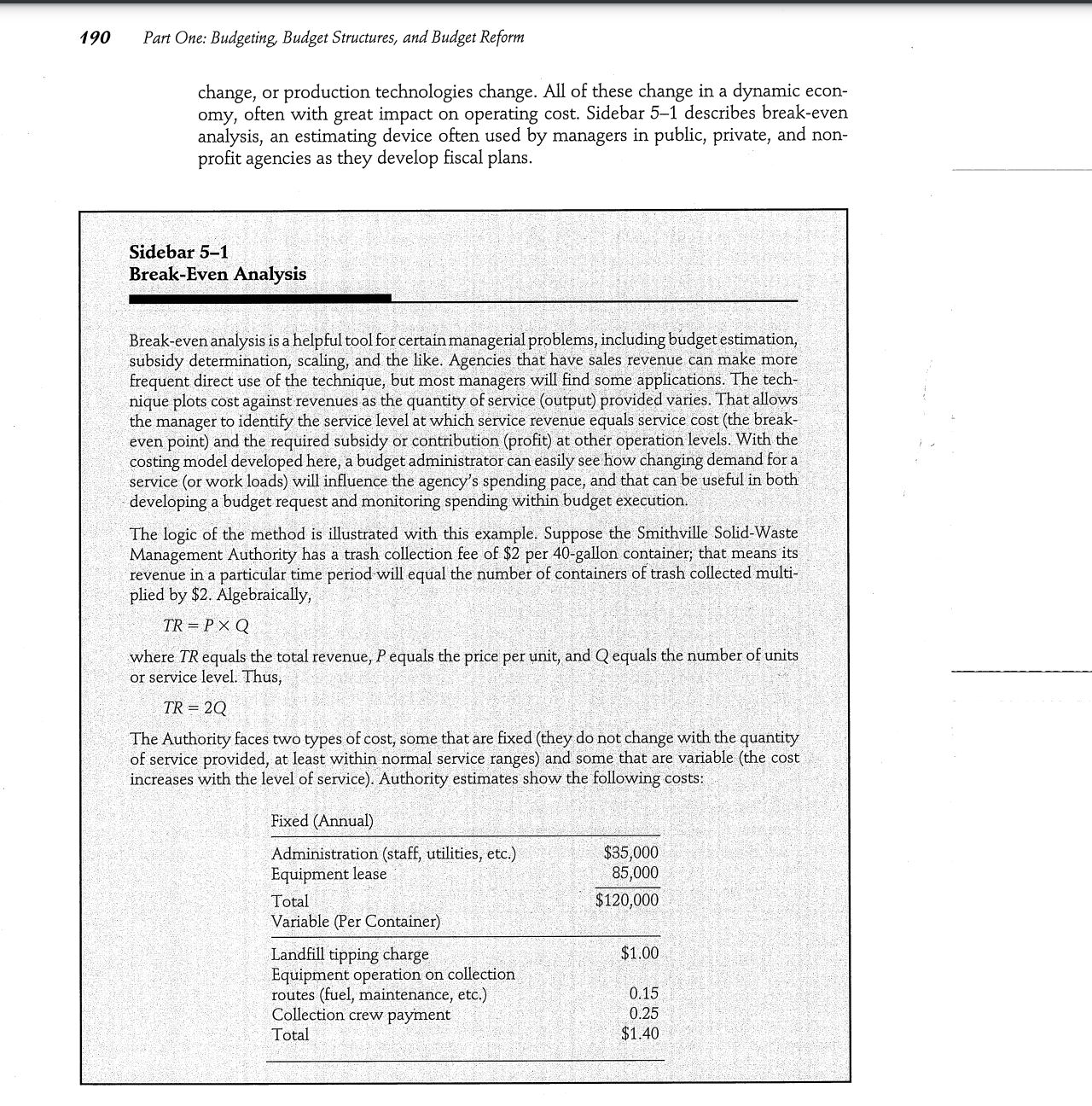
ORGANIZATIONS. NEW YORK PRE FINKLER, STEVEN A. 2010. FINANCIAL MANAGEMENT FOR PUBLIC & NON PROFIT HEALTHCARE HALL Understanding Costs The learning objectives of this chapter are to: * define cost terms, including direct costs, indirect costs, average costs, fixed costs, variable costs, marginal costs, relevant range, mixed costs, and step-fixed costs; * discuss the behavior of costs, with a focus on the impact of changes in the volume of services provided; introduce the use of graphs for cost analysis; * discuss outsourcing decisions using marginal cost analysis; * explain the break-even analysis technique and provide an example of the technique; * extend the use of break-even analysis to situations with multiple products or services; * discuss the managerial implications of break-even analysis; define and discuss the margin of safety concept; introduce the concept of cost measurement; * discuss cost allocation, including the selection of the base for allocation, approaches for allocation from mission centers to service centers, and allocation to units of service; and * introduce and explain activity-based costing. INTRODUCTION As managers work on the preparation of plans, one of the critical requirements is a good understanding of costs. The better managers understand costs, the more accurate their plans will be. Further, a solid understanding of costs will improve the manager's ability to make effective decisions. Costs, however, are complicated. Many cost terms are widely used but are not well understood. Direct costs, indirect costs, average costs, fixed costs, variable costs, and marginal costs are concepts that managers should understand. This chapter provides definitions of these and other key terms. After defining costs, this chapter considers how costs change as volume changes. The relationship between costs and volume has a dramatic impact on the profits or losses incurred by an organization. An understanding of this relationship can be instrumental in decision making. As part of the planning process, organizations must decide whether it makes sense to expand or contract volume, or whether to add or eliminate services. Issues such as these require sophisticated thinking in order to optimize the results for both the 124
Step by Step Solution
There are 3 Steps involved in it
Basic cost concepts What are the definitions of direct costsindirect costsaverage costsfixed costsva... View full answer

Get step-by-step solutions from verified subject matter experts
 Study Help