Question: Write a warm email to Elijah that can be turned into a template for the future. Nancy Sutherland, the president and chief executive officer (CEO)
Write a warm email to Elijah that can be turned into a template for the future.
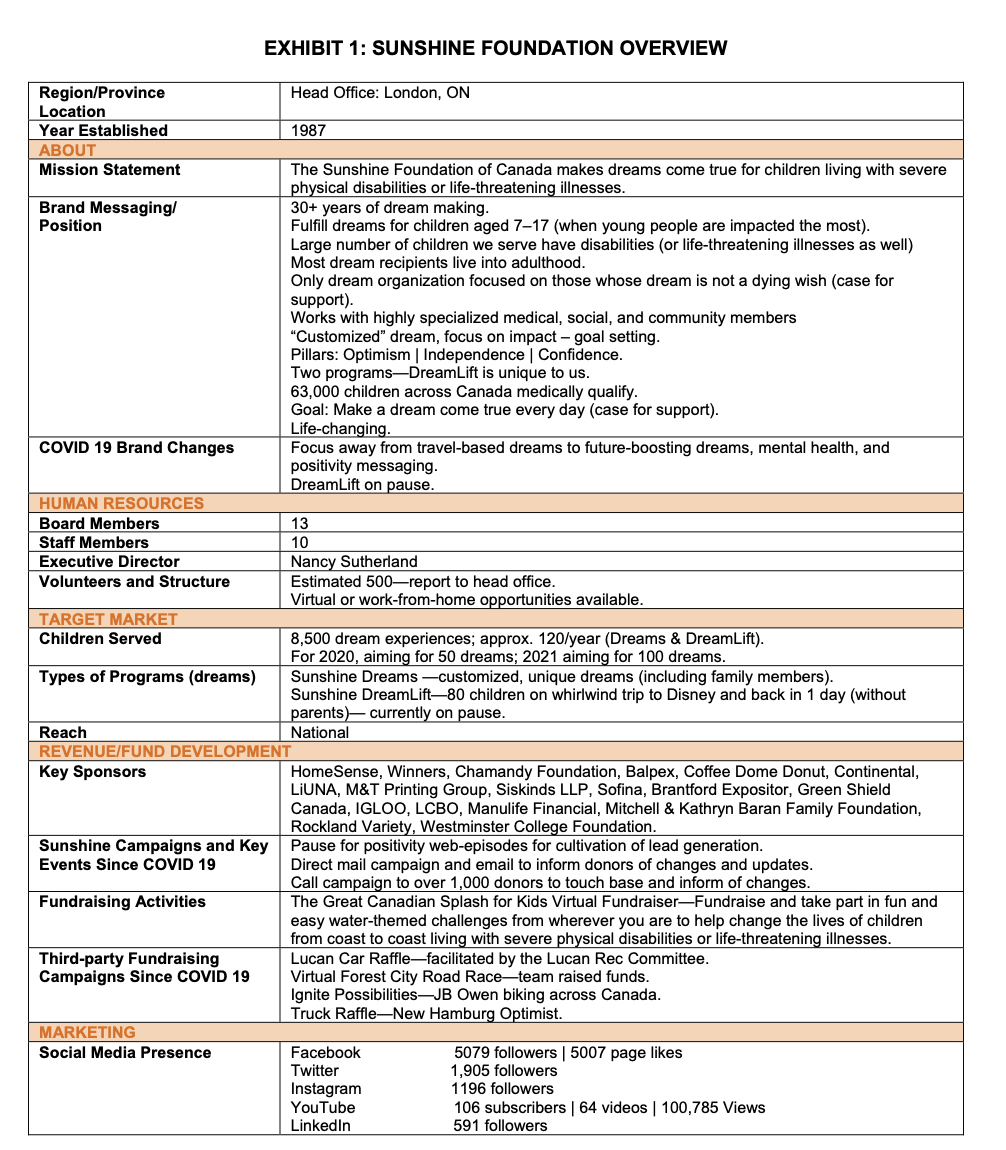
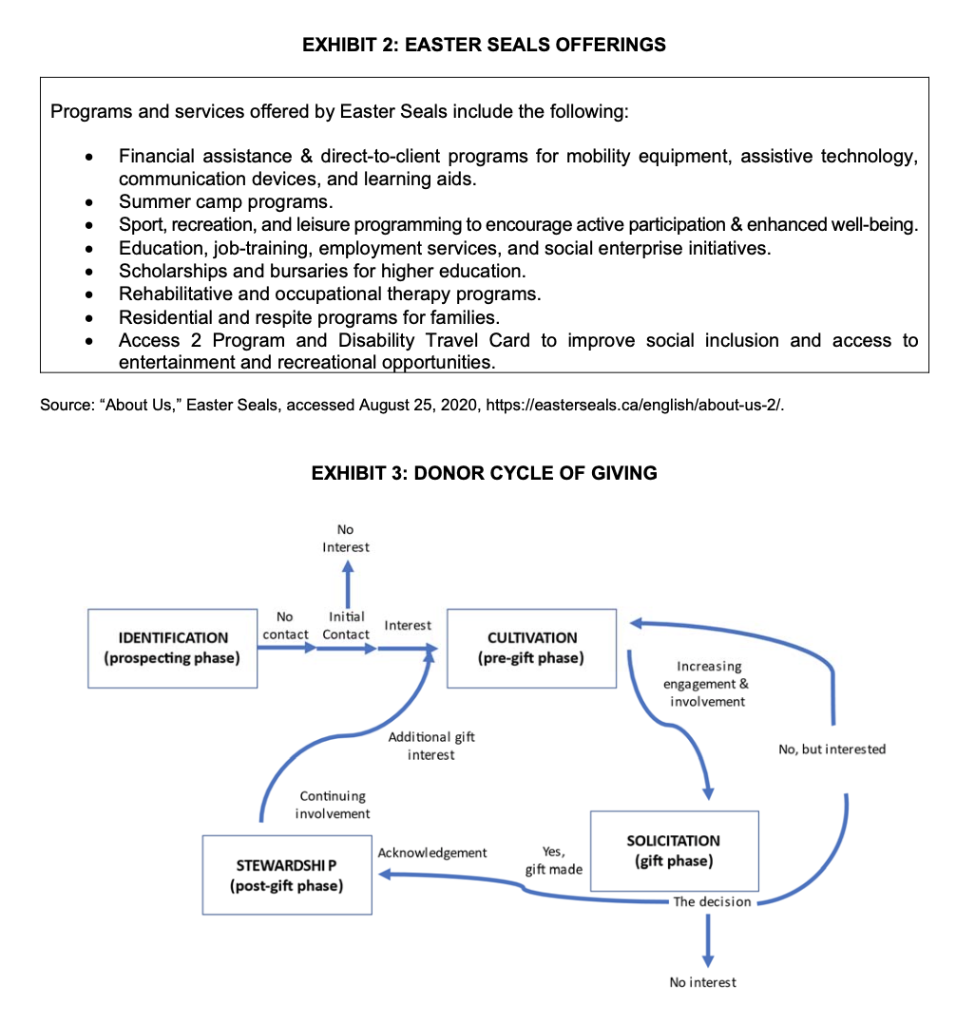
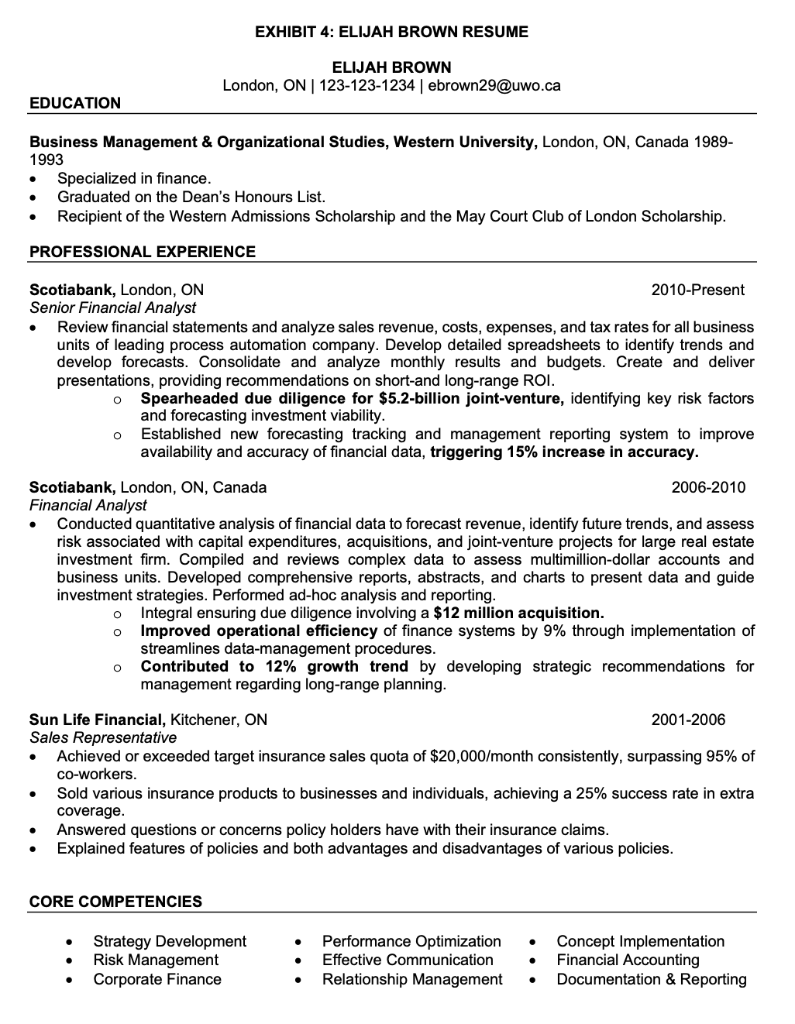
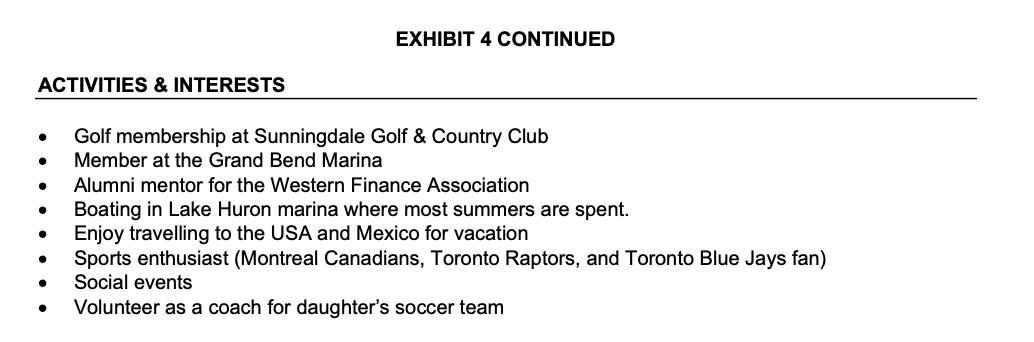
Nancy Sutherland, the president and chief executive officer (CEO) of the Sunshine Foundation of Canada (Sunshine), had been involved with the organization for 15 years as a volunteer, board member, and employee. In 2008, Sunshine's executive director abruptly quit, and Sutherland was asked to temporarily step into the role of president and CEO. Twelve years later, Sutherland remained in the role, and her focus turned to planning for the future. Prior to the coronavirus (COVID-19) pandemic, Sunshine's goal was to grow its partnership and individual donor stream by 30 per cent. However, since the pandemic- which caused the cancellation of all its events in 2020 - the foundation had lost significant revenue from its event stream. To make up for this loss, Sunshine had to increase efforts on individual giving, which historically generated the least revenue. Sutherland prepared to analyze Sunshine's donor acquisition strategy in the competitive social sector while deciding the best way to craft a warm email template that her team could use for future giving-campaigns." With confidence in Sunshine's value proposition, she had to successfully convey its message to prospective donors by creating effective emails for the first outreach touch point. COMPANY BACKGROUND Sunshine was a Canadian, self-funded charity, headquartered in London, Ontario, with a mandate to help change lives. The foundation generated revenue and donations from three different streams: events, partnerships (with corporations, organizations, associations, unions, and so on), and individuals. The Sunshine Dream Experience helped children and youth ages 7-17 with severe physical disabilities or life- threatening illnesses discover new possibilities, build a foundation for independence, and gain the confidence necessary to achieve their goals. A dream thought to be impossible due to barriers and health challenges, was made possible through Sunshine and its trusted medical advisory team. Sunshine was established on June 21, 1987, by a mother and father whose son had died from muscular dystrophy. Prior to his death, many community members had gathered around a kitchen table to provide him with his dream experience. This inspired his parents to pay it forward and recreate similar experiences for other children within the community. They knew of the Sunshine Foundation in the United States, met with the founder to better understand how to make their vision a reality, and then put plans in motion to launch their own organization. Sunshine changed lives with the foundation's two dream programs: Sunshine Dreams, which were customized, varied dream experiences; and Sunshine DreamLift, which was specific organized dream trips to Disney World in Orlando, Florida, or Disneyland in California. Sunshine was unique in that its programs were fundraised for and run - internally. In more than 30 years of dream making, Sunshine had fulfilled over 8,500 dream experiences and 64 Sunshine DreamLifts from coast-to-coast, which was significant progress, but Sunshine had plenty of room for growth as Sunshine estimated 63,000 children across Canada medically qualified for Sunshine Dreams. What started as two parents wanting to improve the lives of children in their community, scaled rapidly into a national foundation with a strong volunteer base across the country. CANADA'S SOCIAL SECTOR Canada's social sector was comprised of 86,000 registered charities and upwards of 84,000 not for profits.? In 2018, Canada's social sector represented 8.1 per cent of Canada's gross domestic product which was approximately $151B. The fundraising pool was becoming increasingly concentrated as 75 per cent of fundraising revenue was generated by only 5 per cent of organizations. Despite the fact that Canadians are known to be philanthropic relative to other countries, the population tended to fund grassroot causes and organizations focused on food, shelter, and clothing. This made revenue generation for charities such as Sunshine, which are not focused on survival essentials, a challenge. As a result of the COVID-19 pandemic, an Imagine Canada survey of 1,458 charities identified that these agencies had seen an average decrease in charity revenues of 30 per cent.' COVID-19 raised awareness about the importance of charities focused on the health and wellbeing of others, but this awareness did not translate into financial support the general population was less willing to donate during the pandemic. THE COMPETITION Within Canada's social sector, no clear distinction was present between direct and indirect competitors because Sunshine and other similarly funded organizations all competed for donor and sponsorship dollars, individual gifts, and event attendance. Within this space, competitors were segmented based on program offerings, donors' personas, and the size of the organization. Given the oversaturated, competitive landscape, Sunshine needed to articulate its differentiation to secure donations (see Exhibit 1). The following represents a mix of charities that Sunshine's ideal donor might support. INDIVIDUAL COMPETITORS Make-A-Wish Canada? Make-A-Wish Canada, based in Toronto, Ontario (ON), was established in 1980 and granted 34,246 wishes as an international affiliate. The foundation's mission was to provide children between the ages of 3-17, who had life-threatening illnesses, the opportunity to realize their most heartfelt wish, giving them the strength to endure their treatments and build resilience. This opportunity was offered through five categories of wishes: I wish to go, I wish to be, I wish to have, I wish to give, and I wish to meet. Easter Seals Easter Seals Canada (Easter Seals), based in Toronto, ON, was established in 1922. Easter Seals was committed to helping children, youth, and young adults with physical disabilities and their families through quality services and programs that were offered at the provincial, regional, and local levels (see Exhibit 2). Easter Seals acted as an effective voice for the needs and interests of these young people and worked to help them reach their full potential and live their lives to the fullest. 10 Children's Hospital Foundations Overall, competing with any other children's hospital foundation was difficult because many were well- established and internationally known. For example, the Hospital for Sick Children in Toronto, ON was a highly regarded hospital and, as a result of its great reputation, had many supporters. Community members were more likely to be aware of their local children's hospital and thus donated to support their immediate community. Nonetheless, drawing attention away from these big, iconic brands and converting these individuals into loyal donors for smaller organizations was often challenging. Unlike other similar Canadian organizations, a Sunshine dream experience was not a child's last wish but an opportunity to help children build confidence, independence, and optimism, leading to a brighter, more hopeful future for the recipients. Sunshine's constant battle was to find and retain reliable donors who supported the constantly increasing number of children's dreams. THE ACQUISITION PROBLEM Challenges Sunshine's organizational challenges included the staff churn rate and the overcrowded competitive landscape. Both interfered with the focus: donor acquisition. Donor acquisition was the process by which Sunshine's brand was pitched, and prospects were converted into donors. Staff retention impacted Sunshine's revenue. Given the highly personalized nature of the social sector, having high sales representative turnover caused significant challenges for donor follow up. Reformulating relationships disrupted customer continuity and thus, was not ideal. As a result, Sunshine aimed for a high level of brand affinity; the foundation benefited when donations were based on a vested interest in the cause rather than on the donor's relationships with the salesforce. This interest in the cause helped sustain revenue generation. While Sunshine used a diversified fundraising strategy through events, partnerships, and individual donations, the most productive opportunity in Canada was to connect with people individually. However, the abundance of competition made it more difficult to secure funds in the individual-giving category. Being a smaller organization among the thousands of other registered charitiessome much larger and better known Sunshine's access to resources was limited. Notably, awareness did not work in the foundation's favour because, even if people knew about the charity, this awareness did not guarantee a conversion into a donation. This meant that every year Sunshine's revenue began at zero with no guaranteed returning donors. Sales Process Sutherland believed the fund development team's job was to access and activate other people's connections and engineer a relationship when appropriate." One of the primary goals of the leadership team was to continuously improve on Sunshine's donor acquisition strategy, by effectively executing the donor cycle of giving (see Exhibit 3). Most donations came from warm leads that were generated by leveraging the networks of existing board members, volunteers, and staff members. The process began with relationship- mapping and ended with the creation of a customized approach to begin cultivation. While Sunshine was categorized as a charity, every function of the business worked towards generating revenue for Sunshine to run programs and deliver on its promise to the stakeholders. Sunshine was categorized as a charity but was also a sales organization operations could not be sustained without selling the brand daily. IDEAL CUSTOMER Sunshine's relationships and donor pipeline were the organization's lifeline. Regular research was conducted to update current donor profiles and revise their strategy to target ideal donors. Taking these steps put Sunshine in a position to better inform whom they should target and created a path to optimize conversion potential. While Sunshine was satisfied with its progress to date, the charity was looking for an effective way to attract more donor profiles similar to Elijah Brown, who maintained regular involvement with Sunshine through golf events and networking (see Exhibit 4). CONCLUSION Sutherland opened her relationship mapping application and documented her potential prospects. As she prepared to meet one of the fund development team members to look over the next steps in developing a board member's warm lead, Sutherland knew she needed to provide a warm email template suitable for prospective donors like Elijah Brown. She had a sense for what worked but needed to research helpful resources to better articulate some cold email best practices that the team could use. Not only would this template set the tone for all future communication efforts (i.e., messages or emails), if done well it could drive millions in incremental donations to help Sunshine fulfill its mission. In order to craft the email, Sutherland had to clearly outline what made Sunshine different from the thousands of other competitors and highlight why the prospect might be interested in becoming a Sunshine donor. Beyond the feel-good sensation that donors receive upon giving back to the community, charitable giving can be a tax strategy for the purpose of increasing wealth. Those were only two of the potential motivations for donations. The biggest hurdle was describing what exactly Sunshine was selling, but another important element included what Sutherland needed to write to convert these prospects into new Sunshine donors. For this approach to be successful, the email needed to convey the potential impact of donating. Sutherland knew that the level of personalization within the email would have a significant impact on a response. With no time to spare she pulled up Elijah Brown's resume from LinkedIn and began composing the email. EXHIBIT 1: SUNSHINE FOUNDATION OVERVIEW Region/Province Head Office: London, ON Location Year Established 1987 ABOUT Mission Statement The Sunshine Foundation of Canada makes dreams come true for children living with severe physical disabilities or life-threatening illnesses. Brand Messaging/ 30+ years of dream making. Position Fulfill dreams for children aged 717 (when young people are impacted the most). Large number of children we serve have disabilities (or life-threatening illnesses as well) Most dream recipients live into adulthood. Only dream organization focused on those whose dream is not a dying wish (case for support) Works with highly specialized medical, social, and community members "Customized" dream, focus on impact - goal setting. Pillars: Optimism Independence Confidence. Two programsDreamLift is unique to us. 63,000 children across Canada medically qualify. Goal: Make a dream come true every day (case for support). Life-changing. COVID 19 Brand Changes Focus away from travel-based dreams to future-boosting dreams, mental health, and positivity messaging. DreamLift on pause. HUMAN RESOURCES Board Members 13 Staff Members 10 Executive Director Nancy Sutherland Volunteers and Structure Estimated 500report to head office. Virtual or work-from-home opportunities available. TARGET MARKET Children Served 8,500 dream experiences; approx. 120/year (Dreams & DreamLift). For 2020, aiming for 50 dreams; 2021 aiming for 100 dreams. Types of Programs (dreams) Sunshine Dreams -customized, unique dreams (including family members). Sunshine DreamLift80 children on whirlwind trip to Disney and back in 1 day (without parents) - currently on pause. Reach National REVENUE/FUND DEVELOPMENT Key Sponsors Home Sense, Winners, Chamandy Foundation, Balpex, Coffee Dome Donut, Continental, LIUNA, M&T Printing Group, Siskinds LLP, Sofina, Brantford Expositor, Green Shield Canada, IGLOO, LCBO, Manulife Financial, Mitchell & Kathryn Baran Family Foundation, Rockland Variety, Westminster College Foundation. Sunshine Campaigns and Key Pause for positivity web-episodes for cultivation of lead generation. Events Since COVID 19 Direct mail campaign and email to inform donors of changes and updates. Call campaign to over 1,000 donors to touch base and inform of changes. Fundraising Activities The Great Canadian Splash for Kids Virtual Fundraiser-Fundraise and take part in fun and easy water-themed challenges from wherever you are to help change the lives of children from coast to coast living with severe physical disabilities or life-threatening illnesses. Third-party Fundraising Lucan Car Raffle-facilitated by the Lucan Rec Committee. Campaigns Since COVID 19 Virtual Forest City Road Race-team raised funds. Ignite PossibilitiesJB Owen biking across Canada. Truck Raffle-New Hamburg Optimist. MARKETING Social Media Presence Facebook 5079 followers 5007 page likes Twitter 1,905 followers Instagram 1196 followers YouTube 106 subscribers 64 videos 100,785 Views LinkedIn 591 followers EXHIBIT 2: EASTER SEALS OFFERINGS Programs and services offered by Easter Seals include the following: Financial assistance & direct-to-client programs for mobility equipment, assistive technology, communication devices, and learning aids. Summer camp programs. Sport, recreation, and leisure programming to encourage active participation & enhanced well-being. Education, job-training, employment services, and social enterprise initiatives. Scholarships and bursaries for higher education. Rehabilitative and occupational therapy programs. Residential and respite programs for families. Access 2 Program and Disability Travel Card to improve social inclusion and access to entertainment and recreational opportunities. . . Source: "About Us," Easter Seals, accessed August 25, 2020, https://easterseals.ca/english/about-us-21. EXHIBIT 3: DONOR CYCLE OF GIVING No Interest No Initial contact Contact Interest IDENTIFICATION (prospecting phase) CULTIVATION (pre-gift phase) Increasing engagement & involvement Additional gift interest No, but interested Continuing involvement Acknowledgement SOLICITATION (gift phase) Yes, gift made STEWARDSHIP (post-gift phase) The decision No interest EXHIBIT 4: ELIJAH BROWN RESUME ELIJAH BROWN London, ON | 123-123-1234 ebrown29@uwo.ca EDUCATION Business Management & Organizational Studies, Western University, London, ON, Canada 1989- 1993 Specialized in finance. Graduated on the Dean's Honours List. Recipient of the Western Admissions Scholarship and the May Court Club of London Scholarship. . PROFESSIONAL EXPERIENCE Scotiabank, London, ON 2010-Present Senior Financial Analyst Review financial statements and analyze sales revenue, costs, expenses, and tax rates for all business units of leading process automation company. Develop detailed spreadsheets to identify trends and develop forecasts. Consolidate and analyze monthly results and budgets. Create and deliver presentations, providing recommendations on short-and long-range ROI. Spearheaded due diligence for $5.2-billion joint-venture, identifying key risk factors and forecasting investment viability. Established new forecasting tracking and management reporting system to improve availability and accuracy of financial data, triggering 15% increase in accuracy. O 0 Scotiabank, London, ON, Canada 2006-2010 Financial Analyst Conducted quantitative analysis of financial data to forecast revenue, identify future trends, and assess risk associated with capital expenditures, acquisitions, and joint-venture projects for large real estate investment firm. Compiled and reviews complex data to assess multimillion-dollar accounts and business units. Developed comprehensive reports, abstracts, and charts to present data and guide investment strategies. Performed ad-hoc analysis and reporting. Integral ensuring due diligence involving a $12 million acquisition. Improved operational efficiency of finance systems by 9% through implementation of streamlines data-management procedures. Contributed to 12% growth trend by developing strategic recommendations for management regarding long-range planning. o O O Sun Life Financial, Kitchener, ON 2001-2006 Sales Representative Achieved or exceeded target insurance sales quota of $20,000/month consistently, surpassing 95% of co-workers. Sold various insurance products to businesses and individuals, achieving a 25% success rate in extra coverage. Answered questions or concerns policy holders have with their insurance claims. Explained features of policies and both advantages and disadvantages of various policies. CORE COMPETENCIES Strategy Development Risk Management Corporate Finance Performance Optimization Effective Communication Relationship Management Concept Implementation Financial Accounting Documentation & Reporting . EXHIBIT 4 CONTINUED ACTIVITIES & INTERESTS . C . Golf membership at Sunningdale Golf & Country Club Member at the Grand Bend Marina Alumni mentor for the Western Finance Association Boating in Lake Huron marina where most summers are spent. Enjoy travelling to the USA and Mexico for vacation Sports enthusiast (Montreal Canadians, Toronto Raptors, and Toronto Blue Jays fan) Social events Volunteer as a coach for daughter's soccer team 0









 Study Help