







Question: ASSIGNMENT IS BASED ON THE BELOW RESEARCH AND HAVE 5 QUESTIONS SURVEY RESEARCH TOPICS APPROPRIATE FOR SURVEY RESEARCH Today, survey research is a frequently used
ASSIGNMENT IS BASED ON THE BELOW RESEARCH AND HAVE 5 QUESTIONS
SURVEY RESEARCH
TOPICS APPROPRIATE FOR SURVEY RESEARCH
- Today, survey research is a frequently used mode of observation in the social sciences.
- In a typical survey, the researcher selects a sample of respondents and administers a standardized questionnaire to them.
- Surveys may be used for descriptive, explanatory, and exploratory purposes.
- They are chiey used in studies that have individual people as the units of analysis. Although this method can be employed for other units of analysis, such as groups or interactions, some individual persons must serve as respondents or informants. Thus, we could undertake a survey in which divorces were the unit of analysis, but we would need to administer the survey questionnaire to the participants in the divorces (or to some other respondents).
- Survey research is probably the best method available to the social researcher who is interested in collecting original data for describing a population too large to observe directly.
- Careful probability sampling provides a group of respondents whose characteristics may be taken to reect those of the larger population, and carefully constructed standardized questionnaires provide data in the same form from all respondents.
- Surveys are also excellent vehicles for measuring attitudes and orientations in a large population.
- The general attitude toward public opinion research is further complicated by scientically unsound surveys that nonetheless capture peoples attention because of the topics they cover and/or their ndings.
- By the same token, political parties and charitable organizations have begun conducting phony surveys.
- Done properly, however, survey research can be a useful tool of social inquiry. Designing useful (and trustworthy) survey research begins with formulating good questions.
SURVEY TYPES
COMPUTER-ASSISTED TELEPHONE
INTERVIEWING (CATI)
- Computers are also changing the nature of telephone interviewing. One innovation is computer-assisted telephone interviewing (CATI). This method is increasingly used by academic, government, and commercial survey researchers.
- Imagine an interviewer wearing a telephone headset, sitting in front of a computer terminal and its video screen. The central computer selects a telephone number at random and dials it. On the video screen is an introduction (Hello, my name is ...) and the rst question to be asked (Could you tell me how many people live at this address?).
- Computer-assisted telephone interviewing (CATI): A data-collection technique in which a telephone-survey questionnaire is stored in a computer, permitting the interviewer to read the questions from the monitor and enter the answers on the computer keyboard.
- When the respondent answers the phone, the interviewer says hello, introduces the study, and asks the rst question displayed on the screen. When the respondent answers the question, the interviewer types that answer into the computer terminaleither the verbatim response to an open-ended question or the code category for the appropriate answer to a closedended question. The answer is immediately stored in the computer. The second question appears on the video screen, is asked, and the answer is entered into the computer. Thus, the interview continues.
- In addition to the obvious advantages in terms of data collection, CATI automatically prepares the data for analysis; in fact, the researcher can begin analyzing the data before the interviewing is complete, thereby gaining an advanced view of how the analysis will turn out.
- It is also possible to go a step further than computer-assisted interviews. With the innovation of so-called robo-polls, the entire interview is conducted by a programmed recording that can interpret the spoken answers of respondents. This discussion may remind you of the robo-calls in which a recorded voice presents a politica or commercial message once you answer your phone. Robo-polls go a step further through the use of Interactive Voice Recognition (IVR).
- The computer is programmed to interpret the respondents answers, record them, and determine how to continue the interview appropriately.
SURVEY QUESTION TYPES
(OTHER TYPES OF INSTRUMENTS
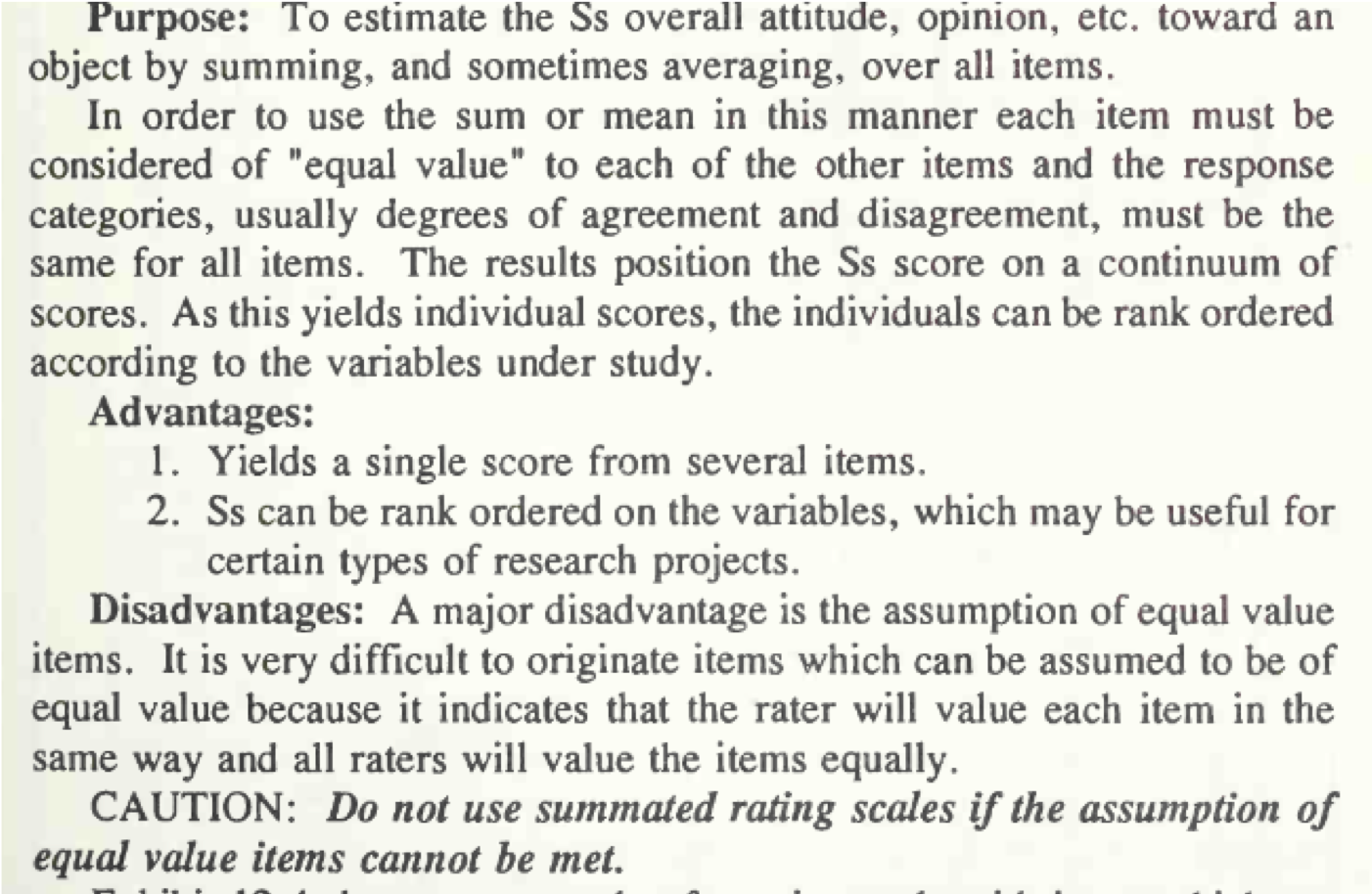
- Summated rating scales are usually associated with attitude measurement but have been used to measure other types of variables.
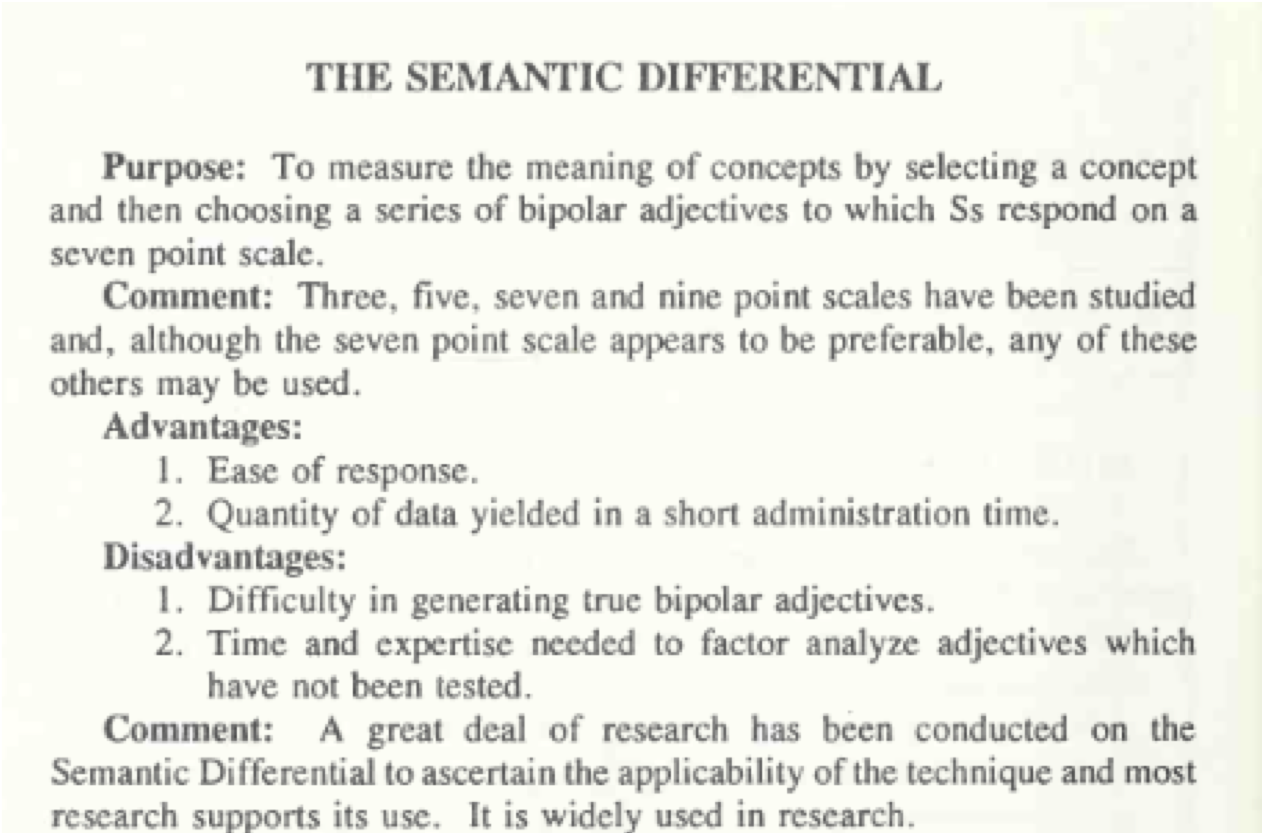
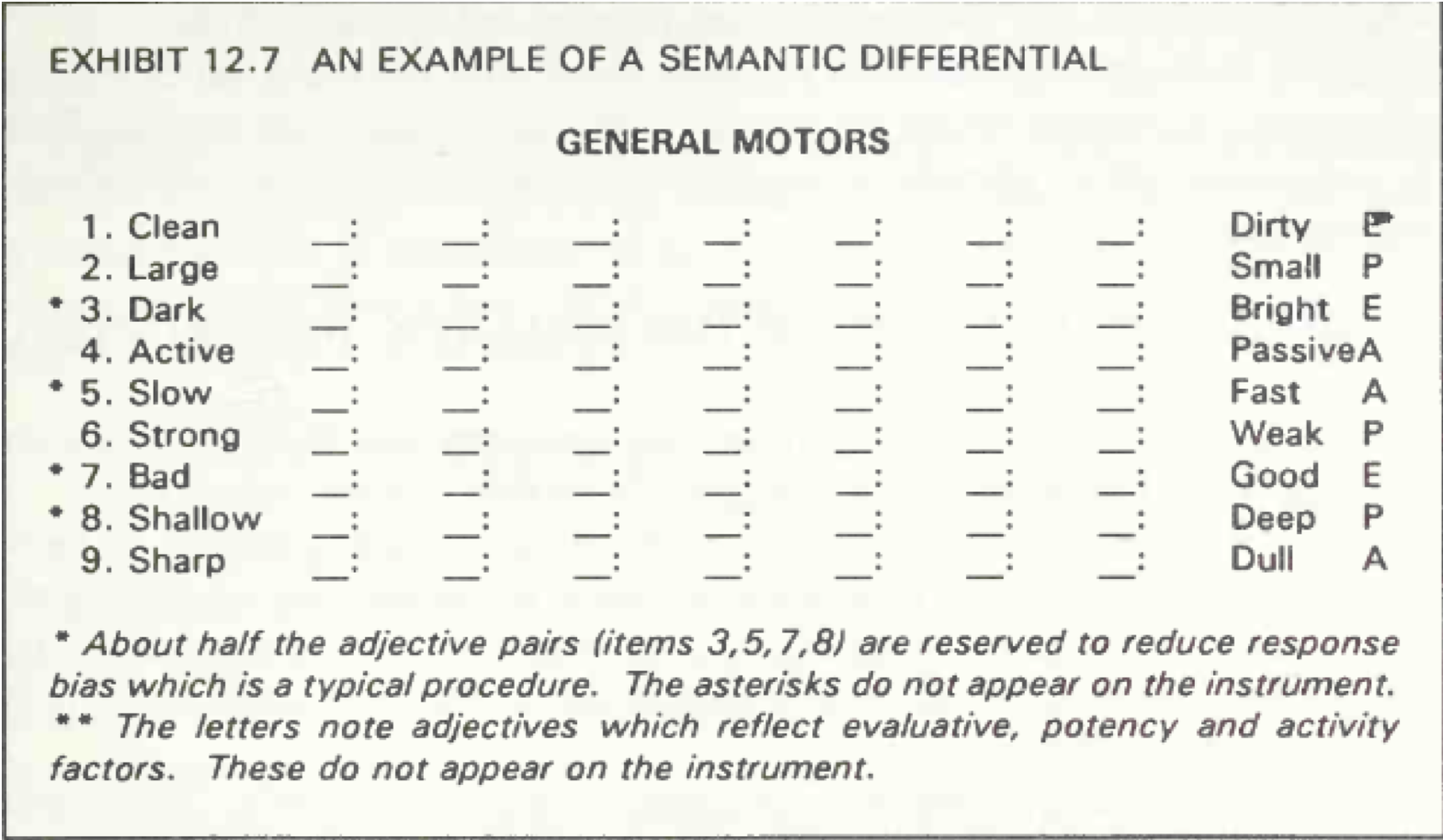
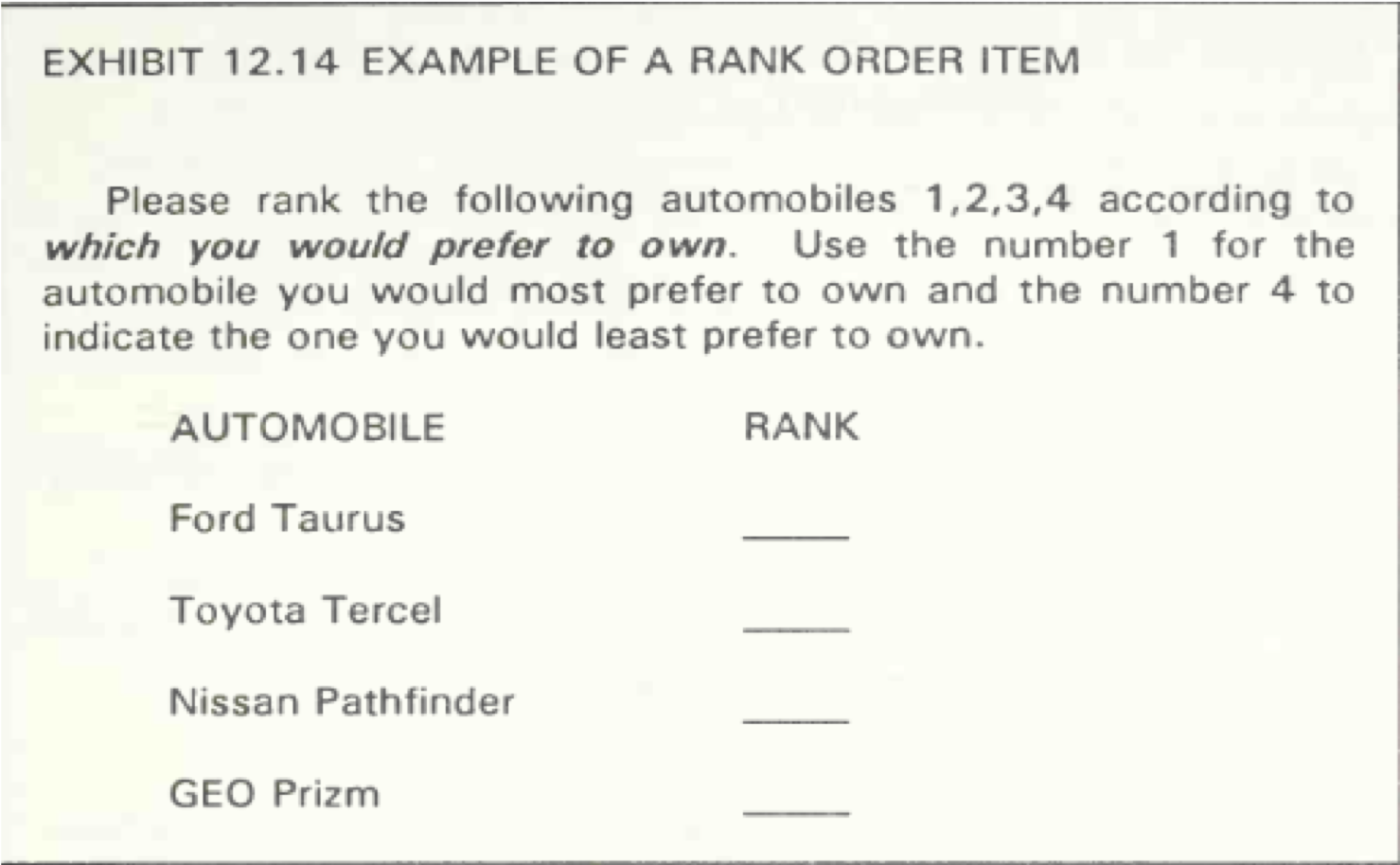
RANK ORDER METHODS
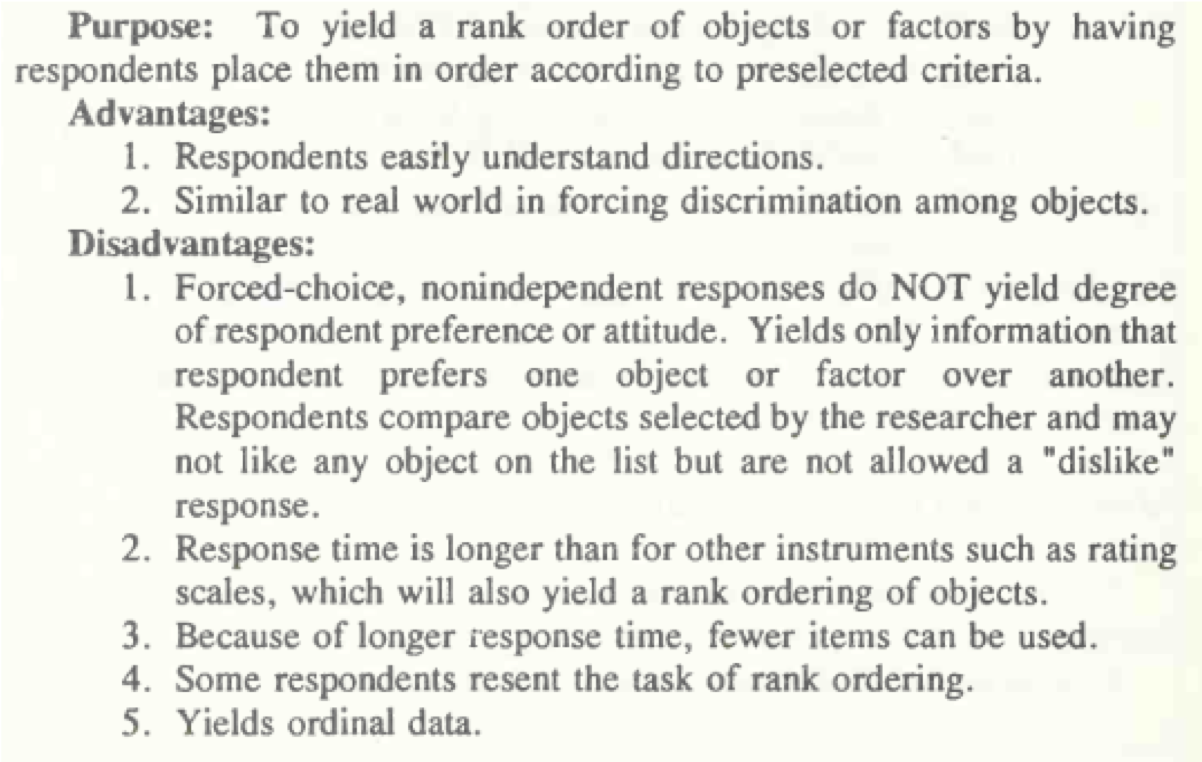
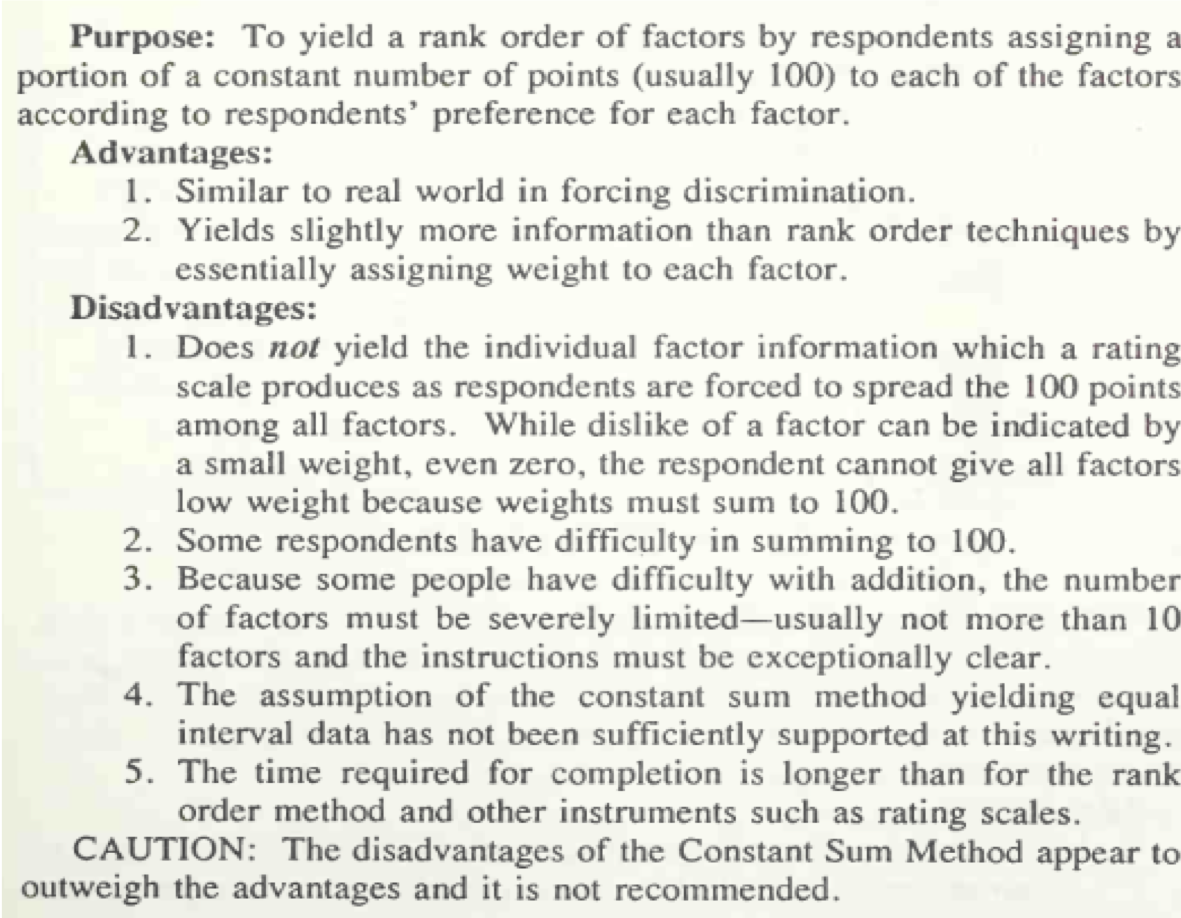
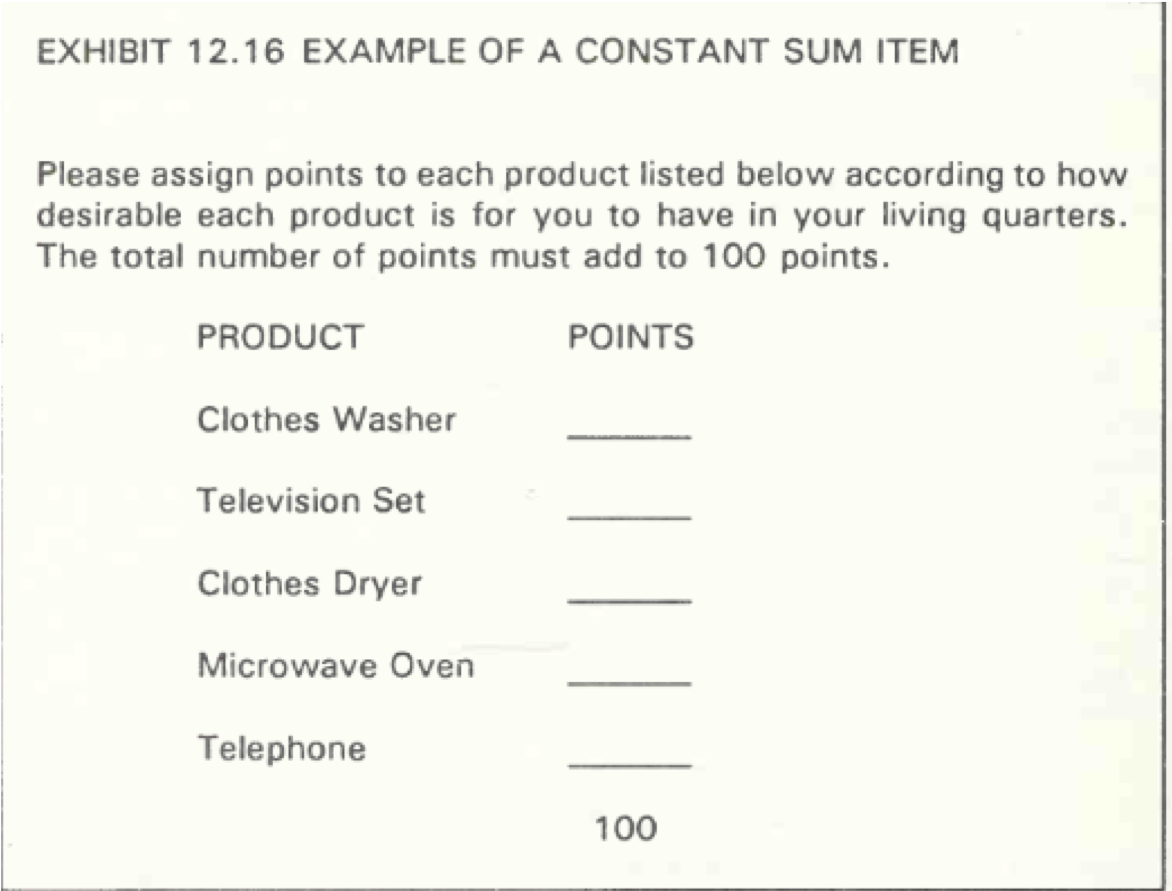
THE CONSTANT SUM METHOD
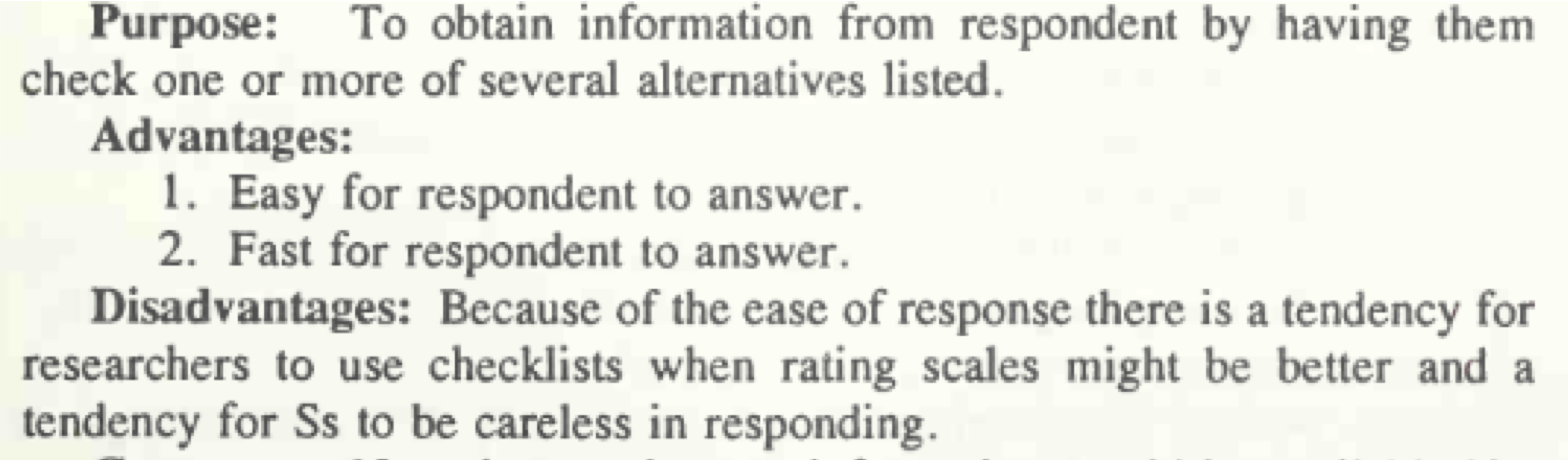
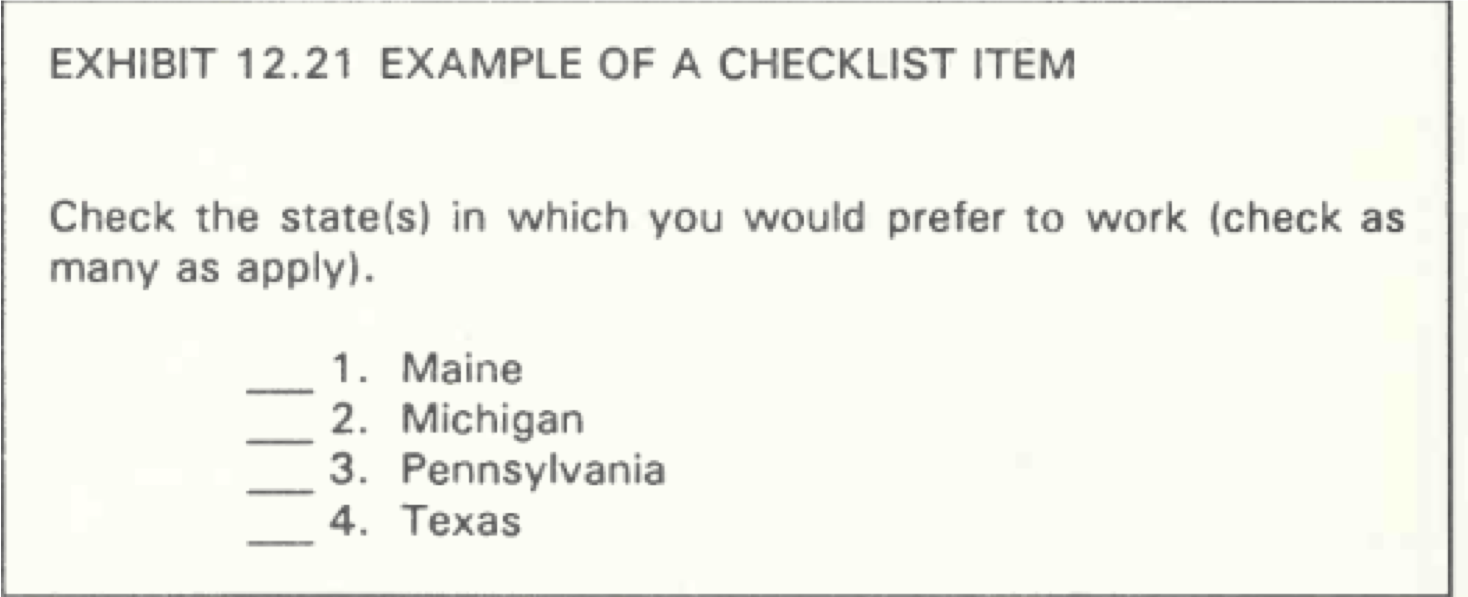
CHECKLIST
Your assignment has to be about Survey, this assignment has to include:
2. The advantages and disadvantages of the Survey data collection technique
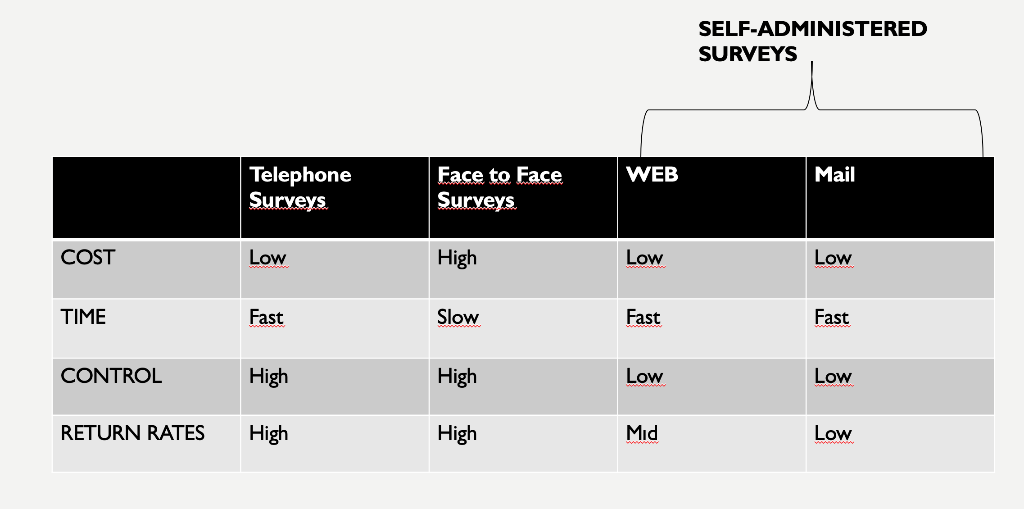
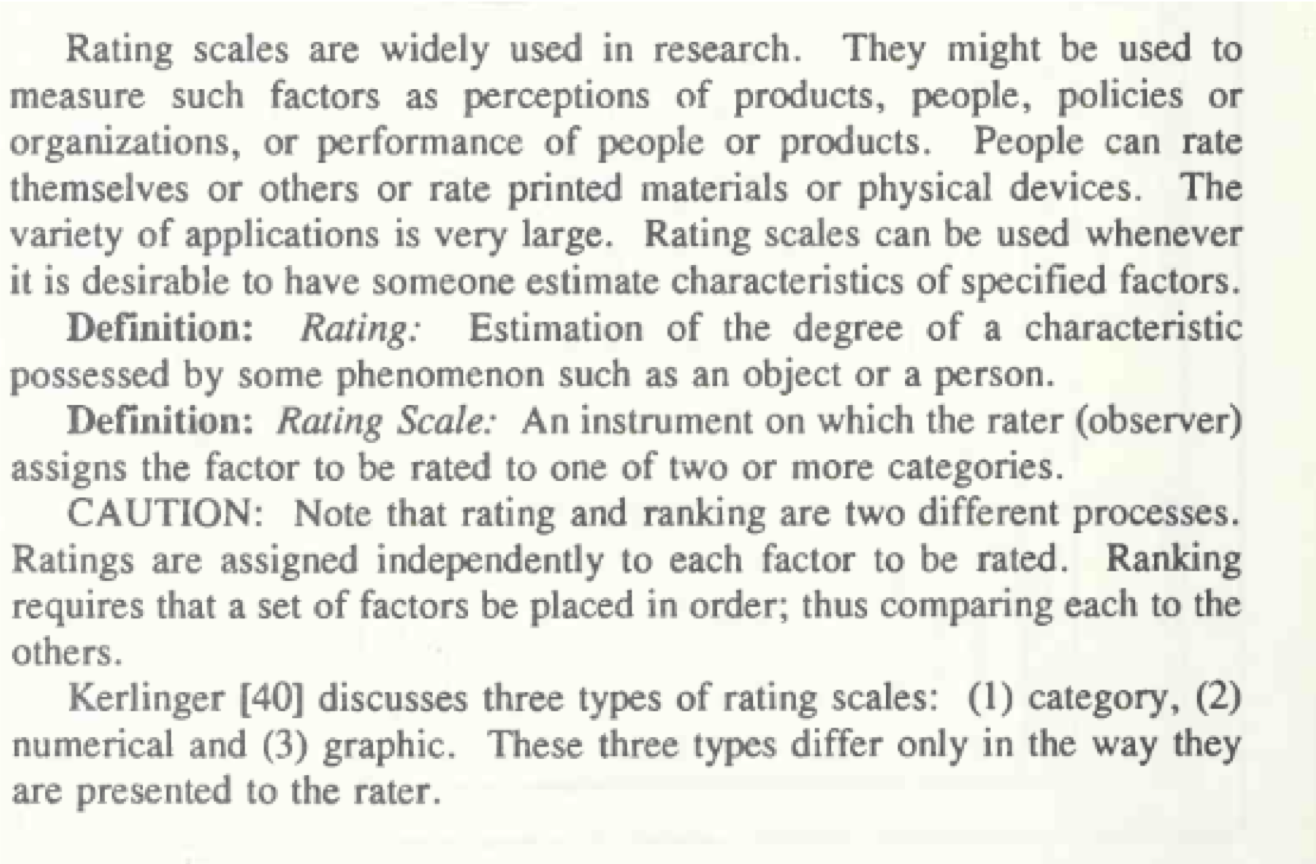
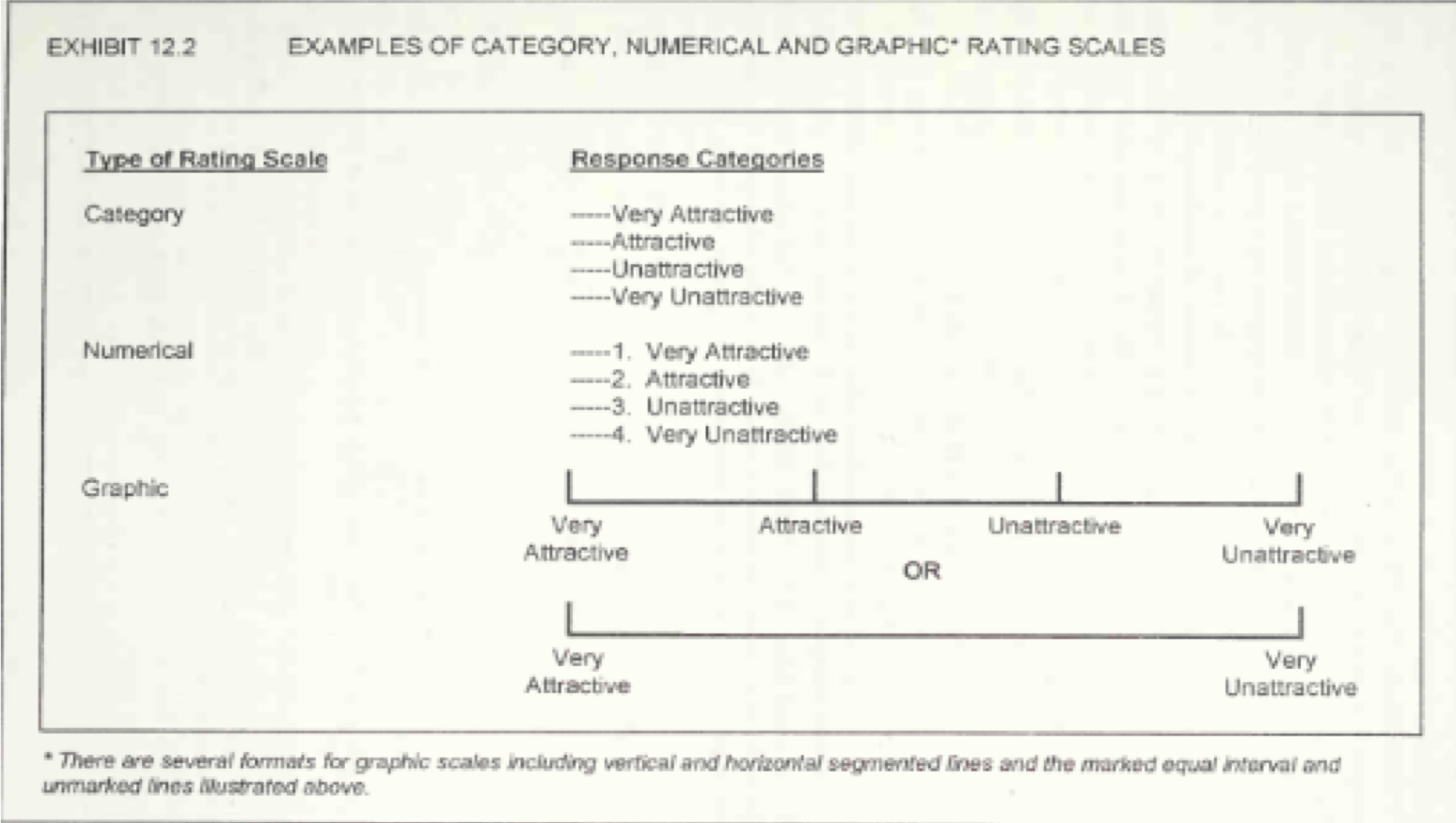
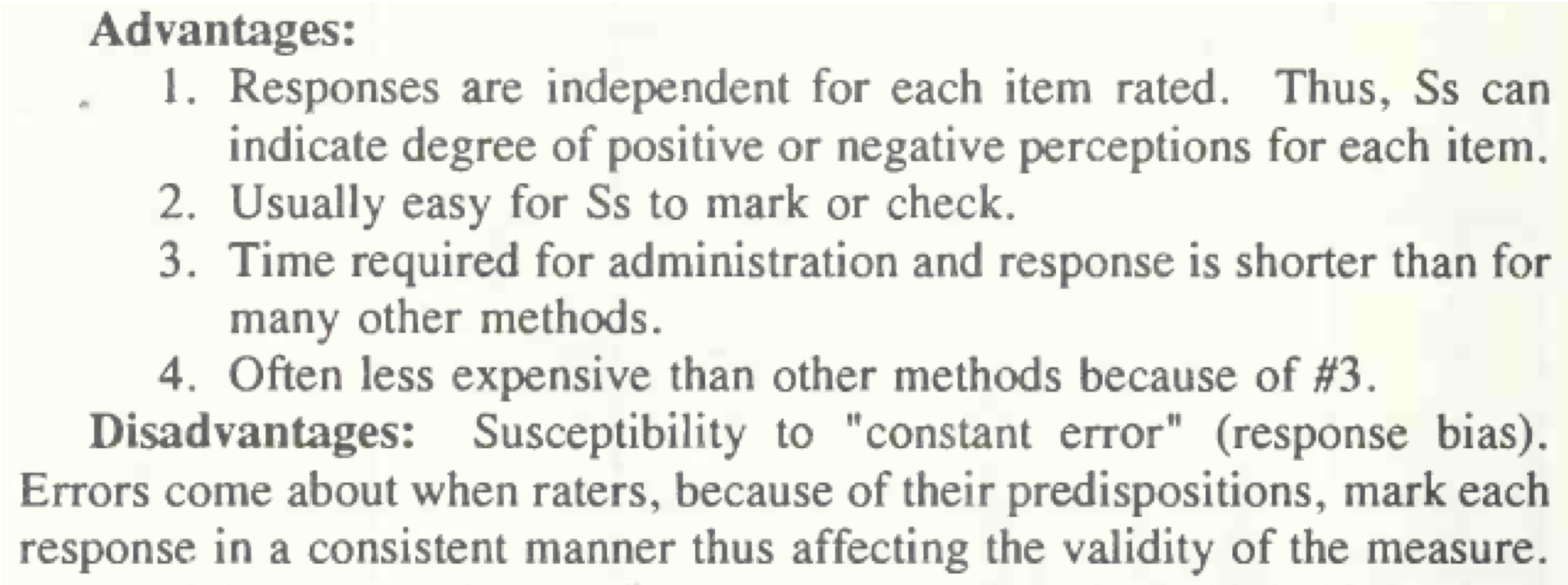
SELF-ADMINISTERED SURVEYS WEB Mail Telephone Surveys Face to Face Surveys COST Low High Low Low TIME Fast Slow Fast Fast CONTROL High High Low Low RETURN RATES High High Mid Low Rating scales are widely used in research. They might be used to measure such factors as perceptions of products, people, policies or organizations, or performance of people or products. People can rate themselves or others or rate printed materials or physical devices. The variety of applications is very large. Rating scales can be used whenever it is desirable to have someone estimate characteristics of specified factors. Definition: Rating: Estimation of the degree of a characteristic possessed by some phenomenon such as an object or a person. Definition: Rating Scale: An instrument on which the rater (observer) assigns the factor to be rated to one of two or more categories. CAUTION: Note that rating and ranking are two different processes. Ratings are assigned independently to each factor to be rated. Ranking requires that a set of factors be placed in order; thus comparing each to the others. Kerlinger [40] discusses three types of rating scales: (1) category, (2) numerical and (3) graphic. These three types differ only in the way they are presented to the rater. EXHIBIT 12.2 EXAMPLES OF CATEGORY, NUMERICAL AND GRAPHIC RATING SCALES Type of Rating Scale Response Categories Category ---Very Attractive --Attractive Unattractive -----Very Unatractive Numerical 1. Very Attractive Attractive -----3. Unattractive 4. Very Unattractive Graphic Very Attractive Unattractive Attractive Very Unattractive OR Very Attractive Very Unattractive + There are several formats for graphic scales including vertical and horizontal segmented lines and the marked equal interval and unmarked lines Austrated above Advantages: 1. Responses are independent for each item rated. Thus, Ss can indicate degree of positive or negative perceptions for each item, 2. Usually easy for Ss to mark or check. 3. Time required for administration and response is shorter than for many other methods. 4. Often less expensive than other methods because of #3. Disadvantages: Susceptibility to "constant error" (response bias), Errors come about when raters, because of their predispositions, mark each response in a consistent manner thus affecting the validity of the measure. Purpose: To estimate the Ss overall attitude, opinion, etc. toward an object by summing, and sometimes averaging, over all items. In order to use the sum or mean in this manner each item must be considered of "equal value to each of the other items and the response categories, usually degrees of agreement and disagreement, must be the same for all items. The results position the Ss score on a continuum of scores. As this yields individual scores, the individuals can be rank ordered according to the variables under study. Advantages: 1. Yields a single score from several items. 2. Ss can be rank ordered on the variables, which may be useful for certain types of research projects. Disadvantages: A major disadvantage is the assumption of equal value items. It is very difficult to originate items which can be assumed to be of equal value because it indicates that the rater will value each item in the same way and all raters will value the items equally. CAUTION: Do not use summated rating scales if the assumption of equal value items cannot be met. THE SEMANTIC DIFFERENTIAL Purpose: To measure the meaning of concepts by selecting a concept and then choosing a series of bipolar adjectives to which Ss respond on a seven point scale. Comment: Three, five, seven and nine point scales have been studied and, although the seven point scale appears to be preferable, any of these others may be used Advantages: 1. Ease of response. 2. Quantity of data yielded in a short administration time. Disadvantages: 1. Difficulty in generating true bipolar adjectives. 2. Time and expertise needed to factor analyze adjectives which have not been tested. Comment: A great deal of research has been conducted on the Semantic Differential to ascertain the applicability of the technique and most research supports its use. It is widely used in research. Purpose: To yield a rank order of objects or factors by having respondents place them in order according to preselected criteria. Advantages: 1. Respondents easily understand directions. 2. Similar to real world in forcing discrimination among objects. Disadvantages: 1. Forced-choice, nonindependent responses do NOT yield degree of respondent preference or attitude. Yields only information that respondent prefers one object or factor over another. Respondents compare objects selected by the researcher and may not like any object on the list but are not allowed a "dislike" response. 2. Response time is longer than for other instruments such as rating scales, which will also yield a rank ordering of objects. 3. Because of longer response time, fewer items can be used. 4. Some respondents resent the task of rank ordering. 5. Yields ordinal data. EXHIBIT 12.14 EXAMPLE OF A RANK ORDER ITEM Please rank the following automobiles 1,2,3,4 according to which you would prefer to own. Use the number 1 for the automobile you would most prefer to own and the number 4 to indicate the one you would least prefer to own. AUTOMOBILE RANK Ford Taurus Toyota Tercel Nissan Pathfinder GEO Prizm Purpose: To yield a rank order of factors by respondents assigning a portion of a constant number of points (usually 100) to each of the factors according to respondents' preference for each factor. Advantages: 1. Similar to real world in forcing discrimination. 2. Yields slightly more information than rank order techniques by essentially assigning weight to each factor. Disadvantages: 1. Does not yield the individual factor information which a rating scale produces as respondents are forced to spread the 100 points among all factors. While dislike of a factor can be indicated by a small weight, even zero, the respondent cannot give all factors low weight because weights must sum to 100. 2. Some respondents have difficulty in summing to 100. 3. Because some people have difficulty with addition, the number of factors must be severely limited-usually not more than 10 factors and the instructions must be exceptionally clear. 4. The assumption of the constant sum method yielding equal interval data has not been sufficiently supported at this writing. 5. The time required for completion is longer than for the rank order method and other instruments such as rating scales. CAUTION: The disadvantages of the Constant Sum Method appear to outweigh the advantages and it is not recommended. EXHIBIT 12.16 EXAMPLE OF A CONSTANT SUM ITEM Please assign points to each product listed below according to how desirable each product is for you to have in your living quarters. The total number of points must add to 100 points. PRODUCT POINTS Clothes Washer Television Set Clothes Dryer Microwave Oven Telephone 100 Purpose: To obtain information from respondent by having them check one or more of several alternatives listed. Advantages: 1. Easy for respondent to answer. 2. Fast for respondent to answer. Disadvantages: Because of the ease of response there is a tendency for researchers to use checklists when rating scales might be better and a tendency for Ss to be careless in responding. EXHIBIT 12.21 EXAMPLE OF A CHECKLIST ITEM Check the state(s) in which you would prefer to work (check as many as apply). 1. Maine 2. Michigan 3. Pennsylvania 4. TexasStep by Step Solution
There are 3 Steps involved in it
1 Expert Approved Answer
Step: 1 Unlock

Question Has Been Solved by an Expert!
Get step-by-step solutions from verified subject matter experts
Step: 2 Unlock
Step: 3 Unlock
 Study Help