



Question: Case Study 2 A leader in the Aboriginal community and his family were camping, practicing their culture, and performing traditional ceremonies on a pastoral lease
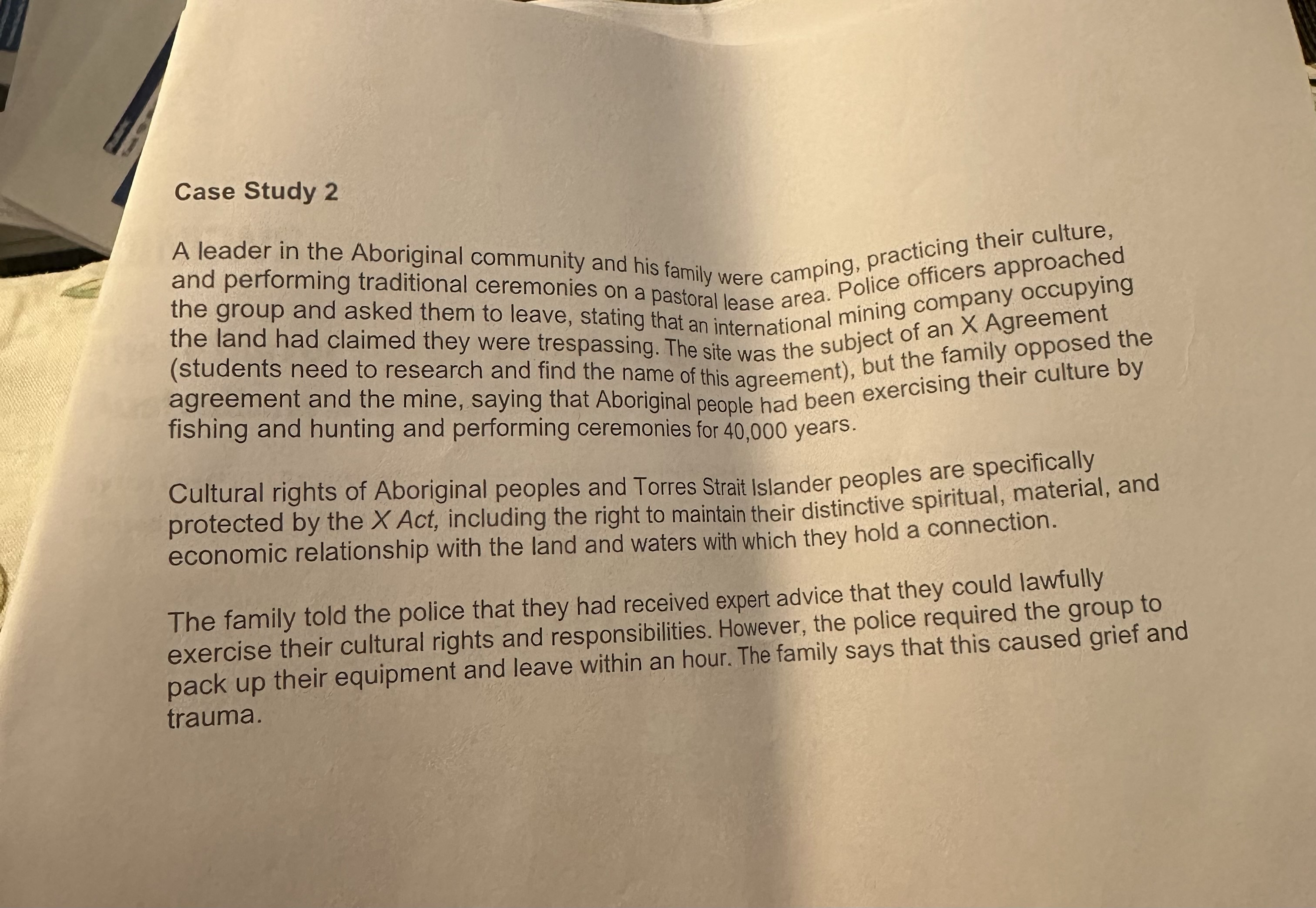
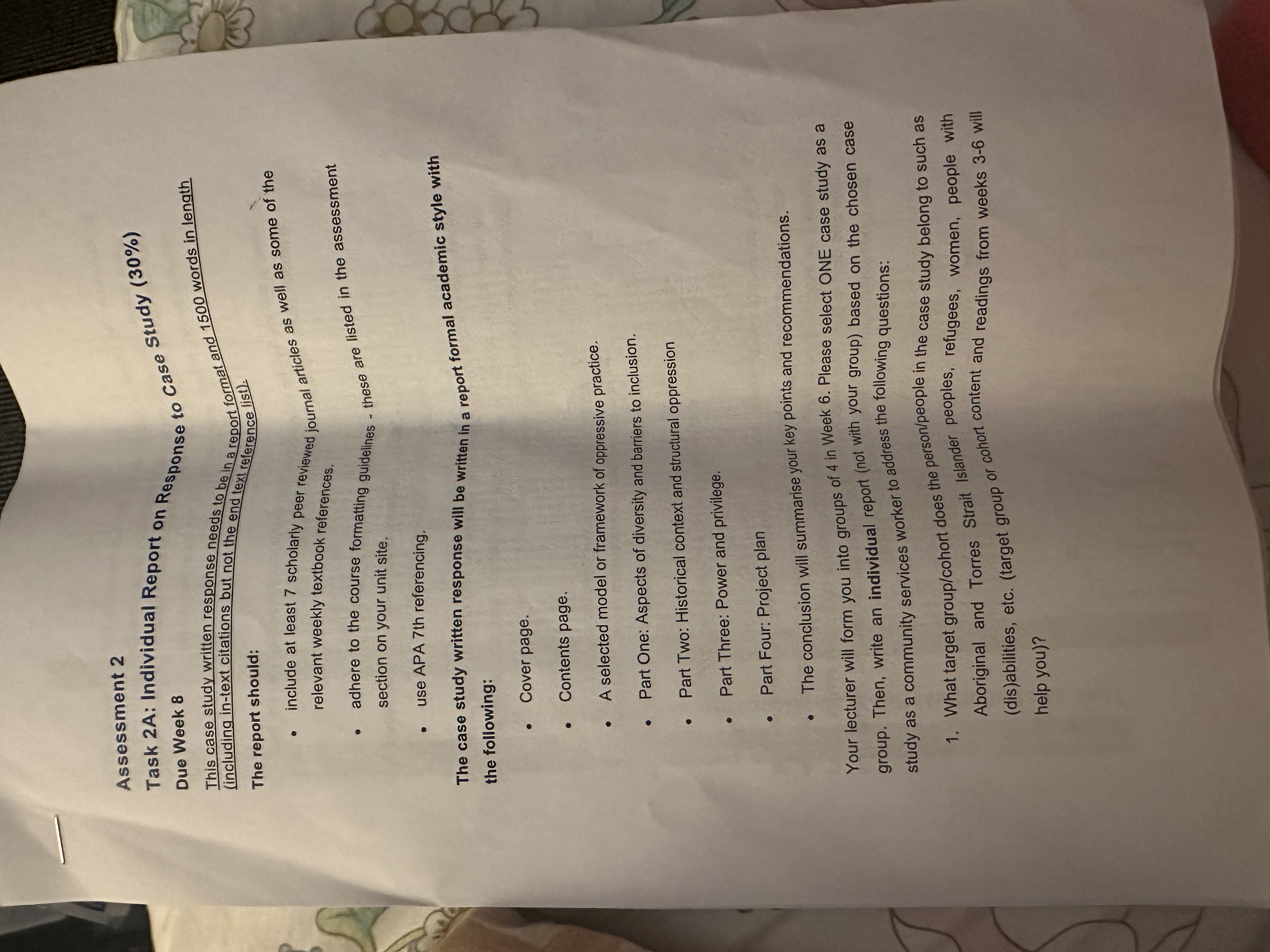
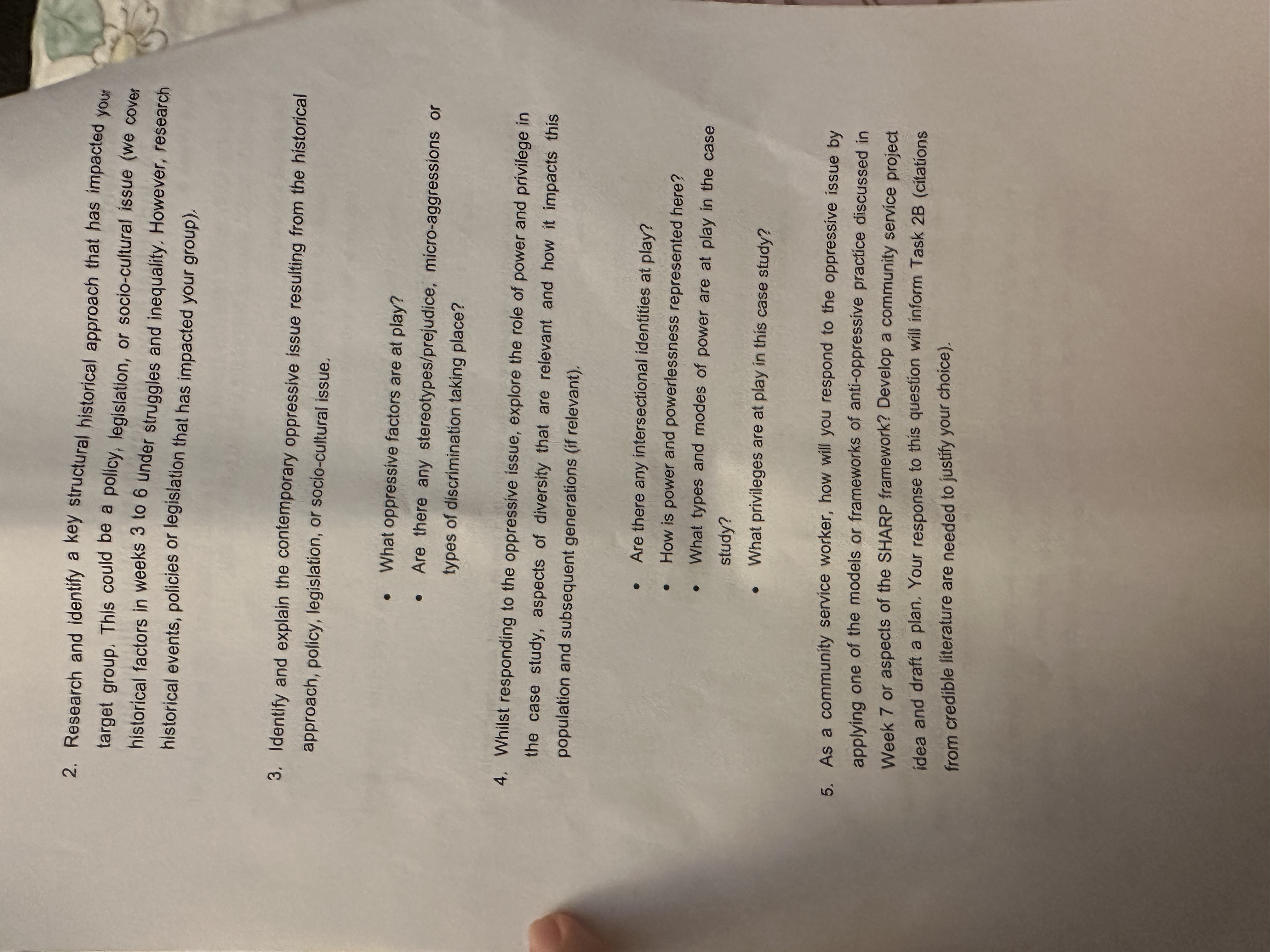
Case Study 2 A leader in the Aboriginal community and his family were camping, practicing their culture, and performing traditional ceremonies on a pastoral lease area. Police officers approached the group and asked them to leave, stating that an international mining company occupying the land had claimed they were trespassing. The site was the subject of an X Agreement (students need to research and find the name of this agreement), but the family opposed the agreement and the mine, saying that Aboriginal people had been exercising their culture by fishing and hunting and performing ceremonies for 40,000 years. Cultural rights of Aboriginal peoples and Torres Strait Islander peoples are specifically protected by the X Act, including the right to maintain their distinctive spiritual, material, and economic relationship with the land and waters with which they hold a connection. The family told the police that they had received expert advice that they could lawfully exercise their cultural rights and responsibilities. However, the police required the group to pack up their equipment and leave within an hour. The family says that this caused grief and trauma.Assessment 2 Due Week 8 ck 2A: Individual Report on Response to Case Study (30%%) case study withtions but not the as to be in a report format and 1500 words in length (including in-text citations but not the end text reference list). The report should: include at least / scholarly peer reviewed journal articles as well as some of the relevant weekly textbook references . adhere to the course formatting guidelines - these are listed in the assessment section on your unit site. . use APA 7th referencing. The case study written response will be written in a report formal academic style with the following: Cover page Contents page. A selected model or framework of oppressive practice. Part One: Aspects of diversity and barriers to inclusion. Part Two: Historical context and structural oppression Part Three: Power and privilege. Part Four: Project plan The conclusion will summarise your key points and recommendations. Your lecturer will form you into groups of 4 in Week 6. Please select ONE case study as a group. Then, write an individual report (not with your group) based on the chosen case study as a community services worker to address the following questions: 1. What target group/cohort does the person/people in the case study belong to such as Aboriginal and Torres Strait Islander peoples, refugees, women, people with (dis )abilities, etc. (target group or cohort content and readings from weeks 3-6 will help you ) ?2. Research and identify a key structural historical approach that has impacted your target group. This could be a policy, legislation, or socio-cultural issue (we cover historical factors in weeks 3 to 6 under struggles and inequality. However, research historical events, policies or legislation that has impacted your group), 3. Identify and explain the contemporary oppressive issue resulting from the historical approach, policy, legislation, or socio-cultural issue. What oppressive factors are at play? . Are there any stereotypes/prejudice, micro-aggressions or types of discrimination taking place? 4. Whilst responding to the oppressive issue, explore the role of power and privilege in the case study, aspects of diversity that are relevant and how it impacts this population and subsequent generations (if relevant). Are there any intersectional identities at play? . How is power and powerlessness represented here? . What types and modes of power are at play in the case study? What privileges are at play in this case study? 5. As a community service worker, how will you respond to the oppressive issue by applying one of the models or frameworks of anti-oppressive practice discussed in Week 7 or aspects of the SHARP framework? Develop a community service project idea and draft a plan. Your response to this question will inform Task 2B (citations from credible literature are needed to justify your choice)
Step by Step Solution
There are 3 Steps involved in it

Get step-by-step solutions from verified subject matter experts