| (2) Present value index Internal Rate of Return A project is estimated to cost $411,558 and provide annual net cash flows of $82,000 for 10 years. | Present Value of an Annuity of $1 at Compound Interest | | Year | 6% | 10% | 12% | 15% | 20% | | 1 | 0.943 | 0.909 | 0.893 | 0.870 | 0.833 | | 2 | 1.833 | 1.736 | 1.690 | 1.626 | 1.528 | | 3 | 2.673 | 2.487 | 2.402 | 2.283 | 2.106 | | 4 | 3.465 | 3.170 | 3.037 | 2.855 | 2.589 | | 5 | 4.212 | 3.791 | 3.605 | 3.352 | 2.991 | | 6 | 4.917 | 4.355 | 4.111 | 3.784 | 3.326 | | 7 | 5.582 | 4.868 | 4.564 | 4.160 | 3.605 | | 8 | 6.210 | 5.335 | 4.968 | 4.487 | 3.837 | | 9 | 6.802 | 5.759 | 5.328 | 4.772 | 4.031 | | 10 | 7.360 | 6.145 | 5.650 | 5.019 | 4.192 | Determine the internal rate of return for this project, using the Present Value of an Annuity of $1 at Compound Interest table shown above. % Net Present ValueUnequal Lives Project 1 requires an original investment of $97,600. The project will yield cash flows of $18,000 per year for nine years. Project 2 has a calculated net present value of $31,600 over a seven-year life. Project 1 could be sold at the end of seven years for a price of $73,000. Use the Present Value of $1 at Compound Interest and the Present Value of an Annuity of $1 at Compound Interest tables shown below. | Present Value of $1 at Compound Interest | | Year | 6% | 10% | 12% | 15% | 20% | | 1 | 0.943 | 0.909 | 0.893 | 0.870 | 0.833 | | 2 | 0.890 | 0.826 | 0.797 | 0.756 | 0.694 | | 3 | 0.840 | 0.751 | 0.712 | 0.658 | 0.579 | | 4 | 0.792 | 0.683 | 0.636 | 0.572 | 0.482 | | 5 | 0.747 | 0.621 | 0.567 | 0.497 | 0.402 | | 6 | 0.705 | 0.564 | 0.507 | 0.432 | 0.335 | | 7 | 0.665 | 0.513 | 0.452 | 0.376 | 0.279 | | 8 | 0.627 | 0.467 | 0.404 | 0.327 | 0.233 | | 9 | 0.592 | 0.424 | 0.361 | 0.284 | 0.194 | | 10 | 0.558 | 0.386 | 0.322 | 0.247 | 0.162 | | Present Value of an Annuity of $1 at Compound Interest | | Year | 6% | 10% | 12% | 15% | 20% | | 1 | 0.943 | 0.909 | 0.893 | 0.870 | 0.833 | | 2 | 1.833 | 1.736 | 1.690 | 1.626 | 1.528 | | 3 | 2.673 | 2.487 | 2.402 | 2.283 | 2.106 | | 4 | 3.465 | 3.170 | 3.037 | 2.855 | 2.589 | | 5 | 4.212 | 3.791 | 3.605 | 3.352 | 2.991 | | 6 | 4.917 | 4.355 | 4.111 | 3.784 | 3.326 | | 7 | 5.582 | 4.868 | 4.564 | 4.160 | 3.605 | | 8 | 6.210 | 5.335 | 4.968 | 4.487 | 3.837 | | 9 | 6.802 | 5.759 | 5.328 | 4.772 | 4.031 | | 10 | 7.360 | 6.145 | 5.650 | 5.019 | 4.192 | a. Determine the net present value of Project 1 over a seven-year life with residual value, assuming a minimum rate of return of 10%. If required, round to the nearest dollar. $ b. Which project provides the greatest net present value? SelectProject 1Project 2 Master Fab Inc. is considering an investment in equipment that will replace direct labor. The equipment has a cost of $115,000 with a $10,000 residual value and a 10-year life. The equipment will replace one employee who has an average wage of $20,445 per year. In addition, the equipment will have operating and energy costs of $5,570 per year. Determine the average rate of return on the equipment, giving effect to straight-line depreciation on the investment. If required, round to the nearest whole percent. % Pocket Pilot Inc. is considering an investment in new equipment that will be used to manufacture a mobile communications device. The device is expected to generate additional annual sales of 7,000 units at $172.00 per unit. The equipment has a cost of $716,100, residual value of $53,900, and an eight-year life. The equipment can only be used to manufacture the device. The cost to manufacture the device is shown below. | Cost per unit: | | | | Direct labor | $29.00 | | | Direct materials | 113.00 | | | Factory overhead (including depreciation) | 19.55 | | | | Total cost per unit | $161.55 | Determine the average rate of return on the equipment. If required, round to the nearest whole percent. % 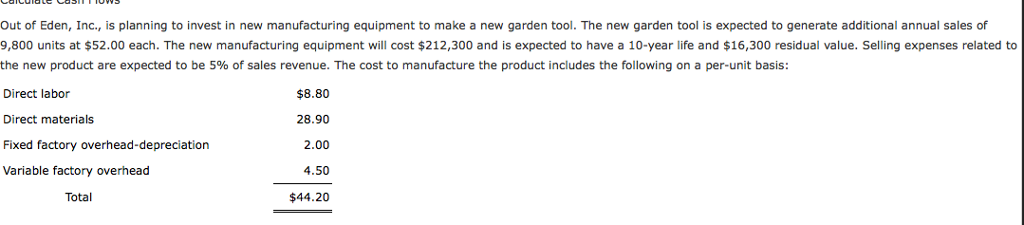 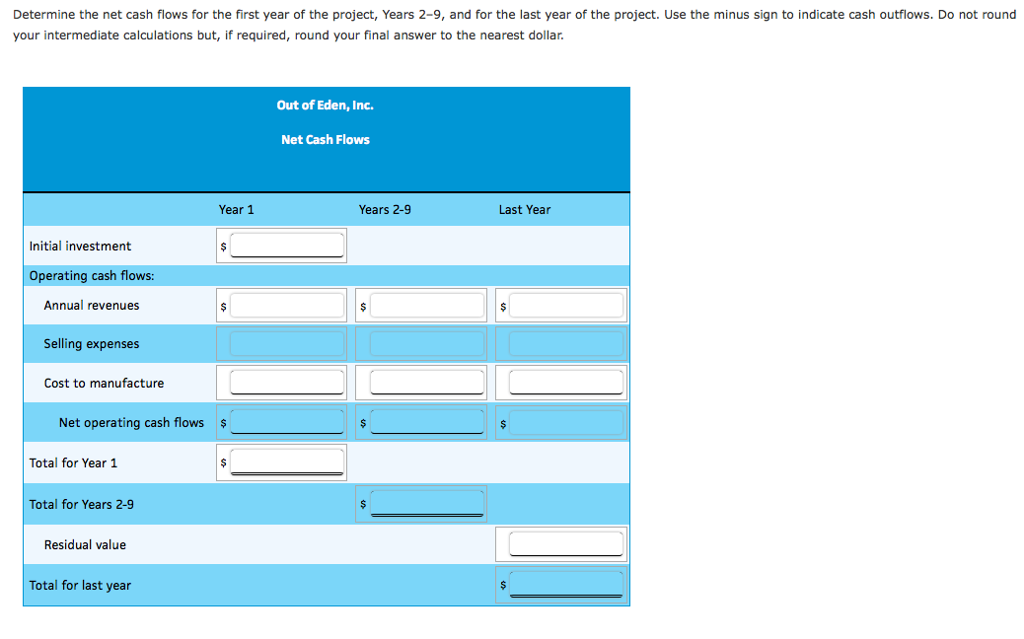
Primera Banco is evaluating two capital investment proposals for a drive-up ATM kiosk, each requiring an investment of $177,000 and each with an eight-year life and expected total net cash flows of $472,000. Location 1 is expected to provide equal annual net cash flows of $59,000, and Location 2 is expected to have the following unequal annual net cash flows: | Year 1 | $80,000 | | Year 2 | 60,000 | | Year 3 | 37,000 | | Year 4 | 94,000 | | Year 5 | 71,000 | | Year 6 | 53,000 | | Year 7 | 41,000 | | Year 8 | 36,000 | Determine the cash payback period for both location proposals. | Location 1 | Select12345678Item 1 years | | Location 2 | Select12345678Item 2 years | The following data are accumulated by Reynolds Company in evaluating the purchase of $166,200 of equipment, having a four-year useful life: | | Net Income | Net Cash Flow | | Year 1 | $40,000 | | $68,000 | | | Year 2 | 24,000 | | 52,000 | | | Year 3 | 12,000 | | 39,000 | | | Year 4 | (1,000) | | 27,000 | | | Present Value of $1 at Compound Interest | | Year | 6% | 10% | 12% | 15% | 20% | | 1 | 0.943 | 0.909 | 0.893 | 0.870 | 0.833 | | 2 | 0.890 | 0.826 | 0.797 | 0.756 | 0.694 | | 3 | 0.840 | 0.751 | 0.712 | 0.658 | 0.579 | | 4 | 0.792 | 0.683 | 0.636 | 0.572 | 0.482 | | 5 | 0.747 | 0.621 | 0.567 | 0.497 | 0.402 | | 6 | 0.705 | 0.564 | 0.507 | 0.432 | 0.335 | | 7 | 0.665 | 0.513 | 0.452 | 0.376 | 0.279 | | 8 | 0.627 | 0.467 | 0.404 | 0.327 | 0.233 | | 9 | 0.592 | 0.424 | 0.361 | 0.284 | 0.194 | | 10 | 0.558 | 0.386 | 0.322 | 0.247 | 0.162 | a. Assuming that the desired rate of return is 12%, determine the net present value for the proposal. Use the table of the present value of $1 presented above. If required, round to the nearest dollar. | Present value of net cash flow | $ | | Less amount to be invested | $ | | Net present value | $ | b. Would management be likely to look with favor on the proposal? SelectYesNoItem 4 The net present value indicates that the return on the proposal is Selectgreaterles sItem 5 than the minimum desired rate of return of 12%. MVP Sports Equipment Company is considering an investment in one of two machines. The sewing machine will increase productivity from sewing 130 baseballs per hour to sewing 230 per hour. The contribution margin is $0.36 per baseball. Assume that any increased production of baseballs can be sold. The second machine is an automatic packing machine for the golf ball line. The packing machine will reduce packing labor cost. The labor cost saved is equivalent to $21 per hour. The sewing machine will cost $180,300, have a six-year life, and will operate for 1,400 hours per year. The packing machine will cost $91,200, have a six-year life, and will operate for 1,200 hours per year. MVP seeks a minimum rate of return of 12% on its investments. | Present Value of an Annuity of $1 at Compound Interest | | Year | 6% | 10% | 12% | 15% | 20% | | 1 | 0.943 | 0.909 | 0.893 | 0.870 | 0.833 | | 2 | 1.833 | 1.736 | 1.690 | 1.626 | 1.528 | | 3 | 2.673 | 2.487 | 2.402 | 2.283 | 2.106 | | 4 | 3.465 | 3.170 | 3.037 | 2.855 | 2.589 | | 5 | 4.212 | 3.791 | 3.605 | 3.352 | 2.991 | | 6 | 4.917 | 4.355 | 4.111 | 3.784 | 3.326 | | 7 | 5.582 | 4.868 | 4.564 | 4.160 | 3.605 | | 8 | 6.210 | 5.335 | 4.968 | 4.487 | 3.837 | | 9 | 6.802 | 5.759 | 5.328 | 4.772 | 4.031 | | 10 | 7.360 | 6.145 | 5.650 | 5.019 | 4.192 | a. Determine the net present value for the two machines. Use the table of present values of an annuity of $1 above. Round to the nearest dollar. | | Sewing Machine | Packing Machine | | Present value of annual net cash flows | $ | $ | | Less amount to be invested | $ | $ | | Net present value | $ | $ | b. Determine the present value index for the two machines. If required, round your answers to two decimal places. | | Sewing Machine | Packing Machine | | Present value index | | | c. If MVP has sufficient funds for only one of the machines and qualitative factors are equal between the two machines, in which machine should it invest? (If both present value indexes are the same, either machine will grade as correct.) SelectPacking MachineSewing Machine Great Plains Transportation Inc. is considering acquiring equipment at a cost of $295,000. The equipment has an estimated life of 10 years and no residual value. It is expected to provide yearly net cash flows of $59,000. The company's minimum desired rate of return for net present value analysis is 10%. | Present Value of an Annuity of $1 at Compound Interest | | Year | 6% | 10% | 12% | 15% | 20% | | 1 | 0.943 | 0.909 | 0.893 | 0.870 | 0.833 | | 2 | 1.833 | 1.736 | 1.690 | 1.626 | 1.528 | | 3 | 2.673 | 2.487 | 2.402 | 2.283 | 2.106 | | 4 | 3.465 | 3.170 | 3.037 | 2.855 | 2.589 | | 5 | 4.212 | 3.791 | 3.605 | 3.352 | 2.991 | | 6 | 4.917 | 4.355 | 4.111 | 3.784 | 3.326 | | 7 | 5.582 | 4.868 | 4.564 | 4.160 | 3.605 | | 8 | 6.210 | 5.335 | 4.968 | 4.487 | 3.837 | | 9 | 6.802 | 5.759 | 5.328 | 4.772 | 4.031 | | 10 | 7.360 | 6.145 | 5.650 | 5.019 | 4.192 | Compute the following: a. The average rate of return, giving effect to straight-line depreciation on the investment. If required, round your answer to one decimal place. % b. The cash payback period. Select2345678Item 2 years c. The net present value. Use the above table of the present value of an annuity of $1. Round to the nearest dollar. If required, use a minus sign to indicate negative net present value" for current grading purpose. | Present value of annual net cash flows | $ | | Less amount to be invested | $ | | Net present value | Cousin's Salted Snack Company is considering two possible investments: a delivery truck or a bagging machine. The delivery truck would cost $37,386.24 and could be used to deliver an additional 38,000 bags of pretzels per year. Each bag of pretzels can be sold for a contribution margin of $0.38. The delivery truck operating expenses, excluding depreciation, are $0.52 per mile for 13,000 miles per year. The bagging machine would replace an old bagging machine, and its net investment cost would be $34,230.00. The new machine would require three fewer hours of direct labor per day. Direct labor is $10 per hour. There are 250 operating days in the year. Both the truck and the bagging machine are estimated to have seven-year lives. The minimum rate of return is 11%. However, Cousin's has funds to invest in only one of the projects. | Present Value of an Annuity of $1 at Compound Interest | | Year | 6% | 10% | 12% | 15% | 20% | | 1 | 0.943 | 0.909 | 0.893 | 0.870 | 0.833 | | 2 | 1.833 | 1.736 | 1.690 | 1.626 | 1.528 | | 3 | 2.673 | 2.487 | 2.402 | 2.283 | 2.106 | | 4 | 3.465 | 3.170 | 3.037 | 2.855 | 2.589 | | 5 | 4.212 | 3.791 | 3.605 | 3.352 | 2.991 | | 6 | 4.917 | 4.355 | 4.111 | 3.784 | 3.326 | | 7 | 5.582 | 4.868 | 4.564 | 4.160 | 3.605 | | 8 | 6.210 | 5.335 | 4.968 | 4.487 | 3.837 | | 9 | 6.802 | 5.759 | 5.328 | 4.772 | 4.031 | | 10 | 7.360 | 6.145 | 5.650 | 5.019 | 4.192 | a. Compute the internal rate of return for each investment. Use the above table of present value of an annuity of $1. If required, round your present value factor answers to three decimal places and internal rate of return to the nearest percent. | | Delivery Truck | Bagging Machine | | Present value factor | | | | Internal rate of return | % | % | b. The bagging machine rate of return was SelectgreaterlessItem 5 than the minimum rate of return requirement of 11% while the delivery truck rate of return was SelectgreaterlessItem 6 than the minimum rate of return requirement of 11%. Therefore the recommendation is to invest in the Selectbagging machinedelivery truckItem 7 . Al a Mode, Inc., is considering one of two investment options. Option 1 is a $23,000 investment in new blending equipment that is expected to produce equal annual cash flows of $7,000 for each of seven years. Option 2 is a $27,000 investment in a new computer system that is expected to produce equal annual cash flows of $9,000 for each of five years. The residual value of the blending equipment at the end of the fifth year is estimated to be $5,000. The computer system has no expected residual value at the end of the fifth year. | Present Value of $1 at Compound Interest | | Year | 6% | 10% | 12% | 15% | 20% | | 1 | 0.943 | 0.909 | 0.893 | 0.870 | 0.833 | | 2 | 0.890 | 0.826 | 0.797 | 0.756 | 0.694 | | 3 | 0.840 | 0.751 | 0.712 | 0.658 | 0.579 | | 4 | 0.792 | 0.683 | 0.636 | 0.572 | 0.482 | | 5 | 0.747 | 0.621 | 0.567 | 0.497 | 0.402 | | 6 | 0.705 | 0.564 | 0.507 | 0.432 | 0.335 | | 7 | 0.665 | 0.513 | 0.452 | 0.376 | 0.279 | | 8 | 0.627 | 0.467 | 0.404 | 0.327 | 0.233 | | 9 | 0.592 | 0.424 | 0.361 | 0.284 | 0.194 | | 10 | 0.558 | 0.386 | 0.322 | 0.247 | 0.162 | | Present Value of an Annuity of $1 at Compound Interest | | Year | 6% | 10% | 12% | 15% | 20% | | 1 | 0.943 | 0.909 | 0.893 | 0.870 | 0.833 | | 2 | 1.833 | 1.736 | 1.690 | 1.626 | 1.528 | | 3 | 2.673 | 2.487 | 2.402 | 2.283 | 2.106 | | 4 | 3.465 | 3.170 | 3.037 | 2.855 | 2.589 | | 5 | 4.212 | 3.791 | 3.605 | 3.352 | 2.991 | | 6 | 4.917 | 4.355 | 4.111 | 3.784 | 3.326 | | 7 | 5.582 | 4.868 | 4.564 | 4.160 | 3.605 | | 8 | 6.210 | 5.335 | 4.968 | 4.487 | 3.837 | | 9 | 6.802 | 5.759 | 5.328 | 4.772 | 4.031 | | 10 | 7.360 | 6.145 | 5.650 | 5.019 | 4.192 | Assume there is sufficient capital to fund only one of the projects. Determine which project should be selected, comparing the (a) net present values and (b) present value indices of the two projects, assuming a minimum rate of return of 10%. Use the present value tables appearing above. a. Determine the net present values of the two projects. | | Blending Equipment | Computer System | | Total present value of cash flows | $ | $ | | Less amount to be invested | $ | $ | | Net present value | $ | $ | b. Determine the present value indices of the two projects. If required, round the present value index to two decimal places. | | Present Value Index | | Blending Equipment | | | Computer System | | Which project should be selected? (If both present value indices are the same, either project will grade as correct.) SelectBlending EquipmentComputer SystemItem 9 | Alternative Capital Investments The investment committee of Shield Insurance Co. is evaluating two projects, office expansion and upgrade to computer servers. The projects have different useful lives, but each requires an investment of $1,031,000. The estimated net cash flows from each project are as follows: | | Net Cash Flow | | Year | Office Expansion | Server Upgrade | | 1 | $288,000 | | | | $380,000 | | | | | 2 | 288,000 | | | | 380,000 | | | | | 3 | 288,000 | | | | 380,000 | | | | | 4 | 288,000 | | | | 380,000 | | | | | 5 | 288,000 | | | | | | | | | 6 | 288,000 | | | | | | | | The committee has selected a rate of 15% for purposes of net present value analysis. It also estimates that the residual value at the end of each project's useful life is $0, but at the end of the fourth year, the office expansion's residual value would be $360,000. | Present Value of $1 at Compound Interest | | Year | 6% | 10% | 12% | 15% | 20% | | 1 | 0.943 | 0.909 | 0.893 | 0.870 | 0.833 | | 2 | 0.890 | 0.826 | 0.797 | 0.756 | 0.694 | | 3 | 0.840 | 0.751 | 0.712 | 0.658 | 0.579 | | 4 | 0.792 | 0.683 | 0.636 | 0.572 | 0.482 | | 5 | 0.747 | 0.621 | 0.567 | 0.497 | 0.402 | | 6 | 0.705 | 0.564 | 0.507 | 0.432 | 0.335 | | 7 | 0.665 | 0.513 | 0.452 | 0.376 | 0.279 | | 8 | 0.627 | 0.467 | 0.404 | 0.327 | 0.233 | | 9 | 0.592 | 0.424 | 0.361 | 0.284 | 0.194 | | 10 | 0.558 | 0.386 | 0.322 | 0.247 | 0.162 | | Present Value of an Annuity of $1 at Compound Interest | | Year | 6% | 10% | 12% | 15% | 20% | | 1 | 0.943 | 0.909 | 0.893 | 0.870 | 0.833 | | 2 | 1.833 | 1.736 | 1.690 | 1.626 | 1.528 | | 3 | 2.673 | 2.487 | 2.402 | 2.283 | 2.106 | | 4 | 3.465 | 3.170 | 3.037 | 2.855 | 2.589 | | 5 | 4.212 | 3.791 | 3.605 | 3.352 | 2.991 | | 6 | 4.917 | 4.355 | 4.111 | 3.784 | 3.326 | | 7 | 5.582 | 4.868 | 4.564 | 4.160 | 3.605 | | 8 | 6.210 | 5.335 | 4.968 | 4.487 | 3.837 | | 9 | 6.802 | 5.759 | 5.328 | 4.772 | 4.031 | | 10 | 7.360 | 6.145 | 5.650 | 5.019 | 4.192 | Required: If required, use the minus sign to indicate a negative net present value. 1. For each project, compute the net present value. Use the present value of an annuity of $1 table above. Ignore the unequal lives of the projects. If required, round to the nearest dollar. | | Office Expansion | Server Upgrade | | Present value of annual net cash flows | $ | $ | | Less amount to be invested | $ | $ | | Net present value | $ | $ | 2. For each project, compute the net present value, assuming that the office expansion is adjusted to a four-year life for purposes of analysis. Use the present value of $1 table above. | | Office Expansion | Server Upgrade | | Present value of net cash flow total | $ | $ | | Less amount to be invested | $ | $ | | Net present value | $ | $ | 3. The net present value of the two projects over equal lives indicates that the Selectoffice expansionserver upgradeItem 13 has a higher net present value and would be a superior investment. | | | $ | | | | |









 Study Help