







Question: Question 1 (6 points) Two point charges q1 and q2 are placed on the corners of a fixed square. The square has sides 0.4m as
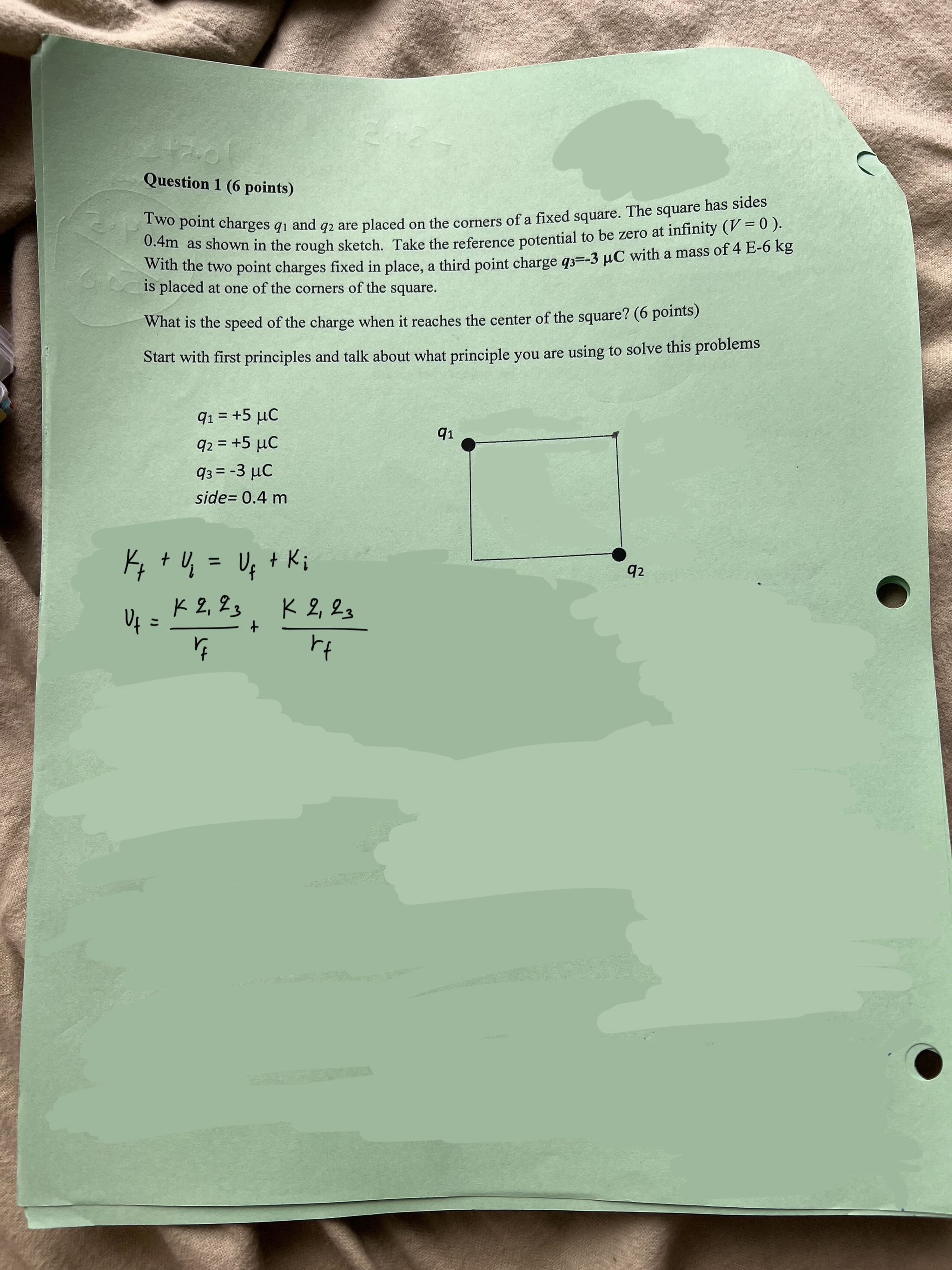
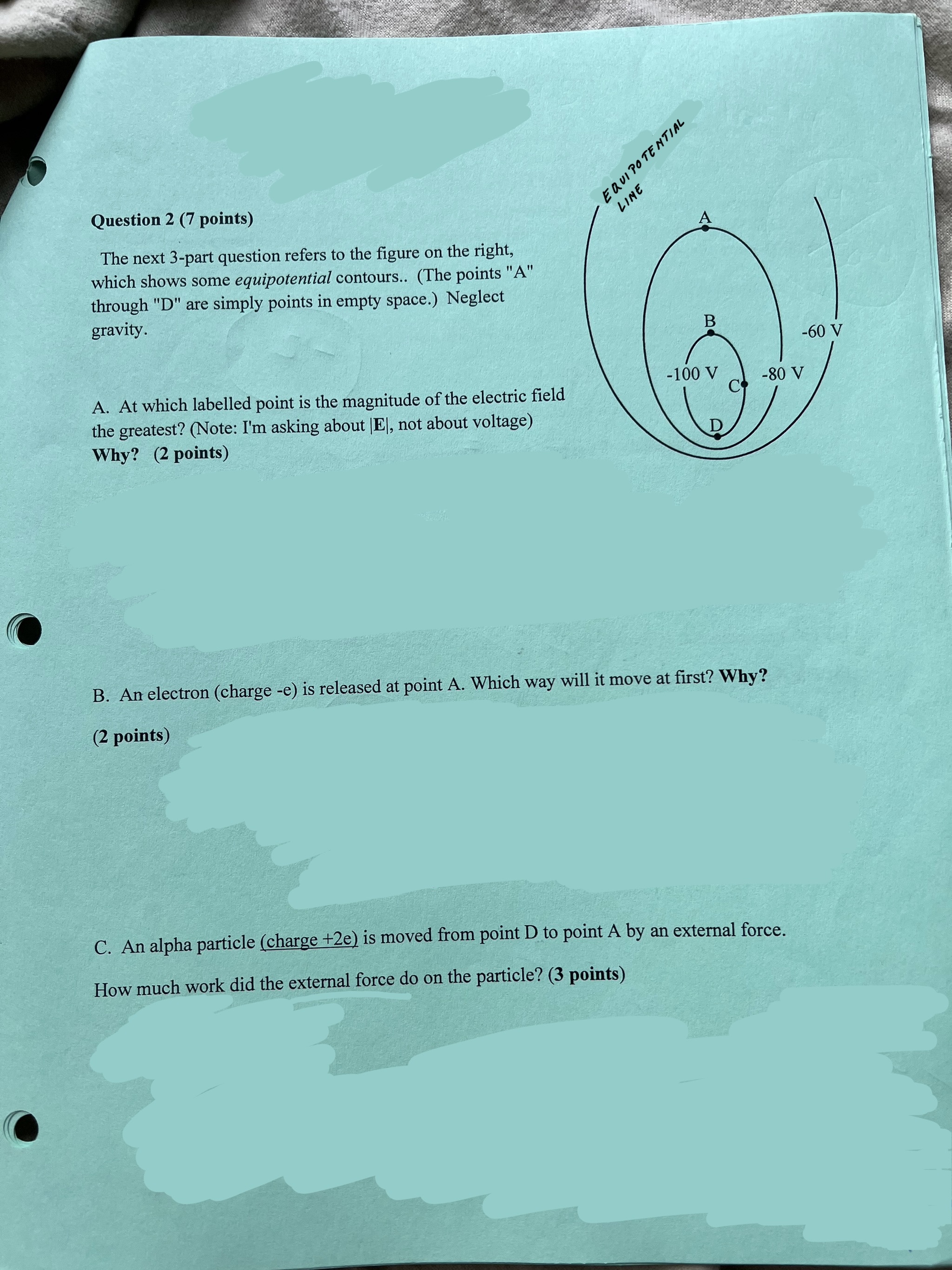
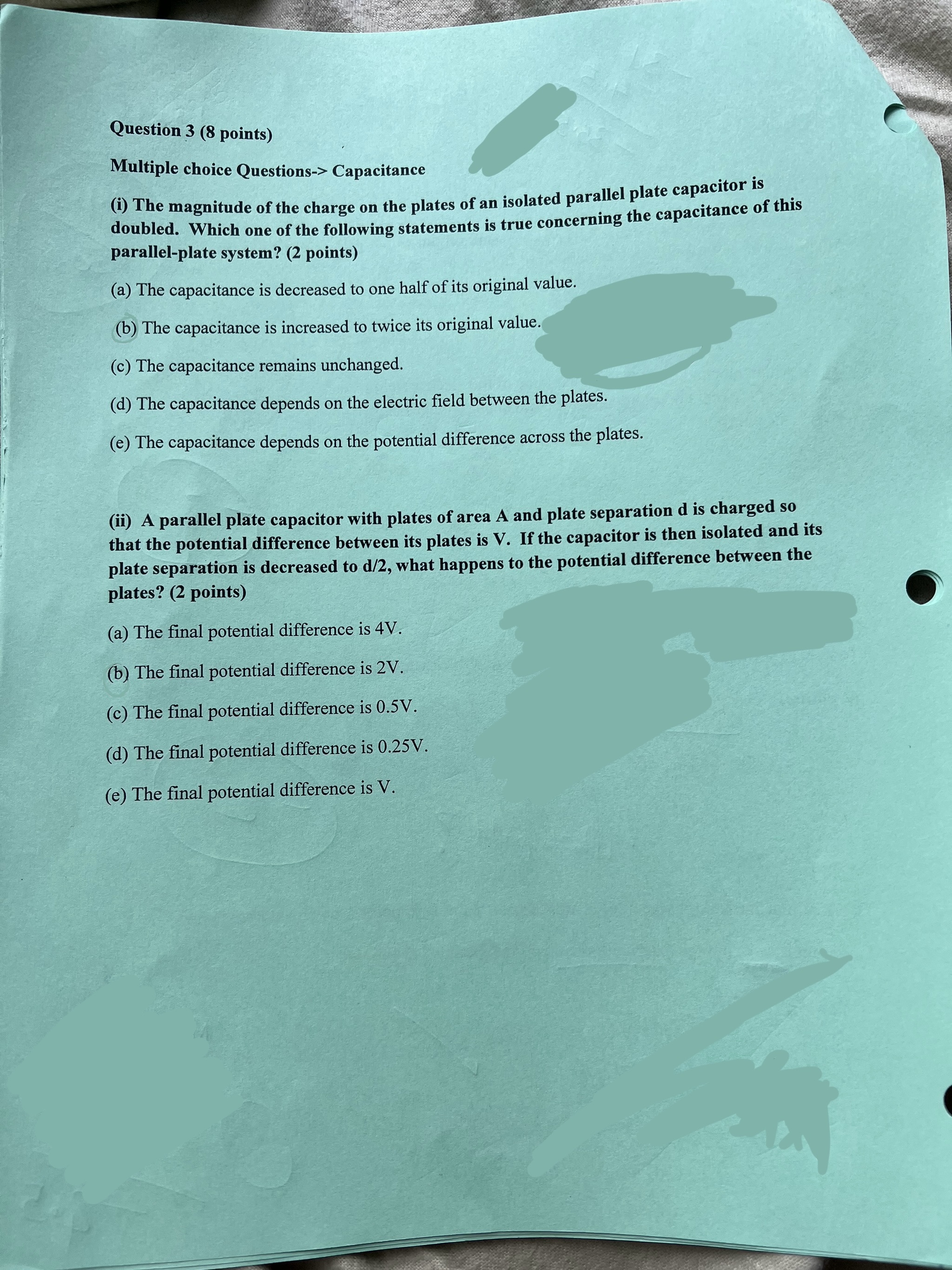
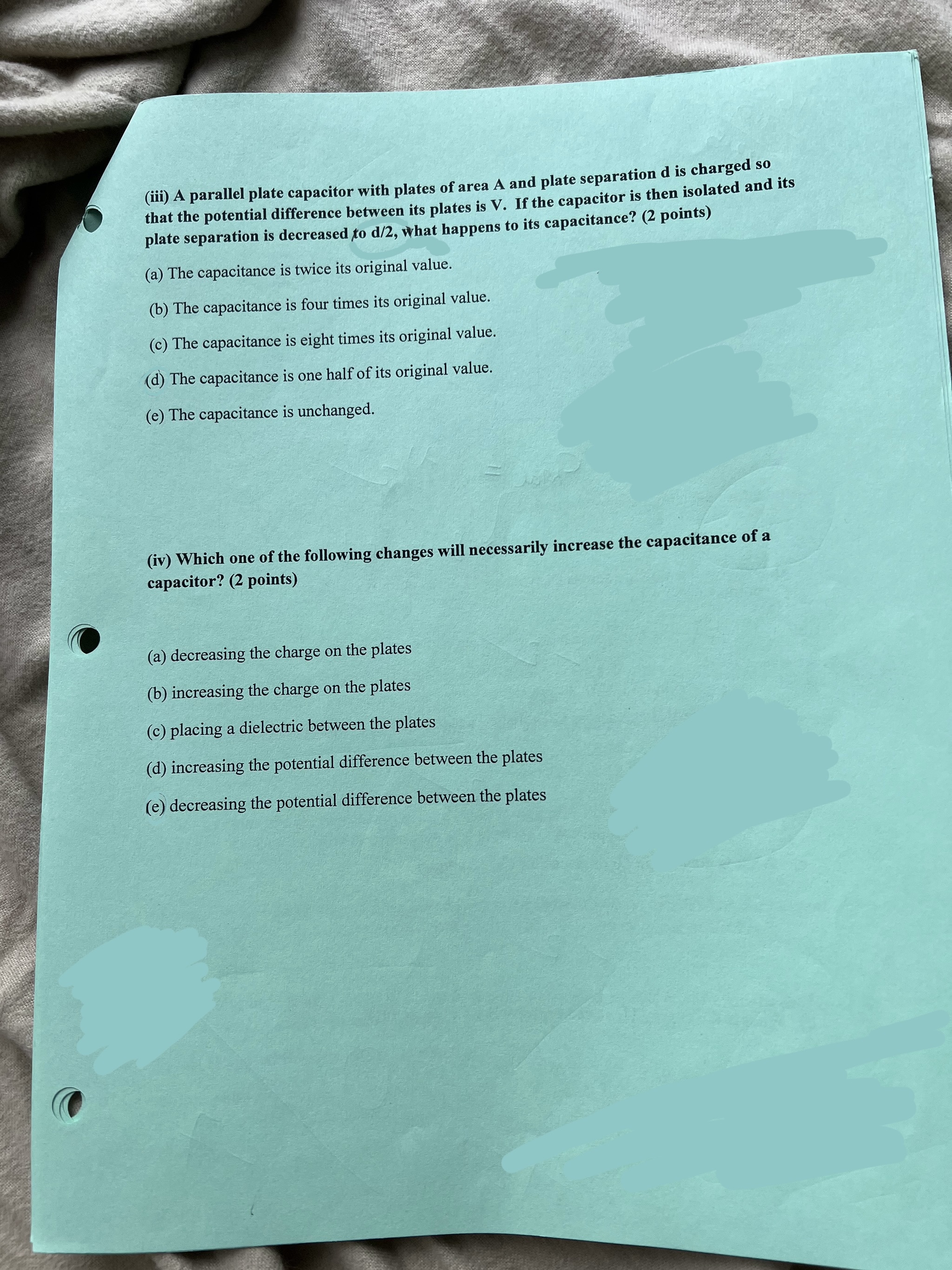
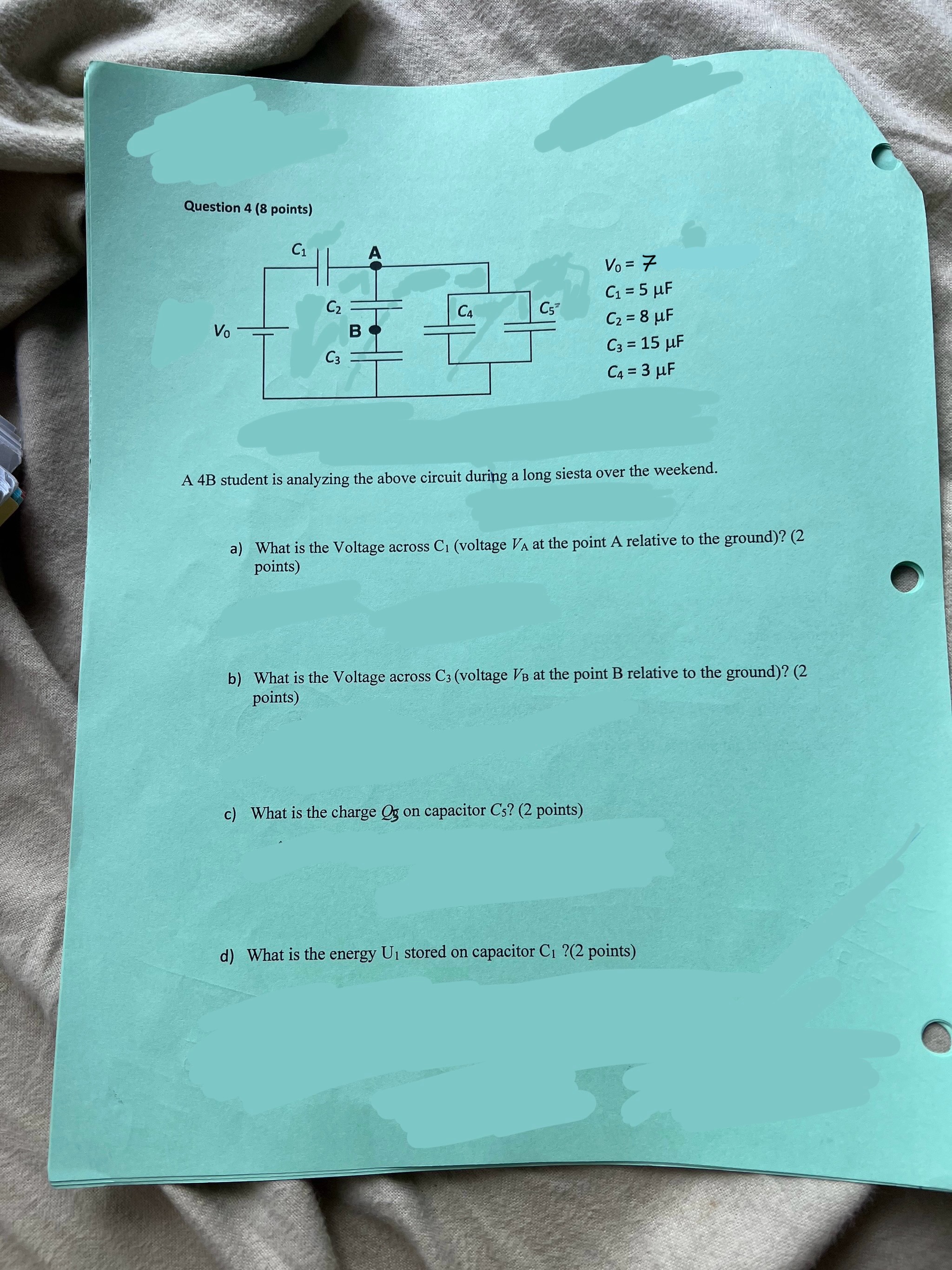
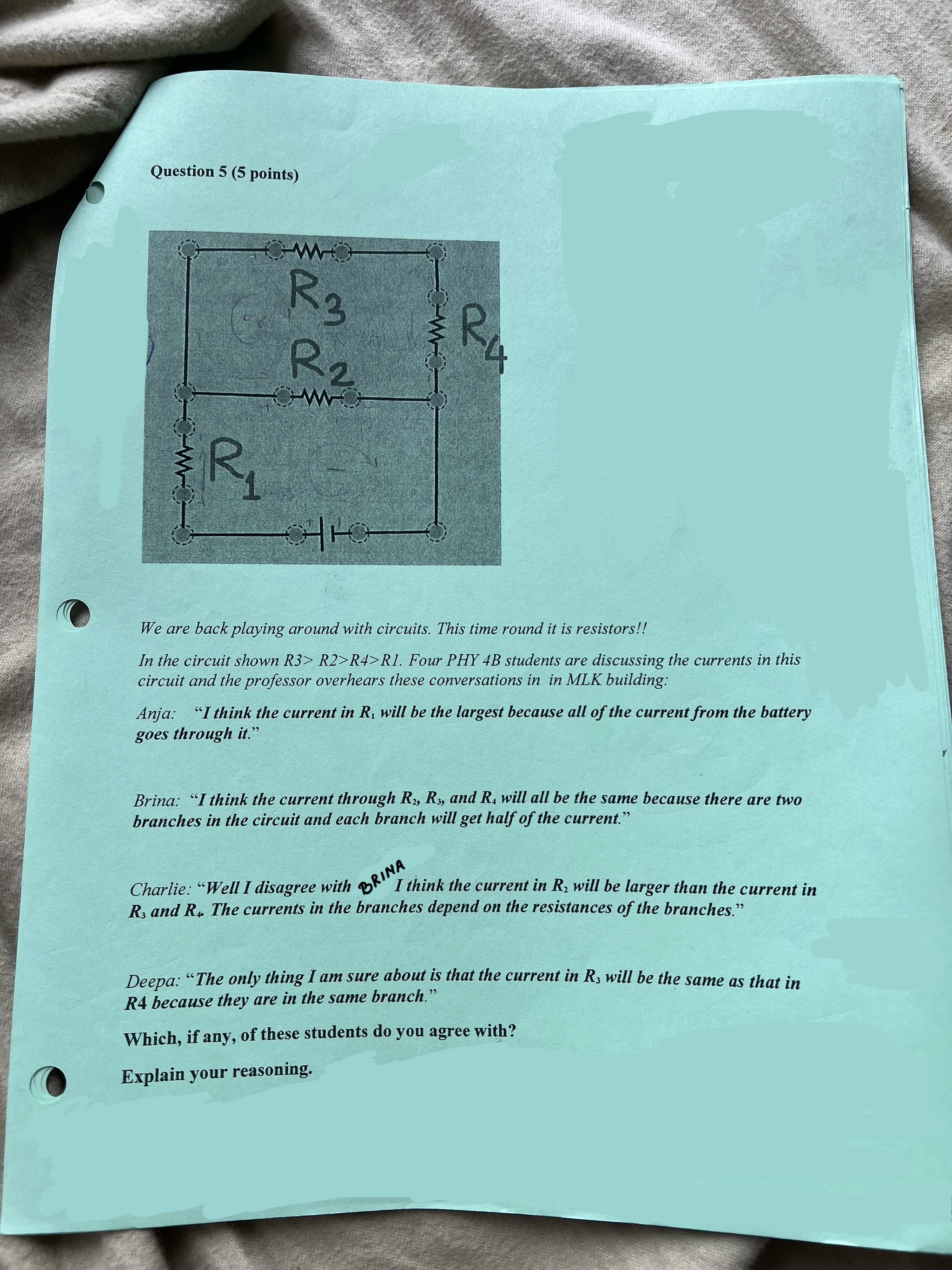
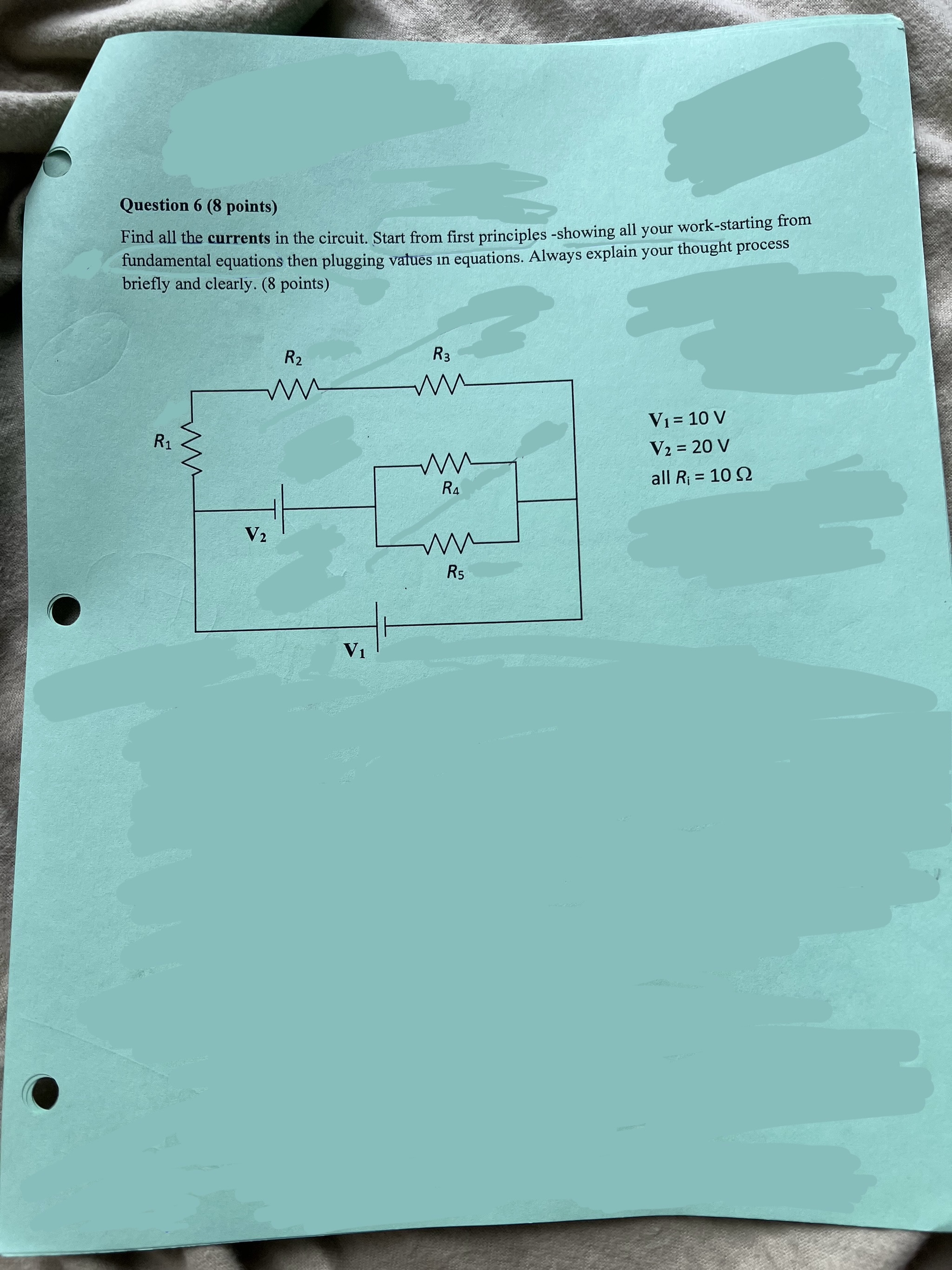
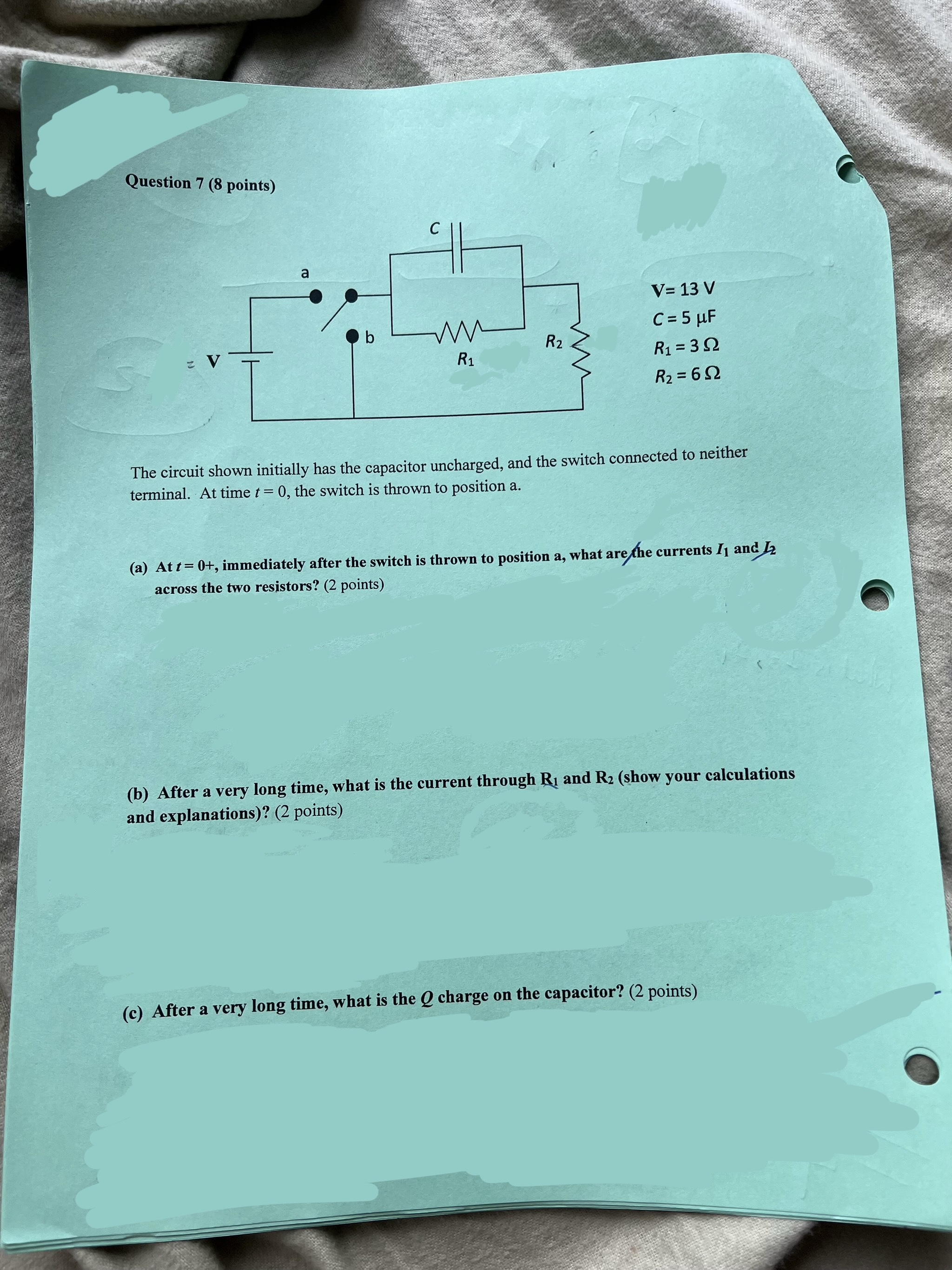
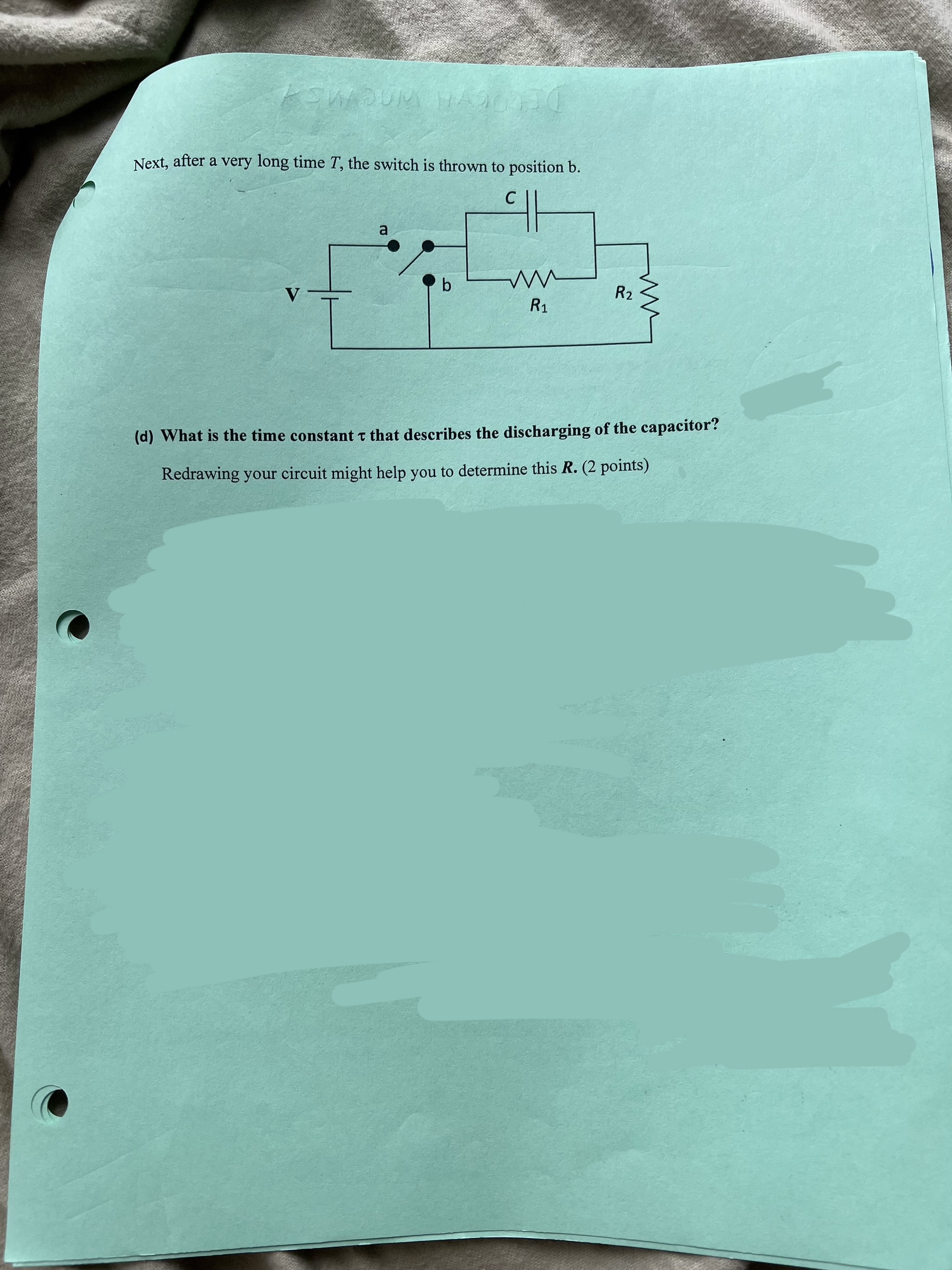
Question 1 (6 points) Two point charges q1 and q2 are placed on the corners of a fixed square. The square has sides 0.4m as shown in the rough sketch. Take the reference potential to be zero at infinity (V = 0 ). With the two point charges fixed in place, a third point charge q3=-3 uC with a mass of 4 E-6 kg is placed at one of the corners of the square. What is the speed of the charge when it reaches the center of the square? (6 points) Start with first principles and talk about what principle you are using to solve this problems 91 = +5 HC 92 = +5 HC 91 93 = -3 HC side= 0.4 m K+ + U, = Up + Ki 92 V1 = K 2, 23 K 2, 23 rf@ Question 2 (7 points) The next 3-part question refers to the figure on the right, which shows some equipotential contours.. (The points "A" through "D" are simply points in empty space .) Neglect gravity. A. At which labelled point is the magnitude of the electric field the greatest? (Note: I'm asking about |E|, not about voltage) Why? (2 points) B. An electron (charge -) is released at point A. Which way will it move at first? Why? (2 points) C. An alpha particle (charge +2) is moved from point D to point A by an external force. How much work did the external force do on the particle? (3 points) Question 3 (8 points) Multiple choice Questions-> Capacitance (i) The magnitude of the charge on the plates of an isolated parallel plate capacitor is doubled. Which one of the following statements is true concerning the capacitance of this parallel-plate system? (2 points) (a) The capacitance is decreased to one half of its original value. (b) The capacitance is increased to twice its original value. (c) The capacitance remains unchanged. (d) The capacitance depends on the electric field between the plates. (e) The capacitance depends on the potential difference across the plates. (ii) A parallel plate capacitor with plates of area A and plate separation d is charged so that the potential difference between its plates is V. If the capacitor is then isolated and its plate separation is decreased to d/2, what happens to the potential difference between the plates? (2 points) (a) The final potential difference is 4V. (b) The final potential difference is 2V. (c) The final potential difference is 0.5V. (d) The final potential difference is 0.25V. (e) The final potential difference is V.(iii) A parallel plate capacitor with plates of area A and plate separation d is charged so that the potential difference between its plates is V. If the capacitor is then isolated and its plate separation is decreased to d/2, what happens to its capacitance? (2 points) (a) The capacitance is twice its original value. (b) The capacitance is four times its original value. (c) The capacitance is eight times its original value. (d) The capacitance is one half of its original value. (e) The capacitance is unchanged. (iv) Which one of the following changes will necessarily increase the capacitance of a capacitor? (2 points) (a) decreasing the charge on the plates (b) increasing the charge on the plates (c) placing a dielectric between the plates (d) increasing the potential difference between the plates (e) decreasing the potential difference between the platesQuestion 4 (8 points) C A 4B student is analyzing the above circuit during a long siesta over the weekend. a) What is the Voltage across Ci (voltage Va at the point A relative to the ground)? (2 points) b) What is the Voltage across Cs (voltage Vg at the point B relative to the ground)? (2 points) ) What is the charge Qg on capacitor Cs? (2 points) d) What is the energy Ui stored on capacitor Ci ?(2 points) We are back playing around with circuits. This time round it is resistors!! In the circuit shown R3> R2>R4>R1. Four PHY 4B students are discussing the currents in this circuit and the professor overhears these conversations in in MLK building: Anja: I think the current in R, will be the largest because all of the current from the battery goes through it.\" Brina: \"I think the current through Ry, R;, and R, will all be the same because there are two branches in the circuit and each branch will get half of the current.\" nh Charlie: \"Well I disagree with m"\\ I think the current in R, will be larger than the current in R, and R. The currents in the branches depend on the resistances of the branches.\" Deepa. \"The only thing I am sure about is that the current in R, will be the same as that in R4 because they are in the same branc L2 Which, if any, of these students do you agree with? Explain your reasoning. Question 6 (8 points) Find all the currents in the circuit. Start from first principles -showing all your work-starting from fundamental equations then plugging values in equations. Always explain your thought process briefly and clearly. (8 points) R 2 R3 M M R1 V1 = 10 V M V2 = 20 V RA all Ri = 10 0 V 2 M RS V1Question 7 (8 points) C V= 13 V M C = 5 UF R2 R1 R1 = 30 R2 = 61 The circuit shown initially has the capacitor uncharged, and the switch connected to neither terminal. At time t = 0, the switch is thrown to position a. (a) Att= 0+, immediately after the switch is thrown to position a, what are the currents /1 and /2 across the two resistors? (2 points) (b) After a very long time, what is the current through Ri and R2 (show your calculations and explanations)? (2 points) (c) After a very long time, what is the Q charge on the capacitor? (2 points)Next, after a very long time 7, the switch is thrown to position b. i C (d) What is the time constant
Step by Step Solution
There are 3 Steps involved in it
To solve the questions on this sheet we will break them down step by step Question 1 Find the speed of the charge q3 when it reaches the center of the ... View full answer

Get step-by-step solutions from verified subject matter experts
 Study Help