







Question: Required information To complete this exercise, you will need to download and install Tableau on your computer. Tableau provides free instructor and student licenses
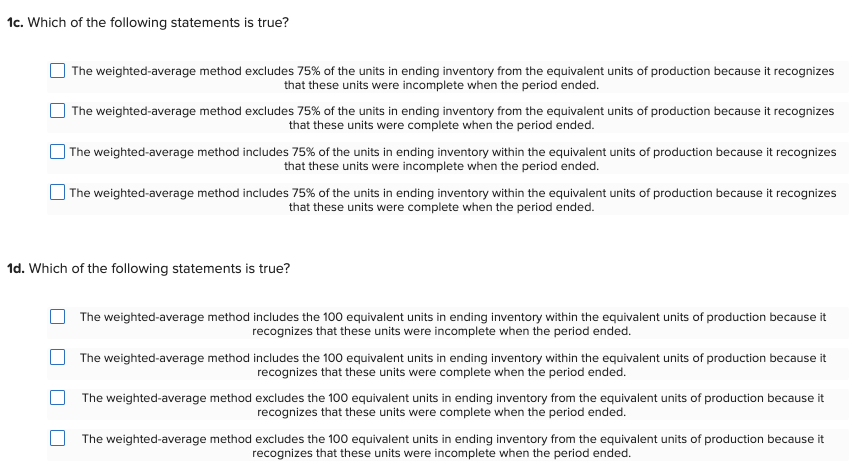
![found here. [The following information applies to the questions displayed below.] Nash](https://s3.amazonaws.com/si.experts.images/answers/2024/05/6658c10c1b4c2_6206658c10c1500a.jpg)
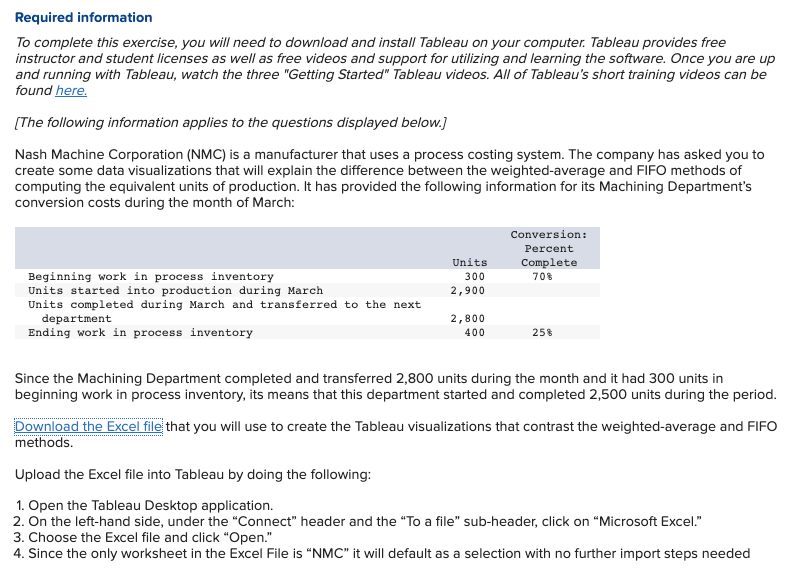
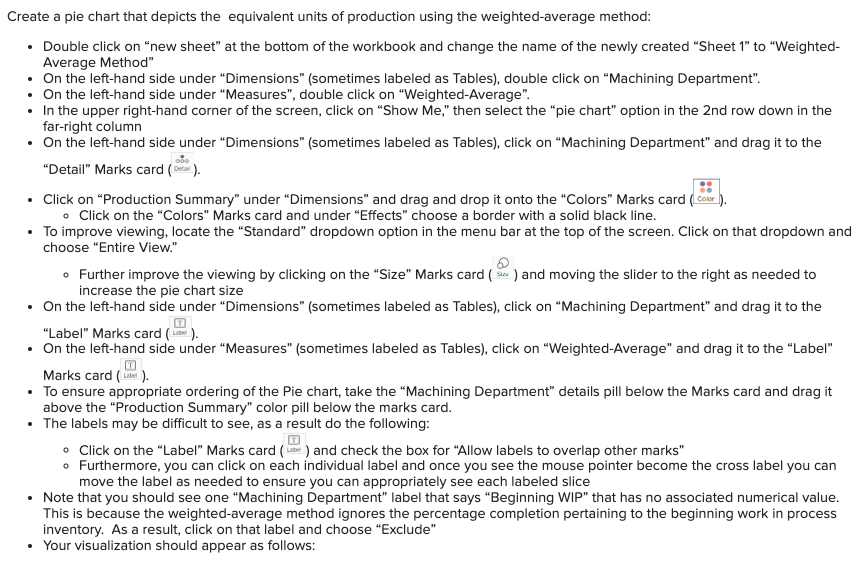
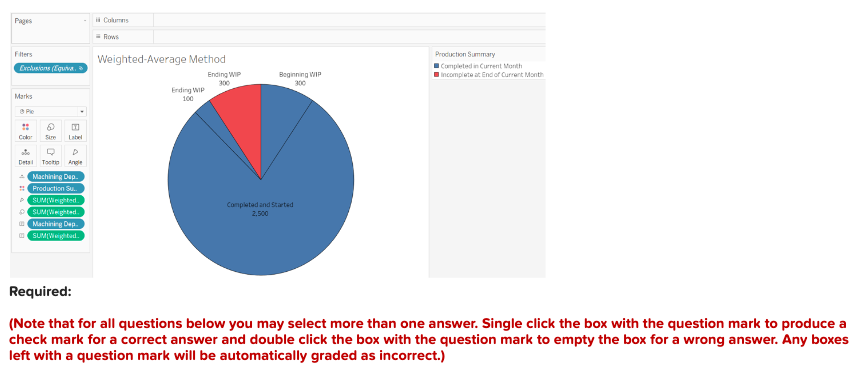
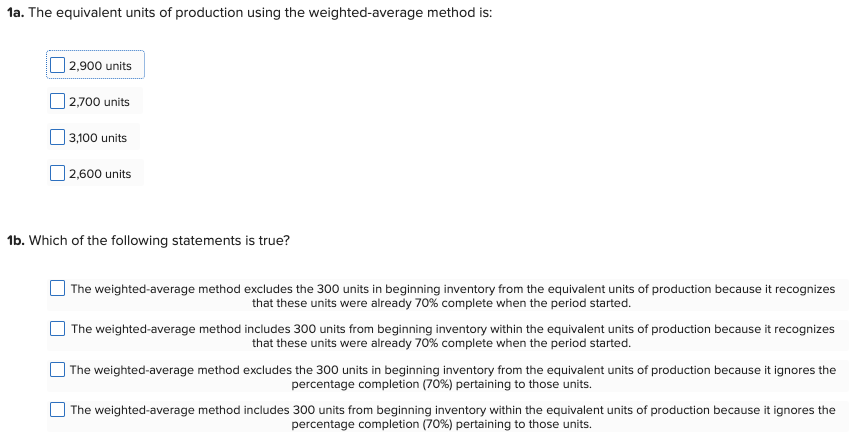
Required information To complete this exercise, you will need to download and install Tableau on your computer. Tableau provides free instructor and student licenses as well as free videos and support for utilizing and learning the software. Once you are up and running with Tableau, watch the three "Getting Started" Tableau videos. All of Tableau's short training videos can be found here. [The following information applies to the questions displayed below.] Nash Machine Corporation (NMC) is a manufacturer that uses a process costing system. The company has asked you to create some data visualizations that will explain the difference between the weighted-average and FIFO methods of computing the equivalent units of production. It has provided the following information for its Machining Department's conversion costs during the month of March: Conversion: Percent Units Complete Beginning work in process inventory 300 70% Units started into production during March 2,900 Units completed during March and transferred to the next department Ending work in process inventory 2,800 400 258 Since the Machining Department completed and transferred 2,800 units during the month and it had 300 units in beginning work in process inventory, its means that this department started and completed 2,500 units during the period. Download the Excel file that you will use to create the Tableau visualizations that contrast the weighted-average and FIFO methods. Upload the Excel file into Tableau by doing the following: 1. Open the Tableau Desktop application. 2. On the left-hand side, under the "Connect" header and the "To a file" sub-header, click on "Microsoft Excel." 3. Choose the Excel file and click "Open." 4. Since the only worksheet in the Excel File is "NMC" it will default as a selection with no further import steps needed
Step by Step Solution
There are 3 Steps involved in it

Get step-by-step solutions from verified subject matter experts
 Study Help