thank you, please show working! :)
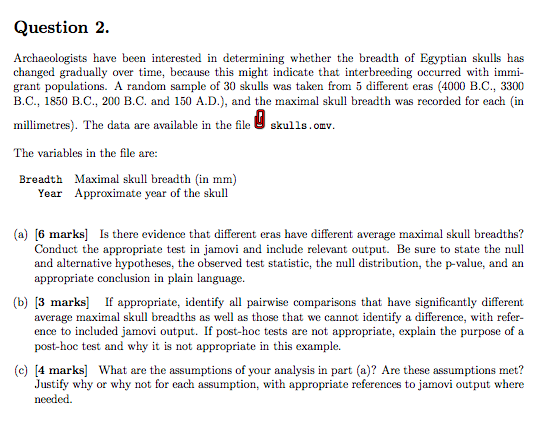
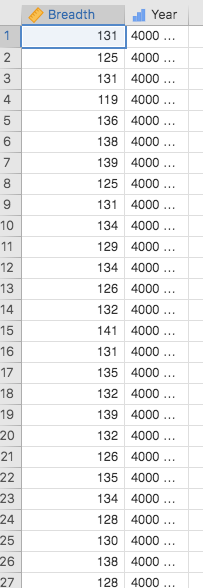
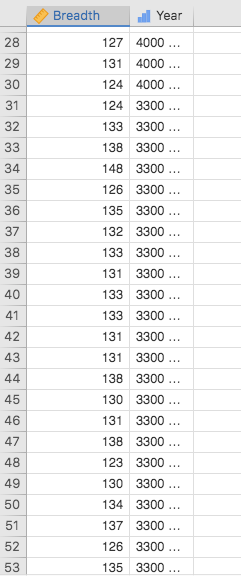
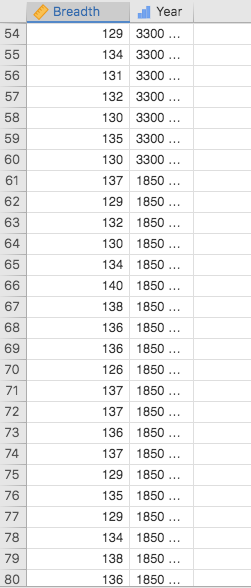
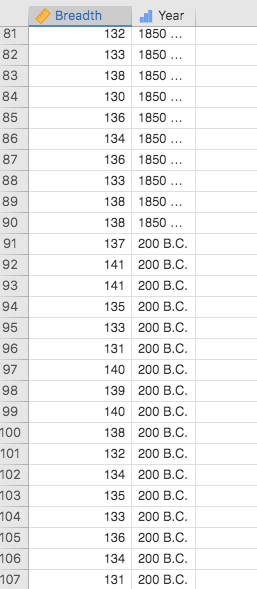
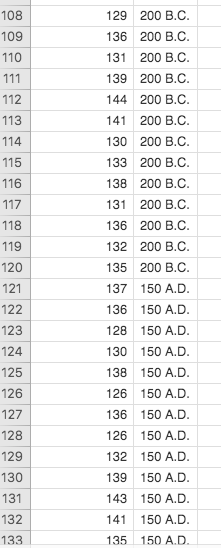
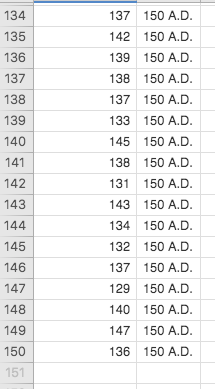
Question 2. Archaeologists have been interested in determining whether the breadth of Egyptian skulls has changed gradually over time, because this might indicate that interbreeding occurred with immi- grant populations. A random sample of 30 skulls was taken from 5 different eras (4000 B.C., 3300 B.C., 1850 B.C., 200 B.C. and 150 A.D.), and the maximal skull breadth was recorded for each in millimetres). The data are available in the file skulls.onv. The variables in the file are: Breadth Maximal skull breadth (in mm) Year Approximate year of the skull (a) [6 marks] Is there evidence that different cras have different average maximal skull breadths? Conduct the appropriate test in jamovi and include relevant output. Be sure to state the null and alternative hypotheses, the observed test statistic, the null distribution, the p-value, and an appropriate conclusion in plain language. (b) [3 marks] If appropriate, identify all pairwise comparisons that have significantly different average maximal skull breadths as well as those that we cannot identify a difference, with refer- ence to included jamovi output. If post-hoc tests are not appropriate, explain the purpose of a post-hoc test and why it is not appropriate in this example. (c) (4 marks] What are the assumptions of your analysis in part (a)? Are these assumptions met? Justify why or why not for each assumption, with appropriate references to jamovi output where needed. 1 2 3 4 5 6 7 00 9 10 11 12 13 Breadth Year 131 4000... 125 4000 ... 131 4000... 119 4000... 136 4000 ... 138 4000 ... 1394000 ... 125 4000... 131 4000.. 134 4000... 129 4000... 134 4000... 126 4000 ... 132 4000 141 4000 ... 131 4000... 135 4000... 132 4000 1394000... 132 4000... 126 4000 ... 135 4000 ... 134 4000 ... 128 4000... 130 4000... 138 4000... 128 4000 14 15 16 17 18 19 20 21 22 23 24 25 26 27 Breadth Year 28 29 30 31 32 33 34 35 36 37 38 39 40 127 4000... 131 4000 ... 124 4000... 124 3300 ... 133 3300 ... 138 3300 ... 148 3300 126 3300 ... 135 3300 ... 132 00... 133 3300 ... 131 3300 ... 133 3300 133 3300 ... 131 3300 ... 131 138 3300 .. 130 3300 ... 131 3300 ... 138 3300 ... 123 3300 ... 130 3300 ... 134 3300 ... 137 3300 ... 126 3300 ... 135 3300 ... 41 42 43 3300 ... 44 45 46 47 48 49 50 51 52 53 54 55 56 57 58 59 60 61 62 63 64 65 66 Breadth Year 129 3300 ... 134 3300 ... 131 3300 ... 132 3300 130 3300 ... 135 3300 ... 130 3300 137 1850.. 129 1850 ... 132 1850 ... 130 1850... 134 1850 ... 140 1850... 138 1850.. 136 1850 ... 136 1850 ... 126 1850 ... 137 1850 ... 137 1850 ... 136 1850 ... 137 1850 ... 129 1850 ... 135 1850 ... 129 1850 ... 134 1850 ... 138 1850 ... 136 1850 ... 67 68 69 70 71 72 73 74 75 76 77 78 79 80 81 82 83 84 85 86 87 88 89 90 91 92 93 94 95 96 97 Breadth Year 132 1850 ... 133 1850 ... 138 1850 ... 130 1850 .. 136 1850 ... 134 1850... 136 1850 ... 133 1850 ... 138 1850... 138 1850... 137 200 B.C. 141 200 B.C. 141 200 B.C. 135 200 B.C. 133 200 B.C. 131 200 B.C. 140 200 B.C. 139 200 B.C. 140 200 B.C. 138 200 B.C. 132 200 B.C. 134 200 B.C. 135 200 B.C. 133 200 B.C. 136 200 B.C. 134 200 B.C. 131 200 B.C. 98 99 100 101 102 103 104 105 106 107 108 109 110 111 112 113 114 115 116 117 129 200 B.C. 136 200 B.C. 131 200 B.C. 139 200 B.C. 144 200 B.C. 141 200 B.C. 130 200 B.C. 133 200 B.C. 138 200 B.C. 131 200 B.C. 136 200 B.C. 132 200 B.C. 135 200 B.C. 137 150 A.D. 136 150 A.D. 128 150 A.D. 118 119 120 121 122 123 124 125 126 127 128 129 130 130 150 A.D. 138 150 A.D. 126 150 A.D. 136 150 A.D. 126 150 A.D. 132 150 A.D. 150 A.D. 139 131 143 150 A.D. 141 132 133 150 A.D. 150 A.D. 135 134 135 136 137 138 139 140 141 142 137 150 A.D. 142 150 A.D. 139 150 A.D. 138 150 A.D. 137 150 A.D. 133 150 A.D. 145 150 A.D. 138 150 A.D. 131 150 A.D. 143 150 A.D. 134 150 A.D. 132 150 A.D. 137 150 A.D. 129 150 A.D. 140 150 A.D. 147 150 A.D. 136 150 A.D. 143 144 145 146 147 148 149 150 151 Question 2. Archaeologists have been interested in determining whether the breadth of Egyptian skulls has changed gradually over time, because this might indicate that interbreeding occurred with immi- grant populations. A random sample of 30 skulls was taken from 5 different eras (4000 B.C., 3300 B.C., 1850 B.C., 200 B.C. and 150 A.D.), and the maximal skull breadth was recorded for each in millimetres). The data are available in the file skulls.onv. The variables in the file are: Breadth Maximal skull breadth (in mm) Year Approximate year of the skull (a) [6 marks] Is there evidence that different cras have different average maximal skull breadths? Conduct the appropriate test in jamovi and include relevant output. Be sure to state the null and alternative hypotheses, the observed test statistic, the null distribution, the p-value, and an appropriate conclusion in plain language. (b) [3 marks] If appropriate, identify all pairwise comparisons that have significantly different average maximal skull breadths as well as those that we cannot identify a difference, with refer- ence to included jamovi output. If post-hoc tests are not appropriate, explain the purpose of a post-hoc test and why it is not appropriate in this example. (c) (4 marks] What are the assumptions of your analysis in part (a)? Are these assumptions met? Justify why or why not for each assumption, with appropriate references to jamovi output where needed. 1 2 3 4 5 6 7 00 9 10 11 12 13 Breadth Year 131 4000... 125 4000 ... 131 4000... 119 4000... 136 4000 ... 138 4000 ... 1394000 ... 125 4000... 131 4000.. 134 4000... 129 4000... 134 4000... 126 4000 ... 132 4000 141 4000 ... 131 4000... 135 4000... 132 4000 1394000... 132 4000... 126 4000 ... 135 4000 ... 134 4000 ... 128 4000... 130 4000... 138 4000... 128 4000 14 15 16 17 18 19 20 21 22 23 24 25 26 27 Breadth Year 28 29 30 31 32 33 34 35 36 37 38 39 40 127 4000... 131 4000 ... 124 4000... 124 3300 ... 133 3300 ... 138 3300 ... 148 3300 126 3300 ... 135 3300 ... 132 00... 133 3300 ... 131 3300 ... 133 3300 133 3300 ... 131 3300 ... 131 138 3300 .. 130 3300 ... 131 3300 ... 138 3300 ... 123 3300 ... 130 3300 ... 134 3300 ... 137 3300 ... 126 3300 ... 135 3300 ... 41 42 43 3300 ... 44 45 46 47 48 49 50 51 52 53 54 55 56 57 58 59 60 61 62 63 64 65 66 Breadth Year 129 3300 ... 134 3300 ... 131 3300 ... 132 3300 130 3300 ... 135 3300 ... 130 3300 137 1850.. 129 1850 ... 132 1850 ... 130 1850... 134 1850 ... 140 1850... 138 1850.. 136 1850 ... 136 1850 ... 126 1850 ... 137 1850 ... 137 1850 ... 136 1850 ... 137 1850 ... 129 1850 ... 135 1850 ... 129 1850 ... 134 1850 ... 138 1850 ... 136 1850 ... 67 68 69 70 71 72 73 74 75 76 77 78 79 80 81 82 83 84 85 86 87 88 89 90 91 92 93 94 95 96 97 Breadth Year 132 1850 ... 133 1850 ... 138 1850 ... 130 1850 .. 136 1850 ... 134 1850... 136 1850 ... 133 1850 ... 138 1850... 138 1850... 137 200 B.C. 141 200 B.C. 141 200 B.C. 135 200 B.C. 133 200 B.C. 131 200 B.C. 140 200 B.C. 139 200 B.C. 140 200 B.C. 138 200 B.C. 132 200 B.C. 134 200 B.C. 135 200 B.C. 133 200 B.C. 136 200 B.C. 134 200 B.C. 131 200 B.C. 98 99 100 101 102 103 104 105 106 107 108 109 110 111 112 113 114 115 116 117 129 200 B.C. 136 200 B.C. 131 200 B.C. 139 200 B.C. 144 200 B.C. 141 200 B.C. 130 200 B.C. 133 200 B.C. 138 200 B.C. 131 200 B.C. 136 200 B.C. 132 200 B.C. 135 200 B.C. 137 150 A.D. 136 150 A.D. 128 150 A.D. 118 119 120 121 122 123 124 125 126 127 128 129 130 130 150 A.D. 138 150 A.D. 126 150 A.D. 136 150 A.D. 126 150 A.D. 132 150 A.D. 150 A.D. 139 131 143 150 A.D. 141 132 133 150 A.D. 150 A.D. 135 134 135 136 137 138 139 140 141 142 137 150 A.D. 142 150 A.D. 139 150 A.D. 138 150 A.D. 137 150 A.D. 133 150 A.D. 145 150 A.D. 138 150 A.D. 131 150 A.D. 143 150 A.D. 134 150 A.D. 132 150 A.D. 137 150 A.D. 129 150 A.D. 140 150 A.D. 147 150 A.D. 136 150 A.D. 143 144 145 146 147 148 149 150 151




