







Question: The following MIPS instruction sequence is executed on a 5-cycle pipeline datapath, implemented with hazard detection and forwarding units. lw $t1, 0($t0) add $s0, $s0,
The following MIPS instruction sequence is executed on a 5-cycle pipeline datapath, implemented with hazard detection and forwarding units.
lw $t1, 0($t0)
add $s0, $s0, $t1
lw $t2, 4($s0)
add $s1, $s1, $t2
Analyze for hazards. How many bubbles, if any, will be required this instruction sequence? Can a compiler improve the performance?
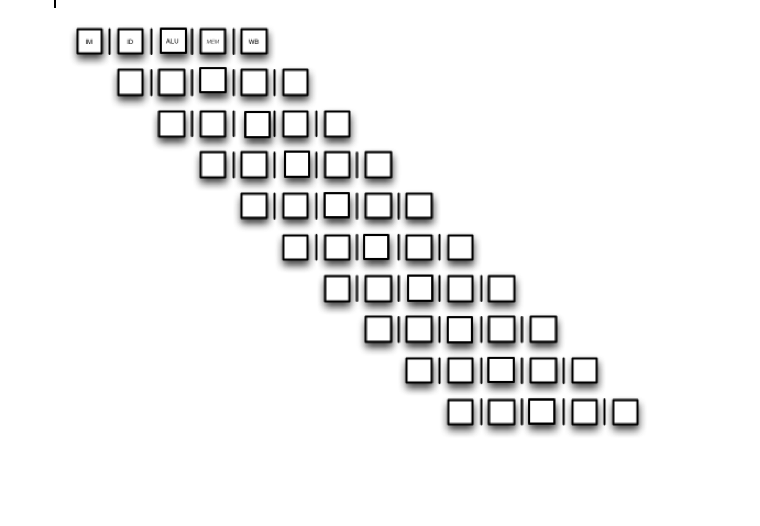
Use attached pipeline sheet and show hazards and indicate for each line what would need to be done in terms of forwarding or bubbles. On one sheet draw arrows showing the initial hazards. On another sheet show forwarding arrows, or where you would add stalls or nops. If you add a stall add boxes and show the stalled stage like in the lecture, showing effect on following instructions also.
put next to instruction: example : lw $t1, 0($t0) bubble (stall) added because of lw for one cycle
ALU
Step by Step Solution
There are 3 Steps involved in it

Get step-by-step solutions from verified subject matter experts
 Study Help