Question: We've all been on a team where there was one problem member. If you haven't had that experience, you will (or perhaps you were the

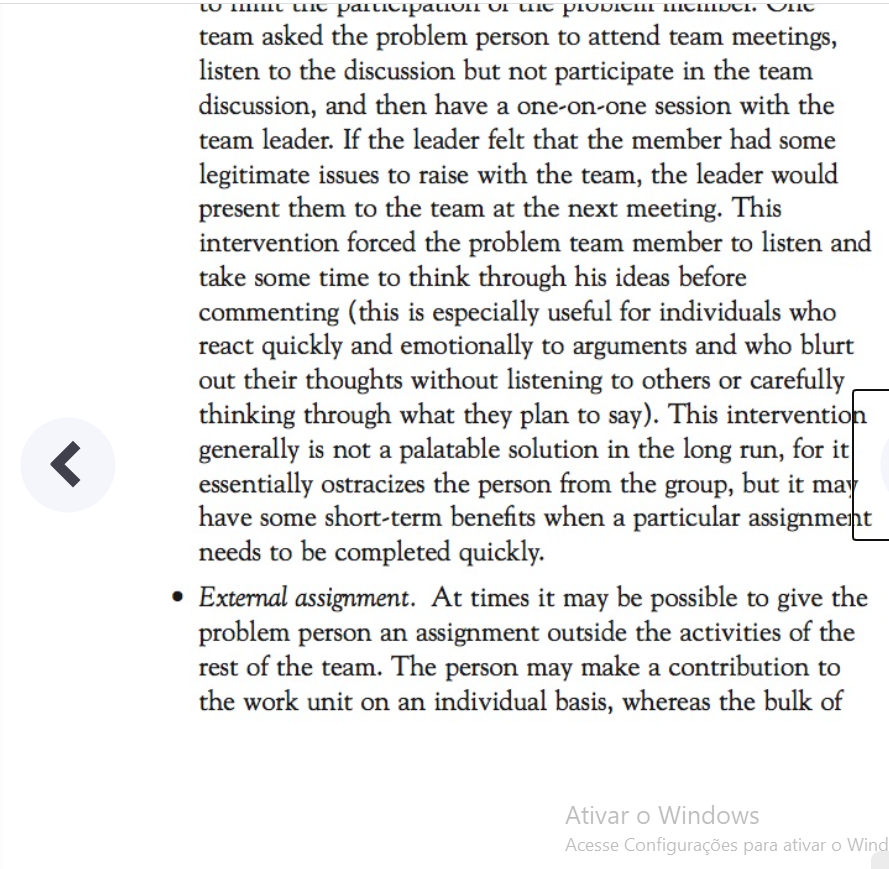
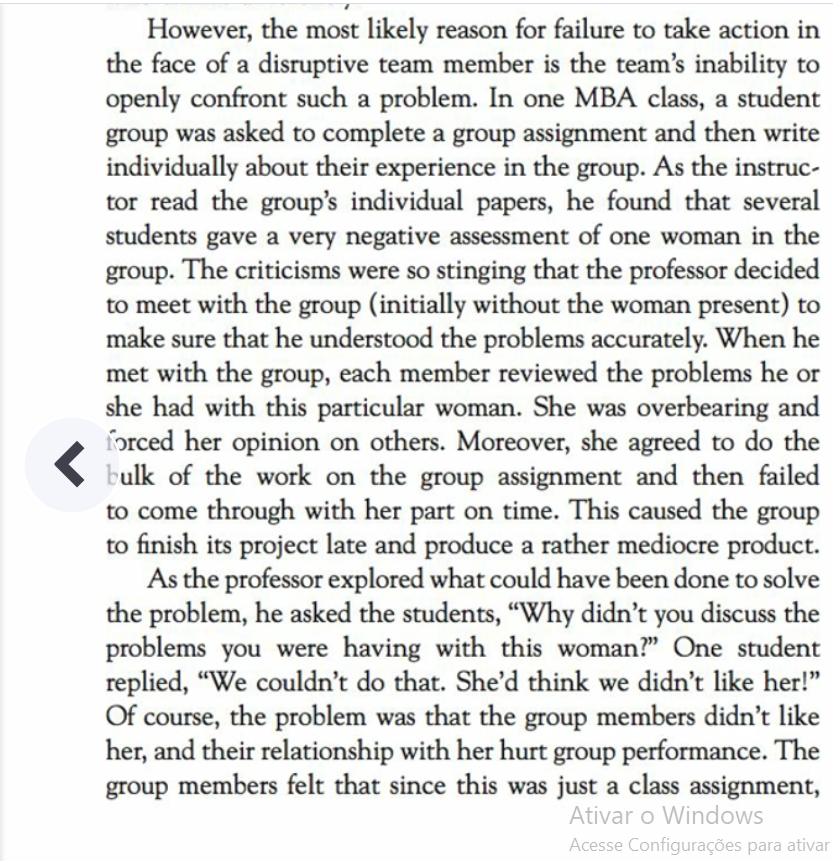
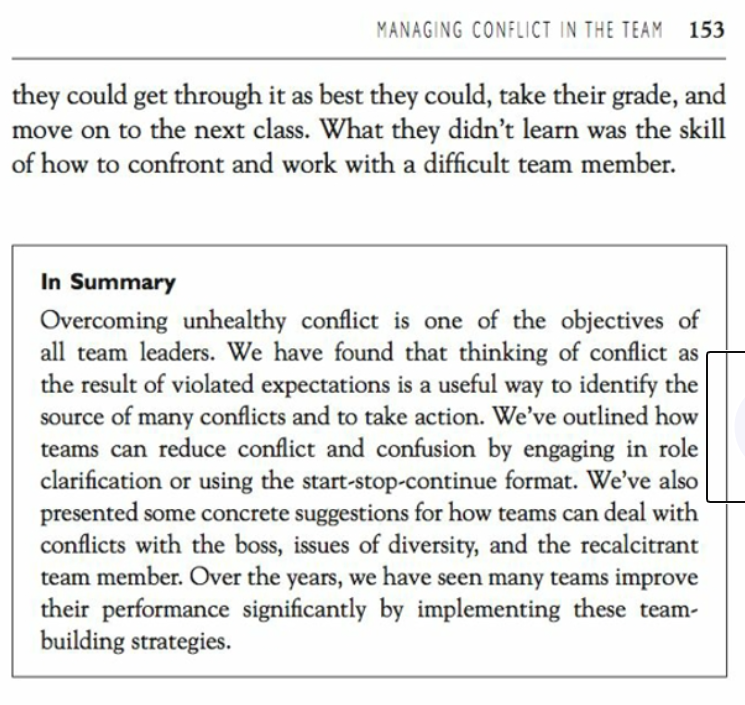
We've all been on a team where there was one problem member. If you haven't had that experience, you will (or perhaps you were the problem member). After reading the section on the The Problem Member (pages 149-153), discuss which of the suggested actions you would implement if you were the manager over a team with one problem member and why? Consider whether your solution would work as well for a long term project (several months or more) as it would for a short term project (days or a few weeks) and how the solution might impact the workload of the other teammates.
We've all been on a team where there was oneWe've all been on a team where there was oneWe've all been on a team where there was oneWe've all been on a team where there was oneWe've all been on a team where there was one

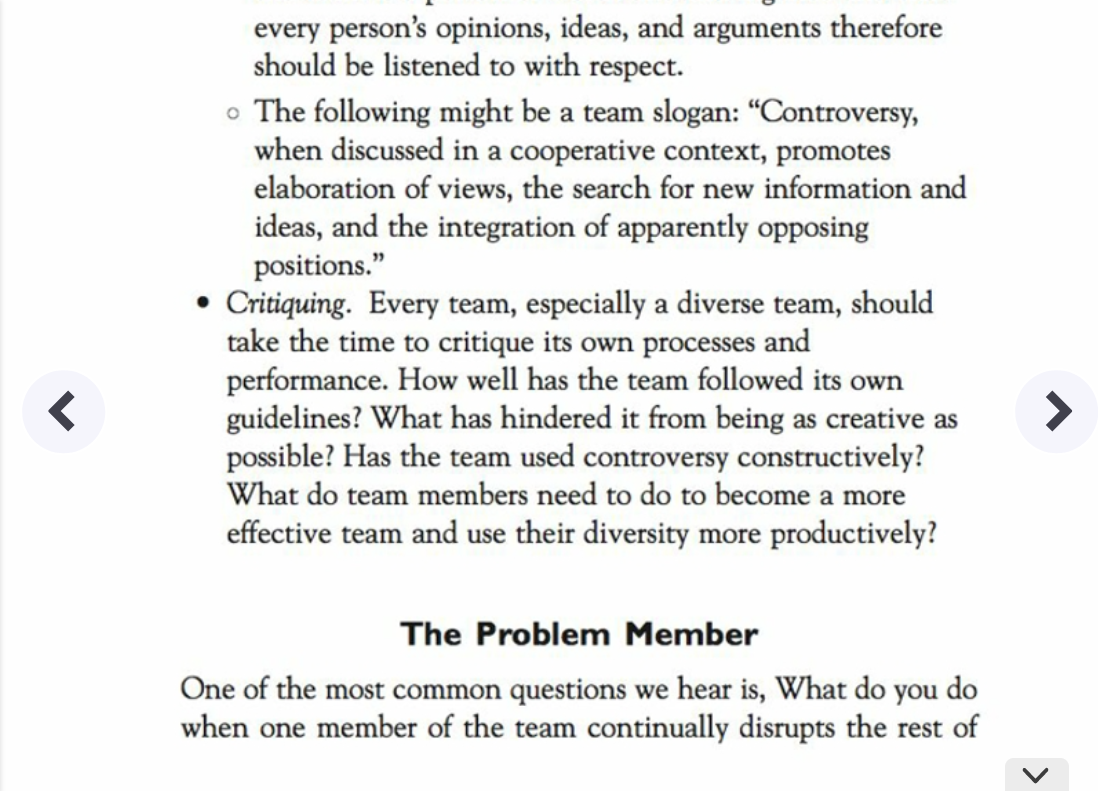
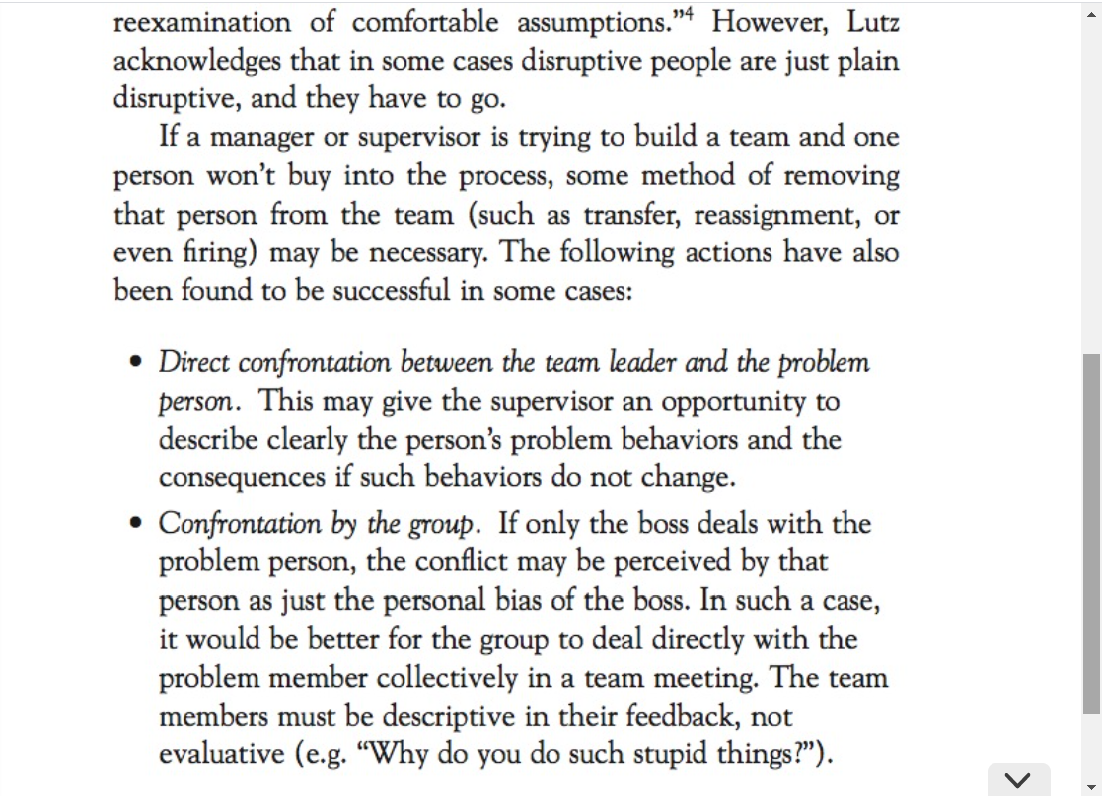
every person's opinions, ideas, and arguments therefore should be listened to with respect. The following might be a team slogan: Controversy, when discussed in a cooperative context, promotes elaboration of views, the search for new information and ideas, and the integration of apparently opposing positions." Critiquing. Every team, especially a diverse team, should take the time to critique its own processes and performance. How well has the team followed its own guidelines? What has hindered it from being as creative as possible? Has the team used controversy constructively? What do team members need to do to become a more effective team and use their diversity more productively? > The Problem Member One of the most common questions we hear is, What do you do when one member of the team continually disrupts the rest of reexamination of comfortable assumptions."4 However, Lutz acknowledges that in some cases disruptive people are just plain disruptive, and they have to go. If a manager or supervisor is trying to build a team and one person won't buy into the process, some method of removing that person from the team (such as transfer, reassignment, or even firing) may be necessary. The following actions have also been found to be successful in some cases: Direct confrontation between the team leader and the problem person. This may give the supervisor an opportunity to describe clearly the person's problem behaviors and the consequences if such behaviors do not change. Confrontation by the group. If only the boss deals with the problem person, the conflict may be perceived by that person as just the personal bias of the boss. In such a case, it would be better for the group to deal directly with the problem member collectively in a team meeting. The team members must be descriptive in their feedback, not evaluative (e.g. Why do you do such stupid things?").

Step by Step Solution

There are 3 Steps involved in it

1 Expert Approved Answer
Step: 1 Unlock blur-text-image

Question Has Been Solved by an Expert!

Get step-by-step solutions from verified subject matter experts

Step: 2 Unlock
Step: 3 Unlock

Students Have Also Explored These Related General Management Questions!