







Question: Qualitative Annotated Bibliography For this assignment, you will undertake a review of different types of qualitative literature.Find one article that used each of the following
Qualitative Annotated Bibliography
For this assignment, you will undertake a review of different types of qualitative literature.Find one article that used each of the following research methods and write a bibliography on it.
Case Study
Ethnography
Phenomenological
Grounded Theory
Content Analysis
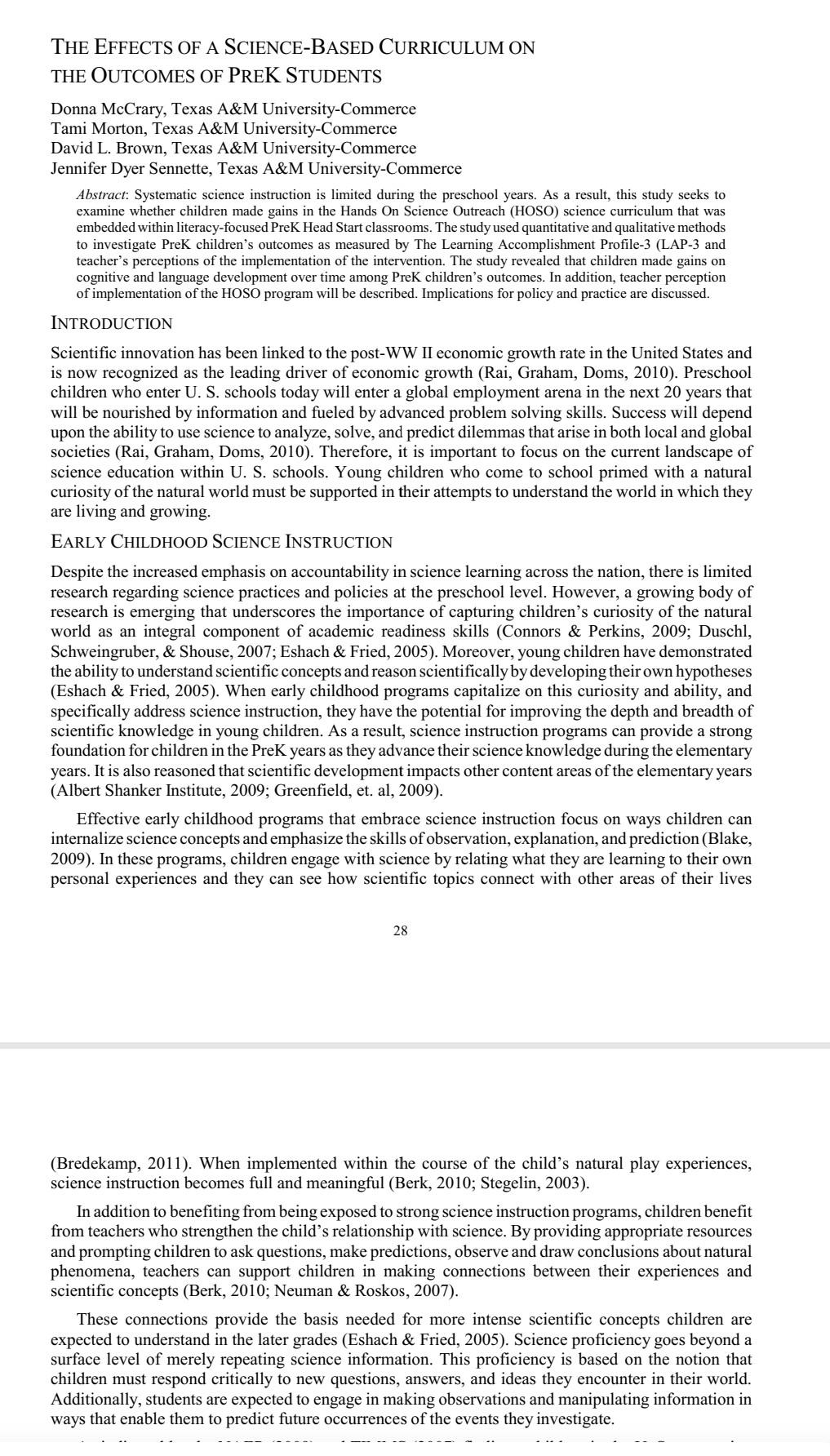
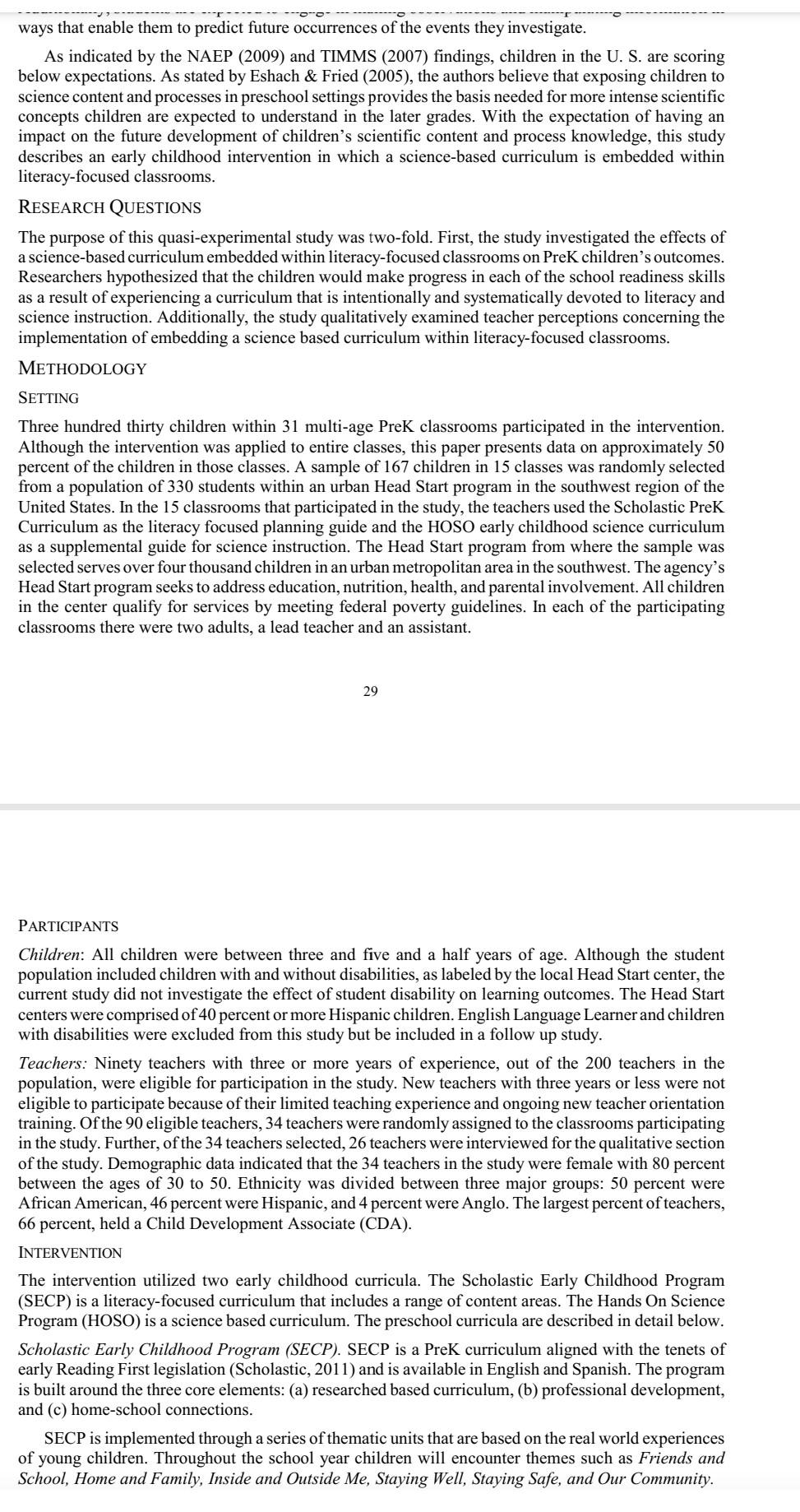
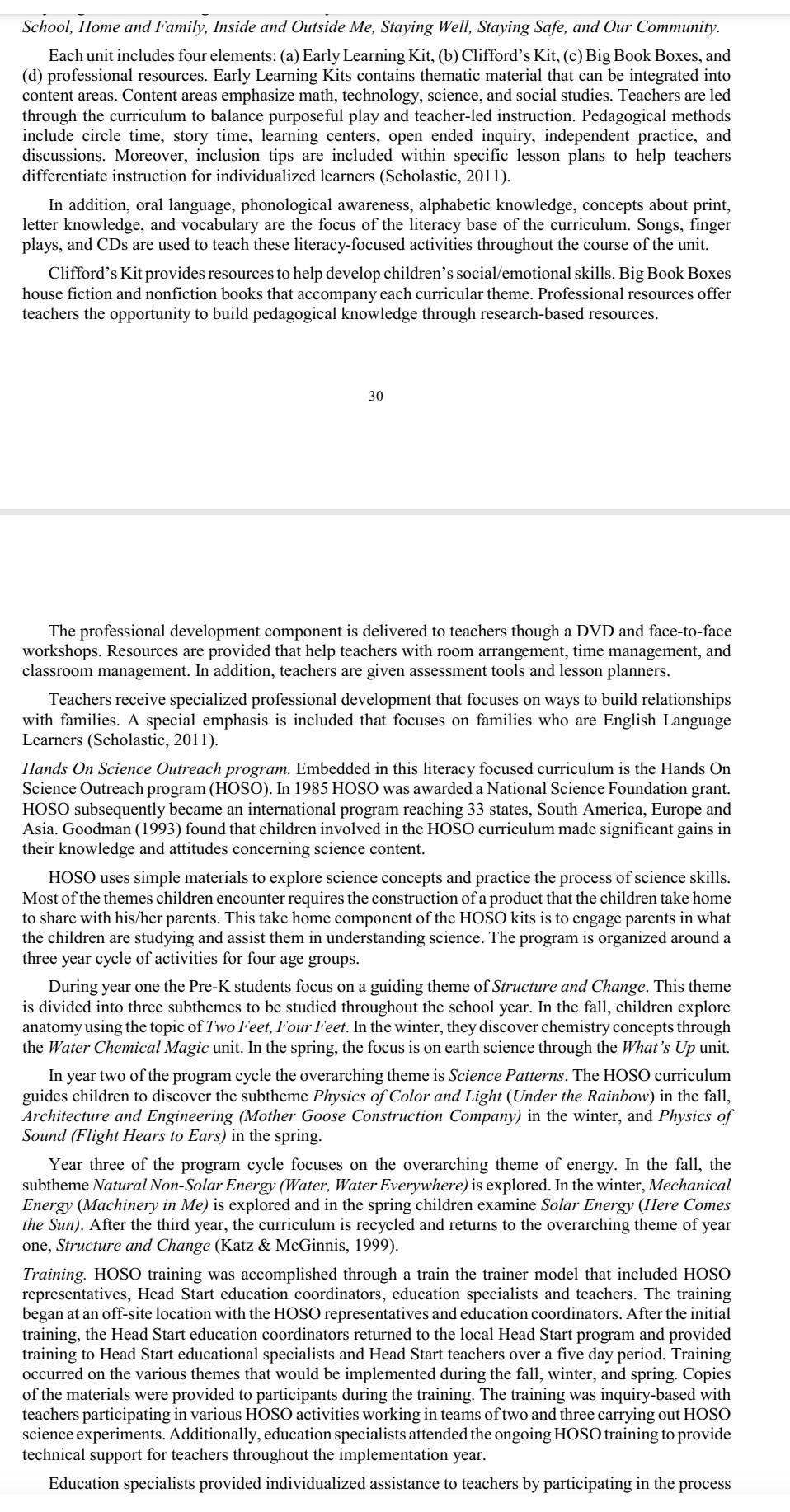
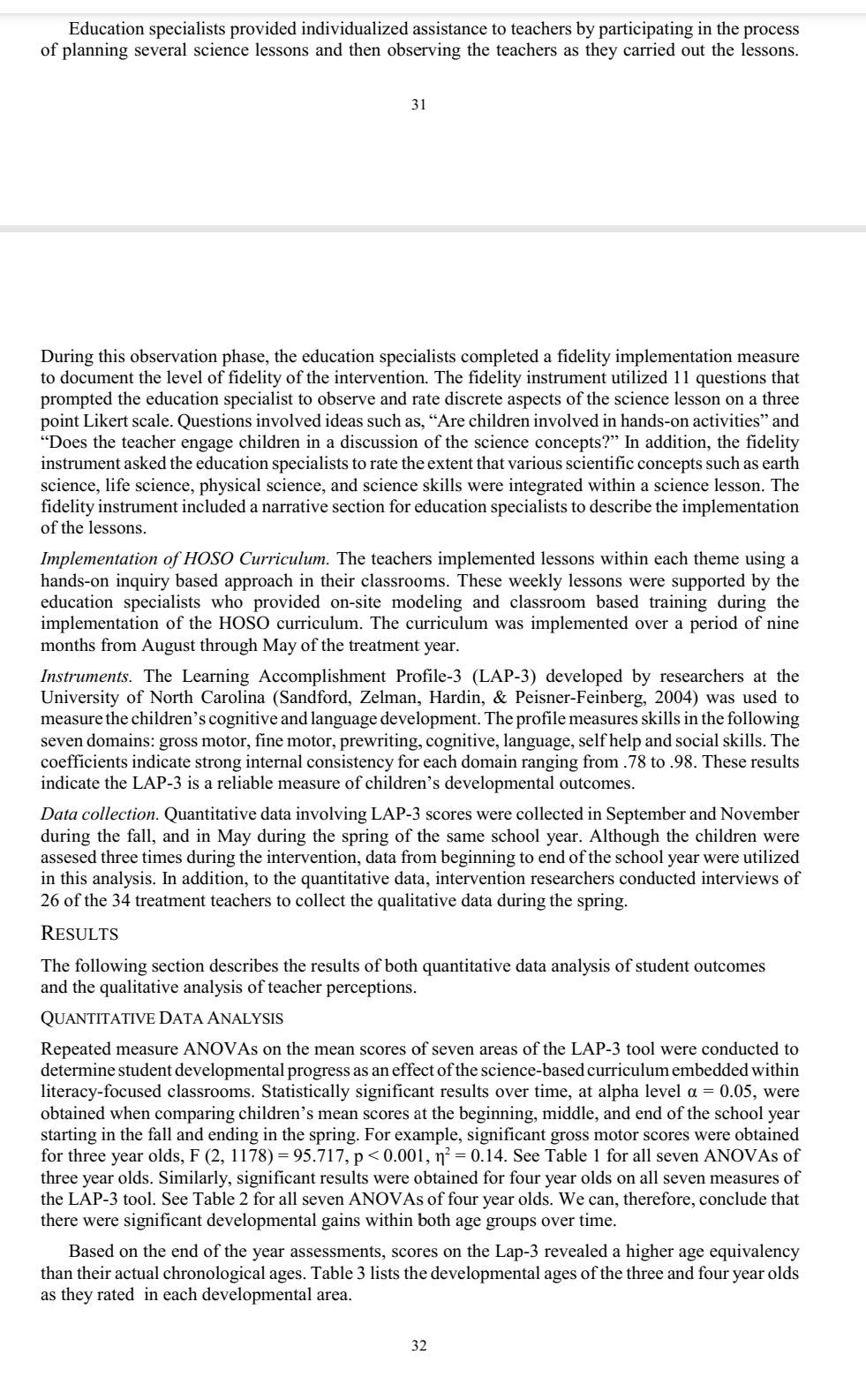
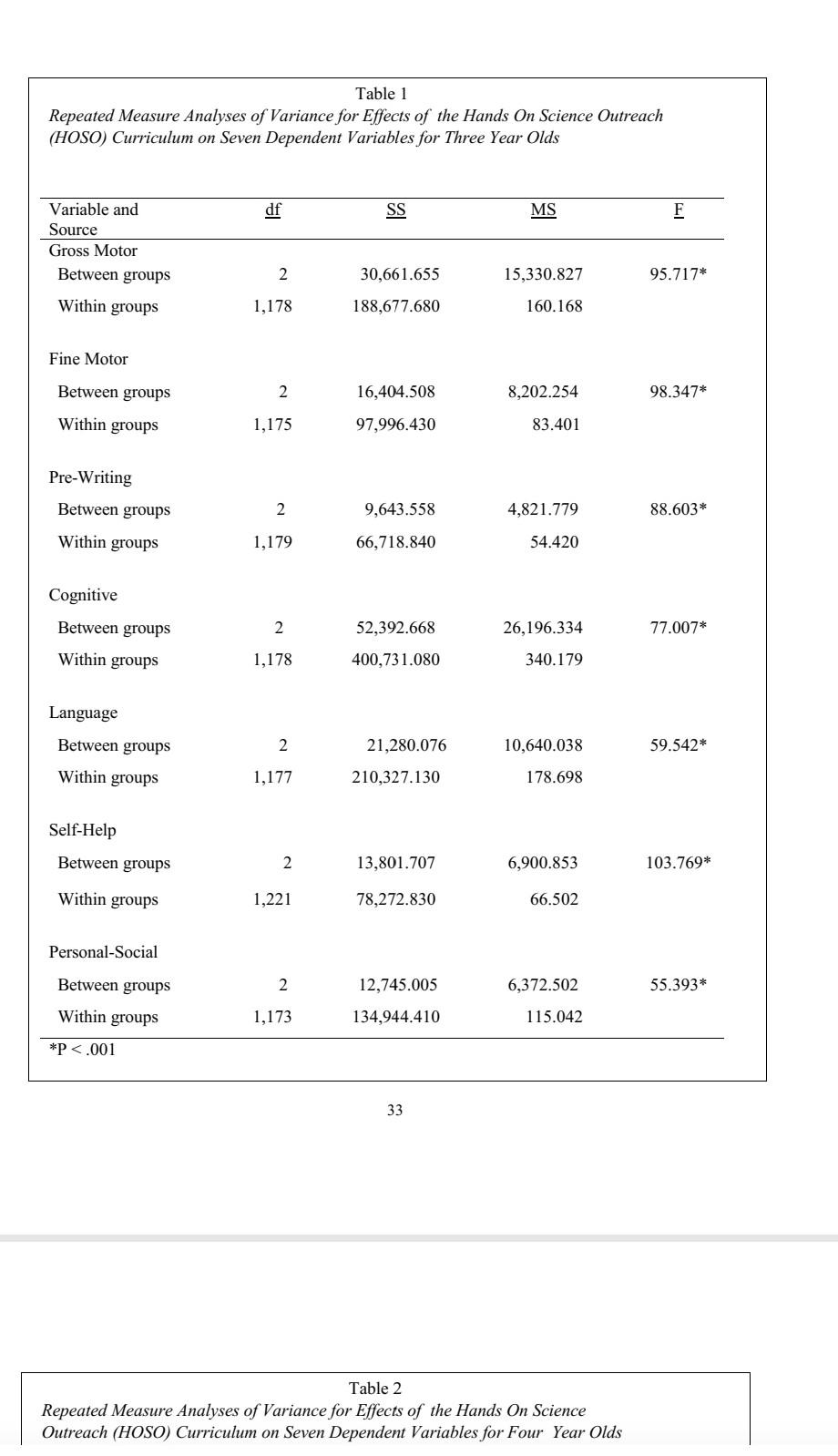
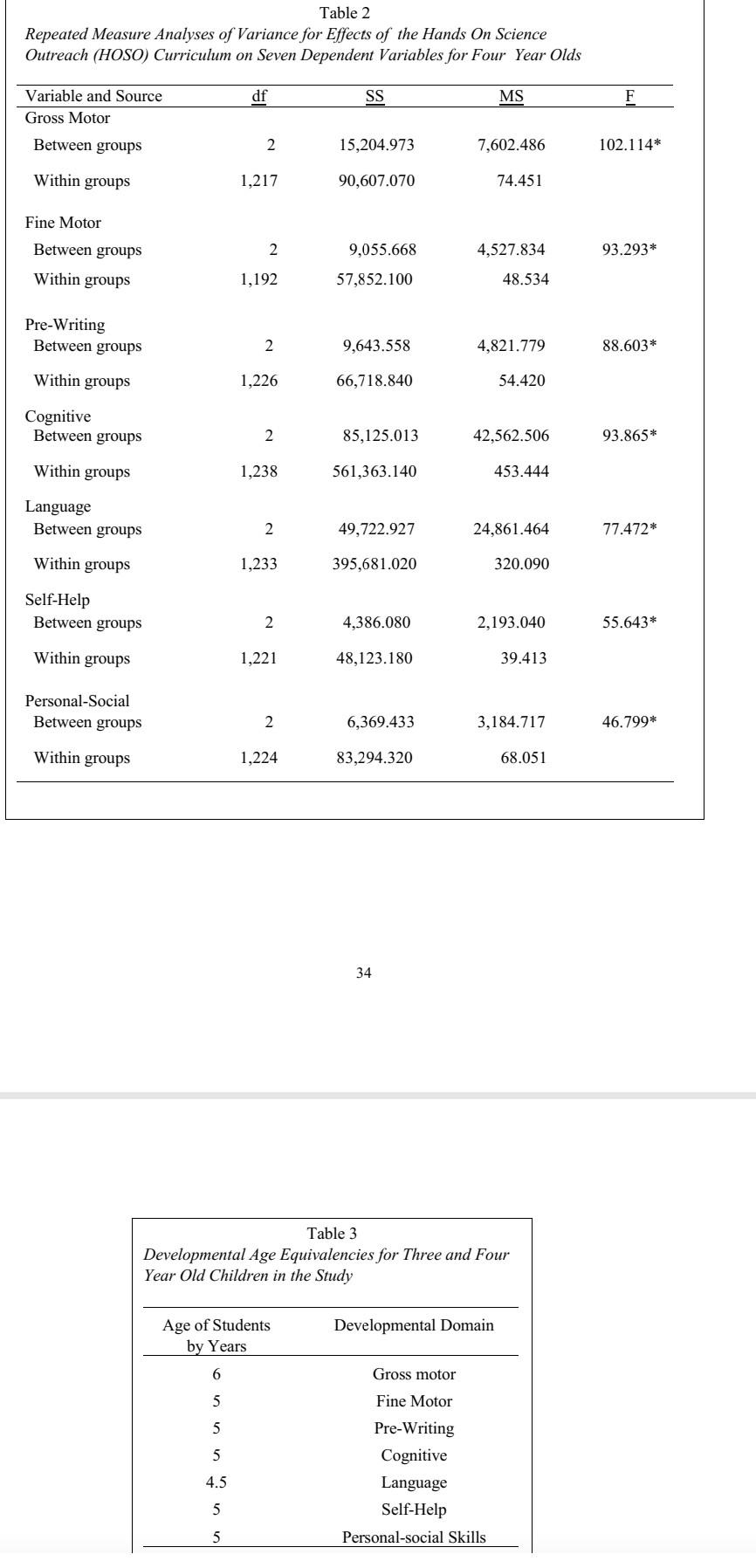
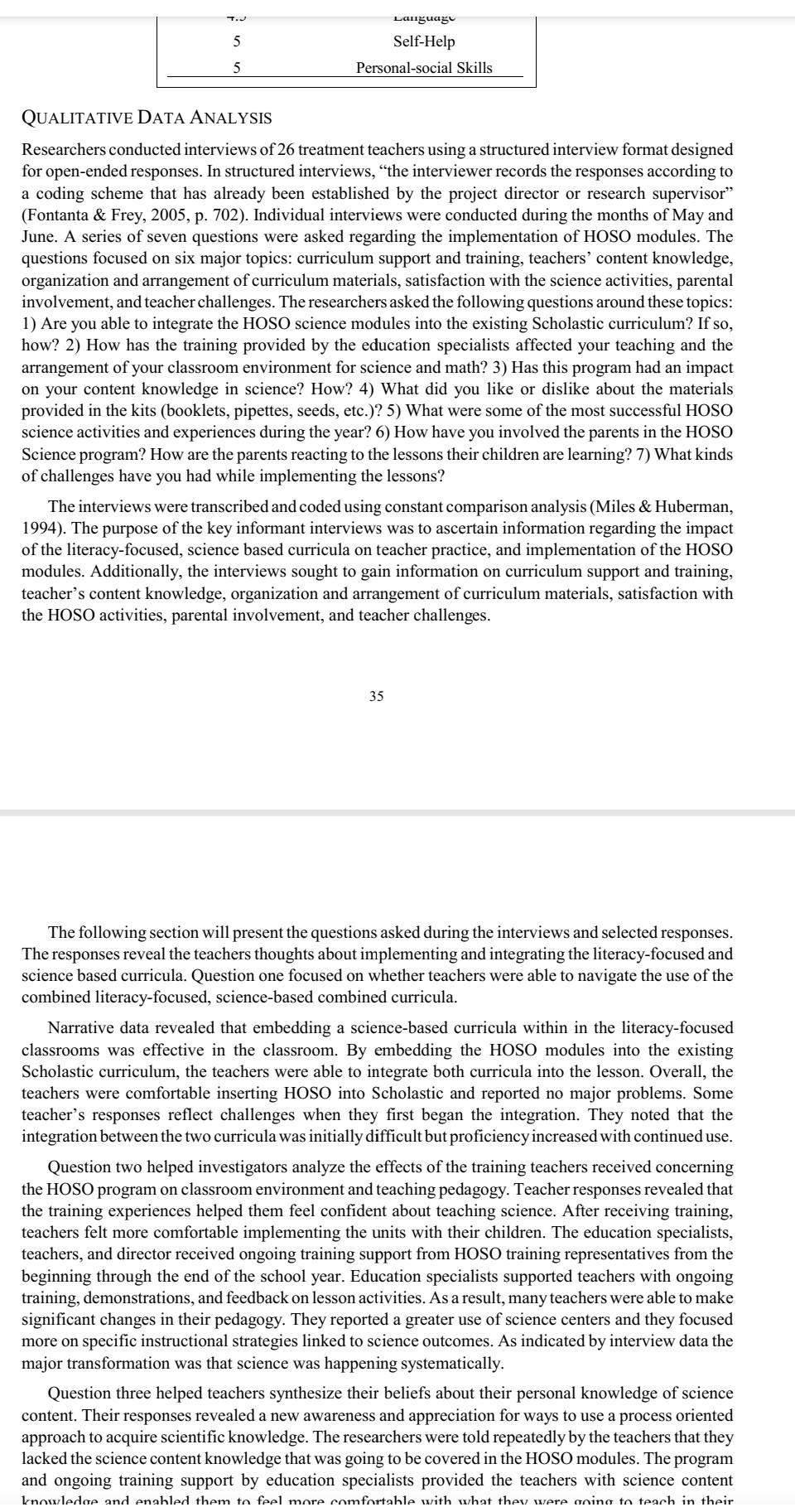
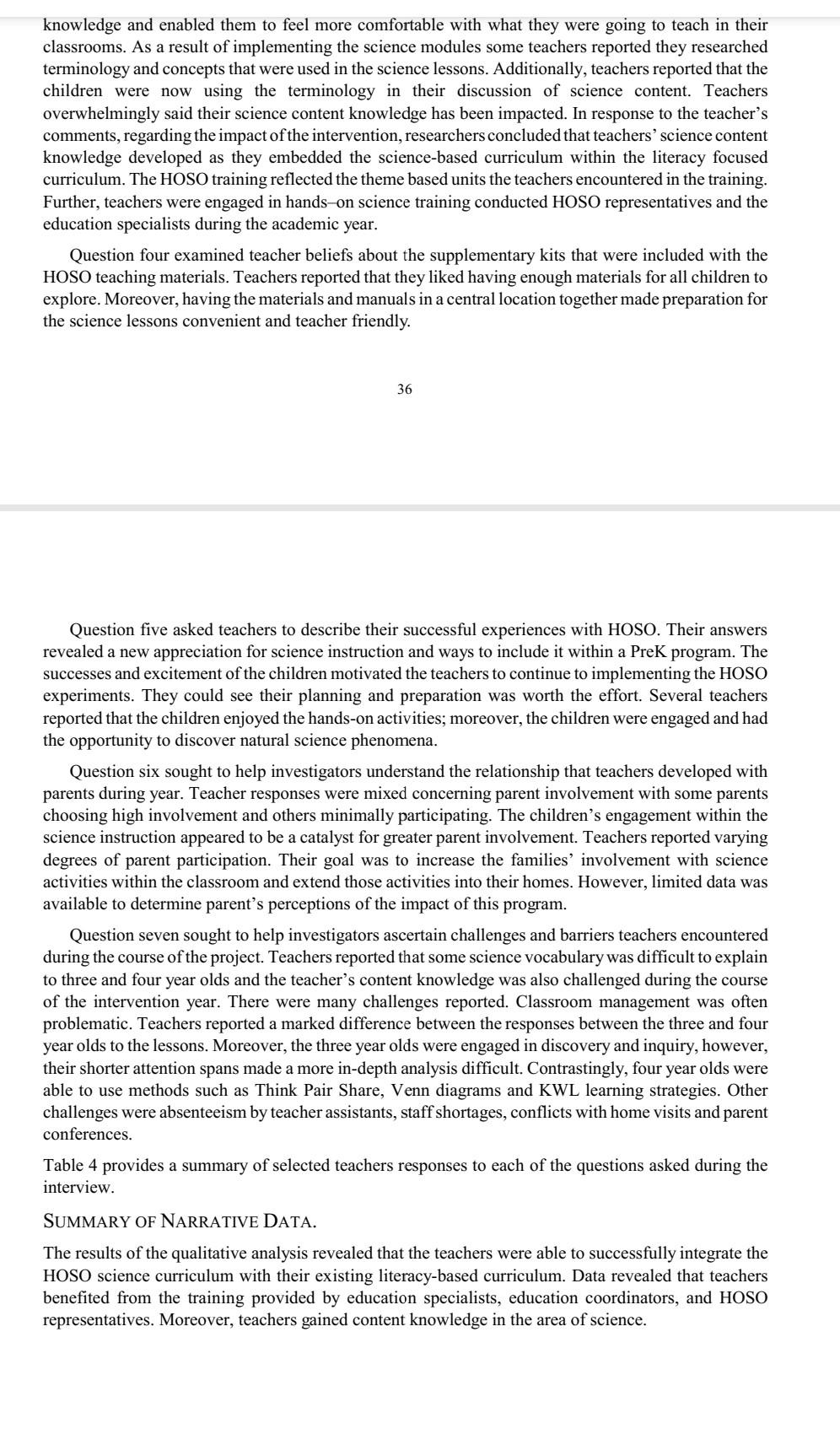
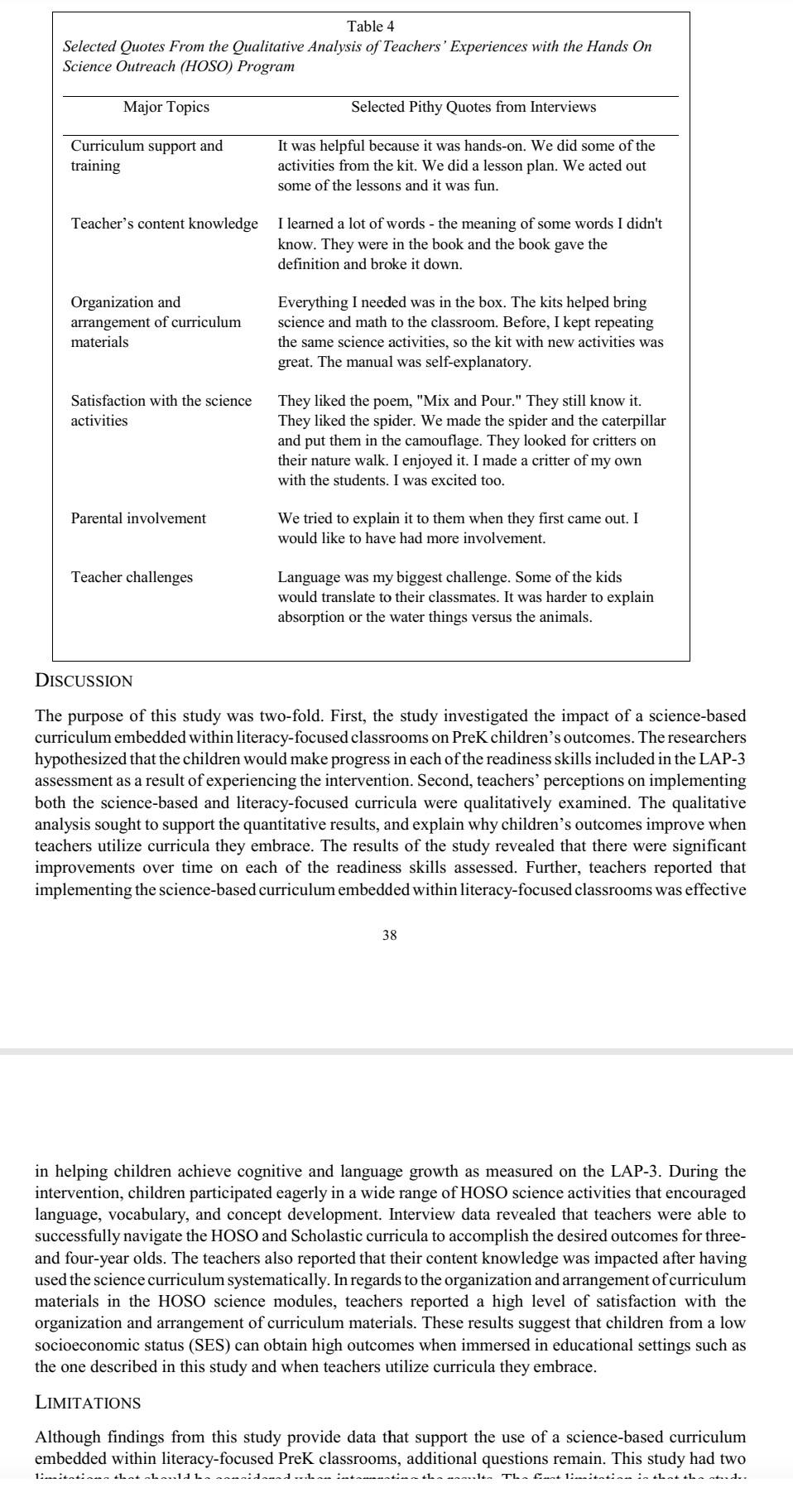
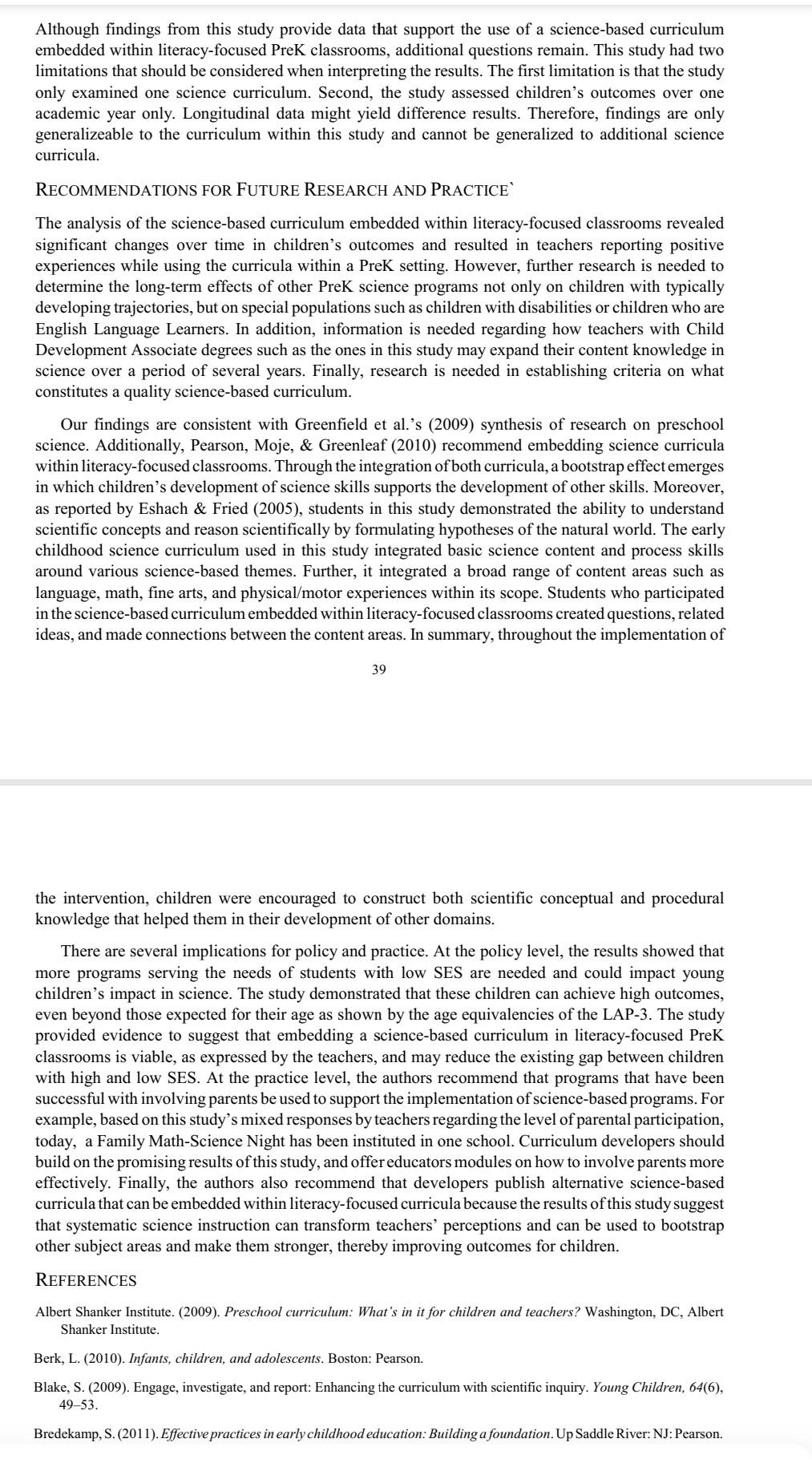
THE EFfeCtS Of A SCIENCE-BASED CURRICULUM ON THE OUTCOMES OF PREK STUDENTS Donna McCrary, Texas A\&M University-Commerce Tami Morton, Texas A\&M University-Commerce David L. Brown, Texas A\&M University-Commerce Jennifer Dyer Sennette, Texas A\&M University-Commerce Abstract: Systematic science instruction is limited during the preschool years. As a result, this study seeks to examine whether children made gains in the Hands On Science Outreach (HOSO) science curriculum that was embedded within literacy-focused PreK Head Start classrooms. The study used quantitative and qualitative methods to investigate PreK children's outcomes as measured by The Learning Accomplishment Profile-3 (LAP-3 and teacher's perceptions of the implementation of the intervention. The study revealed that children made gains on cognitive and language development over time among PreK children's outcomes. In addition, teacher perception of implementation of the HOSO program will be described. Implications for policy and practice are discussed. INTRODUCTION Scientific innovation has been linked to the post-WW II economic growth rate in the United States and is now recognized as the leading driver of economic growth (Rai, Graham, Doms, 2010). Preschool children who enter U. S. schools today will enter a global employment arena in the next 20 years that will be nourished by information and fueled by advanced problem solving skills. Success will depend upon the ability to use science to analyze, solve, and predict dilemmas that arise in both local and global societies (Rai, Graham, Doms, 2010). Therefore, it is important to focus on the current landscape of science education within U. S. schools. Young children who come to school primed with a natural curiosity of the natural world must be supported in their attempts to understand the world in which they are living and growing. EARLY CHILDHOOD SCIENCE INSTRUCTION Despite the increased emphasis on accountability in science learning across the nation, there is limited research regarding science practices and policies at the preschool level. However, a growing body of research is emerging that underscores the importance of capturing children's curiosity of the natural world as an integral component of academic readiness skills (Connors \& Perkins, 2009; Duschl, Schweingruber, \& Shouse, 2007; Eshach \& Fried, 2005). Moreover, young children have demonstrated the ability to understand scientific concepts and reason scientifically by developing their own hypotheses (Eshach \& Fried, 2005). When early childhood programs capitalize on this curiosity and ability, and specifically address science instruction, they have the potential for improving the depth and breadth of scientific knowledge in young children. As a result, science instruction programs can provide a strong foundation for children in the PreK years as they advance their science knowledge during the elementary years. It is also reasoned that scientific development impacts other content areas of the elementary years (Albert Shanker Institute, 2009; Greenfield, et. al, 2009). Effective early childhood programs that embrace science instruction focus on ways children can internalize science concepts and emphasize the skills of observation, explanation, and prediction (Blake, 2009). In these programs, children engage with science by relating what they are learning to their own personal experiences and they can see how scientific topics connect with other areas of their lives 28 (Bredekamp, 2011). When implemented within the course of the child's natural play experiences, science instruction becomes full and meaningful (Berk, 2010; Stegelin, 2003). In addition to benefiting from being exposed to strong science instruction programs, children benefit from teachers who strengthen the child's relationship with science. By providing appropriate resources and prompting children to ask questions, make predictions, observe and draw conclusions about natural phenomena, teachers can support children in making connections between their experiences and scientific concepts (Berk, 2010; Neuman \& Roskos, 2007). These connections provide the basis needed for more intense scientific concepts children are expected to understand in the later grades (Eshach \& Fried, 2005). Science proficiency goes beyond a surface level of merely repeating science information. This proficiency is based on the notion that children must respond critically to new questions, answers, and ideas they encounter in their world. Additionally, students are expected to engage in making observations and manipulating information in ways that enable them to predict future occurrences of the events they investigate. ways that enable them to predict future occurrences of the events they investigate. As indicated by the NAEP (2009) and TIMMS (2007) findings, children in the U. S. are scoring below expectations. As stated by Eshach \& Fried (2005), the authors believe that exposing children to science content and processes in preschool settings provides the basis needed for more intense scientific concepts children are expected to understand in the later grades. With the expectation of having an impact on the future development of children's scientific content and process knowledge, this study describes an early childhood intervention in which a science-based curriculum is embedded within literacy-focused classrooms. RESEARCH QUESTIONS The purpose of this quasi-experimental study was two-fold. First, the study investigated the effects of a science-based curriculum embedded within literacy-focused classrooms on PreK children's outcomes. Researchers hypothesized that the children would make progress in each of the school readiness skills as a result of experiencing a curriculum that is intentionally and systematically devoted to literacy and science instruction. Additionally, the study qualitatively examined teacher perceptions concerning the implementation of embedding a science based curriculum within literacy-focused classrooms. METHODOLOGY SETTING Three hundred thirty children within 31 multi-age PreK classrooms participated in the intervention. Although the intervention was applied to entire classes, this paper presents data on approximately 50 percent of the children in those classes. A sample of 167 children in 15 classes was randomly selected from a population of 330 students within an urban Head Start program in the southwest region of the United States. In the 15 classrooms that participated in the study, the teachers used the Scholastic PreK Curriculum as the literacy focused planning guide and the HOSO early childhood science curriculum as a supplemental guide for science instruction. The Head Start program from where the sample was selected serves over four thousand children in an urban metropolitan area in the southwest. The agency's Head Start program seeks to address education, nutrition, health, and parental involvement. All children in the center qualify for services by meeting federal poverty guidelines. In each of the participating classrooms there were two adults, a lead teacher and an assistant. 29 PARTICIPANTS Children: All children were between three and five and a half years of age. Although the student population included children with and without disabilities, as labeled by the local Head Start center, the current study did not investigate the effect of student disability on learning outcomes. The Head Start centers were comprised of 40 percent or more Hispanic children. English Language Learner and children with disabilities were excluded from this study but be included in a follow up study. Teachers: Ninety teachers with three or more years of experience, out of the 200 teachers in the population, were eligible for participation in the study. New teachers with three years or less were not eligible to participate because of their limited teaching experience and ongoing new teacher orientation training. Of the 90 eligible teachers, 34 teachers were randomly assigned to the classrooms participating in the study. Further, of the 34 teachers selected, 26 teachers were interviewed for the qualitative section of the study. Demographic data indicated that the 34 teachers in the study were female with 80 percent between the ages of 30 to 50 . Ethnicity was divided between three major groups: 50 percent were African American, 46 percent were Hispanic, and 4 percent were Anglo. The largest percent of teachers, 66 percent, held a Child Development Associate (CDA). INTERVENTION The intervention utilized two early childhood curricula. The Scholastic Early Childhood Program (SECP) is a literacy-focused curriculum that includes a range of content areas. The Hands On Science Program (HOSO) is a science based curriculum. The preschool curricula are described in detail below. Scholastic Early Childhood Program (SECP). SECP is a PreK curriculum aligned with the tenets of early Reading First legislation (Scholastic, 2011) and is available in English and Spanish. The program is built around the three core elements: (a) researched based curriculum, (b) professional development, and (c) home-school connections. SECP is implemented through a series of thematic units that are based on the real world experiences of young children. Throughout the school year children will encounter themes such as Friends and School, Home and Family, Inside and Outside Me, Staying Well, Staying Safe, and Our Community. School, Home and Family, Inside and Outside Me, Staying Well, Staying Safe, and Our Community. Each unit includes four elements: (a) Early Learning Kit, (b) Clifford's Kit, (c) Big Book Boxes, and (d) professional resources. Early Learning Kits contains thematic material that can be integrated into content areas. Content areas emphasize math, technology, science, and social studies. Teachers are led through the curriculum to balance purposeful play and teacher-led instruction. Pedagogical methods include circle time, story time, learning centers, open ended inquiry, independent practice, and discussions. Moreover, inclusion tips are included within specific lesson plans to help teachers differentiate instruction for individualized learners (Scholastic, 2011). In addition, oral language, phonological awareness, alphabetic knowledge, concepts about print, letter knowledge, and vocabulary are the focus of the literacy base of the curriculum. Songs, finger plays, and CDs are used to teach these literacy-focused activities throughout the course of the unit. Clifford's Kit provides resources to help develop children's social/emotional skills. Big Book Boxes house fiction and nonfiction books that accompany each curricular theme. Professional resources offer teachers the opportunity to build pedagogical knowledge through research-based resources. 30 The professional development component is delivered to teachers though a DVD and face-to-face workshops. Resources are provided that help teachers with room arrangement, time management, and classroom management. In addition, teachers are given assessment tools and lesson planners. Teachers receive specialized professional development that focuses on ways to build relationships with families. A special emphasis is included that focuses on families who are English Language Learners (Scholastic, 2011). Hands On Science Outreach program. Embedded in this literacy focused curriculum is the Hands On Science Outreach program (HOSO). In 1985 HOSO was awarded a National Science Foundation grant. HOSO subsequently became an international program reaching 33 states, South America, Europe and Asia. Goodman (1993) found that children involved in the HOSO curriculum made significant gains in their knowledge and attitudes concerning science content. HOSO uses simple materials to explore science concepts and practice the process of science skills. Most of the themes children encounter requires the construction of a product that the children take home to share with his/her parents. This take home component of the HOSO kits is to engage parents in what the children are studying and assist them in understanding science. The program is organized around a three year cycle of activities for four age groups. During year one the Pre-K students focus on a guiding theme of Structure and Change. This theme is divided into three subthemes to be studied throughout the school year. In the fall, children explore anatomy using the topic of Two Feet, Four Feet. In the winter, they discover chemistry concepts through the Water Chemical Magic unit. In the spring, the focus is on earth science through the What's Up unit. In year two of the program cycle the overarching theme is Science Patterns. The HOSO curriculum guides children to discover the subtheme Physics of Color and Light (Under the Rainbow) in the fall, Architecture and Engineering (Mother Goose Construction Company) in the winter, and Physics of Sound (Flight Hears to Ears) in the spring. Year three of the program cycle focuses on the overarching theme of energy. In the fall, the subtheme Natural Non-Solar Energy (Water, Water Everywhere) is explored. In the winter, Mechanical Energy (Machinery in Me) is explored and in the spring children examine Solar Energy (Here Comes the Sun). After the third year, the curriculum is recycled and returns to the overarching theme of year one, Structure and Change (Katz \& McGinnis, 1999). Training. HOSO training was accomplished through a train the trainer model that included HOSO representatives, Head Start education coordinators, education specialists and teachers. The training began at an off-site location with the HOSO representatives and education coordinators. After the initial training, the Head Start education coordinators returned to the local Head Start program and provided training to Head Start educational specialists and Head Start teachers over a five day period. Training occurred on the various themes that would be implemented during the fall, winter, and spring. Copies of the materials were provided to participants during the training. The training was inquiry-based with teachers participating in various HOSO activities working in teams of two and three carrying out HOSO science experiments. Additionally, education specialists attended the ongoing HOSO training to provide technical support for teachers throughout the implementation year. Education specialists provided individualized assistance to teachers by participating in the process of planning several science lessons and then observing the teachers as they carried out the lessons. 31 During this observation phase, the education specialists completed a fidelity implementation measure to document the level of fidelity of the intervention. The fidelity instrument utilized 11 questions that prompted the education specialist to observe and rate discrete aspects of the science lesson on a three point Likert scale. Questions involved ideas such as, "Are children involved in hands-on activities" and "Does the teacher engage children in a discussion of the science concepts?" In addition, the fidelity instrument asked the education specialists to rate the extent that various scientific concepts such as earth science, life science, physical science, and science skills were integrated within a science lesson. The fidelity instrument included a narrative section for education specialists to describe the implementation of the lessons. Implementation of HOSO Curriculum. The teachers implemented lessons within each theme using a hands-on inquiry based approach in their classrooms. These weekly lessons were supported by the education specialists who provided on-site modeling and classroom based training during the implementation of the HOSO curriculum. The curriculum was implemented over a period of nine months from August through May of the treatment year. Instruments. The Learning Accomplishment Profile-3 (LAP-3) developed by researchers at the University of North Carolina (Sandford, Zelman, Hardin, \& Peisner-Feinberg, 2004) was used to measure the children's cognitive and language development. The profile measures skills in the following seven domains: gross motor, fine motor, prewriting, cognitive, language, self help and social skills. The coefficients indicate strong internal consistency for each domain ranging from .78 to .98 . These results indicate the LAP-3 is a reliable measure of children's developmental outcomes. Data collection. Quantitative data involving LAP-3 scores were collected in September and November during the fall, and in May during the spring of the same school year. Although the children were assesed three times during the intervention, data from beginning to end of the school year were utilized in this analysis. In addition, to the quantitative data, intervention researchers conducted interviews of 26 of the 34 treatment teachers to collect the qualitative data during the spring. RESULTS The following section describes the results of both quantitative data analysis of student outcomes and the qualitative analysis of teacher perceptions. QUANTITATIVE DATA ANALYSIS Repeated measure ANOVAs on the mean scores of seven areas of the LAP-3 tool were conducted to determine student developmental progress as an effect of the science-based curriculum embedded within literacy-focused classrooms. Statistically significant results over time, at alpha level =0.05, were obtained when comparing children's mean scores at the beginning, middle, and end of the school year starting in the fall and ending in the spring. For example, significant gross motor scores were obtained for three year olds, F(2,1178)=95.717,p
Step by Step Solution
There are 3 Steps involved in it

Get step-by-step solutions from verified subject matter experts
 Study Help