New Semester
Started
Get
50% OFF
Study Help!
--h --m --s
Claim Now
Question Answers
Textbooks
Find textbooks, questions and answers
Oops, something went wrong!
Change your search query and then try again
S
Books
FREE
Study Help
Expert Questions
Accounting
General Management
Mathematics
Finance
Organizational Behaviour
Law
Physics
Operating System
Management Leadership
Sociology
Programming
Marketing
Database
Computer Network
Economics
Textbooks Solutions
Accounting
Managerial Accounting
Management Leadership
Cost Accounting
Statistics
Business Law
Corporate Finance
Finance
Economics
Auditing
Tutors
Online Tutors
Find a Tutor
Hire a Tutor
Become a Tutor
AI Tutor
AI Study Planner
NEW
Sell Books
Search
Search
Sign In
Register
study help
sciences
essential cell biology
Essential Cell Biology 5th Edition Bruce Alberts, Karen Hopkin, Alexander Johnson, David Morgan, Martin Raff, Keith Roberts, Peter Walter - Solutions
Which of the following statements are correct? Explain your answers.A. Many, but not all, electron-transfer reactions involve metal ions.B. The electron-transport chain generates an electrical potential across the membrane because it moves electrons from the intermembrane space into the matrix.C.
A single proton moving down its electrochemical gradient into mitochondrial matrix space liberates 19.2 kJ/mole of free energy (ΔG). How many protons have to flow across the inner mitochondrial membrane to synthesize one molecule of ATP if the ΔG for ATP synthesis under intracellular conditions
In the following statement, choose the correct one of the alternatives in italics and justify your answers. “If no O2 is available, all components of the mitochondrial electron transport chain will accumulate in their reduced/oxidized form. If O2 is suddenly added again, the electron carriers in
Assume that the conversion of oxidized ubiquinone to reduced ubiquinone by dehydrogenase occurs on the matrix side of the inner mitochondrial membrane and that its oxidation by cytochrome c reductase occurs on the intermembrane-space side of the membrane. What are the consequences of this
If a voltage is applied to two platinum wires (electrodes) immersed in water, then water molecules become split into H2 and O2 gas. At the negative electrode, electrons are donated and H2 gas is released; at the positive electrode, electrons are accepted and O2 gas is produced. When photosynthetic
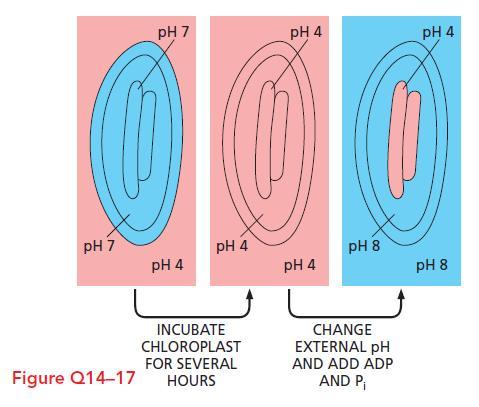
In an insightful experiment performed in the 1960s, chloroplasts were first soaked in an acidic solution at pH 4, so that the stroma and thylakoid space became acidified (Figure Q14–17). They were then transferred to a basic solution (pH 8). This quickly increased the pH of the stroma to 8, while
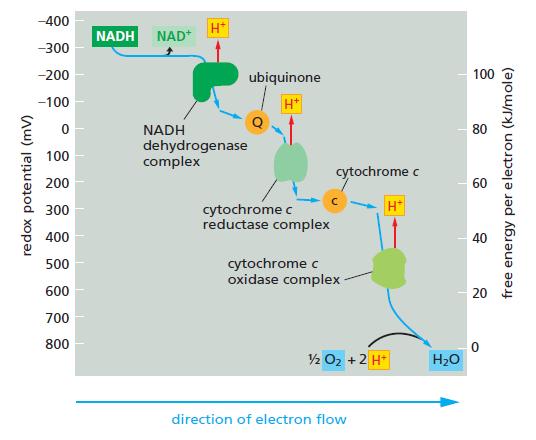
FADH2 is produced in the citric acid cycle by 4 a membrane-embedded enzyme complex, called succinate dehydrogenase, that contains bound FAD and carries out the reactionssuccinate + FAD → fumarate + FADH2 and FADH2 → FAD + 2H+ + 2e–The redox potential of FADH2, however, is only –220 mV.
The locomotion of fibroblasts in culture is immediately halted by the drug cytochalasin, whereas colchicine causes fibroblasts to cease to move directionally and to begin extending lamellipodia in seemingly random directions. Injection of fibroblasts with antibodies to the intermediate filament
The signaling mechanisms used by a steroid-hormone-type nuclear receptor and by an ion-channel-coupled receptor are relatively simple as they have few components. Can they lead to an amplification of the initial signal, and, if so, how?
A useful technique for studying microtubule motors is to attach them by their tails to a glass cover slip (which can be accomplished quite easily because the tails stick avidly to a clean glass surface) and then allow them to settle. Microtubules may then be viewed in a light microscope as they are
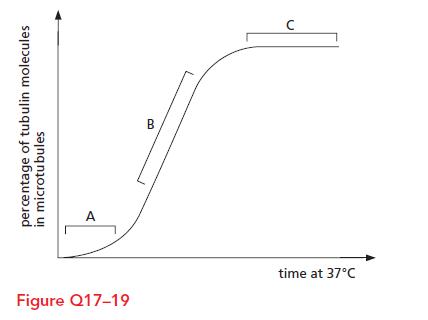
A typical time course of polymerization of purified tubulin to form microtubules is shown in Figure Q17–19.A. Explain the different parts of the curve (labeled A, B, and C). Draw a diagram that shows the behavior of tubulin subunits in each of the three phases.B. How would the curve in the figure
Which of the following statements are correct? Explain your answers.A. The hereditary information of a cell is passed on by its proteins. B. Bacterial DNA is found in the cytoplasm.C. Plants are composed of prokaryotic cells.D. With the exception of egg and sperm cells, all of the nucleated
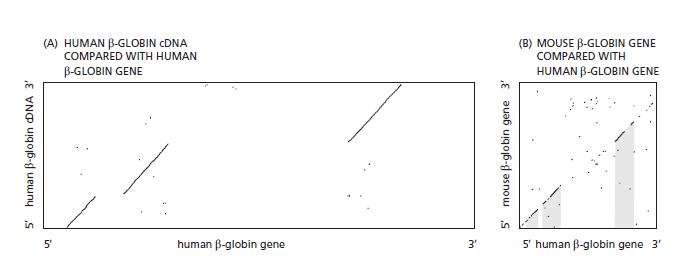
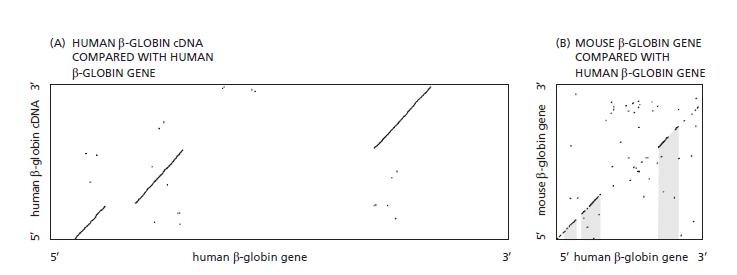
An early graphical method for comparing nucleotides sequences—the so-called diagon plot—still yields one of the best visual comparisons of sequence relatedness. An example is illustrated in Figure Q9–11, in which the human β-globin gene is compared with the human cDNA for β globin (which
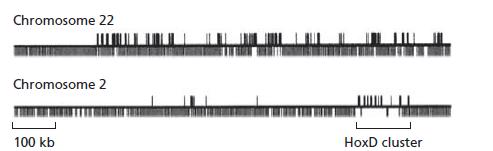
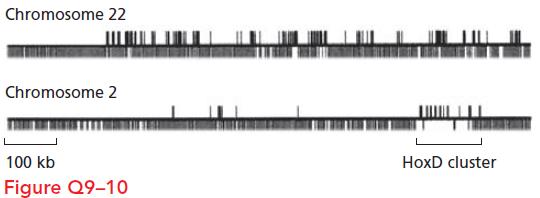
Mobile genetic elements make up nearly half of the human genome and are inserted more or less randomly throughout it. However, in some spots these elements are rare, as illustrated for a cluster of genes called HoxD, which lies on Chromosome 2 (Figure Q9–10). This cluster is about 100 kb in
(True or False?) The DNA sequence of most of the human genome is unimportant. Explain your answer.
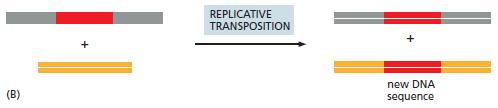
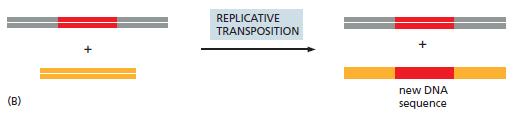
Many transposons move within a genome by replicative mechanisms (such as those shown in Figure 9−24B). They therefore increase in copy number each time they transpose. Although individual transposition events are rare, many transposons are found in multiple copies in genomes. What do you suppose
Mobile genetic elements make up nearly half of the human genome and are inserted more or randomly throughout it. However, in some spots these elements are rare, as illustrated for a cluster genes called HoxD, which lies on Chromosome 2 (Figure Q9–10). This cluster is about 100 kb in length
An early graphical method for comparing nucleotide sequences—the so-called diagon plot—still yields one of the best visual comparisons of sequence relatedness. An example is illustrated in Figure Q9–11, in which the human β-globin gene is compared with the human cDNA for β globin (which
Human Chromosome 22 (48 × 106 nucleotide pairs in length) has about 700 protein-coding genes, which average 19,000 nucleotide pairs in length and contain an average of 5.4 exons, each of which averages 266 nucleotide pairs.What fraction of the average protein-coding gene is converted into mRNA?
Discuss the following statement: “Mobile genetic elements are parasites. They are always harmful to the host organism.”
Mobile genetic elements, such as the Alu sequences, are found in many copies in human DNA. In what ways could the presence of an Alu sequence affect a nearby gene?
Human Chromosome 22 (48 × 106 nucleotide pairs in length) has about 700 protein-coding genes, which average 19,000 nucleotide pairs in length and contain an average of 5.4 exons, each of which averages nucleotide pairs. What fraction of the average protein-coding gene is converted into mRNA? What
Many transposons move within a genome by replicative mechanisms (such as those shown in Figure 9−24B). They therefore increase in copy number each time they transpose. Although individual transposition events are rare, many transposons are found in multiple copies in genomes. What do you suppose
Discuss the following statement: “Viruses exist in the twilight zone of life: outside cells they are simply dead assemblies of molecules; inside cells, however, they are alive.”
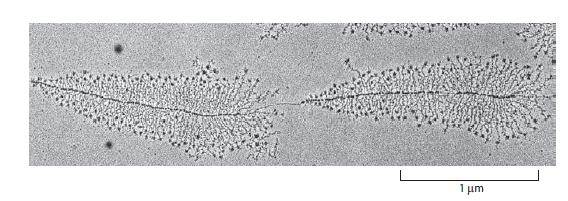
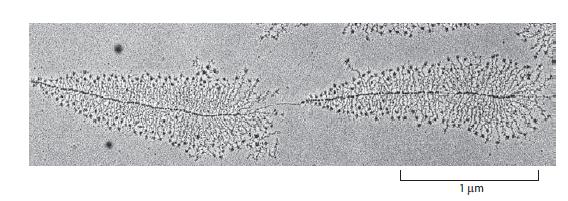
Figure 7−8 shows many molecules of RNA polymerase simultaneously transcribing two adjacent genes on a single DNA molecule. Looking at this figure, label the 5ʹ and 3ʹ ends of the DNA template strand and the sets of RNA molecules being transcribed.Figure 7−8 1μm
Highly conserved genes such as those for ribosomal RNA are present as clearly recognizable relatives in all organisms on Earth; thus, they have evolved very slowly over time. Were such genes “born” perfect?
Why do you suppose that horizontal gene transfer is more prevalent in single-celled organisms than in multicellular organisms?
In this chapter, we argue that genetic variability is beneficial for a species because it enhances that species’ ability to adapt to changing conditions. Why, then, do you think that cells go to such great lengths to ensure the fidelity of DNA replication?
Your advisor suggests that you write a computer program that will identify the exons of protein-coding genes directly from the sequence of the human genome. In preparation for that task, you decide to write down a list of the features that might distinguish protein-coding sequences from intronic
(True or False?) The DNA sequence of most of the human genome is unimportant. Explain your answer.
Discuss the following statement: “Mobile genetic elements are parasites. They are always harmful to the host organism.”
Mobile genetic elements, such as the Alu sequences, are found in many copies in human DNA. In what ways could the presence of an Alu sequence affect a nearby gene?
Discuss the following statement: “Viruses exist in the twilight zone of life: outside cells they are simply dead assemblies of molecules; inside cells, however, they are alive.”
Highly conserved genes such as those for ribosomal RNA are present as clearly recognizable relatives in all organisms on Earth; thus, they have evolved very slowly over time. Were such genes “born” perfect?
In the electron micrograph in Figure 7–8, are the RNA polymerase molecules moving from right to left or from left to right? Why are the RNA transcripts so much shorter than the DNA segments (genes) that encode them? 1μm
Why do you suppose that horizontal gene transfer is more prevalent in single-celled organisms than in multicellular organisms?
In this chapter, we argue that genetic variability is beneficial for a species because it enhances that species’ ability to adapt to changing conditions. Why, then, do you think that cells go to such great lengths to ensure the fidelity of DNA replication?
Which of the following types of mutations would be predicted to harm an organism? Explain your answers.A. Insertion of a single nucleotide near the end of the coding sequence.B. Removal of a single nucleotide near the beginning of the coding sequence.C. Deletion of three consecutive nucleotides in
A. The average molecular weight of a protein in the cell is about 30,000 daltons. A few proteins, however, are much larger. The largest known polypeptide chain made by any cell is a protein called titin (made by mammalian muscle cells), and it has a molecular weight of 3,000,000 daltons. Estimate
The charging of a tRNA with an amino acid can be represented by the following equation:amino acid + tRNA + ATP → aminoacyl-tRNA + AMP + PPi where PPi is pyrophosphate. In the aminoacyl-tRNA, the amino acid and tRNA are linked with a high-energy covalent bond; a large portion of the energy
A mutation in DNA generates a UGA stop codon in the middle of the mRNA coding for a particular protein. A second mutation in the cell’s DNA leads to a single nucleotide change in a tRNA that allows the correct translation of this protein; that is, the second mutation “suppresses” the defect
One remarkable feature of the genetic code is that amino acids with similar chemical properties often have similar codons. Thus codons with U or C as the second nucleotide tend to specify hydrophobic amino acids. Can you suggest a possible explanation for this phenomenon in terms of the early
List the ordinary, dictionary definitions of the terms replication, transcription, and translation. By their side, list the special meaning each term has when applied to the living cell.
“The bonds that form between the anticodon of a tRNA molecule and the three nucleotides of a codon in mRNA are.” Complete this sentence with each of the following options and explain whether each of the resulting statements is correct or incorrect.A. covalent bonds formed by GTP hydrolysis.B.
The Lacheinmal protein is a hypothetical protein that causes people to smile more often. It is inactive in many chronically unhappy people. The mRNA isolated from a number of different unhappy individuals in the same family was found to lack an internal stretch of 173 nucleotides that is present in
Which of the following statements are correct? Explain your answers.A. An individual ribosome can make only one type of protein.B. All mRNAs fold into particular three-dimensional structures that are required for their translation.C. The large and small subunits of an individual ribosome always
Discuss the following: “During the evolution of life on Earth, RNA lost its glorious position as the first selfreplicating catalyst. Its role now is as a mere messenger in the information flow from DNA to protein.”
A sequence of nucleotides in a DNA strand—5ʹ-TTAACGGCTTTTTTC-3ʹ was used as a template to synthesize an mRNA that was then translated into protein. Predict the C-terminal amino acid and the N-terminal amino acid of the resulting polypeptide. Assume that the mRNA is translated without the need
Could the RNA polymerase used for transcription also be used to make the RNA primers required for DNA replication?
Consider the expression “central dogma,” which refers to the flow of genetic information from DNA to RNA to protein. Is the word “dogma” appropriate in this context?
Describe the consequences that would arise if a eukaryotic chromosome:A. Contained only one origin of replication:(i) At the exact center of the chromosome.(ii) At one end of the chromosome.B. Lacked telomeres.C. Lacked a centromere.Assume that the chromosome is 150 million nucleotide pairs in
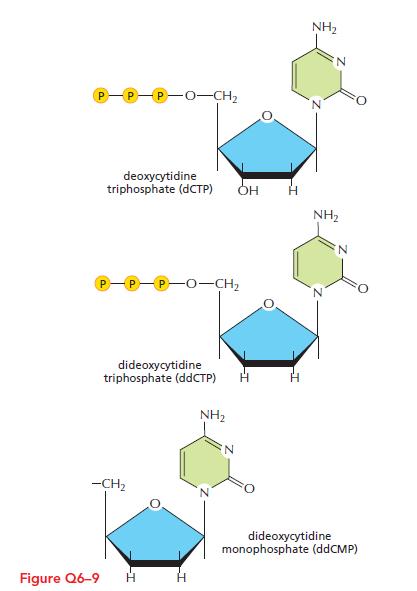
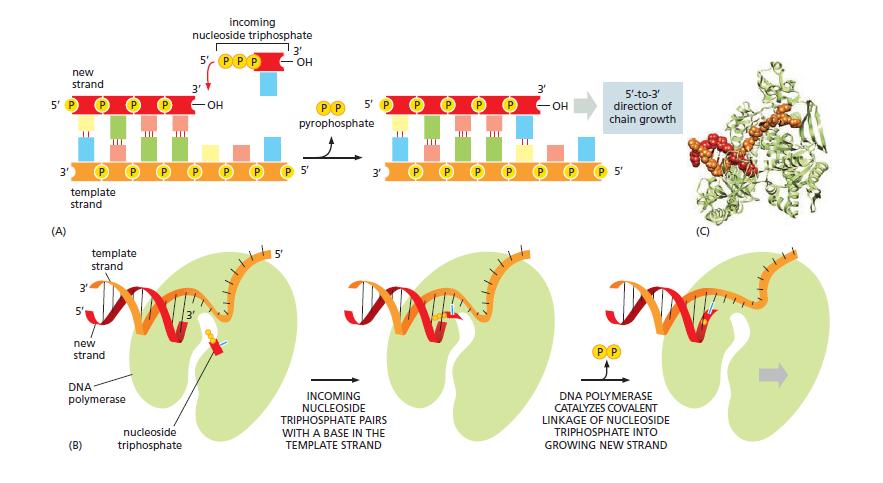
Look carefully at Figure 6−11 and at the structures of the compounds shown in Figure Q6−9.A. What would you expect if ddCTP were added to a DNA replication reaction in large excess over the concentration of the available dCTP, the normal deoxycytidine triphosphate?B. What would happen if it
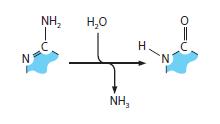
A common type of chemical damage to DNA is produced by a spontaneous reaction termed deamination, in which a nucleotide base loses an amino group (NH2). The amino group is replaced with a keto group (C=O) by the general reaction shown in Figure Q6−13. Write the structures of the bases A, G, C, T,
What, if anything, is wrong with the following statement: “DNA stability in both reproductive cells and somatic cells is essential for the survival of a species.” Explain your answer.
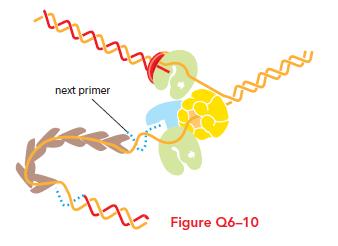
Figure Q6−10 shows a snapshot of a replication fork in which the RNA primer has just been added to the lagging strand. Using this diagram as a guide, sketch the path of the DNA as the next Okazaki fragment is synthesized. Indicate the sliding clamp and the single-strand DNA-binding protein as
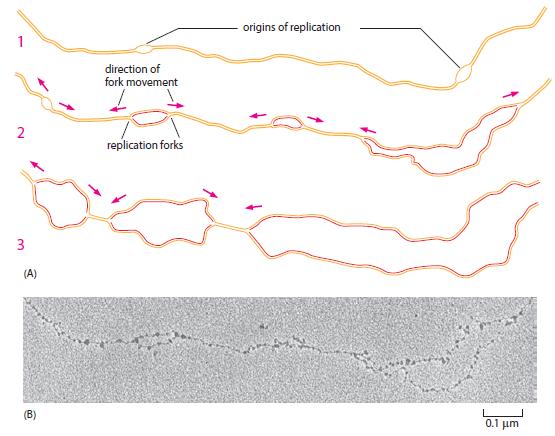
Look carefully at the micrograph and corresponding sketch (2) in Figure 6–9.A. Using the scale bar, estimate the lengths of the DNA double helices between the replication forks. Numbering the replication forks sequentially from the left, how long will it take until forks 4 and 5, and forks 7 and
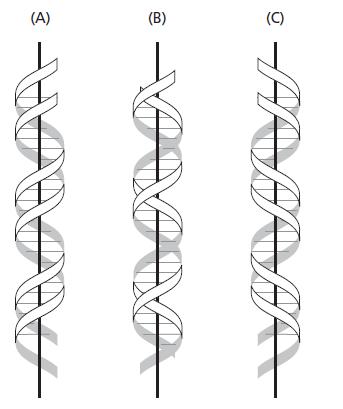
DNA forms a right-handed helix. Pick out the right-handed helix from those shown in Figure Q5–15. (A( ܓܔ )B( Ô AAAAAA
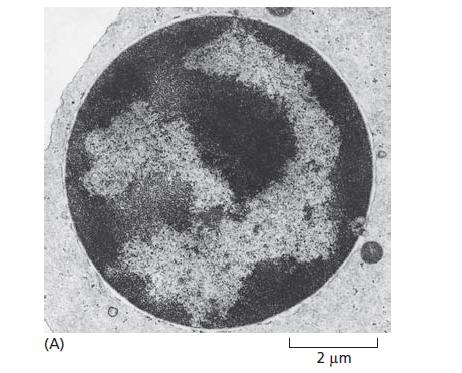
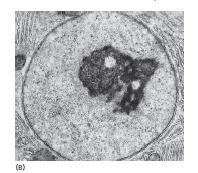
The two electron micrographs in Figure Q5–14 show nuclei of two different cell types. Can you tell from these pictures which of the two cells is transcribing more of its genes? Explain how you arrived at your answer. (Micrographs courtesy of Don W. Fawcett.)Figure Q5–14 (A) 2 μm
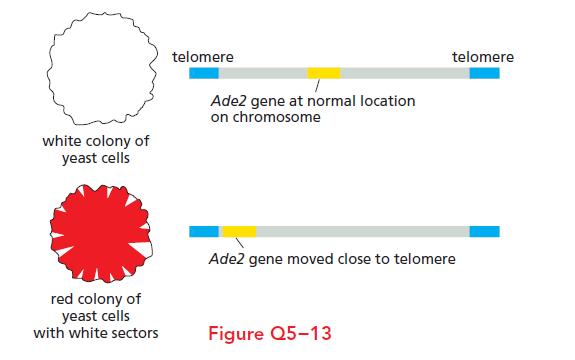
Carefully consider the result shown in Figure Q5–13. Each of the two colonies shown on the left is a clump of approximately 100,000 yeast cells that has grown up from a single cell, which is now somewhere in the middle of the colony. The two yeast colonies are genetically different, as shown by
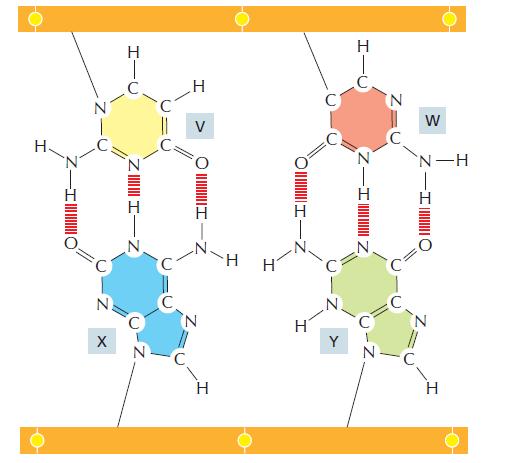
A. A macromolecule isolated from an extraterrestrial source superficially resembles DNA, but closer analysis reveals that the bases have quite different structures (Figure Q5–7). Bases V, W, X, and Y have replaced bases A, T, G, and C. Look at these structures closely. Could these DNA-like
A. Explain why telomeres and telomerase are needed for the replication of eukaryotic chromosomes but not for the replication of circular bacterial chromosomes. Draw a diagram to illustrate your explanation.B. Would you still need telomeres and telomerase to complete eukaryotic chromosome
The speed of DNA replication at a replication fork is about 100 nucleotides per second in human cells. What is the minimum number of origins of replication that a human cell must have if it is to replicate its DNA once every 24 hours? Recall that a human cell contains two copies of the human genome
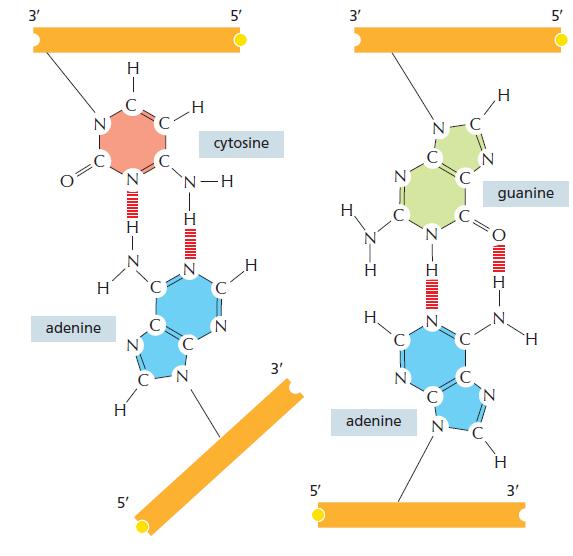
An A-T base pair is stabilized by only two hydrogen bonds. Hydrogen-bonding schemes of very similar strengths can also be drawn between other base combinations that normally do not occur in DNA molecules, such as the A-C and the A-G pairs shown in Figure Q5−6. What would happen if these pairs
Which of the following statements are correct? Explain your answers.A. A bacterial replication fork is asymmetrical because it contains two DNA polymerase molecules that are structurally distinct.B. Okazaki fragments are removed by a nuclease that degrades RNA.C. The error rate of DNA replication
Discuss the following statement: “The DNA repair enzymes that fix deamination and depurination damage must preferentially recognize such damage on newly synthesized DNA strands.”
A gene encoding one of the proteins involved in DNA replication has been inactivated by a mutation in a cell. In the absence of this protein, the cell attempts to replicate its DNA. What would happen during the DNA replication process if each of the following proteins were missing?A. DNA
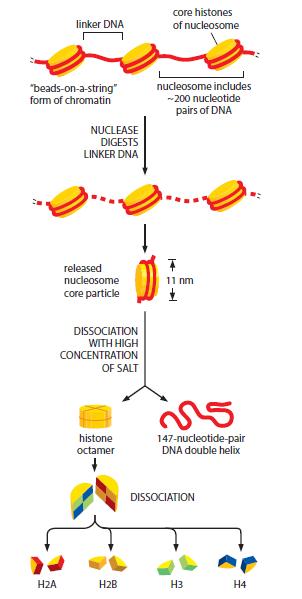
Assuming that the histone octamer (shown in Figure 5–20) forms a cylinder 9 nm in diameter and 5 nm in height and that the human genome forms 32 million nucleosomes, what volume of the nucleus (6 μm in diameter) is occupied by histone octamers? Volume of a cylinder is πr 2h; volume of a sphere
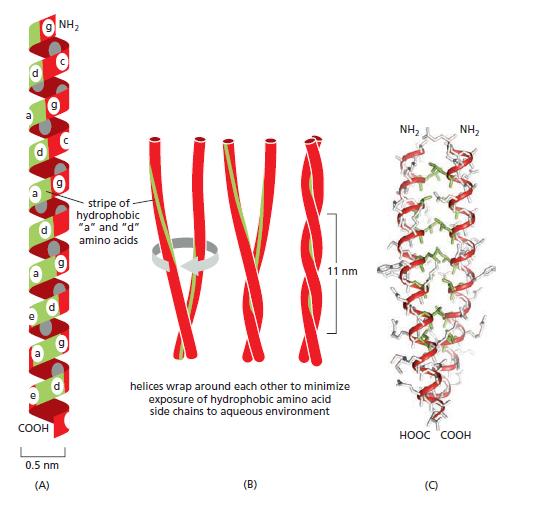
As shown in Figure 4−16, both α helices and the coiled-coil structures that can form from them are helical structures, but do they have the same handedness in the figure? Explain why?Figure 4−16 COOH NH₂ 0.5 nm (A) WYL stripe of hydrophobic "a" and "d" amino acids 11 nm helices wrap around
Define the following terms and their relationships to one another:A. Interphase chromosomeB. Mitotic chromosomeC. ChromatinD. HeterochromatinE. HistonesF. Nucleosome
Which of the following statements are correct? Explain your answers.A. Each eukaryotic chromosome must contain the following DNA sequence elements: multiple origins of replication, two telomeres, and one centromere.B. Nucleosome core particles are 30 nm in diameter.
A compact disc (CD) stores about 4.8 × 109 bits of information in a 96 cm2 area. This information is stored as a binary code—that is, every bit is either a 0 or a 1.A. How many bits would it take to specify each nucleotide pair in a DNA sequence?B. How many CDs would it take to store the
The two strands of a DNA double helix can be separated by heating. If you raised the temperature of a solution containing the following three DNA molecules, in what order do you suppose they would “melt”? Explain your answer.a. 5ʹ-GCGGGCCAGCCCGAGTGGGTAGCCCAGG-3ʹ
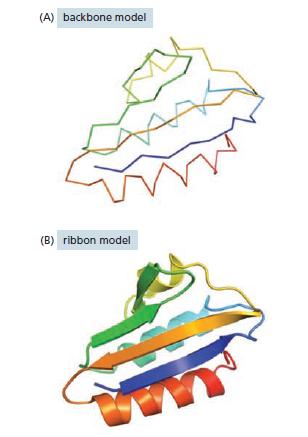
Look at the models of the protein in Figure 4−11. Is the red α helix right- or left-handed? Are the three strands that form the large β sheet parallel or antiparallel? Starting at the N-terminus (the purple end), trace your finger along the peptide backbone. Are there any knots? Why, or why
A. The nucleotide sequence of one DNA strand of a DNA double helix is 5ʹ-GGATTTTTGTCCACAATCA-3ʹ. What is the sequence of the complementary strand? B. In the DNA of certain bacterial cells, 13% of the nucleotides contain adenine. What are the percentages of the other nucleotides?C. How many
Mutations in a particular gene on the X chromosome result in color blindness in men. By contrast, most women carrying the mutation have proper color vision but see colored objects with reduced resolution, as though functional cone cells (the photoreceptor cells responsible for color vision) are
Histone proteins are among the most highly conserved proteins in eukaryotes. Histone H4 proteins from a pea and a cow, for example, differ in only 2 of 102 amino acids. Comparison of the gene sequences shows many more differences, but only two change the amino acid sequence. These observations
Which of the following statements are correct? Explain your answers.A. A DNA strand has a polarity because its two ends contain different bases.B. G-C base pairs are more stable than A-T base pairs.
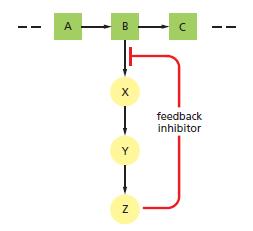
Consider the drawing in Figure 4−42. What will happen if, instead of the indicated feedback,A. Feedback inhibition from Z affects the step B → C only?B. Feedback inhibition from Z affects the step Y → Z only?C. Z is a positive regulator of the step B → X?D. Z is a positive regulator of the
Select the correct options in the following and explain your choices. If [S] is very much smaller than KM, the active site of the enzyme is mostly occupied/unoccupied. If [S] is very much greater than KM, the reaction rate is limited by the enzyme/substrate concentration.
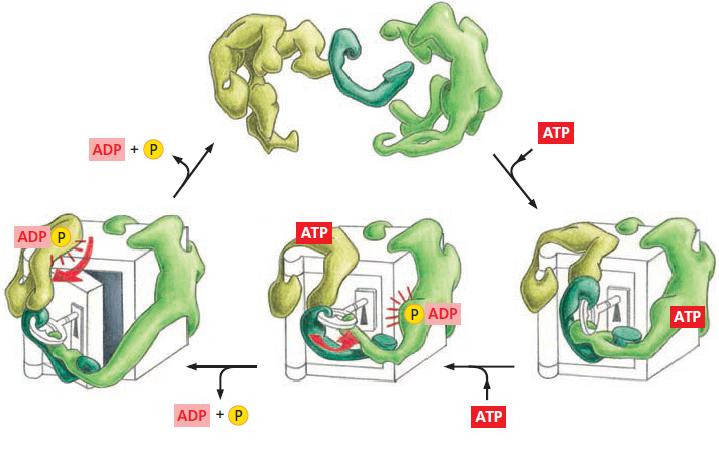
Explain why the hypothetical enzymes in Figure 4−51 have a great advantage in opening the safe if they work together in a protein complex, as opposed to working individually in an unlinked, sequential manner. ADP P ADP + P Y T ADP + ATP P ADP ATP ATP ATP
The curve shown in Figure 4−35 is described by the Michaelis–Menten equation:rate (v) = Vmax [S]/(KM + [S])Can you convince yourself that the features qualitatively described in the text are accurately represented by this equation? In particular, how can the equation be simplified when the
Hair is composed largely of fibers of the protein keratin. Individual keratin fibers are covalently crosslinked to one another by many disulfide (S–S) bonds. If curly hair is treated with mild reducing agents that break a few of the cross-links, pulled straight, and then oxidized again, it
How is it possible that a change in a single amino acid in a protein of 1000 amino acids can destroy protein function, even when that amino acid is far away from any ligand binding site?
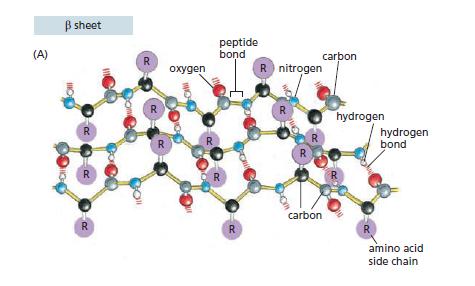
Remembering that the amino acid side chains projecting from each polypeptide backbone in a β sheet point alternately above and below the plane of the sheet (see Figure 4−13A), consider the following protein sequence: Leu-Lys-Val-Asp-Ile-Ser-Leu-Arg-Leu-Lys-Ile-Arg-Phe-Glu. Do you find anything
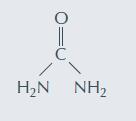
Urea, used in the experiment shown in Figure 4−7, is a molecule that disrupts the hydrogen-bonded network of water molecules. Why might high concentrations of urea unfold proteins? The structure of urea is shown here. 0= O C HẠN NH,
An enzyme isolated from a mutant bacterium grown at 20°C works in a test tube at 20°C but not at 37°C (37°C is the temperature of the gut, where this bacterium normally lives). Furthermore, once the enzyme has been exposed to the higher temperature, it no longer works at the lower one. The same
Neurofilament proteins assemble into long, intermediate filaments, found in abundance running along the length of nerve cell axons. The C-terminal region of these proteins is an unstructured polypeptide, hundreds of amino acids long and heavily modified by the addition of phosphate groups. The term
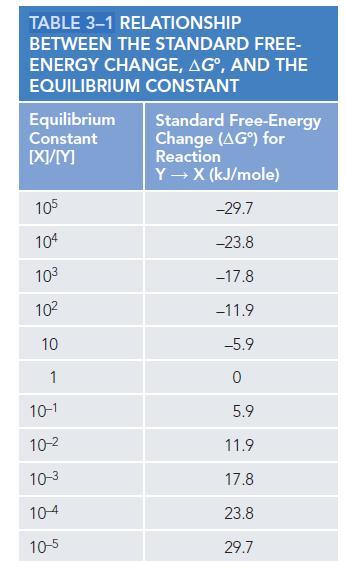
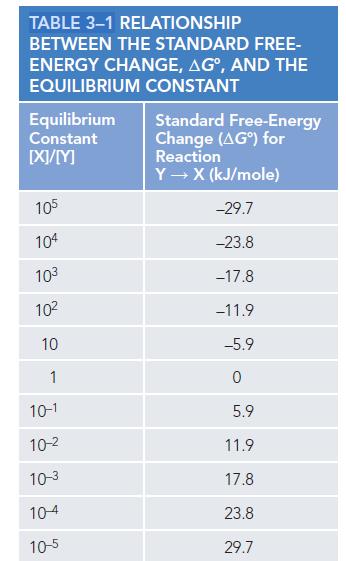
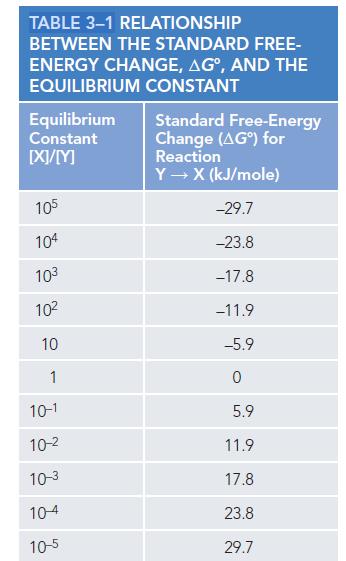
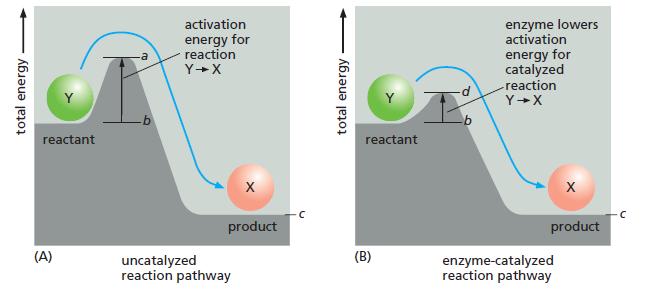
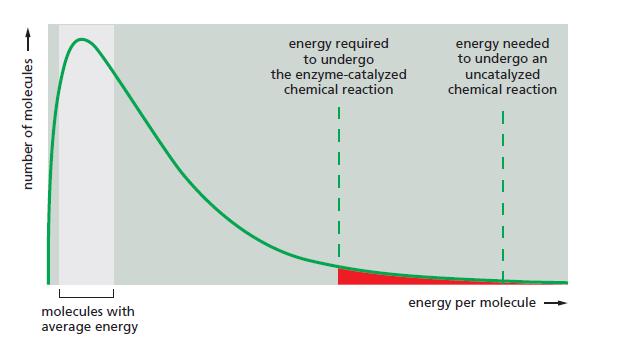
In a simple reaction A ↔ A*, a molecule is interconvertible between two forms that differ in standard free energy G° by 18 kJ/mole, with A* having the higher G°.A. Use Table 3–1 to find how many more molecules will be in state A* compared with state A at equilibrium. B. If an enzyme lowered
Which of the following amino acids would you expect to find more often near the center of a folded globular protein? Which ones would you expect to find more often exposed to the outside? Explain your answers. Ser, Ser-P (a Ser residue that is phosphorylated), Leu, Lys, Gln, His, Phe, Val, Ile,
Simple enzyme reactions often conform to the equation:E + S ↔ ES → EP ↔ E + Pwhere E, S, and P are enzyme, substrate, and product, respectively.A. What does ES represent in this equation?B. Why is the first step shown with bidirectional arrows and the second step as a unidirectional arrow?C.
Consider the following protein sequence as an α helix: Leu-Lys-Arg-Ile-Val-Asp-Ile-Leu-Ser-Arg-Leu-Phe-Lys-Val. How many turns does this helix make? Do you find anything remarkable about the arrangement of the amino acids in this sequence when folded into an α helix?
Protein structure is determined solely by a protein’s amino acid sequence. Should a genetically engineered protein in which the original order of all amino acids is reversed have the same structure as the original protein?
What common feature of α helices and β sheets makes them universal building blocks for proteins?
A prominent scientist claims to have isolated mutant cells that can convert 1 molecule of glucose into 57 molecules of ATP. Should this discovery be celebrated, or do you suppose that something might be wrong with it? Explain your answer. TABLE 3-1 RELATIONSHIP BETWEEN THE STANDARD FREE- ENERGY
Which of the following statements are correct? Explain your answers.A. The active site of an enzyme usually occupies only a small fraction of the enzyme surface.B. Catalysis by some enzymes involves the formation of a covalent bond between an amino acid side chain and asubstrate molecule.C. A β
Consider a transition of X → Y. Assume that the only difference between X and Y is the presence of three hydrogen bonds in Y that are absent in X. What is the ratio of X to Y when the reaction is in equilibrium? Approximate your answer by using Table 3−1 (p. 96), with 4.2 kJ/mole as the energy
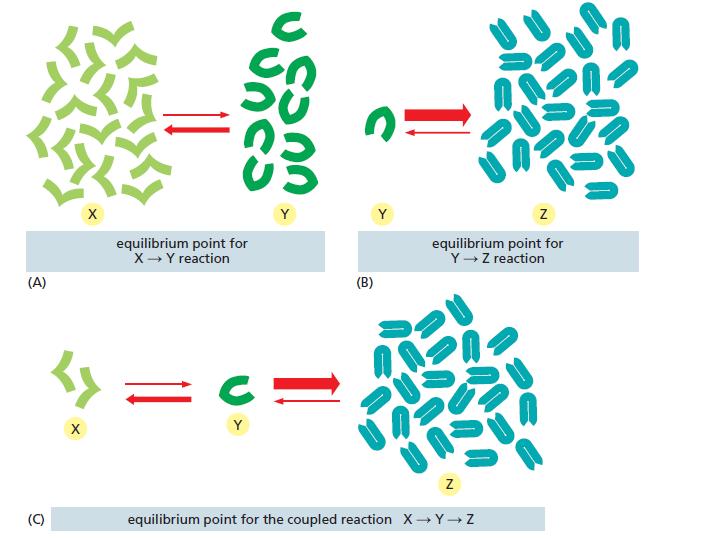
For the reactions shown in Figure 3−21, sketch an energy diagram similar to that in Figure 3−12 for the two reactions alone and for the combined reactions. Indicate the standard free-energy changes for the reactions X → Y, Y → Z, and X → Z in the graph. Indicate how enzymes that catalyze
Either protein phosphorylation or the binding of a nucleotide (such as ATP or GTP) can be used to regulate a protein’s activity. What do you suppose are the advantages of each form of regulation?
The enzyme carbonic anhydrase is one of the speediest enzymes known. It catalyzes the rapid conversion of CO2 gas into the much more soluble bicarbonate ion (HCO3–). The reaction: CO2 + H2O ↔ HCO3-+ H+ is very important for the efficient transport of CO2 from tissues, where CO2 is produced by
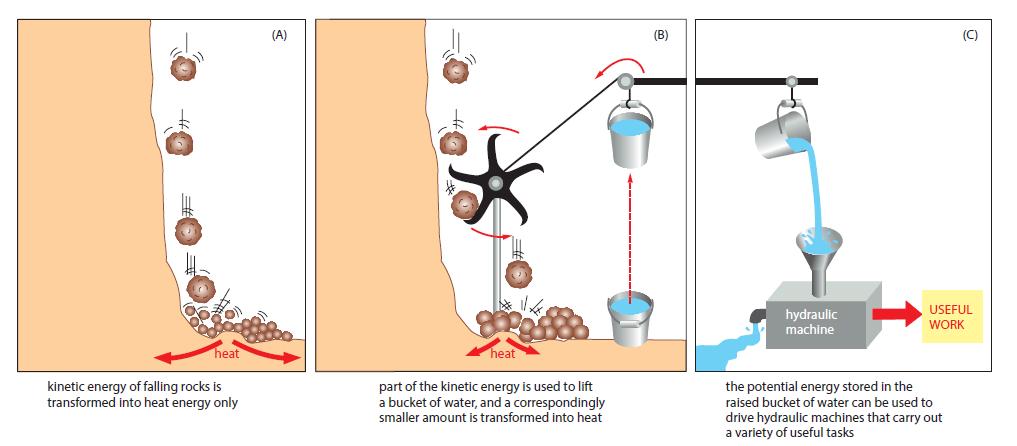
Use Figure 3−29B to illustrate the following reaction driven by the hydrolysis of ATP: X + ATP → Y + ADP + PiA. In this case, which molecule or molecules would be analogous to (i) rocks at the top of the cliff, (ii) broken debris at the bottom of the cliff, (iii) the bucket at its highest
Showing 200 - 300
of 351
1
2
3
4
Step by Step Answers

 Get 50% OFF
Claim Now
Get 50% OFF
Claim Now