New Semester
Started
Get
50% OFF
Study Help!
--h --m --s
Claim Now
Question Answers
Textbooks
Find textbooks, questions and answers
Oops, something went wrong!
Change your search query and then try again
S
Books
FREE
Study Help
Expert Questions
Accounting
General Management
Mathematics
Finance
Organizational Behaviour
Law
Physics
Operating System
Management Leadership
Sociology
Programming
Marketing
Database
Computer Network
Economics
Textbooks Solutions
Accounting
Managerial Accounting
Management Leadership
Cost Accounting
Statistics
Business Law
Corporate Finance
Finance
Economics
Auditing
Tutors
Online Tutors
Find a Tutor
Hire a Tutor
Become a Tutor
AI Tutor
AI Study Planner
NEW
Sell Books
Search
Search
Sign In
Register
study help
mathematics
precalculus
Precalculus Concepts Through Functions A Unit Circle Approach To Trigonometry 5th Edition Michael Sullivan - Solutions
Suppose f (x) = x3 + x2 − 16x − 16 and g(x) = x2 − 4. Find the zeros of (f º g)(x).
Let f (x) = ax + b and g(x) = bx + a, where a and b are integers. If f (1) = 8 and f (g(20)) − g(f (20)) = −14, find the product of a and b.
Problems 79–88. The purpose of these problems is to keep the material fresh in your mind so that you are better prepared for later sections, a final exam, or subsequent courses such as calculus.Find the real zeros of f (x) = 2x − 5√x + 2.
In Problems 13–22, for the given functions f and g, find:(a) (f º g)(4)(b) (g º f)(2)(c) (f º f)(1)(d) (g º g)(0) f(x) = x - 21; g(x) = 3 x² + 2
Problems 79–88. The purpose of these problems is to keep the material fresh in your mind so that you are better prepared for later sections, a final exam, or subsequent courses such as calculus.If a right triangle has hypotenuse c = 2 and leg a = 1, find the length of the other leg b.
Problems 79–88. The purpose of these problems is to keep the material fresh in your mind so that you are better prepared for later sections, a final exam, or subsequent courses such as calculus.Find the points of intersection of the graphs of the functions f (x) = x2 + 3x + 7 and g(x) = −2x + 3.
In Problems 23–38, for the given functions f and g, find: (a) f º g(b) g º f(c) f º f(d) g º gState the domain of each composite function. f(x) = 3 x-1' g(x)= = 2 X
In Problems 13–22, for the given functions f and g, find:(a) (f º g)(4)(b) (g º f)(2)(c) (f º f)(1)(d) (g º g)(0) f(x)=[x]; g(x) = 1 x² + 9 -2
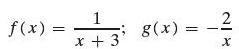
In Problems 23–38, for the given functions f and g, find: (a) f º g(b) g º f(c) f º f(d) g º gState the domain of each composite function. f(x) = 1 x + 3 g(x) = 2 X
In Problems 23–38, for the given functions f and g, find: (a) f º g(b) g º f(c) f º f(d) g º gState the domain of each composite function. f(x) = x-1' g(x) = 4 X
In Problems 23–38, for the given functions f and g, find: (a) f º g(b) g º f(c) f º f(d) g º gState the domain of each composite function. f(x) = x + 3' g(x) X
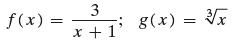
In Problems 13–22, for the given functions f and g, find:(a) (f º g)(4)(b) (g º f)(2)(c) (f º f)(1)(d) (g º g)(0) f(x) = 3 x+1' g(x) = x
In Problems 13–22, for the given functions f and g, find:(a) (f º g)(4)(b) (g º f)(2)(c) (f º f)(1)(d) (g º g)(0)f (x) = 3x + 2; g(x) = 2x2 − 1
In Problems 13–22, for the given functions f and g, find:(a) (f º g)(4)(b) (g º f)(2)(c) (f º f)(1)(d) (g º g)(0) f(x) = x³/2; g(x) = 2 x + 1
In Problems 13–22, for the given functions f and g, find:(a) (f º g)(4)(b) (g º f)(2)(c) (f º f)(1)(d) (g º g)(0)f (x) = 8x2 − 3; g(x) = 3 − 1/2x2
In Problems 13–22, for the given functions f and g, find:(a) (f º g)(4)(b) (g º f)(2)(c) (f º f)(1)(d) (g º g)(0)f (x) = 2x2 ; g(x) = 1 − 3x2
In Problems 13–22, for the given functions f and g, find:(a) (f º g)(4)(b) (g º f)(2)(c) (f º f)(1)(d) (g º g)(0)f (x) = √x; g(x) = 5x
In Problems 23–38, for the given functions f and g, find: (a) f º g(b) g º f(c) f º f(d) g º gState the domain of each composite function. f(x) = x² + 4; g(x) = √x - 2
In Problems 23–38, for the given functions f and g, find: (a) f º g(b) g º f(c) f º f(d) g º gState the domain of each composite function. f(x)=√x; g(x) = 2x + 5
In Problems 23–38, for the given functions f and g, find: (a) f º g(b) g º f(c) f º f(d) g º gState the domain of each composite function. f(x) = √x - 2; g(x) = 1 - 2x
In Problems 23–38, for the given functions f and g, find: (a) f º g(b) g º f(c) f º f(d) g º gState the domain of each composite function. f(x) = x² + 7; g(x) = √x - 7
In Problems 13–22, for the given functions f and g, find:(a) (f º g)(4)(b) (g º f)(2)(c) (f º f)(1)(d) (g º g)(0)f (x) = √x + 1; g(x) = 3x
In Problems 23–38, for the given functions f and g, find: (a) f º g(b) g º f(c) f º f(d) g º gState the domain of each composite function. f(x) = x - 5. x + 1' g(x) = x + 2 x - 3
In Problems 23–38, for the given functions f and g, find: (a) f º g(b) g º f(c) f º f(d) g º gState the domain of each composite function. f(x) = 2x 1. - 글 x - 2 g(x) = x + 4 2x - 5
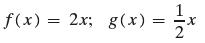
In Problems 39–46, show that (f º g)(x) = (g º f)(x) = x. f(x) = 2x; g(x) = 1 2 X
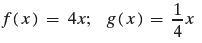
In Problems 39–46, show that (f º g)(x) = (g º f)(x) = x. f(x) = 4x; g(x) =1/x 4
In Problems 39–46, show that (f º g)(x) = (g º f)(x) = x. f(x) = x³; g(x) = √√x
In Problems 39–46, show that (f º g)(x) = (g º f)(x) = x. f(x) = ax + b; g(x) = 1/(x-b) a (x - b) a = 0
In Problems 39–46, show that (f º g)(x) = (g º f)(x) = x.f (x) = x + 5; g(x) = x − 5
In Problems 47–52, find functions f and g so that f º g = H.H(x) = (2x + 3)4
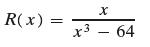
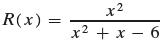
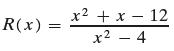
In Problems 15–26, find the domain of each rational function. R(x) = X x3 x³ 64
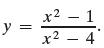
Find the intercepts of the graph of the equation y = x² - 1 2 x² - 4 2
Find f (−1) if f (x) = 2x2 − x.
Graph y = 1/x.
Graph y = 2(x + 1)2 − 3 using transformations.
Solve x2 = 3 − x.
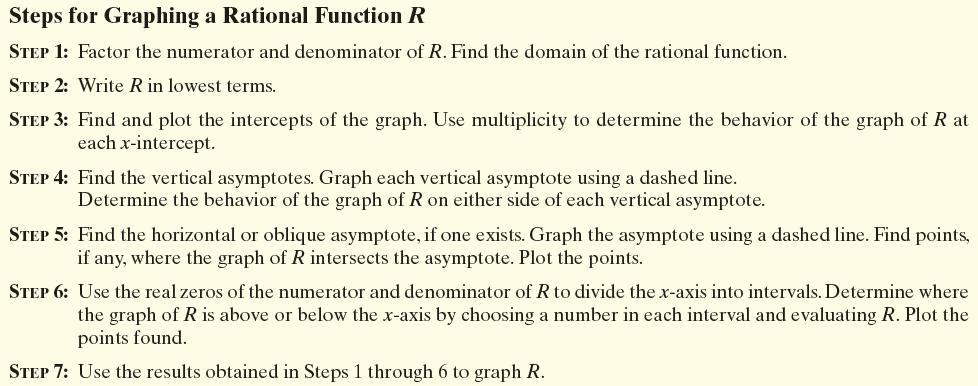
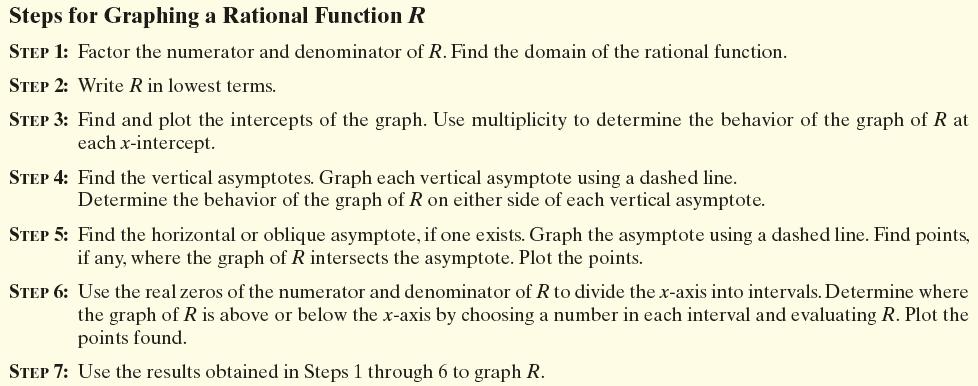
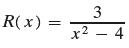
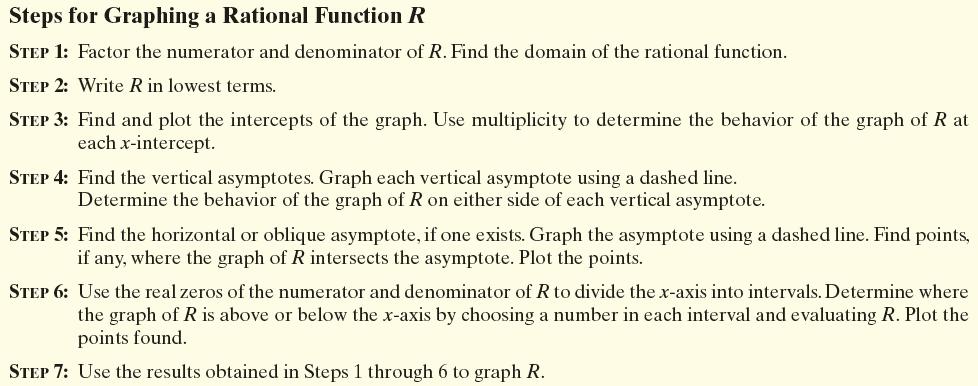
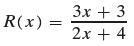
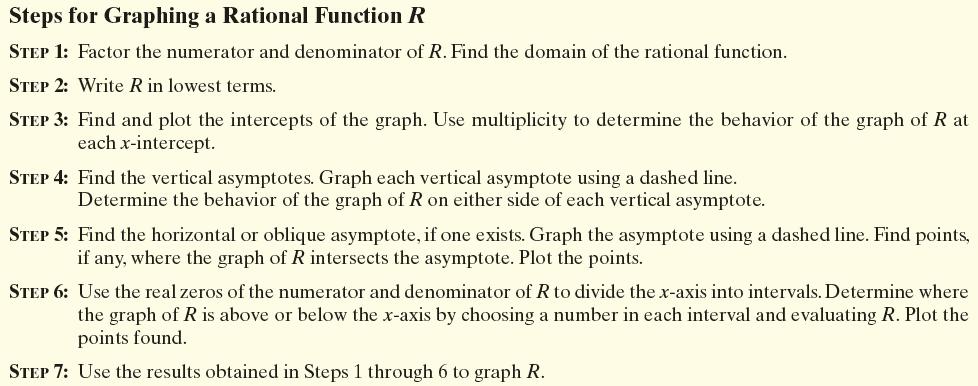
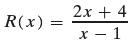
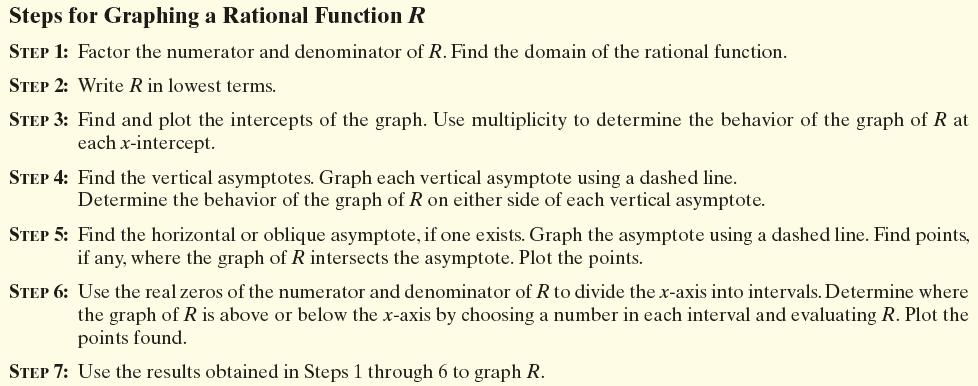
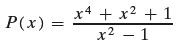
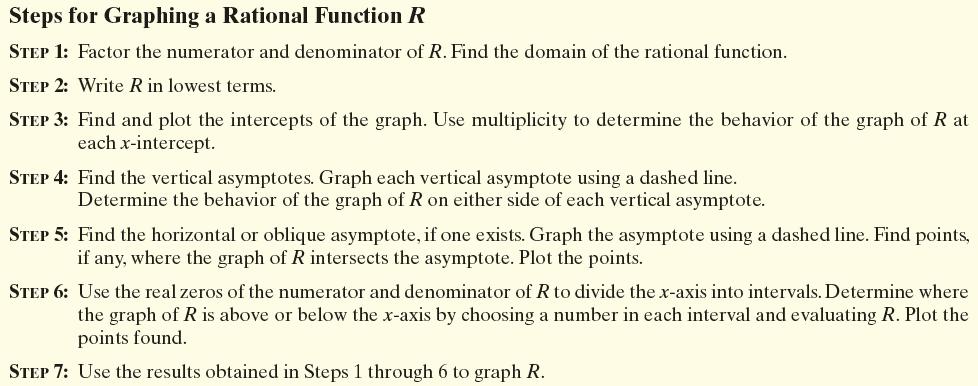
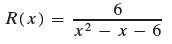
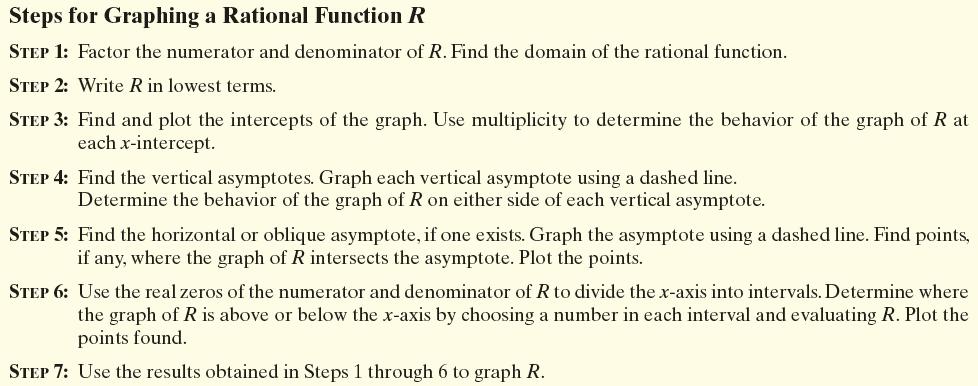
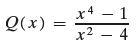
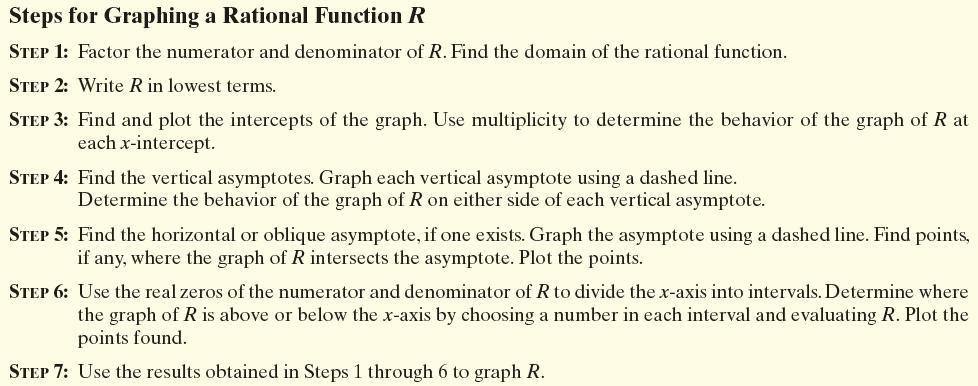
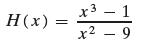
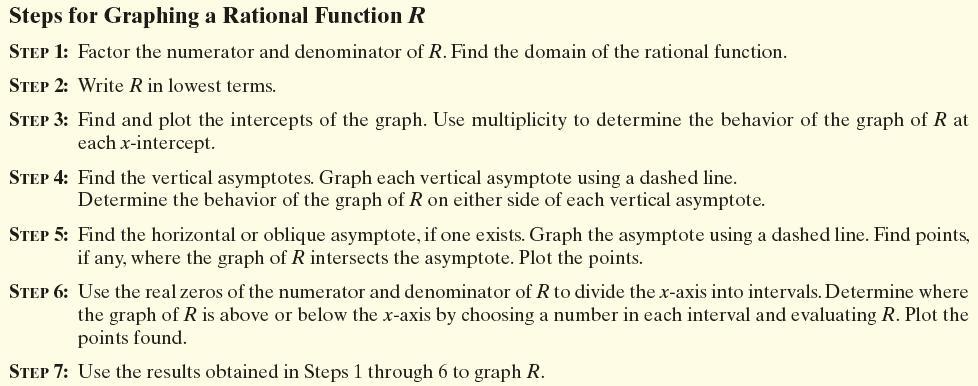
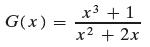
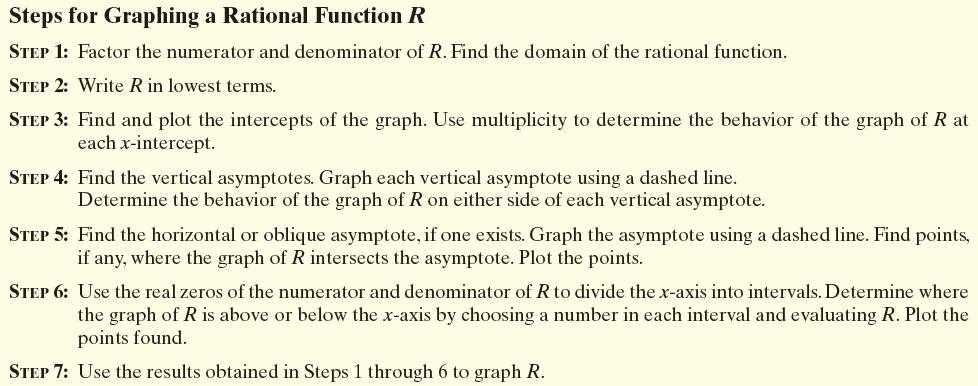
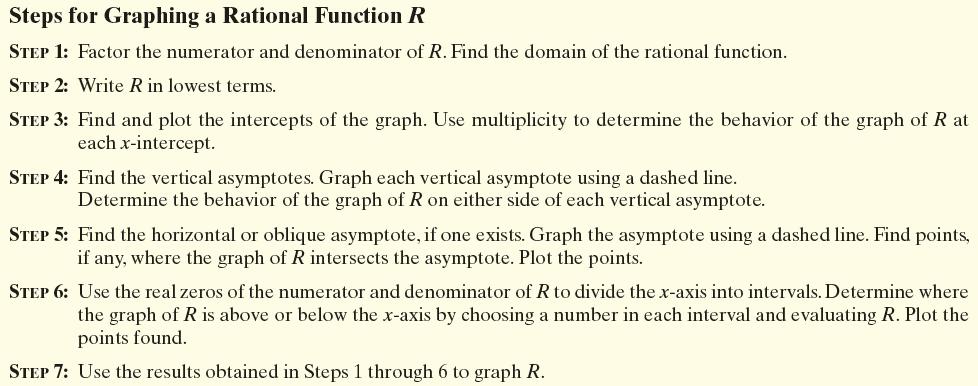
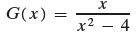
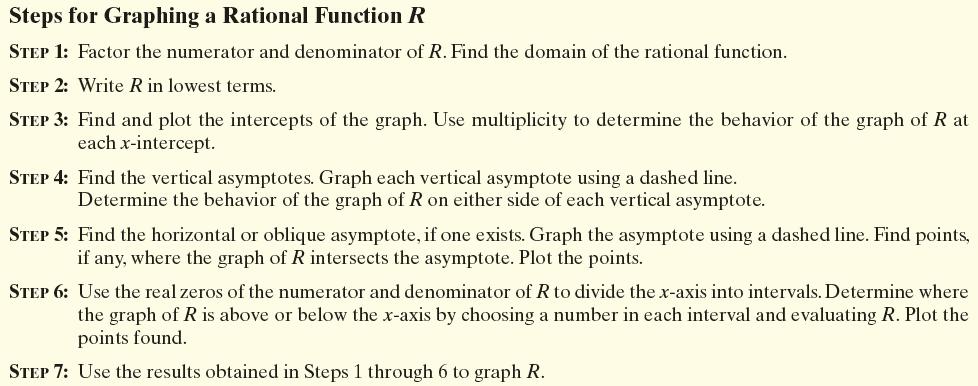
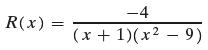
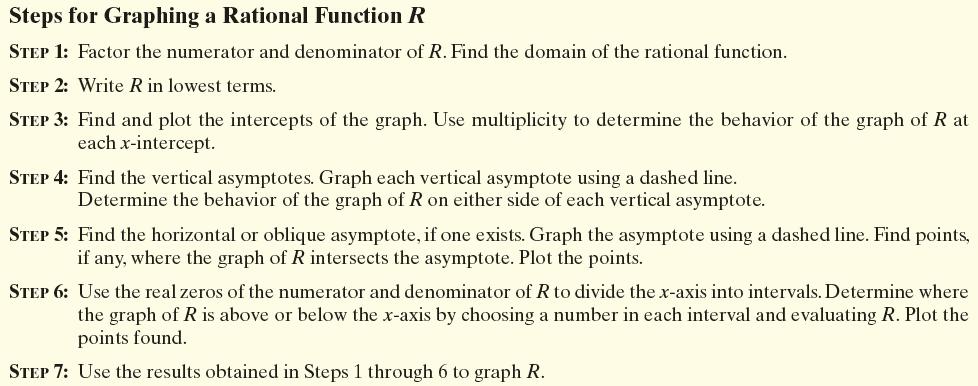
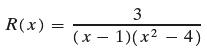
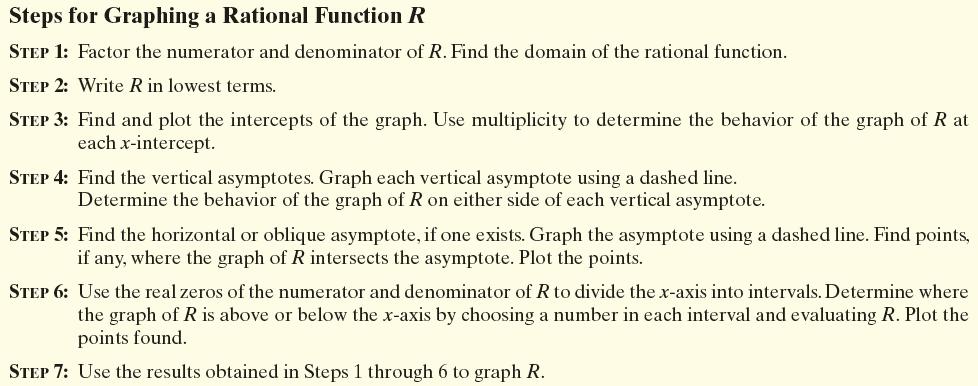
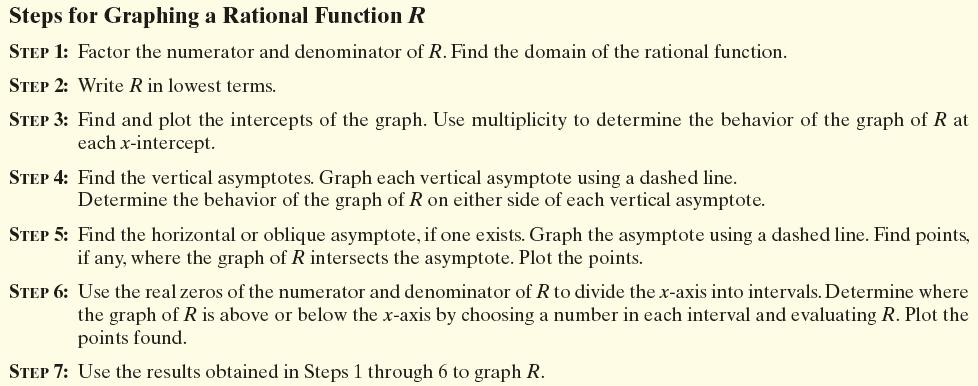
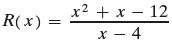
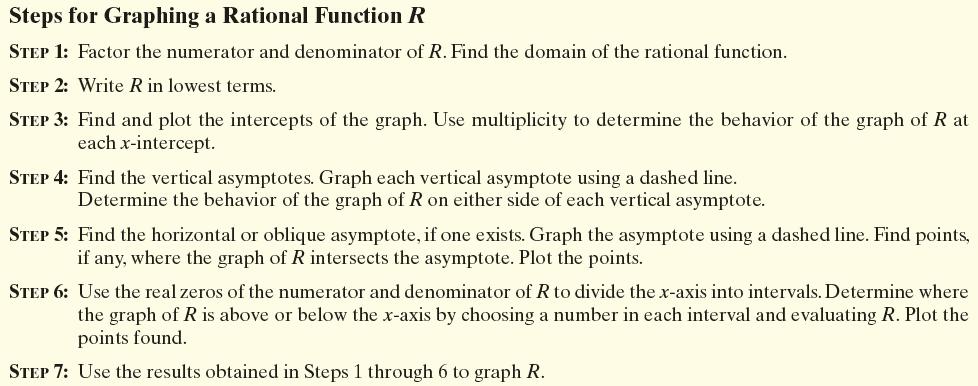
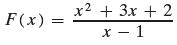
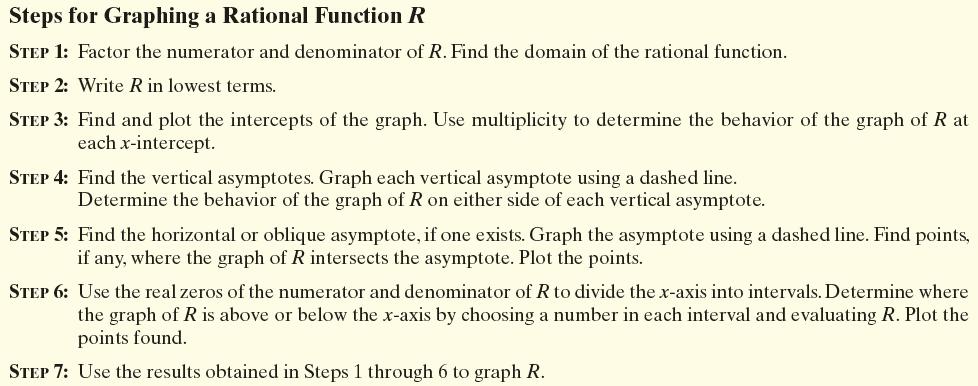
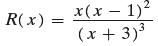
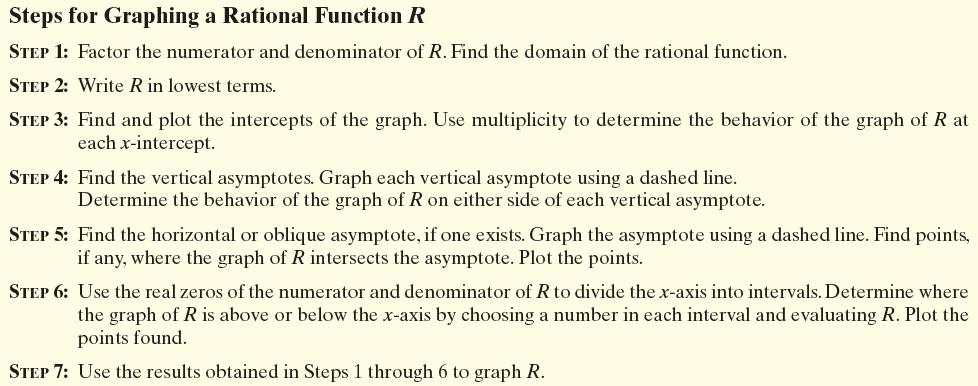
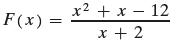
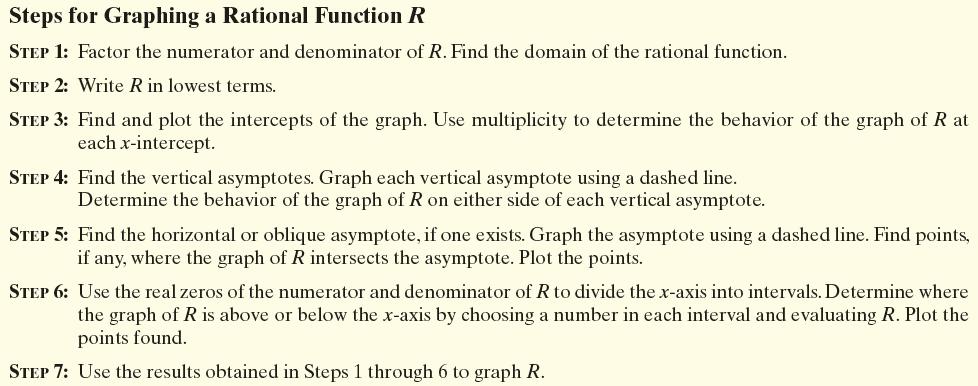
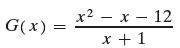
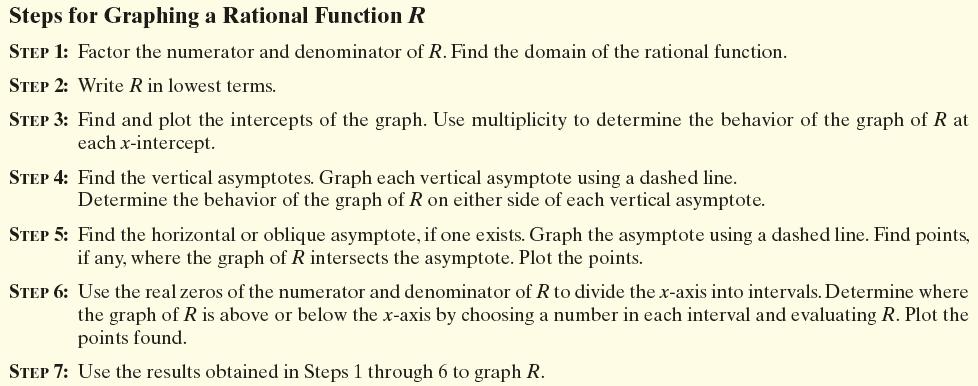
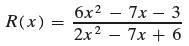
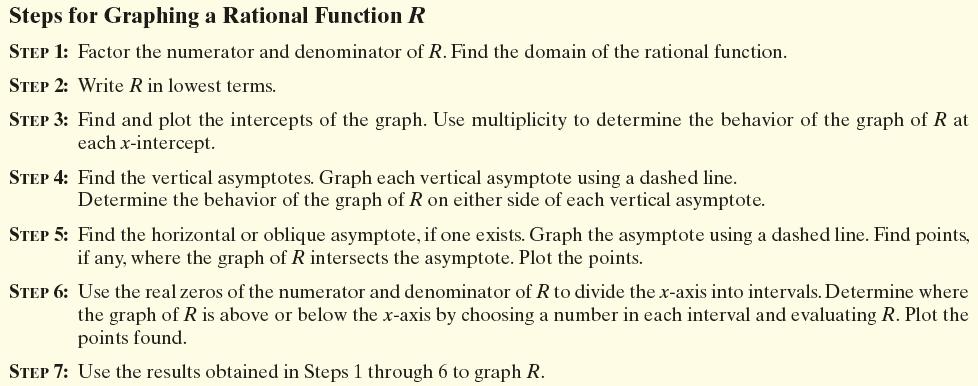
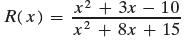
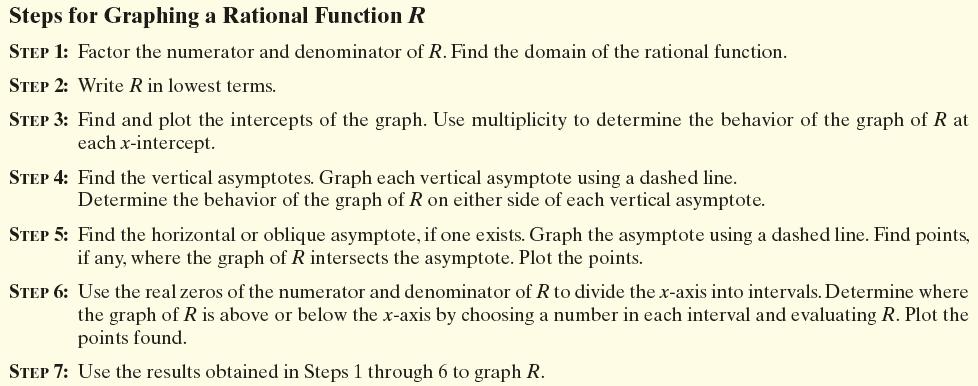
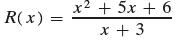
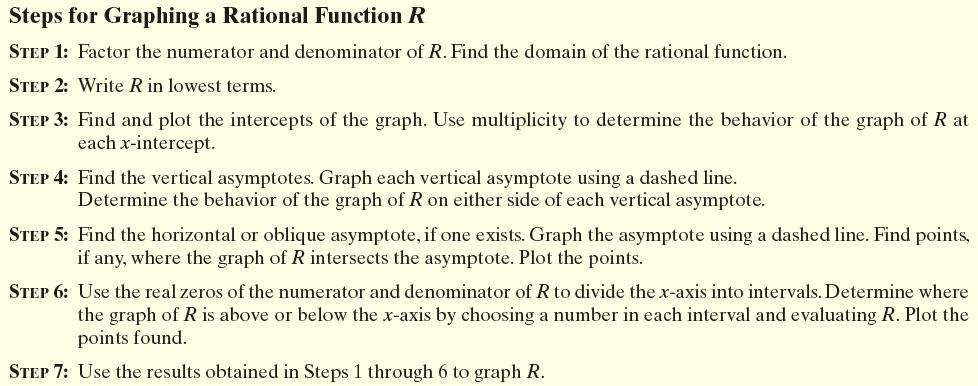
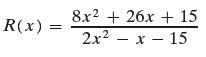
In Problems 7 – 50, follow Steps 1 through 7 shown below to graph each function. Steps for Graphing a Rational Function R STEP 1: Factor the numerator and denominator of R. Find the domain of the rational function. STEP 2: Write R in lowest terms. STEP 3: Find and plot the intercepts of the
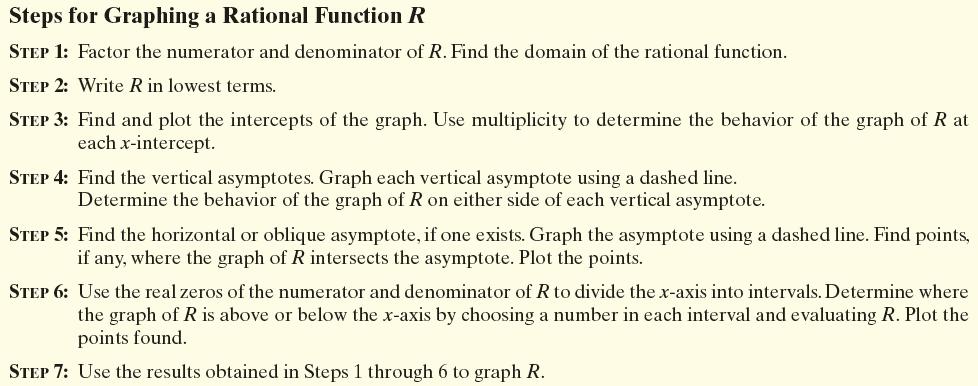
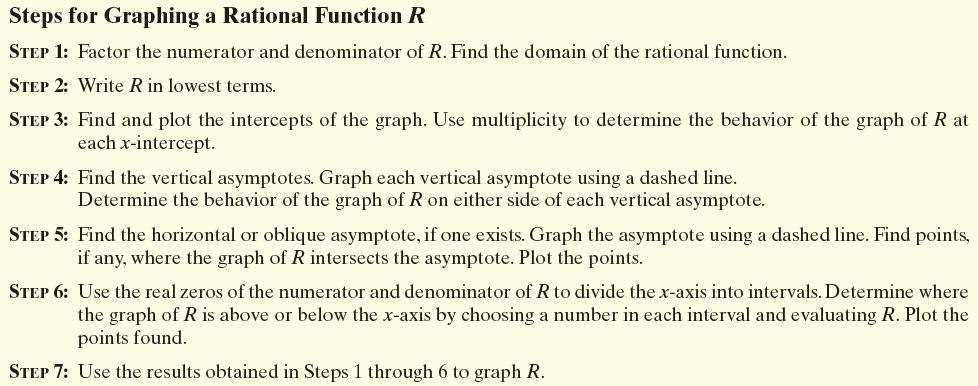
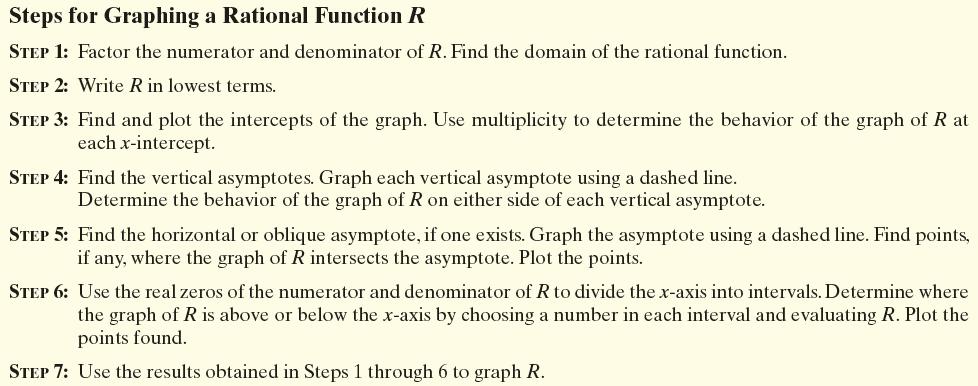
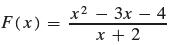
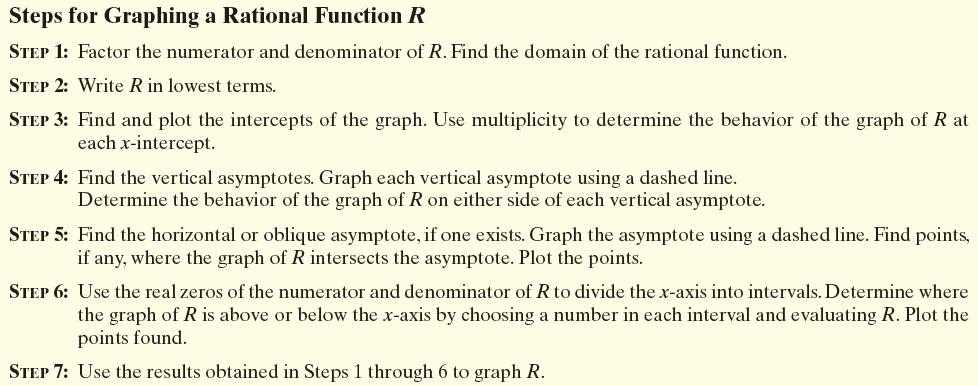
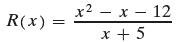
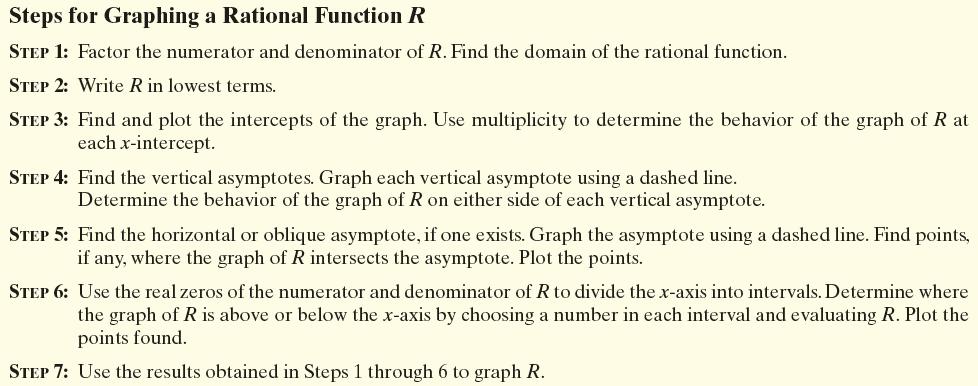
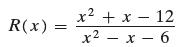
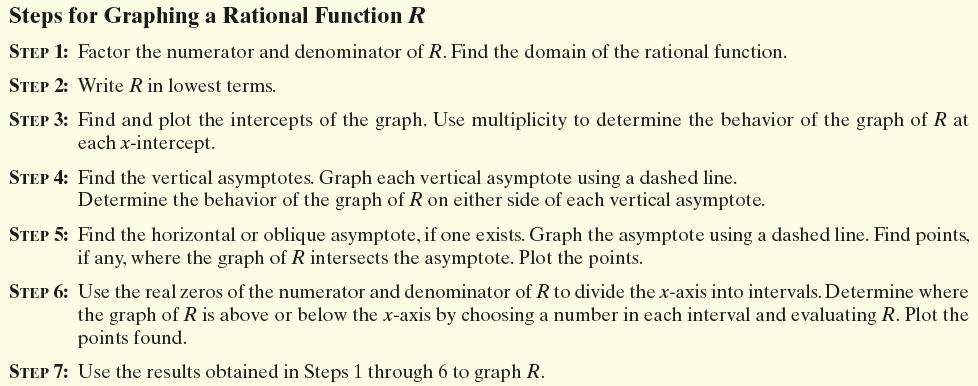
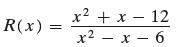
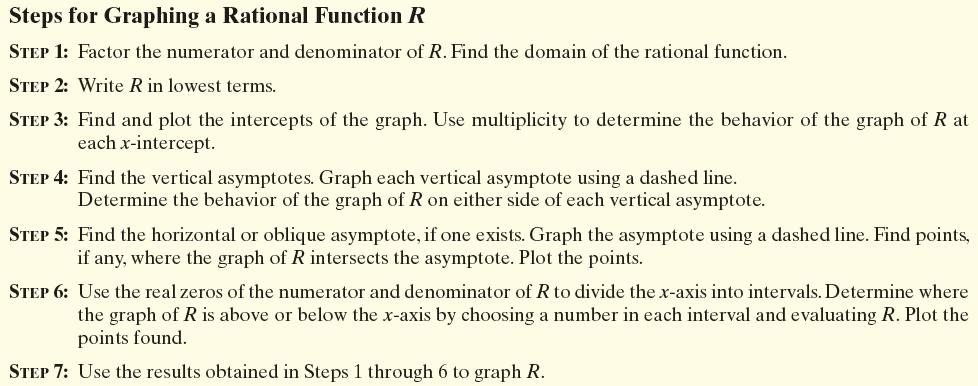
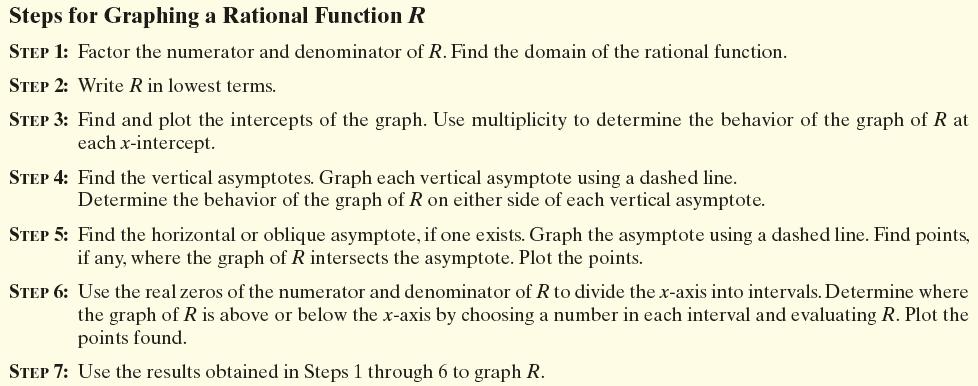
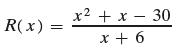
In Problems 7 – 50, follow Steps 1 through 7 shown below to graph each function. Steps for Graphing a Rational Function R STEP 1: Factor the numerator and denominator of R. Find the domain of the rational function. STEP 2: Write R in lowest terms. STEP 3: Find and plot the intercepts of the
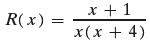
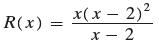
The answer is given at the end of these exercises.(a) Find the domain of R.(b) Find the x -intercepts of R . R(x) x(x - 2)² 2)² x-2
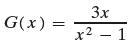
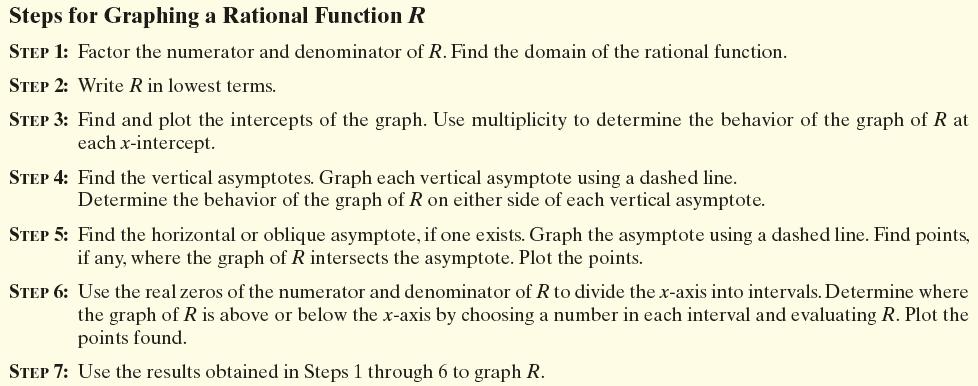
In Problems 7 – 50, follow Steps 1 through 7 shown below to graph each function. Steps for Graphing a Rational Function R STEP 1: Factor the numerator and denominator of R. Find the domain of the rational function. STEP 2: Write R in lowest terms. STEP 3: Find and plot the intercepts of the
In Problems 7 – 50, follow Steps 1 through 7 shown below to graph each function. Steps for Graphing a Rational Function R STEP 1: Factor the numerator and denominator of R. Find the domain of the rational function. STEP 2: Write R in lowest terms. STEP 3: Find and plot the intercepts of the
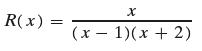
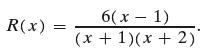
Identify the y -intercept of the graph of(a) − 3(b) − 2(c) − 1(d) 1 R(x) = 6(x - 1) (x + 1)(x + 2)
In Problems 7 – 50, follow Steps 1 through 7 shown below to graph each function. Steps for Graphing a Rational Function R STEP 1: Factor the numerator and denominator of R. Find the domain of the rational function. STEP 2: Write R in lowest terms. STEP 3: Find and plot the intercepts of the
In Problems 7 – 50, follow Steps 1 through 7 shown below to graph each function. Steps for Graphing a Rational Function R STEP 1: Factor the numerator and denominator of R. Find the domain of the rational function. STEP 2: Write R in lowest terms. STEP 3: Find and plot the intercepts of the
In Problems 7 – 50, follow Steps 1 through 7 shown below to graph each function. Steps for Graphing a Rational Function R STEP 1: Factor the numerator and denominator of R. Find the domain of the rational function. STEP 2: Write R in lowest terms. STEP 3: Find and plot the intercepts of the
In Problems 7 – 50, follow Steps 1 through 7 shown below to graph each function. Steps for Graphing a Rational Function R STEP 1: Factor the numerator and denominator of R. Find the domain of the rational function. STEP 2: Write R in lowest terms. STEP 3: Find and plot the intercepts of the
In Problems 7 – 50, follow Steps 1 through 7 shown below to graph each function. Steps for Graphing a Rational Function R STEP 1: Factor the numerator and denominator of R. Find the domain of the rational function. STEP 2: Write R in lowest terms. STEP 3: Find and plot the intercepts of the
If f (x) = q( x)g( x) + r(x), the function r(x) is called the ____.(a) Remainder(b) Dividend(c) Quotient(d) Divisor
If, as x → −∞ or as x → ∞, the values of R(x) approach some fixed number L, then the line y = L is a_______,_____ of the graph of R.
Given f (x) = 3x4 − 2x3 + 7x − 2, how many sign changes are there in the coefficients of f (−x)?(a) 0(b) 1(c) 2(d) 3
In Problems 7 – 50, follow Steps 1 through 7 shown below to graph each function. Steps for Graphing a Rational Function R STEP 1: Factor the numerator and denominator of R. Find the domain of the rational function. STEP 2: Write R in lowest terms. STEP 3: Find and plot the intercepts of the
In Problems 7 – 50, follow Steps 1 through 7 shown below to graph each function. Steps for Graphing a Rational Function R STEP 1: Factor the numerator and denominator of R. Find the domain of the rational function. STEP 2: Write R in lowest terms. STEP 3: Find and plot the intercepts of the
True or False A polynomial function of degree n with real coefficients has exactly n complex zeros. At most n of them are real zeros.
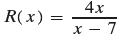
In Problems 15–26, find the domain of each rational function. R(x) = 4x x - 7
In Problems 9 – 18, information is given about a polynomial function f whose coefficients are real numbers. Find the remaining zeros of f.Degree 3; zeros: 3 , 4 − i
In Problems 9 – 18, information is given about a polynomial function f whose coefficients are real numbers. Find the remaining zeros of f.Degree 3; zeros: 4 , 3 + i
In Problems 7 – 50, follow Steps 1 through 7 shown below to graph each function. Steps for Graphing a Rational Function R STEP 1: Factor the numerator and denominator of R. Find the domain of the rational function. STEP 2: Write R in lowest terms. STEP 3: Find and plot the intercepts of the
True or False If the degree of the numerator of a rational function equals the degree of the denominator, then the rational function has a horizontal asymptote.
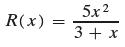
In Problems 15–26, find the domain of each rational function. R(x) 5x² 3 + x
In Problems 11–20, use the Remainder Theorem to find the remainder when f(x) is divided by x − c. Then use the Factor Theorem to determine whether x − c is a factor of f (x).f (x) = −4x3 + 5x2 + 8; x + 3
In Problems 9 – 18 , information is given about a polynomial function f whose coefficients are real numbers. Find the remaining zeros of f .Degree 4; zeros: 1, 2, 2 + i
If R (x) = p (x)/q (x) is a rational function and if p and q have no common factors, then R is _______.(a) Improper(b) Proper(c) Undefined(d) In lowest terms
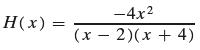
In Problems 15–26, find the domain of each rational function. H(x) = -4x² (x-2)(x + 4)
Which type of asymptote, when it occurs, describes the behavior of a graph when x is close to some number?(a) Vertical(b) Horizontal(c) Oblique(d) All of these
In Problems 11–20, use the Remainder Theorem to find the remainder when f(x) is divided by x − c. Then use the Factor Theorem to determine whether x − c is a factor of f (x).f (x) = 4x4 − 15x2 − 4; x − 2
In Problems 9 – 18, information is given about a polynomial function f whose coefficients are real numbers. Find the remaining zeros of f.Degree 5; zeros: 0, 1, 2, i
In Problems 11–20, use the Remainder Theorem to find the remainder when f(x) is divided by x − c. Then use the Factor Theorem to determine whether x − c is a factor of f (x).f (x) = 2x6 − 18x4 + x2 − 9; x + 3
In Problems 9 – 18, information is given about a polynomial function f whose coefficients are real numbers. Find the remaining zeros of f .Degree 4; zeros: 2 − i, −i
In Problems 7 – 50, follow Steps 1 through 7 shown below to graph each function. Steps for Graphing a Rational Function R STEP 1: Factor the numerator and denominator of R. Find the domain of the rational function. STEP 2: Write R in lowest terms. STEP 3: Find and plot the intercepts of the
In Problems 7 – 50, follow Steps 1 through 7 shown below to graph each function. Steps for Graphing a Rational Function R STEP 1: Factor the numerator and denominator of R. Find the domain of the rational function. STEP 2: Write R in lowest terms. STEP 3: Find and plot the intercepts of the
In Problems 7 – 50, follow Steps 1 through 7 shown below to graph each function. Steps for Graphing a Rational Function R STEP 1: Factor the numerator and denominator of R. Find the domain of the rational function. STEP 2: Write R in lowest terms. STEP 3: Find and plot the intercepts of the
In Problems 7 – 50, follow Steps 1 through 7 shown below to graph each function. Steps for Graphing a Rational Function R STEP 1: Factor the numerator and denominator of R. Find the domain of the rational function. STEP 2: Write R in lowest terms. STEP 3: Find and plot the intercepts of the
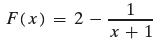
In Problems 33–44,(a) Graph the rational function using transformations,(b) Use the final graph to find the domain and range,(c) Use the final graph to list any vertical, horizontal, or oblique asymptotes. F(x) = 2- 1 x + 1
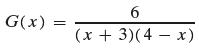
In Problems 15–26, find the domain of each rational function. G(x) = 6 (x + 3)(4 - x)
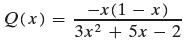
In Problems 15–26, find the domain of each rational function. Q(x) = -x(1 - x) 3x² + 5x - 2
In Problems 7 – 50, follow Steps 1 through 7 shown below to graph each function. Steps for Graphing a Rational Function R STEP 1: Factor the numerator and denominator of R. Find the domain of the rational function. STEP 2: Write R in lowest terms. STEP 3: Find and plot the intercepts of the
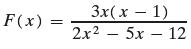
In Problems 15–26, find the domain of each rational function. F(x) = 3x(x - 1) 2x²5x12
In Problems 7 – 50, follow Steps 1 through 7 shown below to graph each function. Steps for Graphing a Rational Function R STEP 1: Factor the numerator and denominator of R. Find the domain of the rational function. STEP 2: Write R in lowest terms. STEP 3: Find and plot the intercepts of the
In Problems 7 – 50, follow Steps 1 through 7 shown below to graph each function. Steps for Graphing a Rational Function R STEP 1: Factor the numerator and denominator of R. Find the domain of the rational function. STEP 2: Write R in lowest terms. STEP 3: Find and plot the intercepts of the
In Problems 7 – 50, follow Steps 1 through 7 shown below to graph each function. Steps for Graphing a Rational Function R STEP 1: Factor the numerator and denominator of R. Find the domain of the rational function. STEP 2: Write R in lowest terms. STEP 3: Find and plot the intercepts of the
In Problems 7 – 50, follow Steps 1 through 7 shown below to graph each function. Steps for Graphing a Rational Function R STEP 1: Factor the numerator and denominator of R. Find the domain of the rational function. STEP 2: Write R in lowest terms. STEP 3: Find and plot the intercepts of the
In Problems 7 – 50, follow Steps 1 through 7 shown below to graph each function. Steps for Graphing a Rational Function R STEP 1: Factor the numerator and denominator of R. Find the domain of the rational function. STEP 2: Write R in lowest terms. STEP 3: Find and plot the intercepts of the
In Problems 11–20, use the Remainder Theorem to find the remainder when f(x) is divided by x − c. Then use the Factor Theorem to determine whether x − c is a factor of f (x).f (x) = x6 − 16x4 + x2 − 16; x + 4
In Problems 7 – 50, follow Steps 1 through 7 shown below to graph each function. Steps for Graphing a Rational Function R STEP 1: Factor the numerator and denominator of R. Find the domain of the rational function. STEP 2: Write R in lowest terms. STEP 3: Find and plot the intercepts of the
In Problems 9 – 18, information is given about a polynomial function f whose coefficients are real numbers. Find the remaining zeros of f.Degree 6; zeros: i, 3 − 2i, −2 + i
In Problems 7 – 50, follow Steps 1 through 7 shown below to graph each function. Steps for Graphing a Rational Function R STEP 1: Factor the numerator and denominator of R. Find the domain of the rational function. STEP 2: Write R in lowest terms. STEP 3: Find and plot the intercepts of the
In Problems 7 – 50, follow Steps 1 through 7 shown below to graph each function. Steps for Graphing a Rational Function R STEP 1: Factor the numerator and denominator of R. Find the domain of the rational function. STEP 2: Write R in lowest terms. STEP 3: Find and plot the intercepts of the
In Problems 7 – 50, follow Steps 1 through 7 shown below to graph each function. Steps for Graphing a Rational Function R STEP 1: Factor the numerator and denominator of R. Find the domain of the rational function. STEP 2: Write R in lowest terms. STEP 3: Find and plot the intercepts of the
In Problems 7 – 50, follow Steps 1 through 7 shown below to graph each function. Steps for Graphing a Rational Function R STEP 1: Factor the numerator and denominator of R. Find the domain of the rational function. STEP 2: Write R in lowest terms. STEP 3: Find and plot the intercepts of the
In Problems 7 – 50, follow Steps 1 through 7 shown below to graph each function. Steps for Graphing a Rational Function R STEP 1: Factor the numerator and denominator of R. Find the domain of the rational function. STEP 2: Write R in lowest terms. STEP 3: Find and plot the intercepts of the
In Problems 21–32, determine the maximum number of real zeros that each polynomial function may have. Then use Descartes’ Rule of Signs to determine how many positive and how many negative real zeros each polynomial function may have. Do not attempt to find the zeros.f (x) = −4x7 + x3 − x2
In Problems 7 – 50, follow Steps 1 through 7 shown below to graph each function. Steps for Graphing a Rational Function R STEP 1: Factor the numerator and denominator of R. Find the domain of the rational function. STEP 2: Write R in lowest terms. STEP 3: Find and plot the intercepts of the
In Problems 7 – 50, follow Steps 1 through 7 shown below to graph each function. Steps for Graphing a Rational Function R STEP 1: Factor the numerator and denominator of R. Find the domain of the rational function. STEP 2: Write R in lowest terms. STEP 3: Find and plot the intercepts of the
In Problems 21–32, determine the maximum number of real zeros that each polynomial function may have. Then use Descartes’ Rule of Signs to determine how many positive and how many negative real zeros each polynomial function may have. Do not attempt to find the zeros.f (x) = 5x4 + 2x2 − 6x
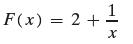
In Problems 33–44,(a) Graph the rational function using transformations,(b) Use the final graph to find the domain and range,(c) Use the final graph to list any vertical, horizontal, or oblique asymptotes. F(x) = 2 + ¹ x
In Problems 7 – 50, follow Steps 1 through 7 shown below to graph each function. Steps for Graphing a Rational Function R STEP 1: Factor the numerator and denominator of R. Find the domain of the rational function. STEP 2: Write R in lowest terms. STEP 3: Find and plot the intercepts of the
In Problems 21–32, determine the maximum number of real zeros that each polynomial function may have. Then use Descartes’ Rule of Signs to determine how many positive and how many negative real zeros each polynomial function may have. Do not attempt to find the zeros.f (x) = −3x5 + 4x4 + 2
In Problems 7 – 50, follow Steps 1 through 7 shown below to graph each function. Steps for Graphing a Rational Function R STEP 1: Factor the numerator and denominator of R. Find the domain of the rational function. STEP 2: Write R in lowest terms. STEP 3: Find and plot the intercepts of the
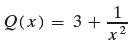
In Problems 33–44,(a) Graph the rational function using transformations,(b) Use the final graph to find the domain and range,(c) Use the final graph to list any vertical, horizontal, or oblique asymptotes. Q(x) = 3 + 1/2 X
In Problems 21–32, determine the maximum number of real zeros that each polynomial function may have. Then use Descartes’ Rule of Signs to determine how many positive and how many negative real zeros each polynomial function may have. Do not attempt to find the zeros.f (x) = −x3 − x2 + x + 1
Showing 4400 - 4500
of 29454
First
38
39
40
41
42
43
44
45
46
47
48
49
50
51
52
Last
Step by Step Answers

 Get 50% OFF
Claim Now
Get 50% OFF
Claim Now