New Semester
Started
Get
50% OFF
Study Help!
--h --m --s
Claim Now
Question Answers
Textbooks
Find textbooks, questions and answers
Oops, something went wrong!
Change your search query and then try again
S
Books
FREE
Study Help
Expert Questions
Accounting
General Management
Mathematics
Finance
Organizational Behaviour
Law
Physics
Operating System
Management Leadership
Sociology
Programming
Marketing
Database
Computer Network
Economics
Textbooks Solutions
Accounting
Managerial Accounting
Management Leadership
Cost Accounting
Statistics
Business Law
Corporate Finance
Finance
Economics
Auditing
Tutors
Online Tutors
Find a Tutor
Hire a Tutor
Become a Tutor
AI Tutor
AI Study Planner
NEW
Sell Books
Search
Search
Sign In
Register
study help
mathematics
precalculus
Thomas Calculus Early Transcendentals 13th Edition Joel R Hass, Christopher E Heil, Maurice D Weir - Solutions
Give the eccentricities of conic sections with one focus at the origin along with the directrix corresponding to that focus. Find a polar equation for each conic section.e = 1, x = 2
Find Cartesian equations for the circles. Sketch each circle in the coordinate plane and label it with both its Cartesian and polar equations.r = -4 sin θ
The circles r = √3 cos θ and r = sin θ intersect at the point (√3/2, π/3). Show that their tangents are perpendicular there.
Replace the polar equations with equivalent Cartesian equations. Then describe or identify the graph.r sin θ = 0
Find parametric equations and a parameter interval for the motion of a particle that moves along the graph of y = x2 in the following way: Beginning at (0, 0) it moves to (3, 9), and then travels back and forth from (3, 9) to (-3, 9) infinitely many times.
Give equations for hyperbolas. Put each equation in standard form and find the hyperbola’s asymptotes. Then sketch the hyperbola. Include the asymptotes and foci in your sketch.9x2 - 16y2 = 144
Sketch the region defined by the inequality.0 ≤ r2 ≤ cos θ
Sketch the lines. Also, find a Cartesian equation for each line.r = (3√3) csc θ
Find the lengths of the curves.The curve r = √1 + sin 2θ, 0 ≤ θ ≤ π√2
a. Graph the hyperbolic spiral rθ = 1. What appears to happen to ψ as the spiral winds in around the origin?b. Confirm your finding in part (a) analytically.
Find the lengths of the curve.x = (2t + 3)3/2/3, y = t + t2/2, 0 ≤ t ≤ 3
Replace the polar equations with equivalent Cartesian equations. Then describe or identify the graph.r sin θ = -1
Replace the polar equations with equivalent Cartesian equations. Then describe or identify the graph.r cos θ = 2
Find the lengths of the curve.x = t2/2, y = (2t + 1)3/2/3, 0 ≤ t ≤ 4
Find the angle between the radius vector to the curve r = 2a sin 3θ and its tangent when θ = π/6.
Find the lengths of the curves.The curve r = cos3 (θ/3), 0 ≤ θ ≤ π/4
Find parametric equations and a parameter interval for the motion of a particle starting at the point (2, 0) and tracing the top half of the circle x2 + y2 = 4 four times.
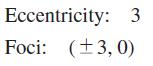
Give the eccentricities and the vertices or foci of hyperbolas centered at the origin of the xy-plane. In each case, find the hyperbola’s standard-form equation in Cartesian coordinates. Eccentricity: 3 Foci: (+3,0)
Give equations for hyperbolas. Put each equation in standard form and find the hyperbola’s asymptotes. Then sketch the hyperbola. Include the asymptotes and foci in your sketch.x2 - y2 = 1
Sketch the region defined by the inequality.0 ≤ r ≤ 2 - 2 cos θ
Sketch the lines. Also, find a Cartesian equation for each line.r = -(3/2) csc θ
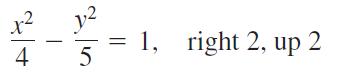
Give equations for hyperbolas and tell how many units up or down and to the right or left each hyperbola is to be shifted. Find an equation for the new hyperbola, and find the new center, foci, vertices, and asymptotes. 4 | 5 = 1, right 2, up 2
Sketch the circles. Give polar coordinates for their centers and identify their radii.r = 4 cos θ
Replace the Cartesian equations with equivalent polar equations.x = 7
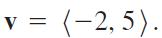
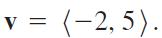
Finda. v · u, |v|, |u|b. The cosine of the angle between v and uc. The scalar component of u in the direction of vd. The vector projv u. v = 2i - 4j + √5k, u = −2i + 4j − √5k -
The graph of an equation of the form r = aθ, where a is a nonzero constant, is called an Archimedes spiral. Is there anything special about the widths between the successive turns of such a spiral?
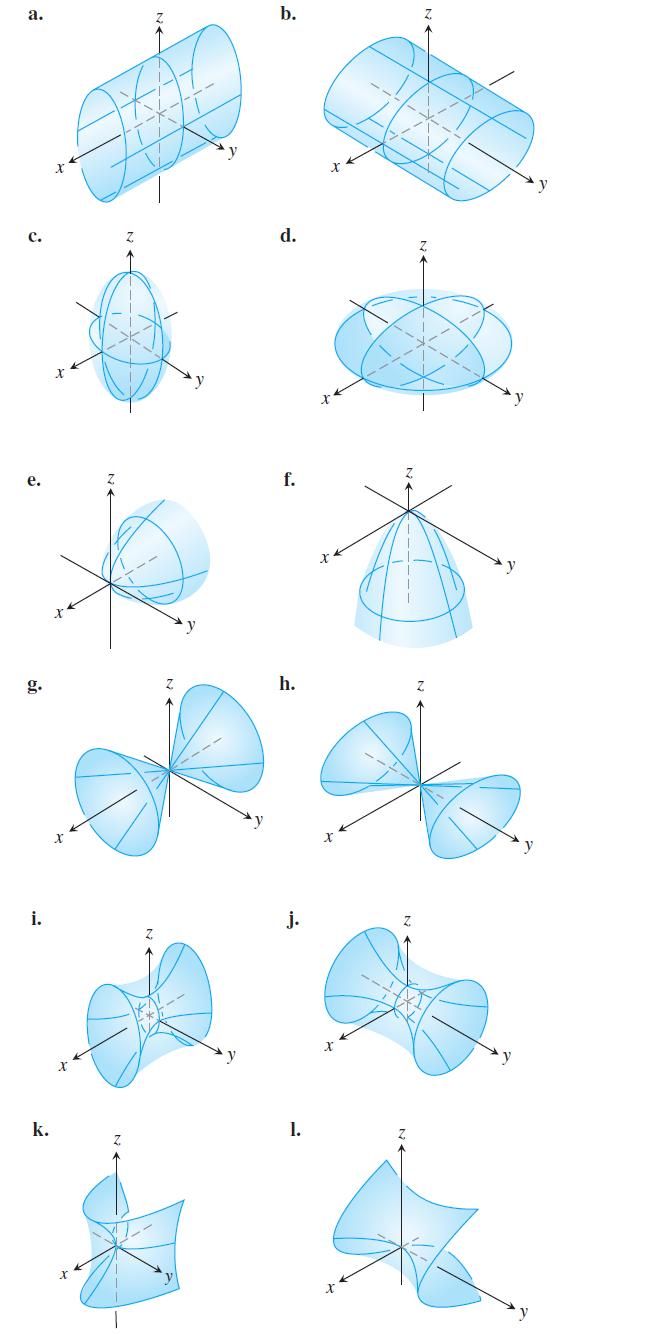
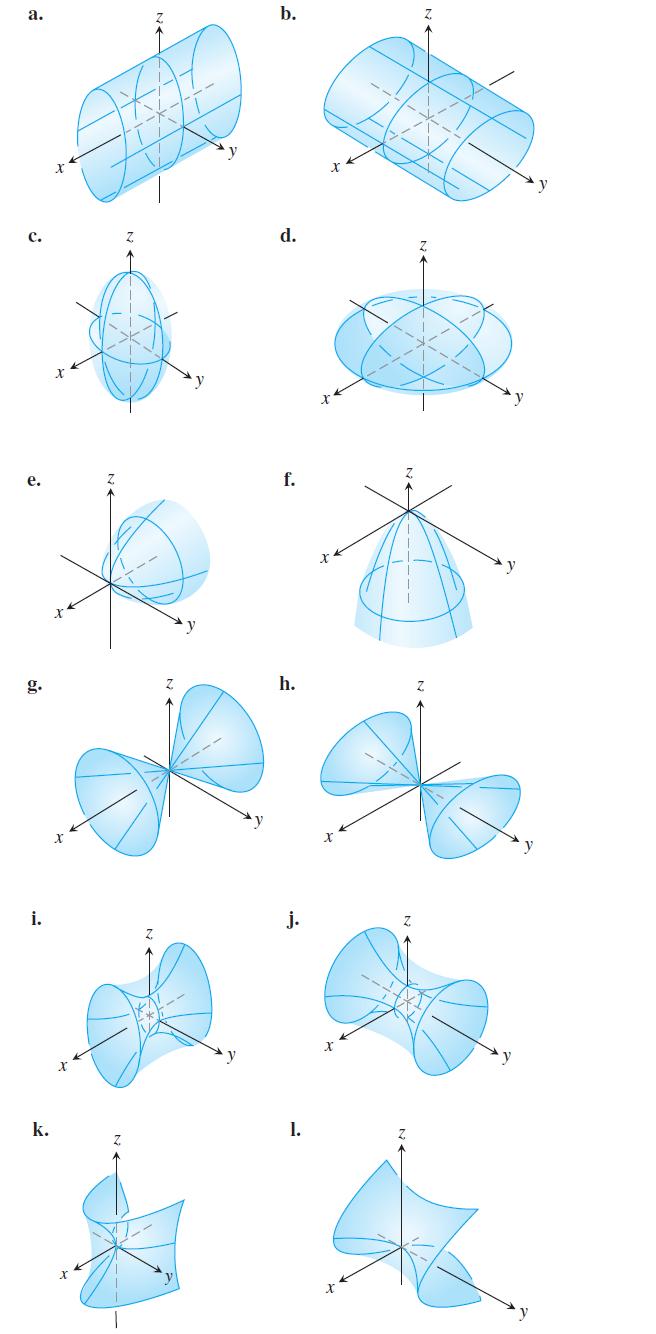
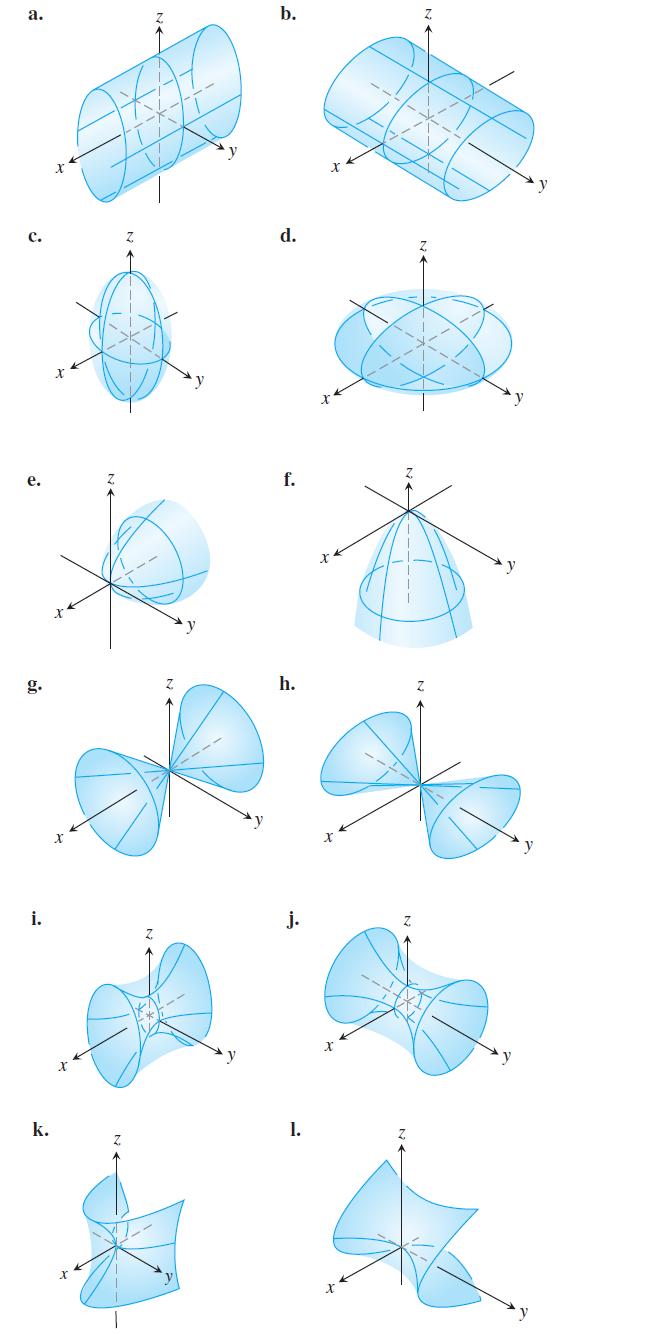
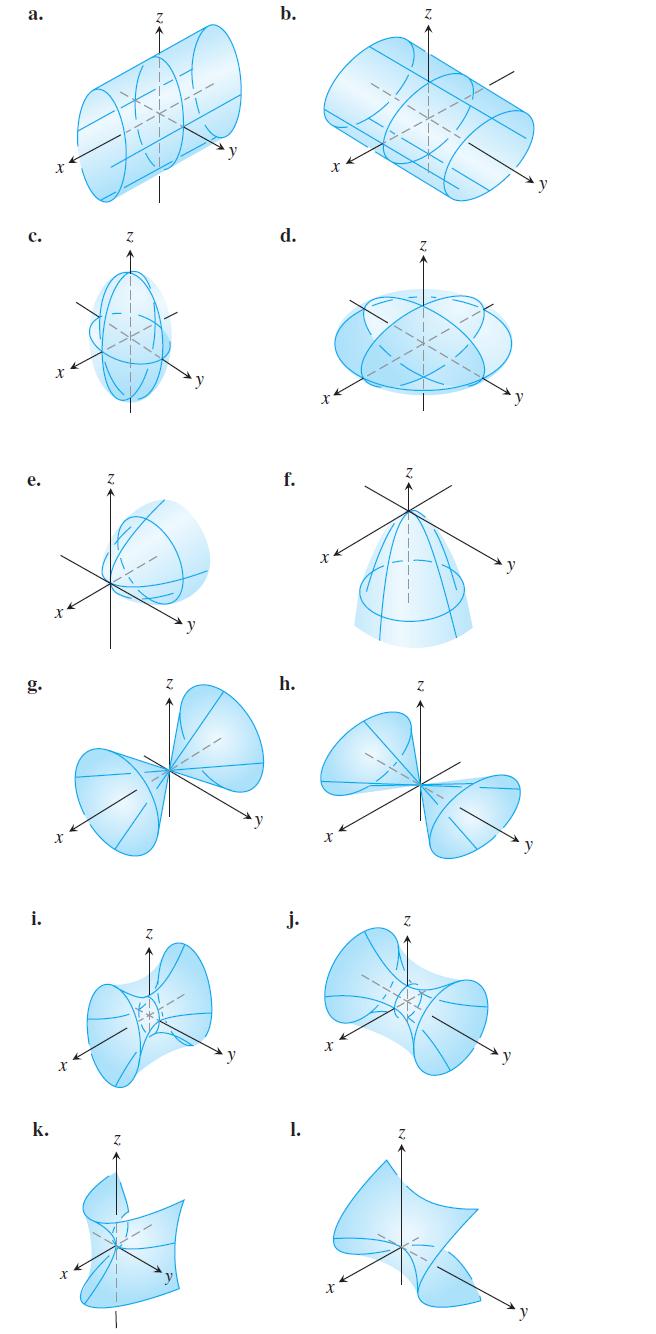
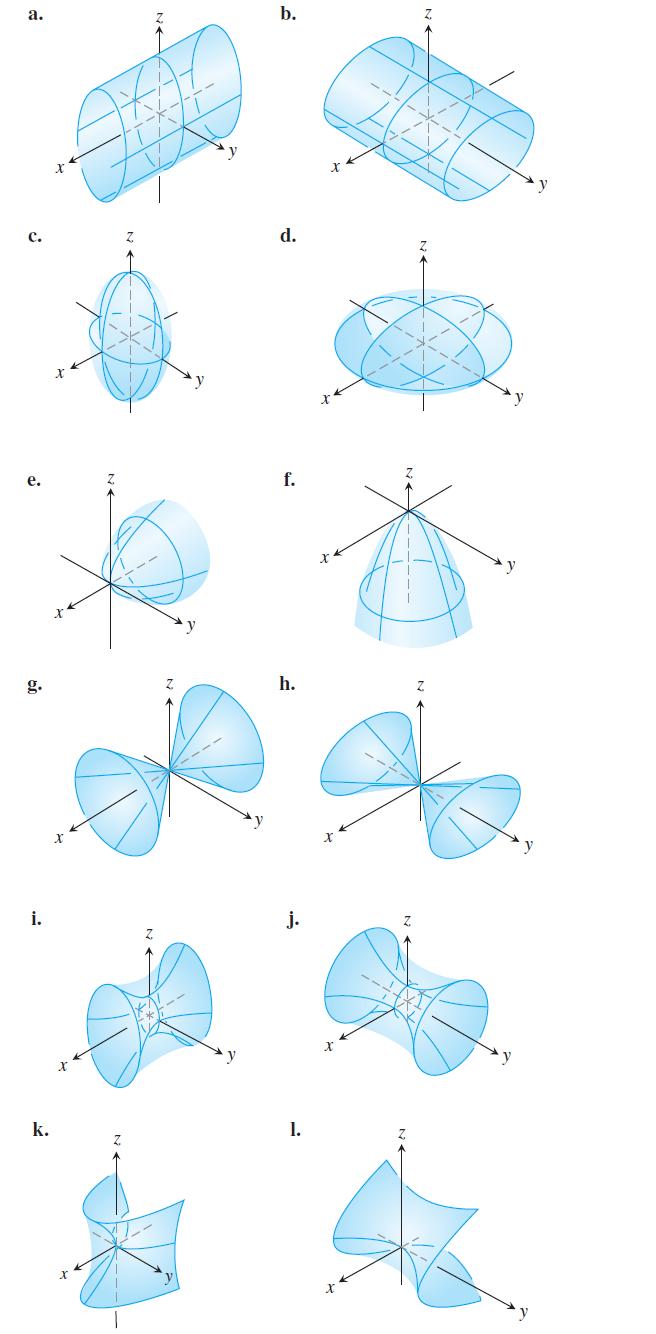
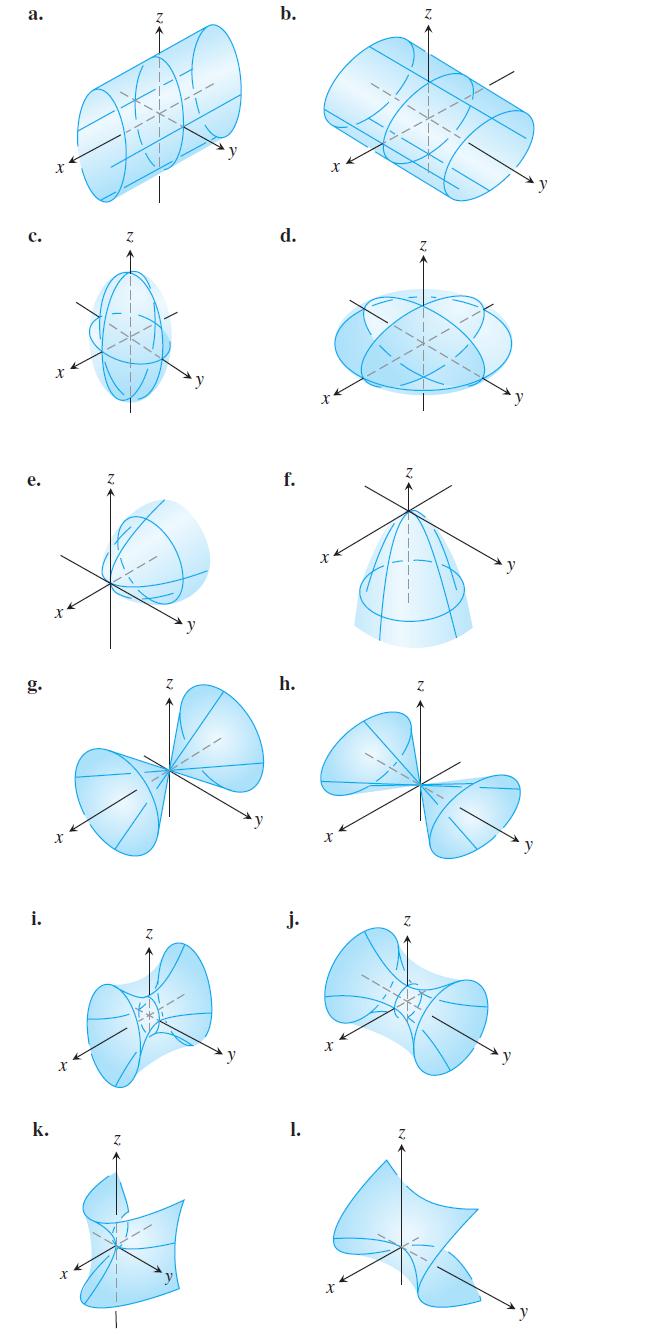
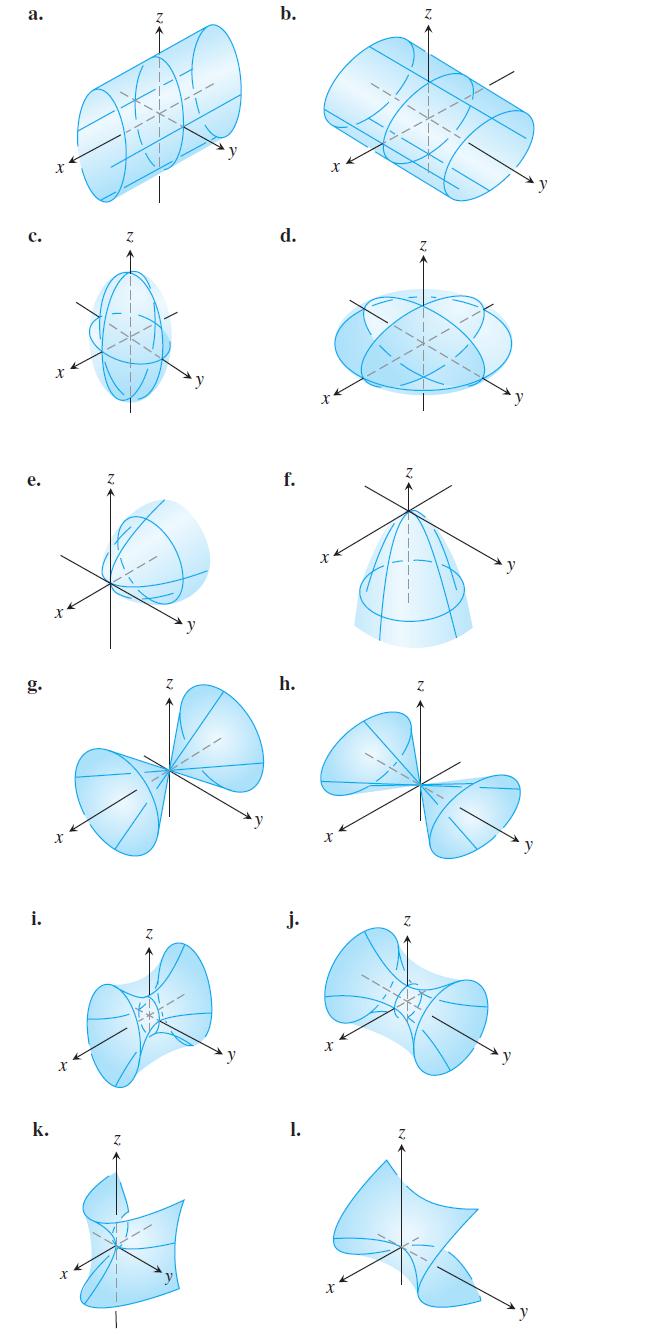
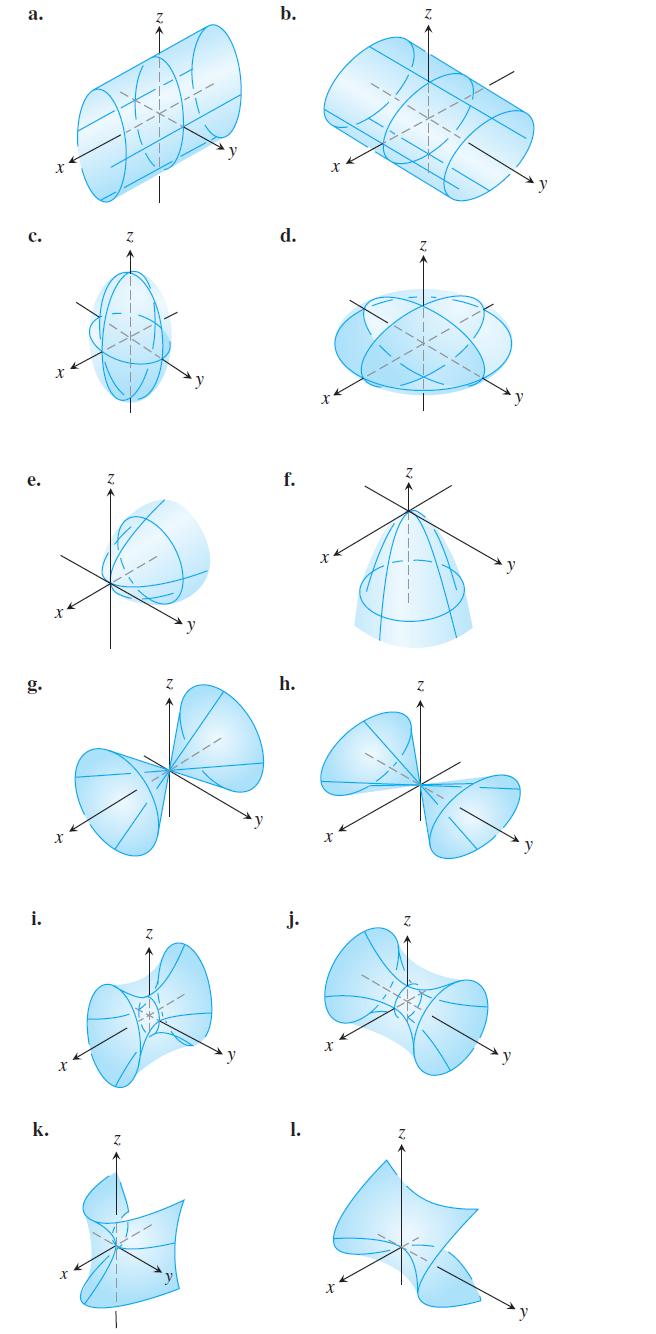
Match the equation with the surface it defines. Also, identify each surface by type (paraboloid, ellipsoid, etc.). The surfaces are labeled (a)–(1).x2 + y2 + 4z2 = 10 a. C. e. g. i. k. X X Z NE b. d. f. h. j. 1. X y
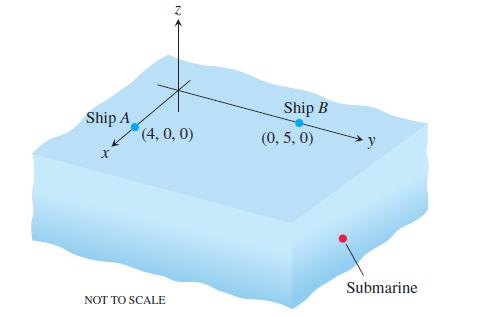
Two surface ships on maneuvers are trying to determine a submarine’s course and speed to prepare for an aircraft intercept. As shown here, ship A is located at (4, 0, 0), whereas ship B is located at (0, 5, 0). All coordinates are given in thousands of feet. Ship A locates the submarine in the
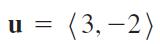
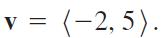
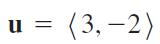
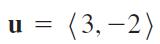
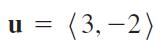
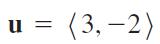
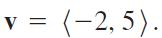
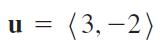
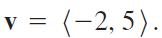
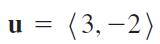
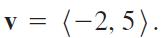
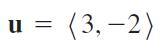
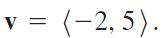
Let and Find the (a) Component form and (b) Magnitude (length) of the vector.3u u = (3,-2)
Match the equation with the surface it defines. Also, identify each surface by type (paraboloid, ellipsoid, etc.). The surfaces are labeled (a)–(1).z2 + 4y2 - 4x2 = 4 a. C. e. g. i. k. X X Z NE b. d. f. h. j. 1. X y
When do directed line segments in the plane represent the same vector?
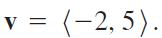
Let u = 〈-3, 4〉 and v = 〈2, -5〉. Find (a) The component form of the vector and (b) Its magnitude.3u - 4v
Give a geometric description of the set of points in space whose coordinates satisfy the given pairs of equations.x = 2, y = 3
Find the length and direction (when defined) of u * v and v * u.u = 2i - 2j - k, v = i - k
Find parametric equations for the lines..The line through the point P(3, -4, -1) parallel to the vector i + j + k
How are vectors added and subtracted geometrically? Algebraically?
Let u = 〈-3, 4〉 and v = 〈2, -5〉. Find (a) The component form of the vector and (b) Its magnitude.u + v
Give a geometric description of the set of points in space whose coordinates satisfy the given pairs of equations.x = -1, z = 0
Find the length and direction (when defined) of u * v and v * u.u = 2i + 3j, v = -i + j
Two helicopters, H1 and H2, are traveling together. At time t = 0, they separate and follow different straight-line paths given byTime t is measured in hours, and all coordinates are measured in miles. Due to system malfunctions, H2 stops its flight at (446, 13, 1) and, in a negligible amount of
Let and Find the (a) Component form and (b) Magnitude (length) of the vector.-2v u = (3,-2)
Find parametric equations for the lines.The line through P(1, 2, -1) and Q(-1, 0, 1)
Finda. v · u, |v|, |u|b. The cosine of the angle between v and uc. The scalar component of u in the direction of vd. The vector projv u. V = (3/5)i + (4/5)k, u = 5i + 12j
How do you find a vector’s magnitude and direction?
Let u = 〈-3, 4〉 and v = 〈2, -5〉. Find (a) The component form of the vector and (b) Its magnitude.-2u
Give a geometric description of the set of points in space whose coordinates satisfy the given pairs of equations.y = 0, z = 0
Find the length and direction (when defined) of u * v and v * u.u = 2i - 2j + 4k, v = -i + j - 2k
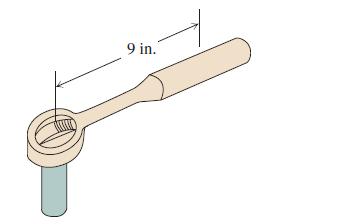
The operator’s manual for the Toro® 21-in. lawnmower says “tighten the spark plug to 15 ft-lb (20.4 N · m).” If you are installing the plug with a 10.5-in. socket wrench that places the center of your hand 9 in. from the axis of the spark plug, about how hard should you pull? Answer in
Match the equation with the surface it defines. Also, identify each surface by type (paraboloid, ellipsoid, etc.). The surfaces are labeled (a)–(1).9y2 + z2 = 16 a. C. e. g. i. k. X X Z NE b. d. f. h. j. 1. X y
Find parametric equations for the lines.The line through P(-2, 0, 3) and Q(3, 5, -2)
Let and Find the (a) Component form and (b) Magnitude (length) of the vector.u +v u = (3,-2)
Finda. v · u, |v|, |u|b. The cosine of the angle between v and uc. The scalar component of u in the direction of vd. The vector projv u. v = 10i + 11j - 2k, u = 3j + 4k
Let u = 〈-3, 4〉 and v = 〈2, -5〉. Find (a) The component form of the vector and (b) Its magnitude.5v
Find parametric equations for the lines.The line through the origin parallel to the vector 2j + k
Match the equation with the surface it defines. Also, identify each surface by type (paraboloid, ellipsoid, etc.). The surfaces are labeled (a)–(1).x = y2 - z2 a. C. e. g. i. k. X X Z NE b. d. f. h. j. 1. X y
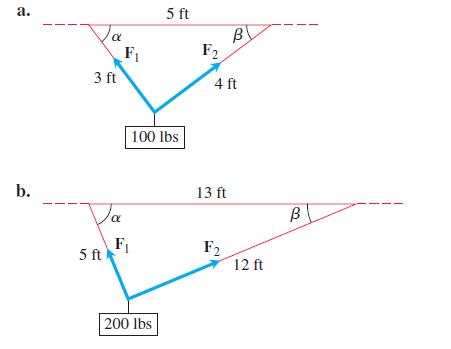
Consider the weight suspended by two wires in each diagram. Find the magnitudes and components of vectors F1 and F2, and angles α and β. a. b. Ja 3 ft Va 5 ft F₁ F₁ 5 ft 100 lbs 200 lbs F2 4 ft 13 ft B F2 12 ft B
Find the length and direction (when defined) of u * v and v * u.u = i + j - k, v = 0
If a vector is multiplied by a positive scalar, how is the result related to the original vector? What if the scalar is zero? Negative?
Give a geometric description of the set of points in space whose coordinates satisfy the given pairs of equations.x = 1, y = 0
Let and Find the (a) Component form and (b) Magnitude (length) of the vector.u - v u = (3,-2)
Finda. v · u, |v|, |u|b. The cosine of the angle between v and uc. The scalar component of u in the direction of vd. The vector projv u. 11k, u = 2i + 2j + k v = 2i + 10j - 11k,
Finda. v · u, |v|, |u|b. The cosine of the angle between v and uc. The scalar component of u in the direction of vd. The vector projv u. v = 5j - 3k, u=i+j+k
Define the dot product (scalar product) of two vectors. Which algebraic laws are satisfied by dot products? Give examples. When is the dot product of two vectors equal to zero?
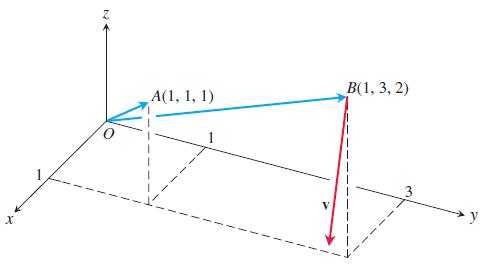
The line through the origin and the point A(1, 1, 1) is the axis of rotation of a rigid body rotating with a constant angular speed of 3 / 2 rad / sec. The rotation appears to be clockwise when we look toward the origin from A. Find the velocity v of the point of the body that is at the position
Let and Find the (a) Component form and (b) Magnitude (length) of the vector.2u - 3v u = (3,-2)
Find parametric equations for the lines.The line through P(1, 2, 0) and Q(1, 1, -1)
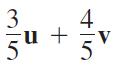
Let and Find the (a) Component form and (b) Magnitude (length) of the vector.-2u + 5v u = (3,-2)
Finda. v · u, |v|, |u|b. The cosine of the angle between v and uc. The scalar component of u in the direction of vd. The vector projv u. v = i + j, u = √2i + V3j + 2k
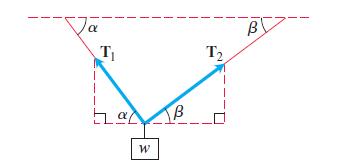
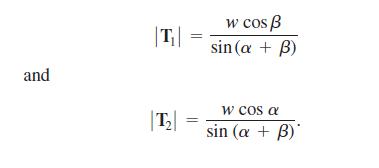
Consider a weight of w N suspended by two wires in the diagram, where T1 and T2 are force vectors directed along the wires.a. Find the vectors T1 and T2 and show that their magnitudes areb. For a fixed β determine the value of α which minimizes the magnitude |T1|.c. For a fixed α determine the
Match the equation with the surface it defines. Also, identify each surface by type (paraboloid, ellipsoid, etc.). The surfaces are labeled (a)–(1).x = -y2 - z2 a. C. e. g. i. k. X X Z NE b. d. f. h. j. 1. X y
Find the component form of the vector.The vector obtained by rotating 〈0, 1〉 through an angle of 2π/3 radians
Let and Find the (a) Component form and (b) Magnitude (length) of the vector. u = (3,-2)
Give a geometric description of the set of points in space whose coordinates satisfy the given pairs of equations.x2 + y2 = 4, z = 0
Find the length and direction (when defined) of u * v and v * u.u = 2i, v = -3j
Finda. v · u, |v|, |u|b. The cosine of the angle between v and uc. The scalar component of u in the direction of vd. The vector projv u. v = 5i + j, u = 2i + √17j
Match the equation with the surface it defines. Also, identify each surface by type (paraboloid, ellipsoid, etc.). The surfaces are labeled (a)–(1).x2 + 2z2 = 8 a. C. e. g. i. k. X X Z NE b. d. f. h. j. 1. X y
What geometric interpretation does the dot product have? Give examples.
Let and Find the (a) Component form and (b) Magnitude (length) of the vector. u = (3,-2)
Find the component form of the vector.The unit vector that makes an angle of π/6 radian with the positive x-axis
Finda. v · u, |v|, |u|b. The cosine of the angle between v and uc. The scalar component of u in the direction of vd. The vector projv u. V = - (√/2√3). V3 u = √3) √2 √3
Give a geometric description of the set of points in space whose coordinates satisfy the given pairs of equations.x2 + y2 = 4, z = -2
Find the length and direction (when defined) of u * v and v * u.u = i * j, v = j * k
Find parametric equations for the lines.The line through the point (3, -2, 1) parallel to the line x = 1 + 2t, y = 2 - t, z = 3t
Match the equation with the surface it defines. Also, identify each surface by type (paraboloid, ellipsoid, etc.). The surfaces are labeled (a)–(1).z2 + x2 - y2 = 1 a. C. e. g. i. k. X X Z NE b. d. f. h. j. 1. X y
Find the length and direction (when defined) of u * v and v * u. = || 3 i - 1⁄j + k, v = i + j + 2k
What is the vector projection of a vector u onto a vector v? Give an example of a useful application of a vector projection.
Find the component form of the vector.The vector 2 units long in the direction 4i - j
Give a geometric description of the set of points in space whose coordinates satisfy the given pairs of equations.x2 + z2 = 4, y = 0
Find the length and direction (when defined) of u * v and v * u.u = -8i - 2j - 4k, v = 2i + 2j + k
Match the equation with the surface it defines. Also, identify each surface by type (paraboloid, ellipsoid, etc.). The surfaces are labeled (a)–(1).x = z2 - y2 a. C. e. g. i. k. X X Z NE b. d. f. h. j. 1. X y
Find the angles between the vectors to the nearest hundredth of a radian. u = 2i + j, v = i + 2j - k
Find parametric equations for the lines.The line through (1, 1, 1) parallel to the z-axis
Define the cross product (vector product) of two vectors. Which algebraic laws are satisfied by cross products, and which are not? Give examples. When is the cross product of two vectors equal to zero?
Find the component form of the vector.The vector 5 units long in the direction opposite to the direction of (3/5)i + (4/5)j
Give a geometric description of the set of points in space whose coordinates satisfy the given pairs of equations.y2 + z2 = 1, x = 0
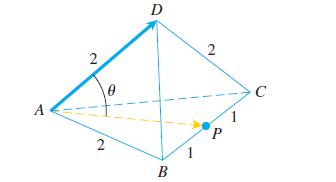
Consider a regular tetrahedron of side length 2.a. Use vectors to find the angle u formed by the base of the tetrahedron and any one of its other edges.b. Use vectors to find the angle u formed by any two adjacent faces of the tetrahedron. This angle is commonly referred to as a dihedral angle.
Find the angles between the vectors to the nearest hundredth of a radian. k, v = 3i+ 4k u = 2i − 2j + k, - 2j+
Find parametric equations for the lines.The line through (2, 4, 5) perpendicular to the plane 3x + 7y - 5z = 21
Find the component form of the vector.The vectorwhere P = (1, 3) and Q = (2, -1) PO,
What geometric or physical interpretations do cross products have? Give examples.
Showing 8500 - 8600
of 29454
First
79
80
81
82
83
84
85
86
87
88
89
90
91
92
93
Last
Step by Step Answers

 Get 50% OFF
Claim Now
Get 50% OFF
Claim Now