New Semester
Started
Get
50% OFF
Study Help!
--h --m --s
Claim Now
Question Answers
Textbooks
Find textbooks, questions and answers
Oops, something went wrong!
Change your search query and then try again
S
Books
FREE
Study Help
Expert Questions
Accounting
General Management
Mathematics
Finance
Organizational Behaviour
Law
Physics
Operating System
Management Leadership
Sociology
Programming
Marketing
Database
Computer Network
Economics
Textbooks Solutions
Accounting
Managerial Accounting
Management Leadership
Cost Accounting
Statistics
Business Law
Corporate Finance
Finance
Economics
Auditing
Tutors
Online Tutors
Find a Tutor
Hire a Tutor
Become a Tutor
AI Tutor
AI Study Planner
NEW
Sell Books
Search
Search
Sign In
Register
study help
sciences
organic chemistry
Organic Chemistry 1st edition David R. Klein - Solutions
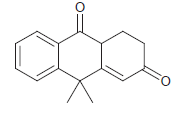
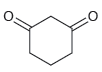
Identify what reagents you would use to make the following compound with a Robinson annulation reaction.
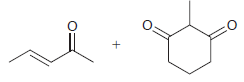
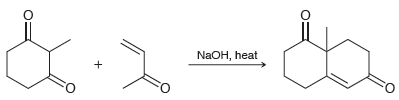
Draw the product of the Robinson annulation reaction that occurs when the following compounds are treated with aqueous sodium hydroxide.
The conjugate base of diethyl malonate can serve as a nucleophile to attack a wide range of electrophiles. Identify the product that is formed when the conjugate base of diethyl malonate reacts with each of the following electrophiles followed by acid workup.(a)(b)(c)(d)(e)(f)(g)(h) Br
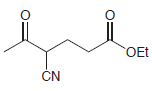
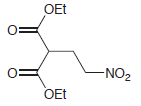
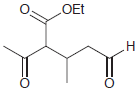
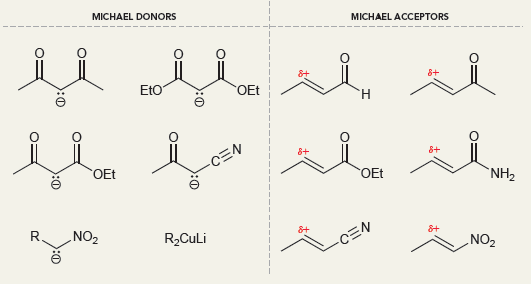
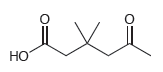
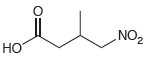
Identify the Michael donor and Michael acceptor that could be used to prepare each of the following compounds via a Michael addition.(a)(b)(c)(d)(e) OEt ČN
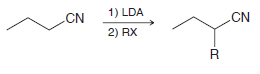
Nitriles undergo alkylation at the α position much like ketones undergo alkylation at the α position.The α position of the nitrile is first deprotonated to give a resonance- stabilized anion (like an enolate), which then functions as a nucleophile to attack
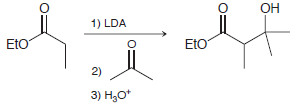
The enolate of an ester can be treated with a ketone to give a b-hydroxy ester. Draw a mechanism for this aldol- like reaction. Он 1) LDA Eto Eto 2) 3) H,O*
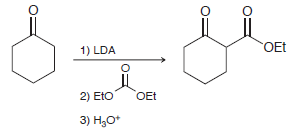
Beta-keto esters can be prepared by treating the enolate of a ketone with diethyl carbonate. Draw a plausible mechanism for this reaction. OEt 1) LDA 2) Eto OEt 3) Н,о*
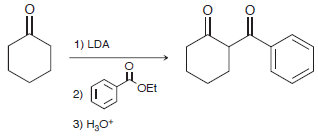
The enolate of a ketone can be treated with an ester to give a diketone. Draw a mechanism for this Claisen-like reaction, and explain why an acid source is required after the reaction is complete. 1) LDA OEt 2) 3) H3O*
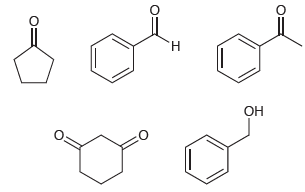
Identify the reagents you would use to convert cyclohexanone into each of the following compounds.(a)(b)(c)(d)(e)(f)(g)
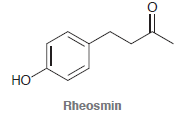
The product of an aldol condensation is an α,β unsaturated ketone which is capable of undergoing hydrogenation to yield a saturated ketone. Using this technique, identify the reagents that you would need in order to prepare rheosmin via a crossed aldol reaction. Rheosmin
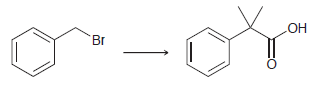
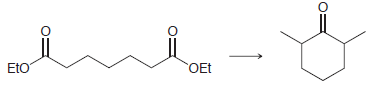
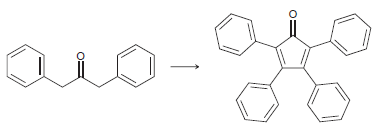
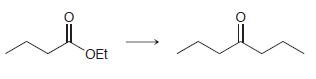
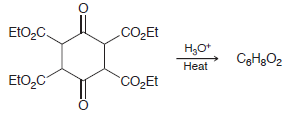
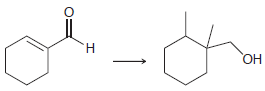
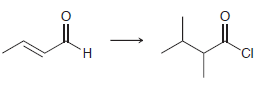
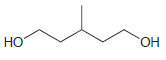
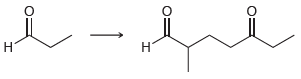
Propose an efficient synthesis for each of the following transformations.(a)(b)(c)(d) OEt EtO
Predict the major product for each of the following transformations.(a)(b)
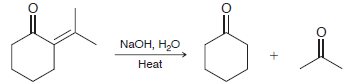
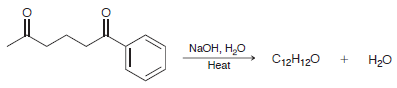
Draw a reasonable mechanism for the following transformation. NaOH, H,0 Heat
Draw the structure of the product that is obtained when acetophenone is treated with each of following reagents:(a) Sodium hydroxide and excess iodine followed by H3O+(b) Bromine in acetic acid(c) Aqueous sodium hydroxide at elevated temperature
Identify the reagents necessary to achieve each of the following transformations. OEt OEt
Identify the reagents you would use to convert 3-pentanone into 3-hexanone.
Draw the condensation product obtained when the following compound is heated in the presence of aqueous sodium hydroxide. NAOH, H,O Нао C12H120 Нeat
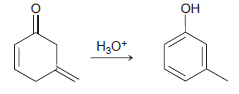
Propose a mechanism for the following transformation. ОН Нао*
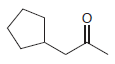
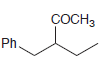
Starting with ethyl acetoacetate, and using any other reagents of your choice, show how you would prepare each of the following compounds.(a)(b)(c) ÇOCH3 Ph.
Starting with diethyl malonate, and using any other reagents of your choice, show how you would prepare each of the following compounds.(a)(b)(c) ОН ОН
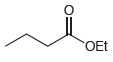
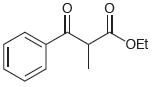
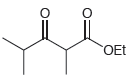
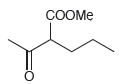
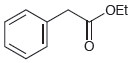
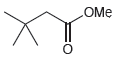
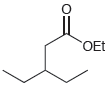
Draw the condensation product that is expected when each of the following esters is treated with sodium ethoxide followed by acid workup.(a)(b)(c) OEt OEt
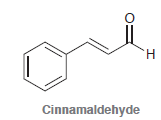
Cinnamaldehyde is one of the primary constituents of cinnamon oil and contributes significantly to the odor of cinnamon. Starting with benzaldehyde and using any other necessary reagents, show how you might prepare cinnamaldehyde. н Cinnamaldehyde
Diethyl malonate (the starting material for the malonic ester synthesis) reacts with bromine in acid-catalyzed conditions to form a product with molecular formula C7H11BrO4.(a) Draw the structure of the product.(b) Draw a mechanism of formation for the product.(c) Would you expect this product to
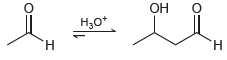
When acetaldehyde is treated with aqueous acid, an aldol reaction can occur. In other words, aldol reactions can also occur in acidic conditions, although the intermediate is different than the intermediate involved in the base-catalyzed reaction. Draw a mechanism for the acid-catalyzed process.
Identify the reagents necessary to make each of the following compounds with an aldol condensation.(a)(b)(c)(d) H.
Trimethylacetaldehyde does not undergo an aldol reaction when treated with base. Explain why not.
Draw the product obtained when each of the following compounds is heated in the presence of a base to give an aldol condensation.(a)(b)(c) H.
The isomerization in the previous problem can also occur in basic conditions. Draw a mechanism for the transformation in the presence of catalytic hydroxide.
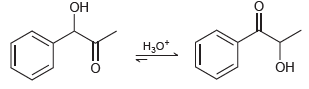
Propose a mechanism for the following isomerization, and explain the driving force behind this reaction. In other words, explain why the equilibrium favors the product. Он Н,о* ОН
Identify all of the different β-hydroxyaldehydes that are formed when a mixture of benzaldehyde and hexanal is treated with aqueous sodium hydroxide.
Draw all four β-hydroxyaldehydes that are formed when a mixture of acetaldehyde and pentanal is treated with aqueous sodium hydroxide.
The racemization process described in the previous problem also occurs in acidic conditions. Draw a mechanism for the racemization process in aqueous acid.
When optically active (S)-2-methylcyclopentanone is treated with aqueous base, the compoundloses its optical activity. Explain this observation, and draw a mechanism that shows how racemization occurs.
When 2-hepten-4-one is treated with LDA, a proton is removed from one of the gamma (γ) positions. Identify which γ position is deprotonated, and explain why the γ proton is the most acidic proton in the compound.
Draw the enolate that is formed when each of the following compounds is treated with LDA.(a)(b)(c)(d) н
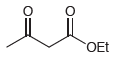
Ethyl acetoacetate has three enol isomers. Draw all three.
Draw the enol of each of the following compounds, and identify whether the enol exhibits a significant presence at equilibrium. Explain.(a)(b)(c)(d)
Rank the following compounds in terms of increasing acidity. ОН
Draw resonance structures for the conjugate base that is produced when each of the following compounds is treated with sodium ethoxide.(a)(b)(c) OEt OEt
One of the compounds from the previous problem has pKa < 10. Identify that compound, and explain why it is so much more acidic than all of the other compounds.
Identify which of the following compounds are expected to have pKa< 20. For each compound with pKa< 20, identify the most acidic proton in the compound. H. ОН
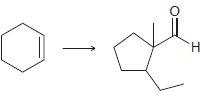
Propose an efficient synthesis for the following transformation. Take special notice of the fact that the starting material has a six-membered ring while the product has a fivemembered ring. н
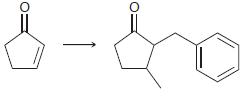
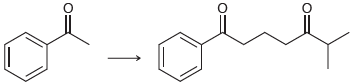
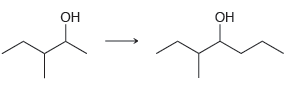
Propose an efficient synthesis for the following transformation.
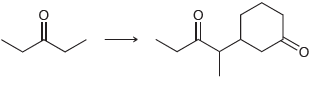
Propose an efficient synthesis for each of the following transformations:(a)(b)(c)(d)(e)(f) TH. Он
Using ethanol as your only source of carbon atoms, propose a synthesis for each of the following compounds.(a)(b) OEt .Н но НО он
Using 1-propanol as your only source of carbon, propose an efficient synthesis for each of the following compounds.(a)(b)(c) ОН ОН но но.
Using cyclopentanone as your starting material and using any other reagents of your choice, propose an efficient synthesis for each of the following compounds.(a)(b)(c) OH HO.
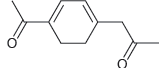
Identify the reagents you would use to prepare the following compound via a Robinson annulation. Н. 0=
Draw a complete mechanism for the following transformation. NaOH, heat
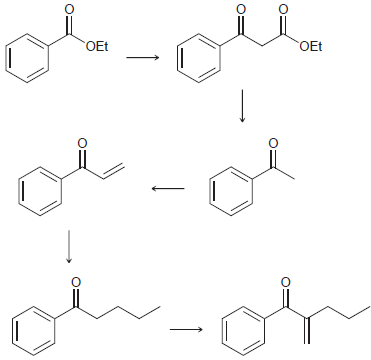
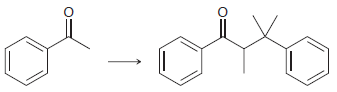
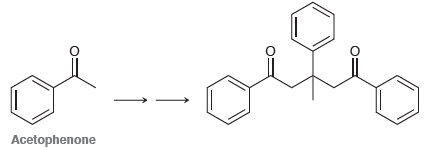
Using acetophenone as your only source of carbon atoms, propose a synthesis for the following compound. Acetophenone
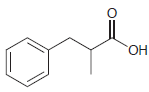
Using a Stork enamine synthesis, show how you might accomplish each of the following transformations.(a)(b)(c) H
In the previous section, we learned how to use malonic ester as a starting material in the preparation of substituted carboxylic acids (the malonic ester synthesis). That method employed a step in which the enolate of malonic ester attacked an alkyl halide to give an alkylation product. In this
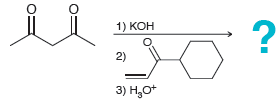
Predict the major product of the three following steps and show a mechanism for its formation. 1) КОН 2) 3) Н,о*
Identify the major product formed when each of the following compounds is treated with Et2CuLi followed by mild acid.(a)(b)(c) CN
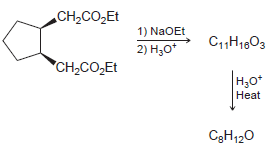
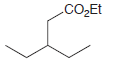
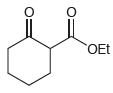
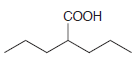
The product of a Dieckmann cyclization can undergo alkylation, hydrolysis, and decarboxylation. This sequence represents an efficient method for preparing 2-substituted cyclopentanones and cyclohexanones (below). Using this information, propose an efficient synthesis of 2 propylcyclohexanone using
The acetoacetic ester synthesis cannot be used to make 3,3-dimethyl-2-hexanone. Explain why not.
Starting with ethyl acetoacetate and using any other reagents of your choice, propose an efficient synthesis for each of the following compounds.(a)(b)(c) OH
When a malonic ester synthesis is performed using excess base and 1,4-dibromobutane as the alkyl halide, an intramolecular reaction occurs, and the product contains a ring. Draw the product of this process.
The malonic ester synthesis cannot be used to make 2,2-dimethylhexanoic acid. Explain why not.
Starting with diethyl malonate and using any other reagents of your choice, proposean efficient synthesis for each of the following compounds:(a)(b)(c) но.
Propose an efficient synthesis for each of the following compounds using the malonic ester synthesis.(a)(b)(c)(d)(e) ОН ОН
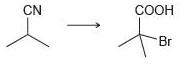
Identify the reagents you would use to achieve the following transformation: Он ОН
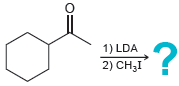
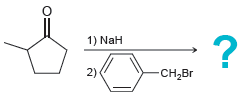
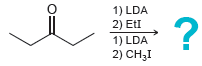
For each of the following reactions, predict the major product and propose a mechanism for its formation.(a)(b)(c) :? 1) LDA 2) CH3I 1) NaH 2) -CH,Br
When the following compound is treated with sodium ethoxide, two condensation products are obtained, both of which are produced via Dieckmann cyclizations. Draw both products. OEt Eto
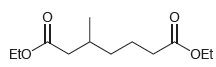
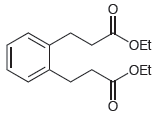
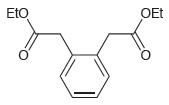
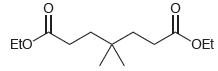
Predict the product of the Dieckmann cyclization that occurs when each of the following compounds is treated with sodium ethoxide.(a)(b)(c) OEt LOET Eto OEt
Identify the reagents that you would use to produce each of the following compounds using a Claisen condensation.(a)(b)(c)(d)(e) OEt OEt
Predict the major product obtained when each of the following compounds undergoes a Claisen condensation.(a)(b)(c) OEt OMę
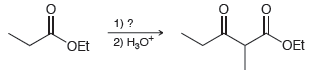
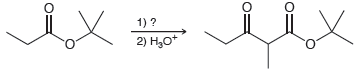
Identify the base you would use for each of the following transformations.(a)(b) 1) ? 2) Н,о OEt OEt 1) ? 2) H,o*
When 2,6-heptanedione is heated in the presence of aqueous sodium hydroxide, a condensation product with a six-membered ring is obtained. Draw the product and show a mechanism for its formation.
The reaction in the previous problem is an equilibrium process. Draw a mechanism of the reverse process. That is, draw a mechanism showing conversion of the conjugated, cyclic enone into the acyclic dione.
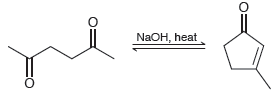
Draw a mechanism for the following transformation: NaOH, heat
Using formaldehyde and acetaldehyde as your only sources of carbon atoms, show how you could make each of the following compounds. You may find it helpful to review acetal formation.(a)(b)(c)(d) O.
Identify the reagents necessary to produce each of the following compounds via an aldol reaction.(a)(b)(c)(d)(e) он ОН ОН
When 2-butanone is heated in the presence of aqueous sodium hydroxide, two constitutionally isomeric condensation products are obtained. Draw both products.
Identify the starting aldehyde or ketone needed to make each of the following compounds via an aldol condensation.(a)(b)(c) СНО
Draw the condensation product obtained when each of the following compounds is heated in the presence of aqueous sodium hydroxide.(a)(b)(c)(d)(e)(f) H. エ
Using acetaldehyde as your only source of carbon, show how you would prepare 1,3-butanediol.
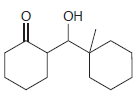
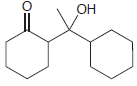
An alcohol of molecular formula C4H10O was treated with PCC to produce an aldehyde that exhibits exactly three signals in its 1H NMR spectrum. Predict the aldol addition product that is obtained when this aldehyde is treated with aqueous sodium hydroxide.
When treated with aqueous sodium hydroxide, 2,2-dimethylbutanal does not undergo an aldol addition reaction. Explain this observation.
When each of the following ketones is treated with aqueous sodium hydroxide, the aldol product is obtained in poor yields. In these cases, special distillation techniques are used to increase the yield of aldol product. In each case, predict the aldol addition product that is obtained, and propose
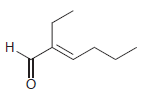
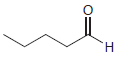
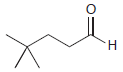
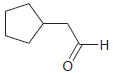
Predict the major product obtained when each of the following aldehydes is treated with aqueous sodium hydroxide:(a)(b)(c)(d) H. H.
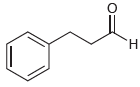
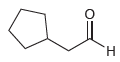
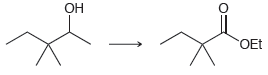
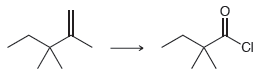
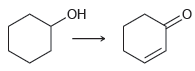
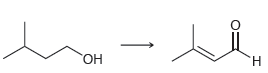
Identify the reagents that you would use to accomplish each of the following transformations (you will need to use reactions from previous chapters).(a)(b)(c)(d) ОН OEt CI
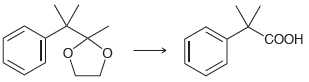
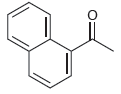
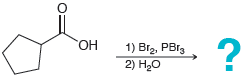
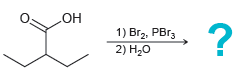
Predict the major product obtained when each of the following compounds is treated with bromine (Br2) together with sodium hydroxide (NaOH) followed by aqueous acid (H3O+).(a)(b)(c)
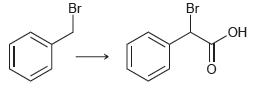
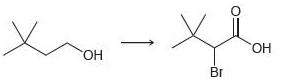
Identify the reagents that you would use to accomplish each of the following transformations (you will also need to use reactions from previous chapters).(a)(b)(c) Br Br OH
Predict the major product for each of the following transformations:(a)
Identify the reagents that you would use to accomplish each of the following transformations:(a)(b) Он но ОН H.
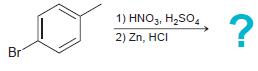
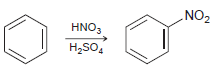
Predict the product(s) of the following reactions:(a)(b)(c)(d) 1) HNO3, H,SO, 2) Zn, HCI Br
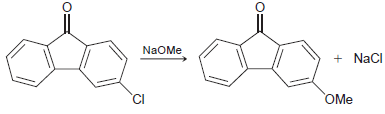
Propose a plausible mechanism for the following transformation: NaOMe + Nacl OMe CI
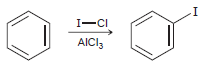
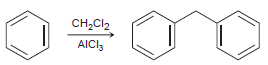
Propose a plausible mechanism for each of the following transformations:(a)(b) I-CI AICI3 CH,Cl, AICI,
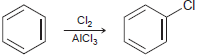
Draw a mechanism for each of the following transformations:(a)(b)(c)(d)(e) CI Cl2 AICI3 NO2 HNO, H,SO,
When benzene is treated with 2-methylpropene and sulfuric acid, the product obtained is tert butylbenzene. Propose a mechanism for this transformation.
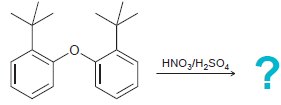
When the following compound is treated with a mixture of nitric and sulfuric acid at 50°C, nitration occurs to afford a compound with two nitro groups. Draw the structure of this product: HNO3/H,SO.
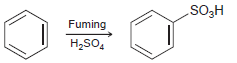
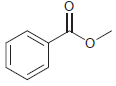
Predict the major product obtained when each of the following compounds is treated with bromine in the presence of iron tribromide.(a) Bromobenzene(b) Nitrobenzene(c) ortho-Xylene(d) tert-Butylbenzene(e) Benzenesulfonic acid(f) Benzoic acid(g) Benzaldehyde(h) ortho-Dibromobenzene(i)
Predict the product(s) obtained when each of the following compounds is treated with chloromethane and aluminum trichloride. Some of the compounds might be unreactive. For those that are reactive, assume that conditions are controlled to favor monoalkylation.(a)(b)(c)(d)(e)(f)(g)(h) .CI
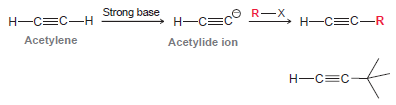
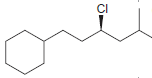
In Chapter 10, we will see that an acetylide ion (formed by treatment of acetylene with a strong base) can serve as a nucleophile in an SN2 reaction:This reaction provides a useful method for making a variety of substituted alkynes. Determine whether this process can be used to make the following
Identify the configuration of each chirality center in the following compounds:a.b.c.d.e.f.g.h.i. Et OH Me NH2
For each pair of compounds, identify which compound is more acidic and explain your choice.(a) 2,4-Dimethyl-3,5-heptanedione or 4,4-Dimethyl-3,5-heptanedione(b) 1,2-Cyclopentanedione or 1,3-cyclopentanedione(c) Acetophenone or benzaldehyde
When the following compound is treated with sodium ethoxide, nearly all of it is converted into an enolate. Draw the resonance structures of the enolate that is formed, and explain why enolate formation is nearly complete despite the use of ethoxide rather than LDA.
Draw the enolate ion that is formed when each of the following compounds is treated with sodium ethoxide. In each case, draw all resonance structures of the enolate ion, and predict whether a substantial amount of ketone will be present together with the enolate at equilibrium.(a)(b)(c)(d)
When 2-methylcyclohexanone is treated with a strong base, two different enolates are formed. Draw both of them.
Showing 1400 - 1500
of 2904
First
8
9
10
11
12
13
14
15
16
17
18
19
20
21
22
Last
Step by Step Answers

 Get 50% OFF
Claim Now
Get 50% OFF
Claim Now