New Semester
Started
Get
50% OFF
Study Help!
--h --m --s
Claim Now
Question Answers
Textbooks
Find textbooks, questions and answers
Oops, something went wrong!
Change your search query and then try again
S
Books
FREE
Study Help
Expert Questions
Accounting
General Management
Mathematics
Finance
Organizational Behaviour
Law
Physics
Operating System
Management Leadership
Sociology
Programming
Marketing
Database
Computer Network
Economics
Textbooks Solutions
Accounting
Managerial Accounting
Management Leadership
Cost Accounting
Statistics
Business Law
Corporate Finance
Finance
Economics
Auditing
Tutors
Online Tutors
Find a Tutor
Hire a Tutor
Become a Tutor
AI Tutor
AI Study Planner
NEW
Sell Books
Search
Search
Sign In
Register
study help
sciences
organic chemistry
Organic Chemistry structure and function 6th edition K. Peter C. Vollhardt, Neil E. Schore - Solutions
The proton decoupled 13C NMR spectrum of pyridine will display how many peaks? (a) One; (b) Two; (c) Three;(d) Four; (e) Five.
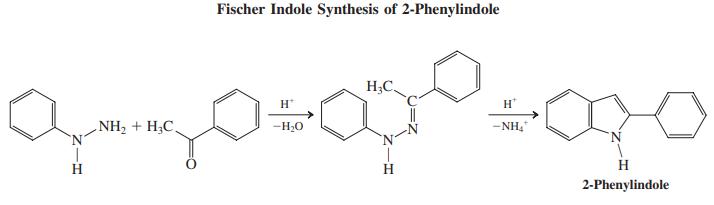
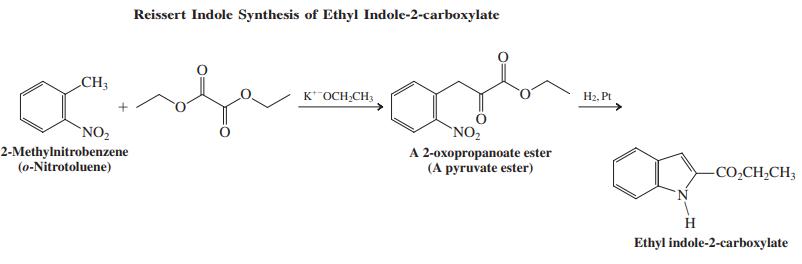
This problem introduces two literature syntheses of indole derivatives, and you are asked to come up with plausible mechanisms for them. Divide your team in two, each group concentrating on one of the methods. In this procedure, a hydrazone of an enolizable aldehyde or ketone is heated in
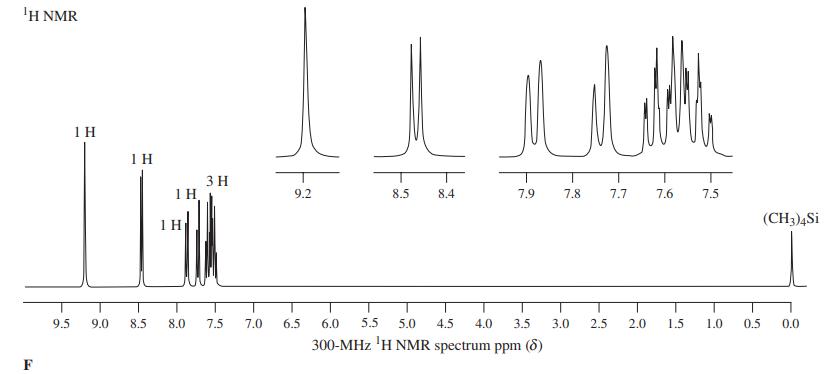
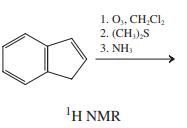
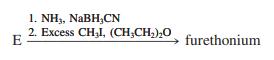
The sequence in the margin is a rapid synthesis of one of the heterocycles in this chapter. Draw the structure of the product, which has 1H NMR spectrum F. 'H NMR 1 H 1 H 3 H 1H. 9.2 8.5 8.4 7.9 7.8 7.7 7.6 7.5 (CH3)4Si 1H 9.5 9.0 8.5 8.0 7.5 7.0 6.5 6.0 5.5 5.0 4.5 4.0 3.5 3.0 2.5 2.0 1.5
Treatment of a 3-acylindole with LiAlH4 in (CH3CH2)2O reduces the carbonyl all the way to a CH2 group. Explain by a plausible mechanism. CR Excess LIAIH, (CH,CH,),0, A CH,R OH LIAIH, (Compare CR -C-R) H H
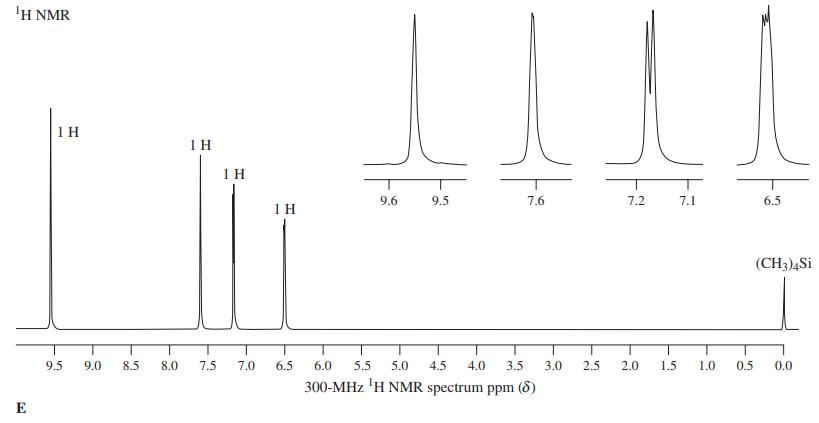
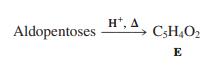
The commercial synthesis of a useful heterocyclic derivative requires treatment of a mixture of aldopentoses (derived from corncobs, straw, etc.) with hot acid under dehydrating conditions. The product, E, has 1H NMR spectrum E, shows a strong IR band at 1670 cm-1, and is formed in nearly
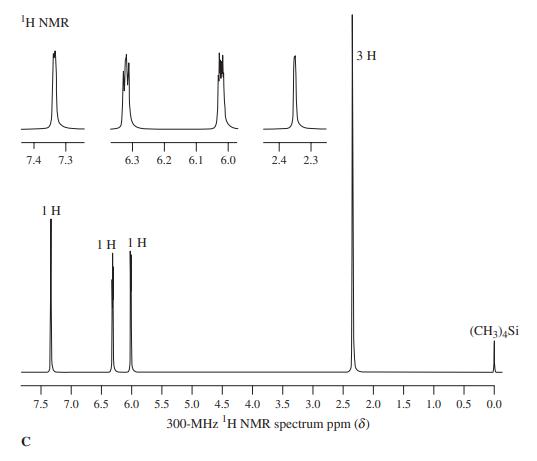
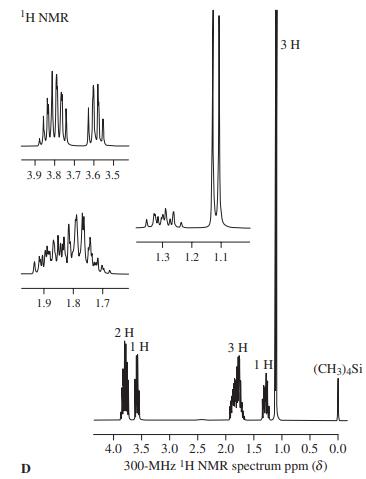
Heterocycle C, C5H6O, exhibits 1H NMR spectrum C and is converted by H2 and Raney nickel into compound D, C5H10O, with spectrum D. Identify compounds C and D. (Note: The coupling constants of the compounds in this problem and the next one are rather small; they are therefore not nearly as useful in
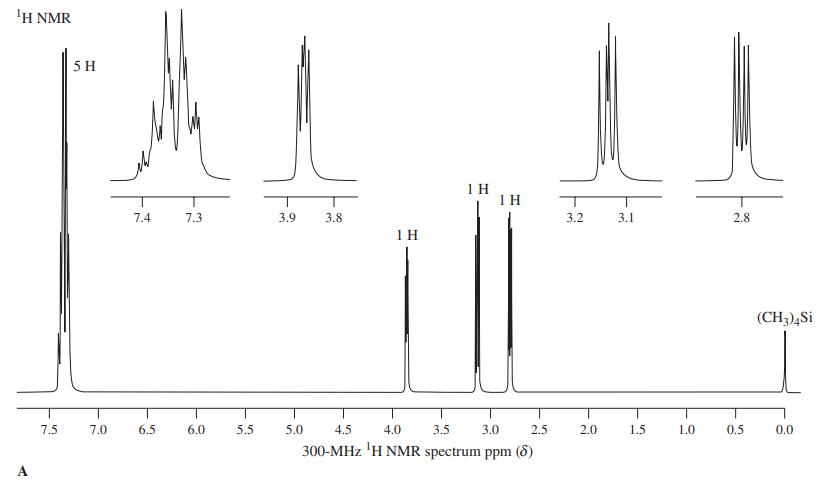
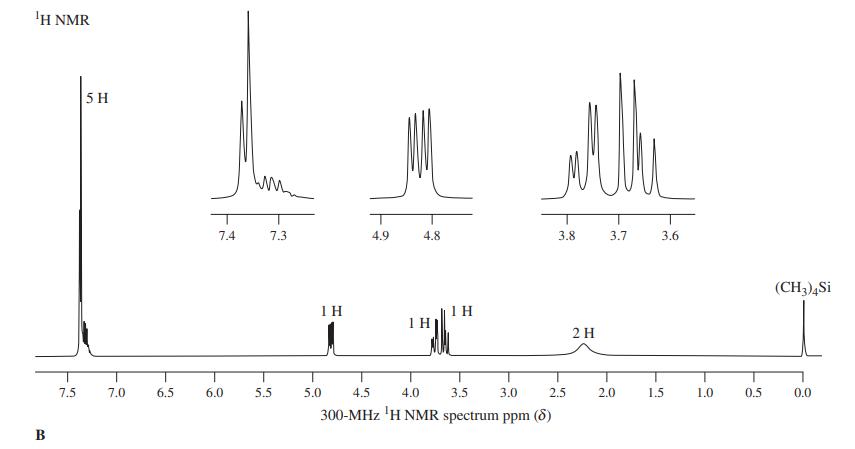
Compound A, C8H8O, exhibits 1H NMR spectrum A. Upon treatment with concentrated aqueous HCl, it is converted almost instantaneously into a compound that exhibits spectrum B. What is compound A, and what is the product of its treatment with aqueous acid? 'H NMR 5 H 1 H 1 H 7.4 7.3 3.9 3.8 3.2
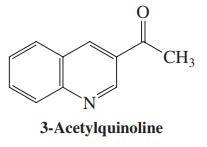
At which position(s) do you expect 3-acetylquinoline (margin) to undergo nitration in the presence of a mixture of sulfuric and fuming nitric acids? Will this reaction be faster or slower than nitration of quinoline itself? CH3 'N' 3-Acetylquinoline
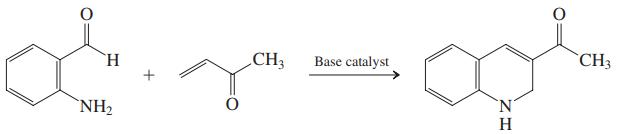
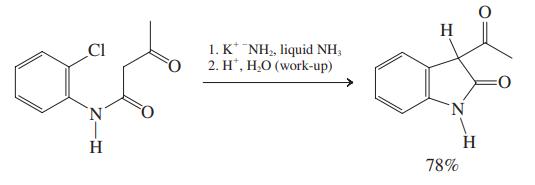
Quinolines are heterocycles that are widely used in medicinal chemistry because of the diversity of biological activity — including anticancer utility — that their derivatives display. A short synthesis of 3-acyldihydroquinolines (which may be converted into 3-acylquinolines by mild oxidation)
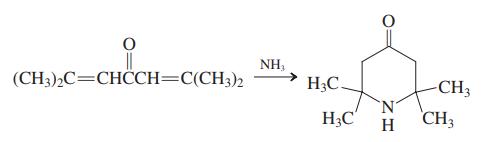
Azacyclohexanes (piperidines) can be synthesized by reaction of ammonia with cross-conjugated dienones: ketones conjugated on both sides with double bonds. Propose a mechanism for the following synthesis of 2,2,6,6-tetramethylaza-4-cyclohexanone. NH, (CH3),C=CHÖCH=C(CH3)2 H3C. CH3 N. H3C'
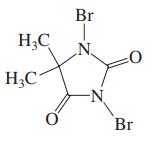
(a) The compound shown in the margin, with the common name 1,3-dibromo-5,5-dimethylhydantoin, is useful as a source of electrophilic bromine (Br+) for addition reactions. Give a more systematic name for this heterocyclic compound. (b) An even more remarkable heterocyclic compound (ii) is
The Darzens condensation is one of the older methods (1904) for the synthesis of three-membered heterocycles. It is most commonly the reaction of a 2-halo ester with a carbonyl derivative in the presence of base. The following examples of the Darzens condensation show how it is applied to the
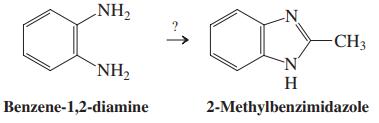
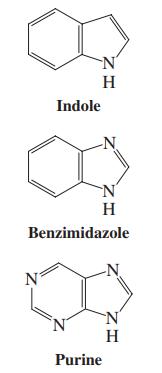
Derivatives of benzimidazole possess biological activity somewhat like that of indoles and purines. Benzimidazoles are commonly prepared from benzene-1,2-diamine. Devise a short synthesis of 2-methylbenzimidazole from benzene-1,2-diamine. NH2 N -CH3 N' NH2 H Benzene-1,2-diamine
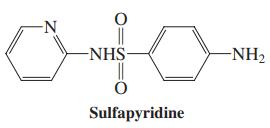
Starting with benzenamine (aniline) and pyridine, propose a synthesis for the antimicrobial sulfa drug sulfapyridine. -N -NHS- -NH2 Sulfapyridine
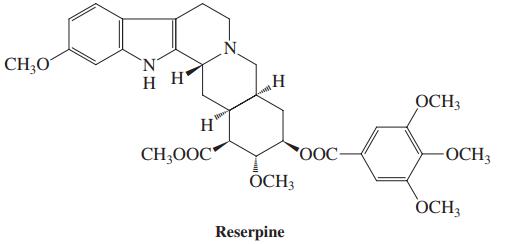
Reserpine is a naturally occurring indole alkaloid with powerful tranquilizing and antihypertensive activity. Many such compounds possess a characteristic structural feature: one nitrogen atom at a ring fusion separated by two carbons from another nitrogen atom. A series of compounds with
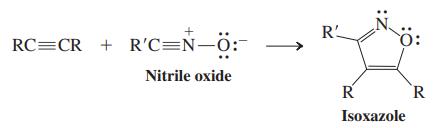
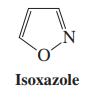
Isoxazoles (Problem 36) have taken on increased significance as synthetic targets, because they are found in the structures of some recently discovered naturally occurring molecules that show promise as antibiotics (see Chemical Highlight 20-2). Isoxazoles may be prepared by reaction of alkynes
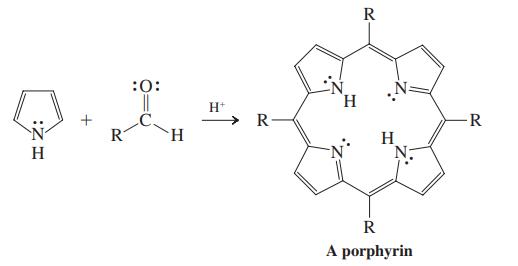
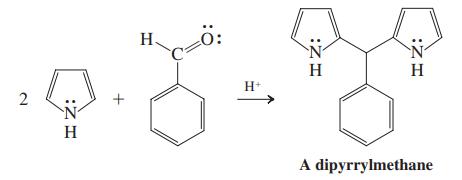
Porphyrins are polyheterocyclic constituents of hemoglobin and myoglobin, the molecules that transport molecular oxygen in living systems, of the cytochromes, which also play central roles in biological redox processes, and of chlorophyll (Chemical Highlight 24-2), which mediates photosynthesis in
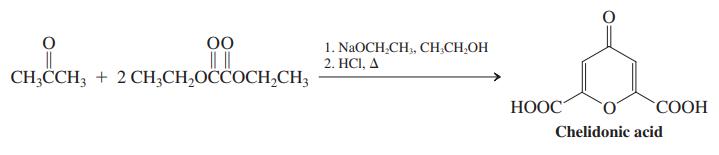
Chelidonic acid, a 4-oxacyclohexanone (common name, g-pyrone), is found in a number of plants and is synthesized from acetone and diethyl ethanedioate. Formulate a mechanism for this transformation.
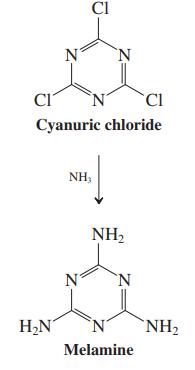
Melamine, or 2,4,6-triaminotriazine, is a toxic heterocyclic compound that has been implicated in the illnesses and deaths of both house pets and humans who ingested melamine-contaminated food. As its formula shows, melamine has a very high nitrogen content. Proteins (Chapter 26) are the main
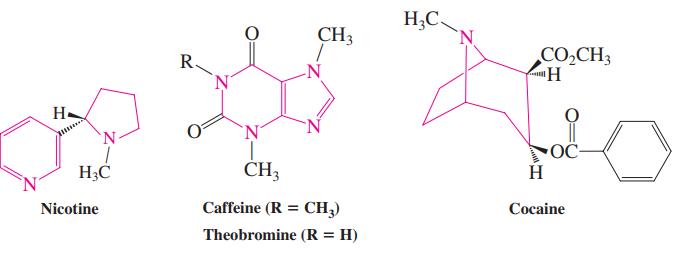
The structures of caffeine, the principal stimulant in coffee, and theobromine, its close relative in chocolate, are given in Section 25-8. Propose an efficient synthetic method to convert theobromine into caffeine. H;C CH3 R. CO,CH3 N H- `N `N' OČ- H H;C CH3 Nicotine Caffeine (R = CH3)
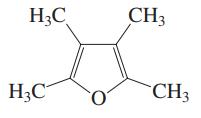
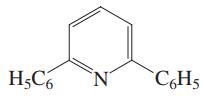
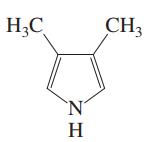
Propose a synthesis of each of the following substituted heterocycles, using synthetic sequences presented in this chapter. (a)(b)(c)(d) H3C CH3 H3C CH3
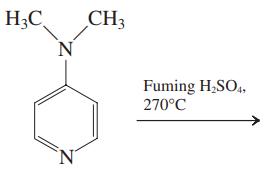
Give the products expected of each of the following reactions. (a)(b)(c)(d)(e) H3C CH3 Fuming H,SO,, 270°C
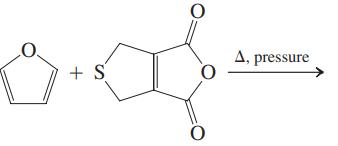
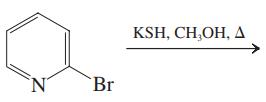
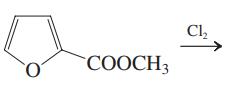
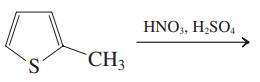
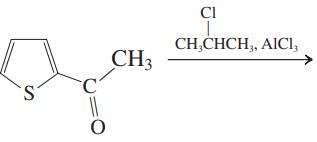
Give the expected major product(s) of each of the following reactions. Explain how you chose the position of substitution in each case. (a)(b)(c)(d)(e) Cl, СООCH}
1-Hetero-2,4-cyclopentadienes can be prepared by condensation of an α-dicarbonyl compound and certain heteroatom-containing diesters. Propose a mechanism for the following pyrrole synthesis.How would you use a similar approach to synthesize 2,5-thiophenedicarboxylic acid? H,C6, C,H5 00 NaOCH,
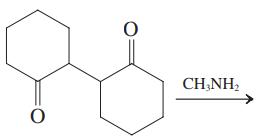
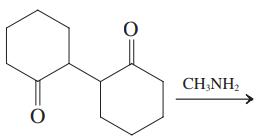
Give the product of each of the following reactions. (a)(b) Ο CH,NH2 ο
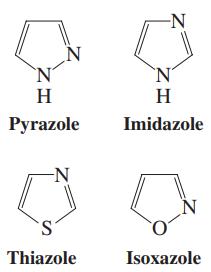
Each of the heterocyclopentadienes in the margin contains more than one heteroatom. For each one, identify the orbitals occupied by all lone electron pairs on the heteroatoms and determine whether the molecule qualifies as aromatic. Are any of these heterocycles a stronger base than pyrrole?
Rank the following compounds in increasing order of basicity: water, hydroxide, pyridine, pyrrole, ammonia.
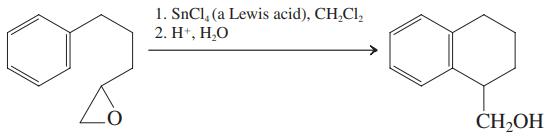
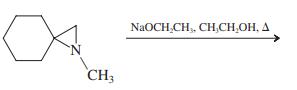
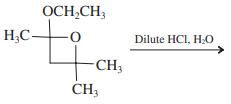
Propose reasonable mechanisms for the following transformations. (a)(b)(c) 1. SnCl, (a Lewis acid), CH,CI, 2. H', Н.О ČH,OH
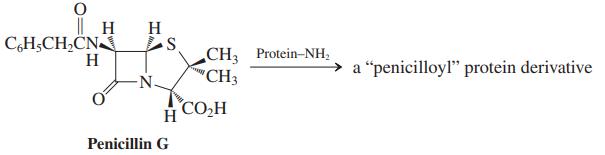
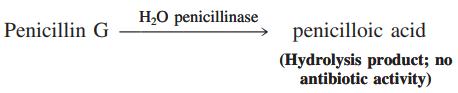
The penicillins are a class of antibiotics containing two heterocyclic rings that interfere with the construction of cell walls by bacteria (Chemical Highlight 20-2). The interference results from reaction of the penicillin with an amino group of a protein that closes gaps that develop during
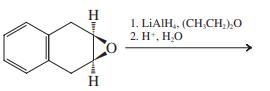
Give the expected product of each of the following reaction sequences. (a)(b)(c) H 1. LIAIH,, (CH,CH,),O 2. H., Н.О H
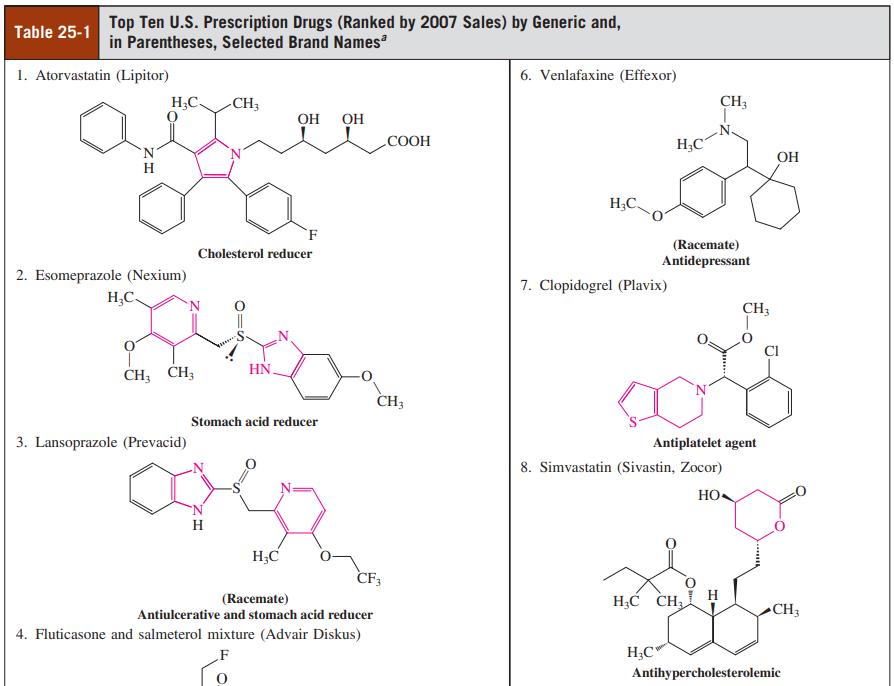
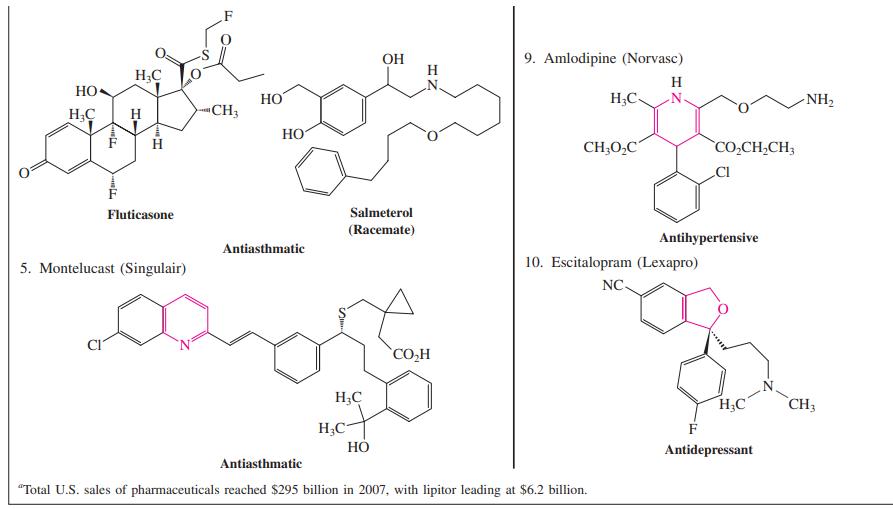
Identify by name (either IUPAC or common) as many of the heterocyclic rings contained in the structures shown in Table 25-1 as you can. Top Ten U.S. Prescription Drugs (Ranked by 2007 Sales) by Generic and, in Parentheses, Selected Brand Names Table 25-1 1. Atorvastatin (Lipitor) 6.
Identify by name (either IUPAC or common) as many of the heterocyclic rings contained in the structures shown in Table 25-1 as you can. Top Ten U.S. Prescription Drugs (Ranked by 2007 Sales) by Generic and, in Parentheses, Selected Brand Names Table 25-1 1. Atorvastatin (Lipitor) 6.
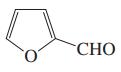
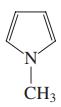
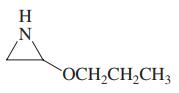
Name or draw the following compounds. (a) cis-2,3-Diphenyloxacyclopropane; (b) 3-azacyclobutanone; (c) 1,3-oxathiacyclopentane; (d) 2-butanoyl-1,3-dithiacyclohexane; (a)(b)(c)(d) СНО
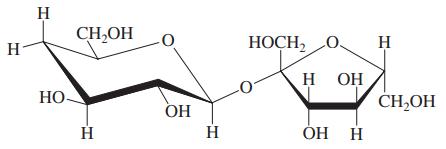
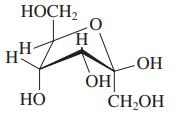
One of the statements below is correct about the sugar shown. Which one? (a) It is a nonreducing sugar. (b) It forms an osazone. (c) It exists in two anomeric forms. (d) It undergoes mutarotation. H CH,OH HOCH, O H H H OH НО- CH,OH ОН H ОН Н
The methyl glycoside of mannose is made by treating the sugar with (a) AlBr3, CH3Br; (b) Dilute aqueous CH3OH; (c) CH3OCH3 and LiAlH4; (d) CH3OH, HCl; (e) Oxacyclopropane, AlCl3
The methyl glycoside of mannose is made by treating the sugar with (a) AlBr3, CH3Br; (b) Dilute aqueous CH3OH; (c) CH3OCH3 and LiAlH4; (d) CH3OH, HCl; (e) oxacyclopropane, AlCl3
Which one of the following statements is true about the oxacyclohexane conformer of the sugar β-D-(1)-glucopyranose? (a) One OH group is axial, but all remaining substituents are equatorial. (b) The CH2OH group is axial, but all remaining groups are equatorial. (c) All groups are
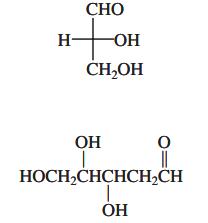
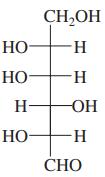
What kind of sugar is the compound shown in the margin? (a) An aldopentose; (b) A ketopentose; (c) An aldohexose; (d) A ketohexose СНО H- OH CH,OH OH НОСН-СНCHCH-CH ОН
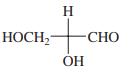
Most natural sugars have a stereocenter that is identical to that in (R)-2,3-dihydroxypropanal, shown as a Fischer projection in the margin. What is the (very popular) common name for this compound? (a) D-(+)-Glyceraldehyde; (b) D-(-)-glyceraldehyde; (c)
This problem is meant to encourage you to think as a team about how you might establish the structure of a simple disaccharide, with some additional information at your disposal. Consider d-lactose (Section 24-11) and assume you do not know its structure. You are given the knowledge that it is a
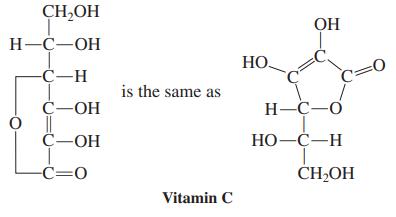
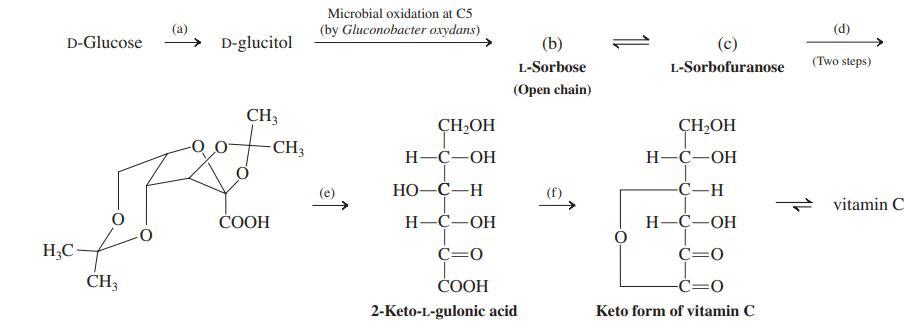
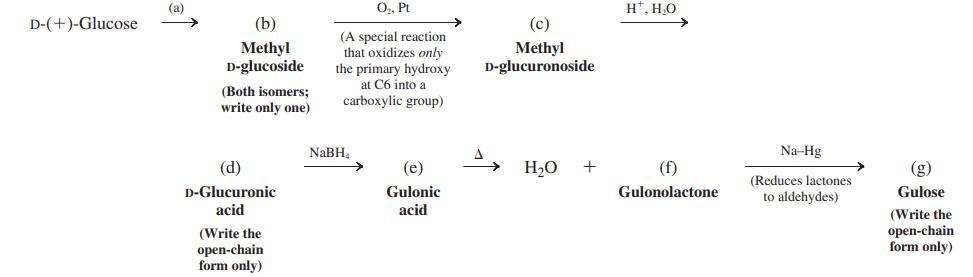
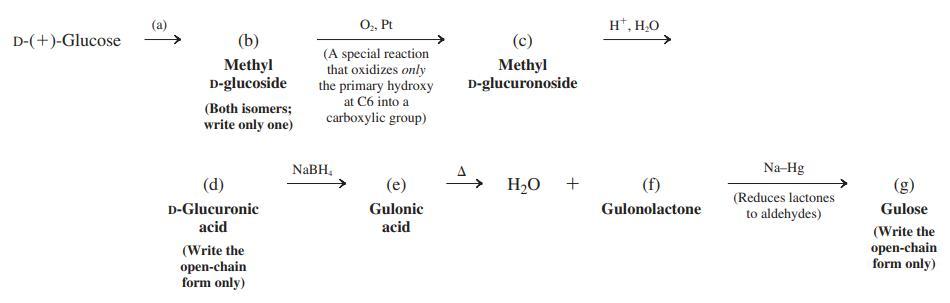
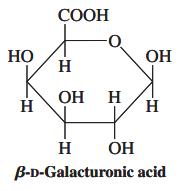
Vitamin C is present almost universally in the plant and animal kingdoms. (According to Linus Pauling, mountain goats biosynthesize from 12 to 14 g of it per day.) Animals produce it from D-glucose in the liver by the four-step sequence D-glucose → D-glucuronic acid (see Problem 62) →
Vitamin C is present almost universally in the plant and animal kingdoms. (According to Linus Pauling, mountain goats biosynthesize from 12 to 14 g of it per day.) Animals produce it from D-glucose in the liver by the four-step sequence D-glucose → D-glucuronic acid (see Problem 62) →
Fischer’s solution to the problem of sugar structures was actually much more difficult to achieve experimentally than implies. For one thing, the only sugars that he could readily obtain from natural sources were glucose, mannose, and arabinose. (Erythrose and threose were, in fact, not then
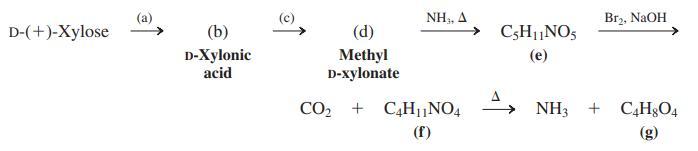
Write or draw the missing reagents and structures (a) through (g). What is the common name of (g)? The preceding sequence (called the Weerman degradation) achieves the same end as what procedure described in this chapter? NH,, A Brz, NaOH D-(+)-Xylose (b) (d) C3H1|NOs -> D-Xylonic acid Methyl
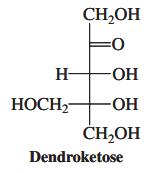
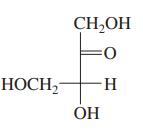
(a) A mixture of (R)-2,3-dihydroxypropanal (D-glyceraldehyde) and 1,3-dihydroxyacetone that is treated with aqueous NaOH rapidly yields a mixture of three sugars: D-fructose, D-sorbose, and racemic dendroketose (only one enantiomer is shown here). Explain this result by means of a detailed
Glucose reacts with ammonia in the presence of a trace of acid to give predominantly β-D- glucopyranosylamine. Propose a reasonable mechanism for this transformation. Why is only the hydroxy group at C1 replaced?
The disaccharide at the terminus of the oligosaccharide attached to the surface of type B red blood cells is an α-D-galactopyranosyl-β-D-galactopyranose. The linkage is an acetal from C1 of the first galactose to the C3 hydroxy group of the second. In other words, the full name is
Identify and, using the information in Sections 24-1 and 24-11, provide names for the carbohydrates that are contained in the structure of stevioside.
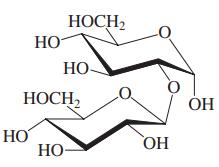
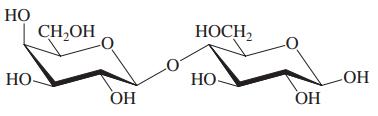
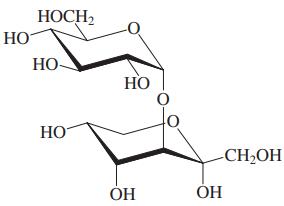
Trehalose, sophorose, and turanose are disaccharides. Trehalose is found in the cocoons of some insects, sophorose turns up in a few bean varieties, and turanose is an ingredient in low-grade honey made by bees with indigestion from a diet of pine tree sap. Identify among the following structures
Is α-lactose capable of mutarotation? Write an equation to illustrate your answer.
Classify each of the following sugars and sugar derivatives as either reducing or nonreducing. (a) D-Glyceraldehyde; (b) D-arabinose; (c) β-D-arabinopyranose 3,4-acetone acetal; (d) β-D-darabinopyranose acetone diacetal; (e) D-ribulose; (f) D-galactose; (g)
(a) Write a detailed mechanism for the isomerization of β-D-fructofuranose from the hydrolysis of sucrose into an equilibrium mixture of the β-pyranose and β-furanose forms. (b) Although fructose usually appears as a furanose when it is part of a polysaccharide, in the pure crystalline
Illustrate the results of chain elongation of D-talose through a cyanohydrin. How many products are formed? Draw them. After treatment with warm HNO3, does the product(s) give optically active or inactive dicarboxylic acids?
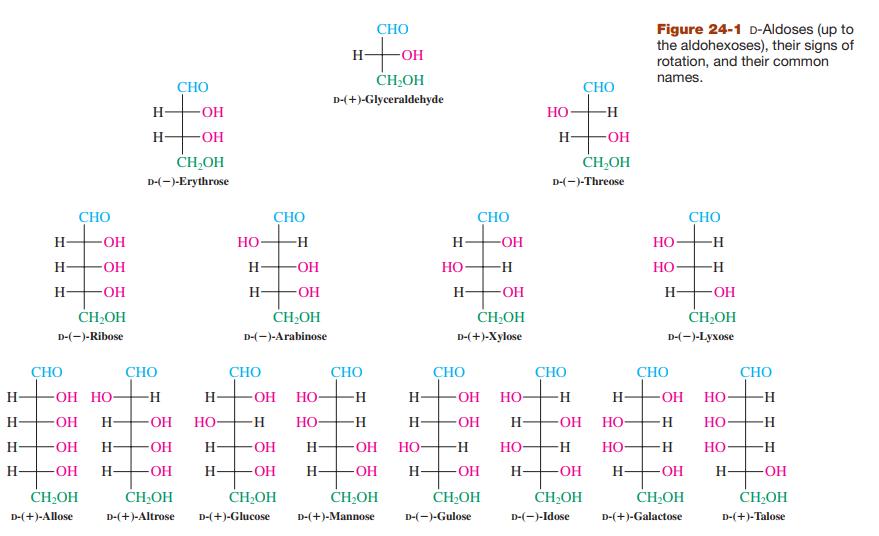
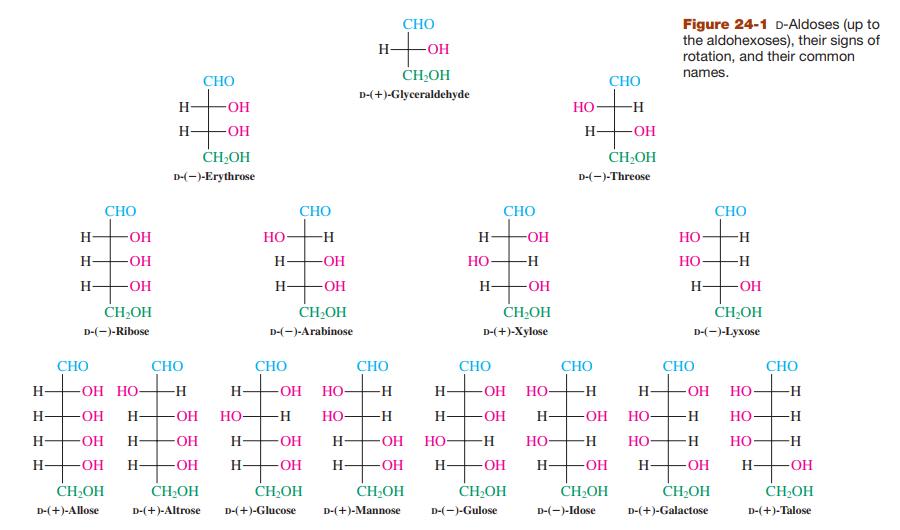
In each of the following groups of three d aldoses, identify the two that give the same product upon Ruff degradation. (a) Galactose, gulose, talose; (b) Glucose, gulose, idose; (c) Allose, altrose, mannose.
Is it possible for two different diastereomeric aldoses to give the same product upon KilianiFischer chain elongation? Why or why not?
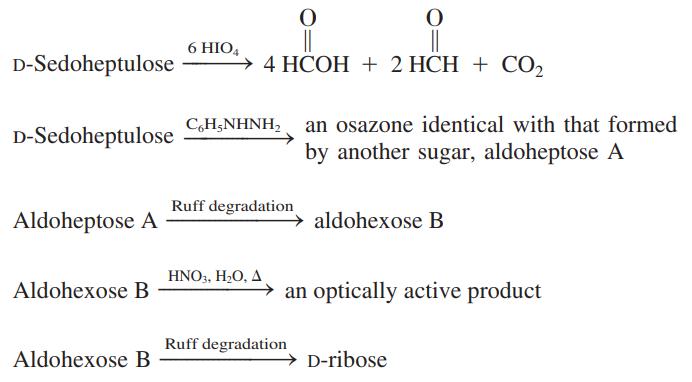
D -Sedoheptulose is a sugar intermediate in a metabolic cycle (the pentose oxidation cycle) that ultimately converts glucose into 2,3-dihydroxypropanal (glyceraldehyde) plus three equivalents of CO2. Determine the structure of D-sedoheptulose from the following information. 6 HIO,
Of the four aldopentoses, two form diacetals readily when treated with excess acidic acetone, but the other two form only monoacetals. Explain.
(a) Explain why the oxygen at C1 of an aldopyranose can be methylated so much more easily than the other oxygens in the molecule. (b) Explain why the methyl ether unit at C1 of a fully methylated aldopyranose can be hydrolyzed so much more easily than the other methyl ether functions in the
Which of the following glucoses and glucose derivatives are capable of undergoing mutarotation? (a) α-D-Glucopyranose; (b) methyl α-D-glucopyranoside; (c) methyl a-2,3,4,6-tetra-O-methyl-D-glucopyranoside (i.e., the tetramethyl ether at carbon 2, 3, 4, and 6); (d)
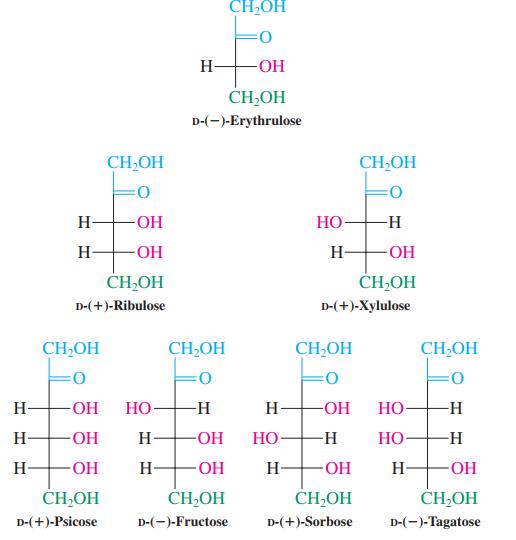
(a) Which of the aldopentoses (Figure 24-1) would give optically active alditols upon reduction with NaBH4? (b) Using d-fructose, illustrate the results of NaBH4 reduction of a ketose. Is the situation more complicated than reduction of an aldose? Explain. Figure 24-1 CHO Figure 24-1
Draw the Fischer projection of an aldohexose that will give the same osazone as (a) D-(-)-idose (b) L-(+)-altrose.
Write the expected products of the reaction of each of the following sugars with (i) Br2, H2O; (ii) HNO3, H2O, 60°C; (iii) NaBH4, CH3OH; and (iv) excess C6H5NHNH2, CH3CH2OH, Δ. Find the common names of all the products. (a) D-(-)-Threose; (b)
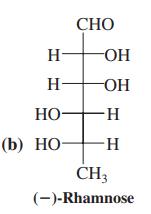
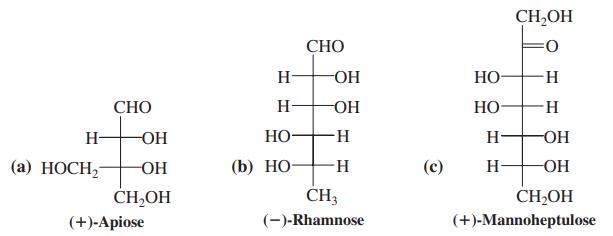
What are the products (and their ratios) of periodic acid cleavage of each of the following substances: (a) 1,3-dihydroxyacetone; (b) rhamnose (Problem 34); (c) glucitol. Problem 34 СНО H- OH H OH НО H- (b) НО- -H- CH3 (-)-Rhamnosе
Ketoses show positive Fehling’s and Tollens’s tests not only by oxidation to α-dicarbonyl compounds, but through a second process: Ketoses isomerize to aldoses in the presence of base. The aldose then undergoes oxidation by the Fehling’s or Tollens’s solution. Using any ketose in Figure
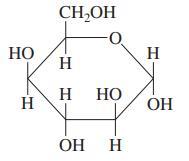
Draw the most stable pyranose conformation of each of the following sugars. (a) α-D-Arabinose; (b) β-D-galactose; (c) β-D-mannose; (d) α-D-idose.
Are any of the sugars in Problem 38 incapable of mutarotation? Explain your answer. Problem 38(a) (-)-Threose; (b) (-)-allose; (c) (-)-ribulose; (d) (+)-sorbose; (e) (+)-mannoheptulose (Problem 34).Problems
For each of the following sugars, draw all reasonable cyclic structures, using either Haworth or conformational formulas; indicate which structures are pyranoses and which are furanoses; and label a and β-anomers. (a) (-)-Threose; (b) (-)-allose; (c) (-)-ribulose; (d)
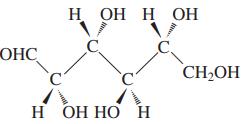
Redraw each of the following sugars in open-chain form as a Fischer projection, and find its common name. (a)(b)(c)(d) Н Он Н ОН OHC CH2OH н ОН НО н
Identify the following sugars, which are represented by unconventionally drawn Fischer projections. (It will be necessary to convert these projections into more conventional representations without inverting any of the stereocenters.) (a)(b)(c)(d)(e) H. НОСН СНО OH
Draw open-chain (Fischer-projection) structures for L-(+)-ribose and L-(-)-glucose (see Exercise 24-2). What are their systematic names? Exercise 24-2Give a systematic name for (a) D-(-)-ribose and (b) D-(+)-glucose. Remember to assign the R and S confi guration at each stereocenter.
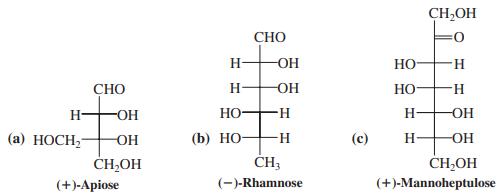
To which classes of sugars do the following monosaccharides belong? Which are d and which are L? CH,OH СНО H- OH НО H. СНО H- OH Но- H- H- -OH HO H OH (а) НОСН OH (b) Но— H- OH- CH,OH CH3 CH,OH (+)-Аpiose (-)-Rhamnose (+)-Mannoheptulose
The designations d and l as applied to sugars refer to the configuration of the highest-numbered stereocenter. If the configuration of the highest numbered stereocenter of d-ribose (Figure 24-1) is switched from d to l, is the product l-ribose? If not, what is the product? How is it related to
A compound with m.p. = -22°C has a parent peak in its mass spectrum at m/z = 113. The 1H NMR spectrum shows absorptions at δ = 1.2 (t, 3 H), 3.5 (s, 2 H), and 4.2 (q, 2 H). The IR spectrum exhibits significant bands at v˜ = 3000, 2250, and 1750 cm-1. What is its structure?(a)(b)(c)(d)(e)
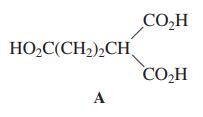
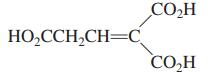
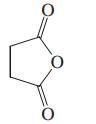
When acid A (margin) is heated to 230°C, CO2 and H2O are evolved and a new compound is formed. Which one?(a)(b) HO2CCH2CH2CH2CH3 (c)(d) CH3CH2CH(CO2H)2 (e) CO,H HO,C(CH2),CH CO,H А
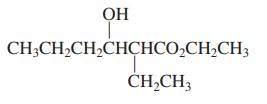
The reaction of ethyl butanoate with sodium ethoxide in CH3CH2OH gives (a)(b)(c)(d) ОН CH;CH,CH,CHCHCO,CH,CH3 ČH,CH3
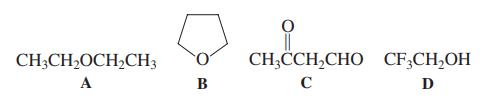
Two of the following four compounds are more acidic than CH3OH (i.e., two of these have Ka greater than methanol). Which ones? (a) A and B; (b) B and C; (c) C and D; (d) D and A; (e) D and B. CH;CH,OCH,CH3 CH;CCH,CHO CF;CH,OH A B C D
Two of the following four compounds are more acidic than CH3OH (i.e., two of these have Ka greater than methanol). Which ones? (a) A and B; (b) B and C; (c) C and D; (d) D and A; (e) D and B. CH;CH,OCH,CH3 CH;CCH,CHO CF;CH,OH A B C D
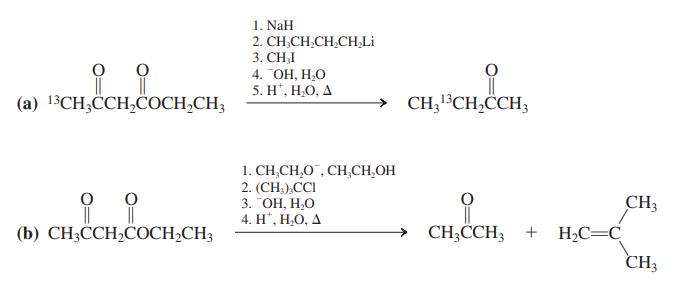
Split your team in two, each group to analyze one of the following reaction sequences by a mechanism (13C 5 carbon-13 isotope).
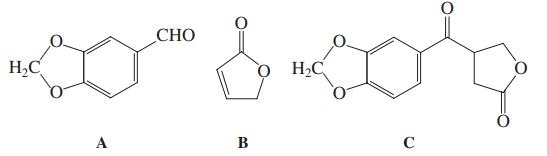
Propose a synthesis of ketone C, which was central in attempts to synthesize several antitumor agents. Start with aldehyde A, lactone B, and anything else you need. СНО H,C H2C A B C
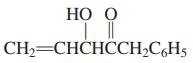
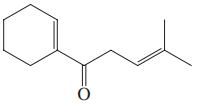
Using methods reverse polarization, propose a simple synthesis of each of the following molecules. (a)(b)(c) НО О CH2=CHCHCCH2C,H5
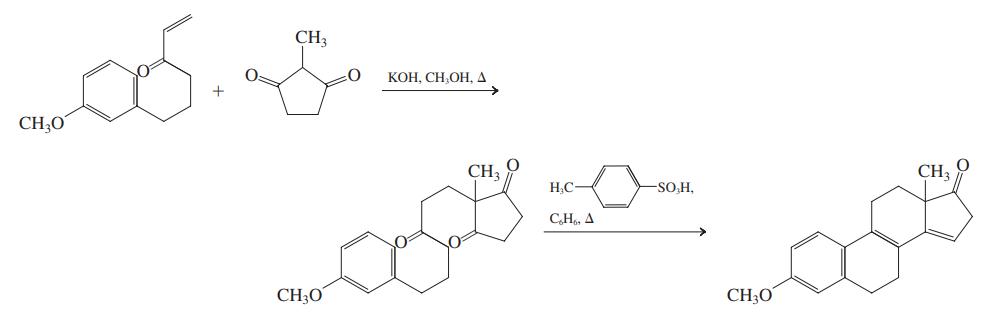
A short construction of the steroid skeleton (part of a total synthesis of the hormone estrone) is shown here. Formulate mechanisms for each of the steps. 6. CH, O: KOH, CH,OH, A CH;0 CH, CH3 HC -SO,H, CH. A CH30 CH30
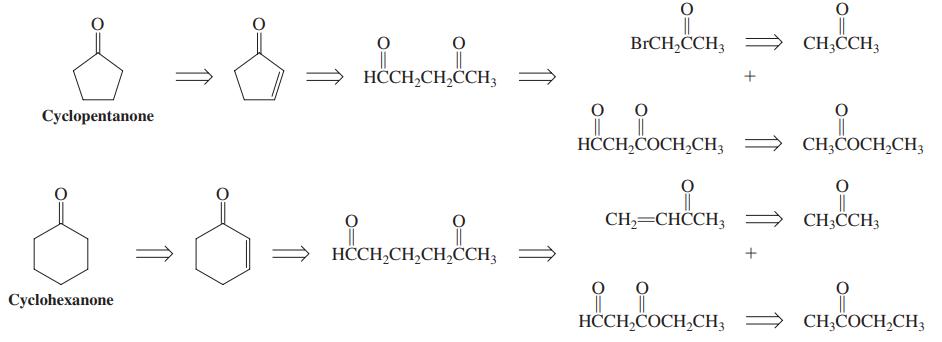
Some of the most important building blocks for synthesis are very simple molecules. Although cyclopentanone and cyclohexanone are readily available commercially, an understanding of how they can be made from simpler molecules is instructive. The following are possible retrosynthetic analyses
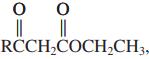
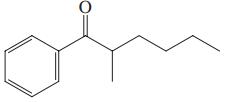
The following ketones cannot be synthesized by the acetoacetic ester method (why?), but they can be prepared by a modified version of it. The modification includes the preparation (by Claisen condensation) and use of an appropriate 3-ketoester, , containing an R group that appears in the final
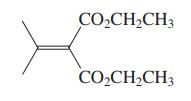
β-Dicarbonyl compounds condense with aldehydes and ketones that do not undergo self-aldol reaction. The products are α,β-unsaturated dicarbonyl compounds, and the process goes by the colorful name of Knoevenagel condensation. (a) An example of a Knoevenagel condensation is given below. Propose a
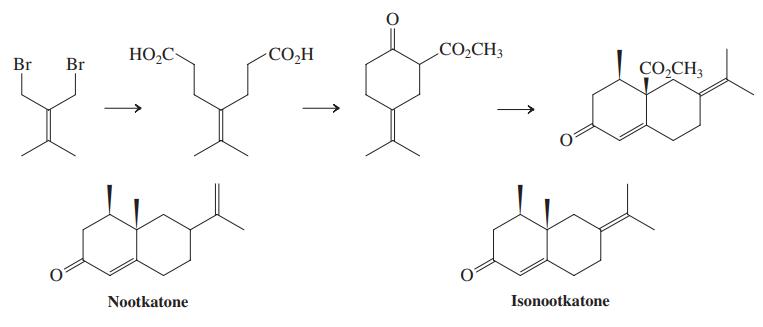
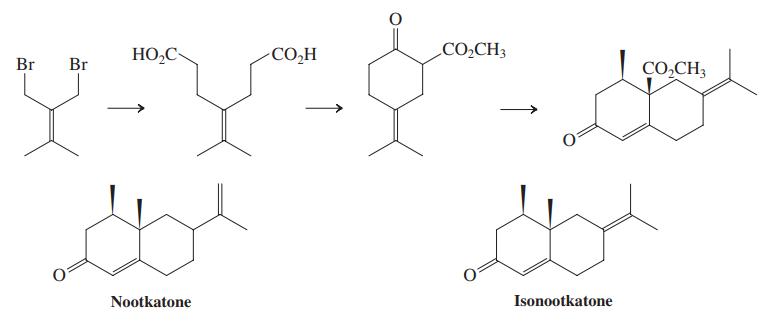
The nootkatones are bicyclic ketones responsible for the flavor and aroma of grapefruits. Nootkatones also repel termites and are used commercially to protect wood structures from termite infestation. Fill in the missing reagents in the partial synthetic sequence for the preparation of
Write chemical equations to illustrate all primary reaction steps that can occur between a base such as ethoxide ion and a carbonyl compound such as acetaldehyde. Explain why the carbonyl carbon is not deprotonated to any appreciable extent in this system.
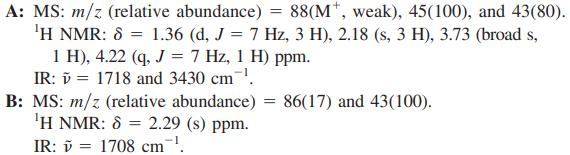
(a) On the basis of the following data, identify unknowns A, found in fresh cream prior to churning, and B, possessor of the characteristic yellow color and buttery odor of butter. (b) What kind of reaction is the conversion of compound A into compound B? Does it make sense that this should
Give the products of the following reactions. (a)(b)What are the results of reaction of the substance formed in (b) with each aldehyde in Problem 41, followed by hydrolysis in the presence of HgCl2? BF, C,H;CHO + HS(CH2);SH
Give the products of reaction of the following aldehydes with catalytic N-dodecylthiazolium bromide. (a) (CH3)2CHCHO; (b) C6H5CHO; (c) cyclohexanecarbaldehyde; (d) C6H5CH2CHO.
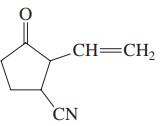
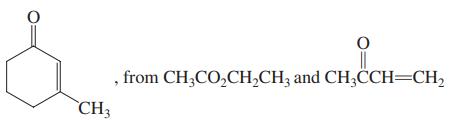
Using the methods described in this chapter, design a multistep synthesis of each of the following molecules, making use of the indicated building blocks as the sources of all the carbon atoms in your final product. (a)(b)(c) , from CH;CO,CH,CH; and CH3CCH=CH, CH3
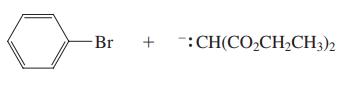
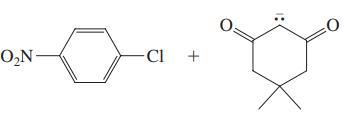
Based on the mechanism presented for the Pd-catalyzed reaction of a halobenzene with hydroxide ion, write out a reasonable mechanism for the Pd-catalyzed reaction of Problem 38(a). Problem 38(a)(a) Br + :CH(CO2CH2CH3)2
Give the likely products of each of the following reactions. All are carried out in the pre sence of a Pd catalyst, a ligand for the metal such as a phosphine, and heat. (a)(b) Br + :CH(CO2CH2CH3)2
Write out, in full detail, the mechanism of the Michael addition of malonic ester to 3-buten-2-one in the presence of ethoxide ion. Be sure to indicate all steps that are reversible. Does the overall reaction appear to be exo- or endothermic? Explain why only a catalytic amount of base is
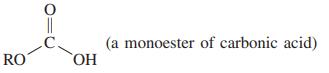
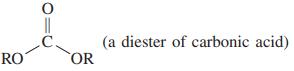
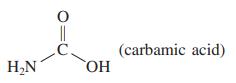
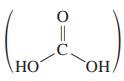
Based on your answer to Problem 35, predict whether or not water should catalyze the decarboxylation of each of the following compounds. For each case in which your answer is yes, draw the transition state and the final products. (a)(b)(c)(d) || (a monoester of carbonic acid) ОН RO
Carbonic acid, H2CO3, is commonly assumed to be an unstable compound that easily decomposes into a molecule of water and a molecule of carbon dioxide: H2CO3 → H2O + CO2↑. Indeed, the evidence of our own experience in opening a container of any carbonated beverage supports this apparently
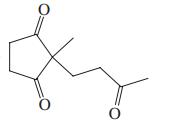
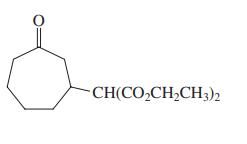
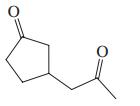
Use the Michael Addition methods , with other reactions if necessary, to synthesize each of the following compounds. In each case, your starting materials should include one aldehyde or ketone and one β-dicarbonyl compound.(a)(b)(c) CH(CO,CH,CH3)2
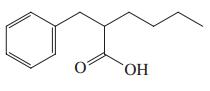
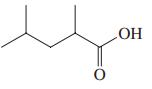
Devise a synthesis for each of the following four compounds by using the malonic ester synthesis. (a)(b)(c)(d) HO
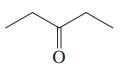
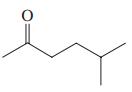
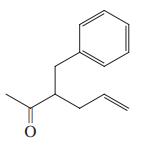
Devise a preparation of each of the following ketones by using the acetoacetic ester synthesis. (a)(b)(c)(d) OCH,CH3
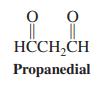
Do you think that propanedial, shown in the margin, can be easily prepared by a simple Claisen condensation? Why or why not? HÖCH,CH Propanedial
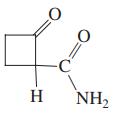
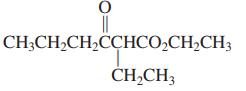
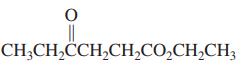
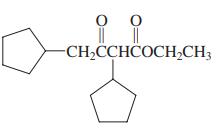
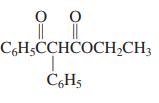
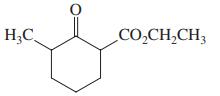
Suggest a synthesis of each of the following β-dicarbonyl compounds by Claisen or Dieckmann condensations.(a)(b)(c)(d)(e)(f)(g) оо -CH,CCHCOCH,CH3
Showing 400 - 500
of 2904
1
2
3
4
5
6
7
8
9
10
11
12
13
14
15
Last
Step by Step Answers

 Get 50% OFF
Claim Now
Get 50% OFF
Claim Now