New Semester
Started
Get
50% OFF
Study Help!
--h --m --s
Claim Now
Question Answers
Textbooks
Find textbooks, questions and answers
Oops, something went wrong!
Change your search query and then try again
S
Books
FREE
Study Help
Expert Questions
Accounting
General Management
Mathematics
Finance
Organizational Behaviour
Law
Physics
Operating System
Management Leadership
Sociology
Programming
Marketing
Database
Computer Network
Economics
Textbooks Solutions
Accounting
Managerial Accounting
Management Leadership
Cost Accounting
Statistics
Business Law
Corporate Finance
Finance
Economics
Auditing
Tutors
Online Tutors
Find a Tutor
Hire a Tutor
Become a Tutor
AI Tutor
AI Study Planner
NEW
Sell Books
Search
Search
Sign In
Register
study help
sciences
organic chemistry
Organic Chemistry structure and function 6th edition K. Peter C. Vollhardt, Neil E. Schore - Solutions
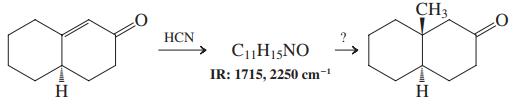
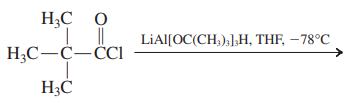
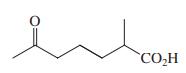
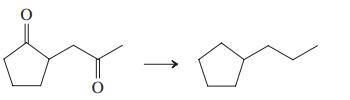
Give the structure of the product of the fi rst of the following reactions, and then propose a scheme that will ultimately convert it into the methyl-substituted ketone at the end of the scheme. This example illustrates a common method for the introduction of methyl groups into synthetically
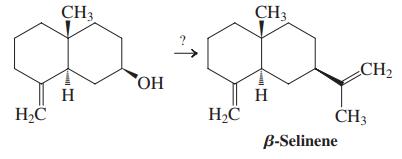
Propose a synthesis of b-selinene, a member of a very common family of sesquiterpenes, beginning with the alcohol shown here. Use a nitrile in your synthesis. Inspection of a model may help you choose a way to obtain the desired stereochemistry. (Is the 1-methylethenyl group axial or
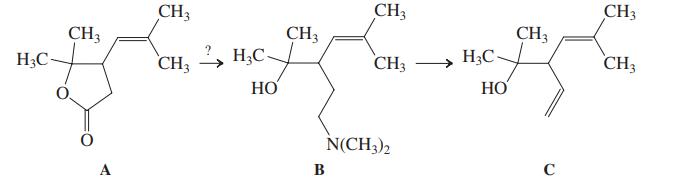
Propose a synthetic scheme for the conversion of lactone A into amine B, a precursor to the naturally occurring monoterpene C. CH3 CH3 CH3 CH3 H3C CH; 2, H;C CH3 H3C- CH3 CH3 CH O. HO HO N(CH3)2 A В C
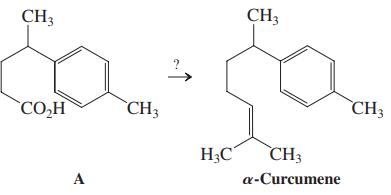
Propose a synthetic sequence to convert carboxylic acid A into the naturally occurring sesquiterpene α-curcumene. CH3 CH3 CO,H CH3 CH3 H3C CH3 A a-Curcumene
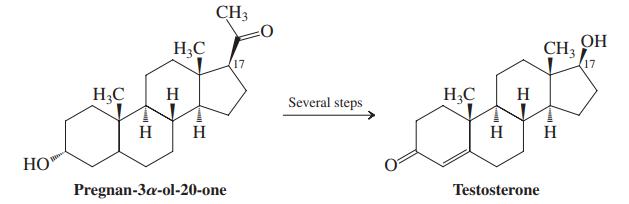
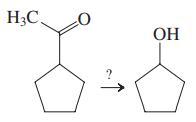
The removal of the C17 side chain of certain steroids is a critical element in the synthesis of a number of hormones, such as testosterone, from steroids in the relatively readily available pregnane family. How would you carry out the comparable transformation, shown in the margin, of
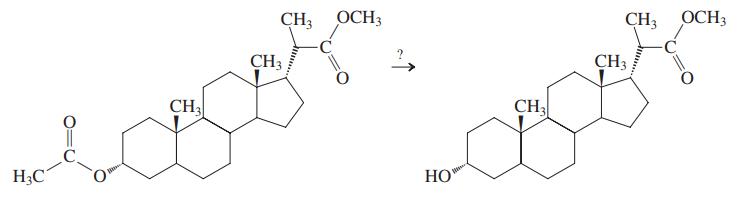
Show how you would carry out the following transformation in which the ester function at the lower left of the molecule is converted into a hydroxy group but that at the upper right is preserved. (Do not try ester hydrolysis. Look carefully at how the ester groups are linked to the steroid and
Upon completing a synthetic procedure, every chemist is faced with the job of cleaning glassware. Because the compounds present may be dangerous in some way or have unpleasant properties, a little serious chemical thinking is often beneficial before “doing the dishes.” Suppose that you have
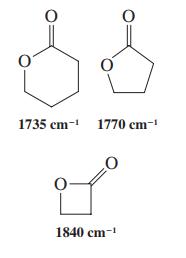
Although esters typically have carbonyl stretching frequencies at about 1740 cm-1 in the infrared spectrum, the corresponding band for lactones can vary greatly with ring size. Three examples are shown in the margin. Propose an explanation for the IR bands of these smaller ring lactones. 1735
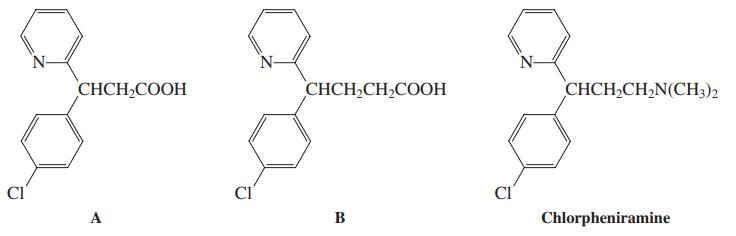
Show how you might synthesize chlorpheniramine, a powerful antihistamine used in several decongestants, from each of carboxylic acids A and B. Use a different carboxylic amide in each synthesis. N- N- N- СНCH-COOH СНCH-CH,COОН СНCH-CH-N(CH)2 CI A B Chlorpheniramine
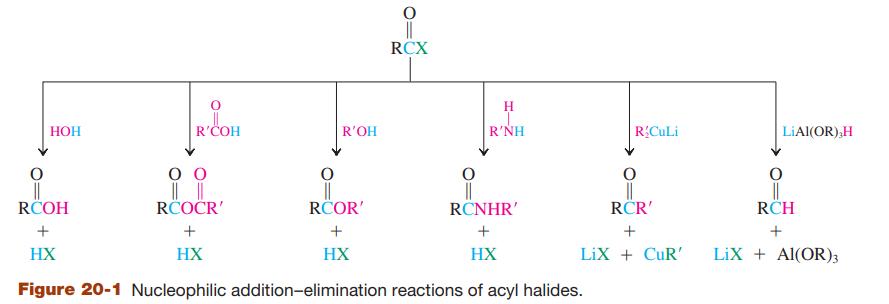
On the basis of the reactions presented in this chapter, write reaction summary charts for esters and amides similar to the chart for acyl halides (Figure 20-1). Compare the number of reactions for each of the compound classes. Is this information consistent with your understanding of the relative
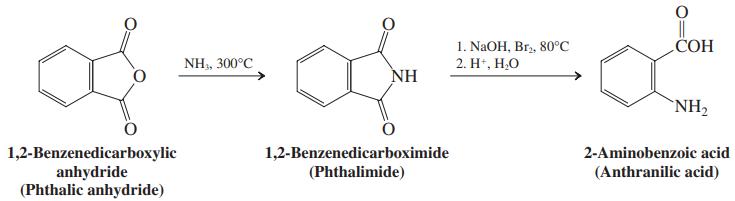
2-Aminobenzoic (anthranilic) acid is prepared from 1,2-benzenedicarboxylic anhydride (phthalic anhydride) by using the two reactions shown here. Explain these processes mechanistically. СОН 1. NaOH, Br, 80°C 2. Н, Н.О NH, 300°C NH `NH2 1,2-Benzenedicarboxylic anhydride (Phthalic
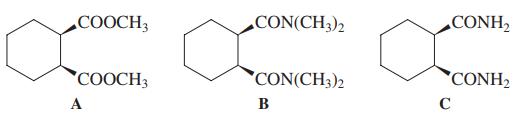
Upon treatment with strong base followed by protonation, compounds A and B undergo cis-trans isomerization, but compound C does not. Explain. COOCH3 .CON(CH3)2 CONH2 COOCH3 CON(CH3)2 CONH2 A B C
Nylon-6,6 was the first completely synthetic fiber, initially prepared in the mid-1930s at DuPont. It is a copolymer whose subunits are alternating molecules of 1,6-hexanediamine and hexanedioic (adipic) acid, linked by amide functions. (a) Write a structural representation of
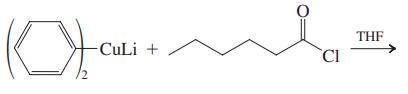
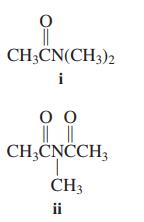
What reagents would be necessary to carry out the following transformations? (a) Cyclohexanecarbonyl chloride → pentanoylcyclohexane; (b) 2-butenedioic (maleic) anhydride → (Z)-2-butene1,4-diol; (c) 3-methylbutanoyl bromide → 3-methylbutanal; (d) benzamide →
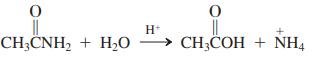
Formulate a mechanism for the acid-catalyzed hydrolysis of 3-methylpentanamide shown on p. 948. Data From page 948. Base Hydrolysis of an Amide II.. CH3CH2CH2CNHCH3 II.. > CH3CH2CH2CO:- + CH3NH2 II.. → CH3CH2CH2COH + CH3NH3 HỘ:, H,O, A H*, H2O N-Methylbutanamide 87% Butanoic acid
Give the products of the reactions of pentanamide with the reagents given in Problem 39(a, e, f). Repeat for N,N-dimethylpentanamide. Data From Problem39(a, e, f)(a) NaOH, H2O, heat; then H+, H2O (e) LiAlH4, (CH3CH2)2O; then H+, H2O (f) [(CH3)2CHCH2]2AlH, toluene, low temperature;
Formulate a mechanism for the formation of acetamide, from methyl acetate and ammonia. CH;CNH2
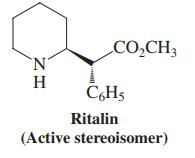
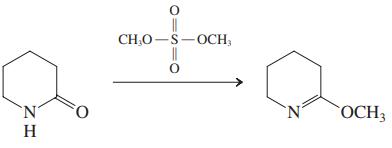
Like many chiral pharmaceuticals, Ritalin, widely used to treat attention defi cit disorder, is synthesized and marketed as a racemic mixture. In 2003, a new and potentially practical synthetic route to the active enantiomer (see structure, margin) was described. The fi rst step is shown below, the
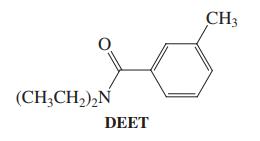
N,N-Diethyl-3-methylbenzamide (N,N-diethyl-m-toluamide), marketed as DEET, is perhaps the most widely used insect repellent in the world and is especially effective in interrupting the transmission of diseases by mosquitoes and ticks. Propose one or more preparations of DEET (see structure, margin)
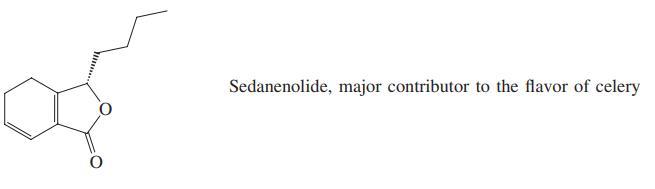
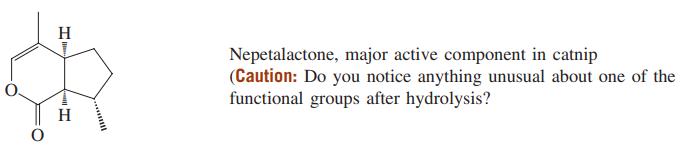
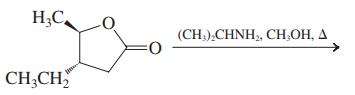
For each of the naturally occurring lactones below, draw the structure of the compound that would result from hydrolysis using aqueous base. (a) (b)(c) Sedanenolide, major contributor to the flavor of celery
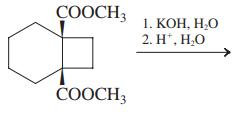
Give the product of each of the following reactions.(a)(b)(c)(d)(e) СООCH 1. КОН, Н.О 2. H', Н.О СООCH
Reaction review. Suggest reagents to convert each of the following starting materials into the indicated product: (a) hexanoyl chloride into acetic hexanoic anhydride; (b) methyl hexanoate into N-methylhexanamide; (c) hexanoyl chloride into hexanal; (d) hexanenitrile into
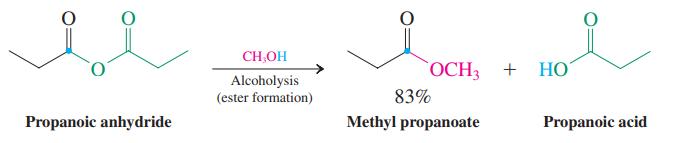
Formulate a mechanism for the reaction of butanedioic (succinic) anhydride with methanol shown on p. 935. Data From Problem 935 CH,OH ОСH; + НО Alcoholysis (ester formation) 83% Propanoic anhydride Methyl propanoate Propanoic acid
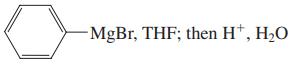
Give the product(s) of the reaction of butanedioic (succinic) anhydride with each of the reagents in Problem 36. Data From Problem 36(a) (CH3)2CHOH (b) NH3 (c)(d) LiAlH4, (CH3CH2)2O; then H+, H2O MgBr, THF; then H*, H2O
Give the product(s) of the reactions of acetic anhydride with each of the following reagents. Assume in all cases that the reagent is present in excess. (a) (CH3)2CHOH (b) NH3 (c)(d) LiAlH4, (CH3CH2)2O; then H+, H2O MgBr, THF; then H*, H2O
Formulate a mechanism for the reaction of acetyl chloride with 1-propanol shown on p. 932.Page 932 N(CH,CH,), CH3CCI + HOCH,CH,CH3 → CH;COCH,CH,CH3 + HN(CH,CH3); Cl (See Problem 35) 75% Propyl acetate Acetyl chloride 1-Propanol Triethylammonium chloride
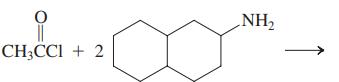
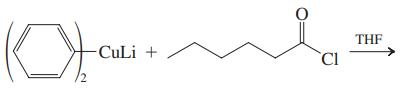
Give the product(s) of each of the following reactions. (a)(b)(c)(d)(e) NH2 CH;CCI + 2
In each of the following pairs of compounds, decide which possesses the indicated property to the greater degree. (a) Length of C – X bond: acetyl fluoride or acetyl chloride. (b) Acidity of the boldface H: CH2(COCH3)2 or CH2(COOCH3)2. (c) Reactivity toward addition of a
(a) Use resonance forms to explain in detail the relative order of acidity of carboxylic acid.(b) Do the same, but use an argument based on inductive effects.
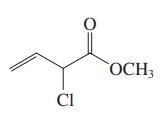
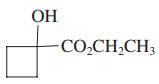
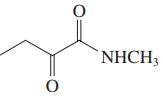
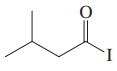
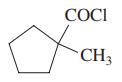
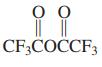
Name each of the following compounds according to IUPAC or Chemical Abstracts rules. Pay attention to the order of precedence of the functional groups. (a)(b)(c)(d) OCH3 Cl
Name (IUPAC system) or draw the structure of each of the following compounds. (a)(b)(c)(d)(e)(f)(g) Propyl butanoate (h) Butyl propanoate (i) 2-Chloroethyl benzoate ( j) N,N-Dimethylbenzamide (k) 2-Methylhexanenitrile (l) Cyclopentanecarbonitrile I.
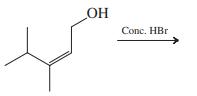
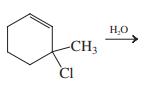
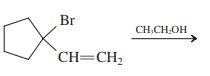
Give the major product(s) of each of the following reactions. (a)(b)(c)(d)(e)(f) OH Conc. HBr
Rank primary, secondary, tertiary, and allylic radicals in order of decreasing stability. Do the same for the corresponding carbocations. Do the results indicate something about the relative ability of hyperconjugation and resonance to stabilize radical and cationic centers?
Illustrate by means of appropriate structures (including all relevant resonance forms) the initial species formed by (a) breaking the weakest C – H bond in 1-butene; (b) treating 4-methylcyclohexene with a powerful base (e.g., butyllithium – TMEDA); (c) heating a solution of
For each species in Problem 32, indicate the resonance form that is the major contributor to the resonance hybrid. Explain your choices. Data From Problem 32 CH3 (а) (b) (с) (d)
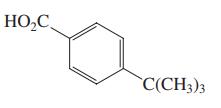
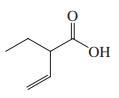
The acid whose structure is shown in the margin can best be prepared via one of these sequences. Which one? (a)(b)(c)(d) HO,C C(CH3)3
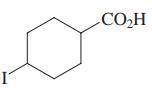
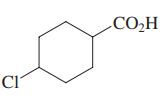
Select the acid with the highest Ka (i.e., lowest pKa). (a) H3CCO2H(b)(c)(d) (d) Cl2CHCO2H CO,H I
Rank each of the following groups of organic compounds in order of decreasing acidity.(a)(b)(c)(d)(e) CH;CH,CO,H, CH;CCH,OH, CH;CH,CH,OH
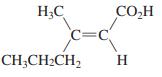
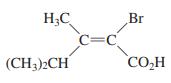
What is the IUPAC name of the compound shown? (a) (E )-3-Methyl-2-hexenoic acid (b) (Z )-3-Methyl-2-hexenoic acid (c) (E )-3-Methyl-3-hexenoic acid (d) (Z )-3-Methyl-3-hexenoic acid H;C CO.H C=C CH;CH2CH,
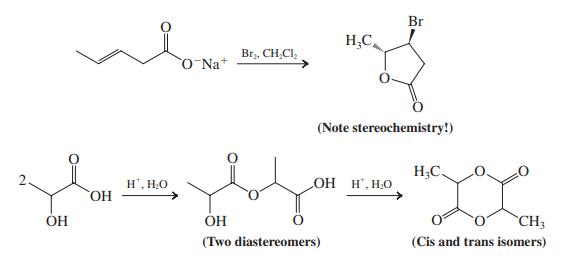
4- and 5-hydroxy acids can undergo acid-catalyzed intramolecular esterification to produce the corresponding lactone in good yield. Consider the following two examples of lactonization. Divide the analysis of the reaction sequences among your group. Propose reasonable mechanisms to explain the
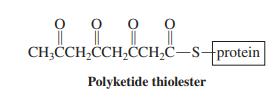
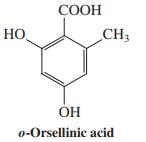
The benzene rings of many compounds in nature are prepared by a biosynthetic pathway similar to that operating in fatty acid synthesis. Acetyl units are coupled, but the ketone functions are not reduced. The result is a polyketide thiolester, which forms rings by intramolecular aldol
Propose a short synthesis of 2-butynoic acid, CH3CqCCO2H, starting from propyne.
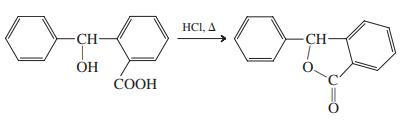
Propose two possible mechanisms for the following reaction. (Consider the possible sites of protonation in the molecule and the mechanistic consequences of each.) Devise an isotope-labeling experiment that might distinguish your two mechanisms. HCI, A CH CH- OH COOH
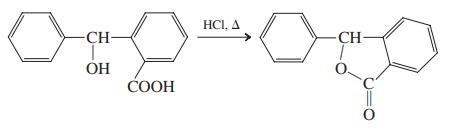
Propose two possible mechanisms for the following reaction. (Consider the possible sites of protonation in the molecule and the mechanistic consequences of each.) Devise an isotope-labeling experiment that might distinguish your two mechanisms. HCI, A -CH- CH- OH СООН
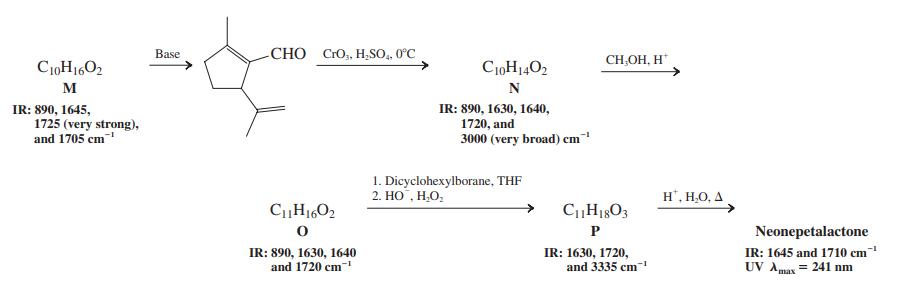
The iridoids are a class of monoterpenes with powerful and varied biological activities. They include insecticides, agents of defense against predatory insects, and animal attractants. The following reaction sequence is a synthesis of neonepetalactone, one of the nepetalactones, which are primary
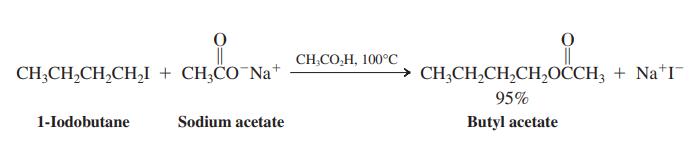
SN2 reactions of simple carboxylate ions with haloalkanes in aqueous solution generally do not give good yields of esters. (a) Explain why this is so. (b) Reaction of 1-iodobutane with sodium acetate gives an excellent yield of ester if carried out in acetic acid (as shown here). Why is
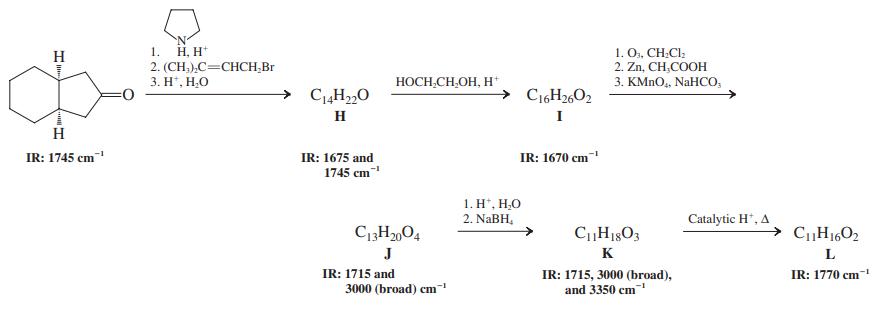
Suggest structures for the products of each reaction in the following synthetic sequence. 1. H, H* 2. (CH,),C=CHCH,Br 3. H*, H,O 1. O. CH;CI; 2. Zn, CH,COOH 3. KMNO,, NaHCO, H HOCH,CH,OH, H → C16H2602 H I H IR: 1745 cm IR: 1675 and 1745 cm IR: 1670 cm 1. H*, H,O 2. NaBH, Catalytic H*, A
Following the general mechanistic scheme, write detailed mechanisms for each of the following substitution reactions. (These transformations are part of Chapter 20, but try to solve the problem without looking ahead.) a.b. -ĊCI + CH;CH,OH -COCH,CH3 -HCI
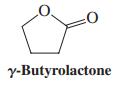
Attempted CrO3 oxidation of 1,4-butanediol to butanedioic acid results in signifi cant yields of “g-butyrolactone.” Explain mechanistically. :0 y-Butyrolactone
How would you expect the acidity of acetamide to compare with that of acetic acid? With that of acetone? Which protons in acetamide are the most acidic? Where would you expect acetamide to be protonated by very strong acid? CH;CNH, Acetamide
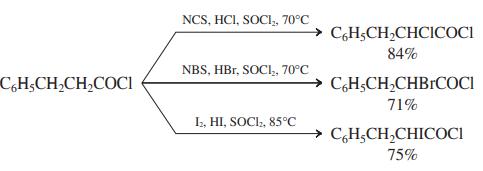
The Hell-Volhard-Zelinsky reaction produces only bromocarboxylic acids. However, modifi ed procedures have been developed to convert acyl chlorides into a-chloro- and a-bromoacyl chlorides by reaction with N-chloro- and N-bromobutanimide (N-chloro- and N-bromosuccinimide, NCS and NBS),
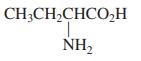
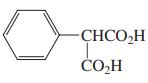
Show how the Hell-Volhard-Zelinsky reaction might be used in the synthesis of each of the following compounds, beginning in each case with a simple monocarboxylic acid. Write detailed mechanisms for all the reactions in one of your syntheses. (a)(b)(c)(d) HO2CCH2SSCH2CO2H (e)
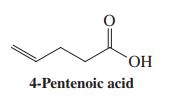
Treatment of 4-pentenoic acid (margin) with Br2 in the presence of dilute aqueous base yields a nonacidic compound with the formula C5H7BrO2. (a) Suggest a structure for this compound and a mechanism for its formation. (b) Can you find a second, isomeric product whose formation is also
Give reagents and reaction conditions that would allow efficient conversion of 2-methylbutanoic acid into(a) The corresponding acyl chloride; (b) The corresponding methyl ester; (c) The corresponding ester with 2-butanol; (d) The anhydride; (e) The
Suggest a preparation of hexanoic acid from pentanoic acid.
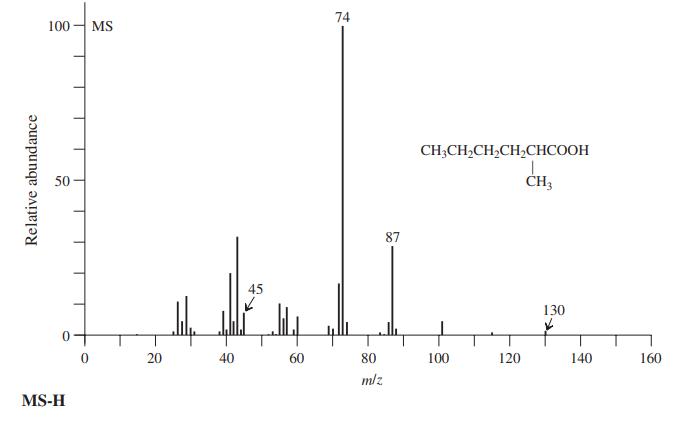
Interpret the labeled peaks in the mass spectrum of 2-methylhexanoic acid (MS-H). 74 100 MS CH;CH,CH,CH,CHCOOH 50 CH3 87 45 130 20 40 60 80 100 120 140 160 mlz MS-H Relative abundance
Interpret the labeled peaks in the mass spectrum of 2-methylhexanoic acid (MS-H). 74 100 MS CH;CH,CH,CH,CHCOOH 50 CH3 87 45 130 20 40 60 80 100 120 140 160 mlz MS-H Relative abundance
When methyl ketones are treated with a halogen in the presence of base, the three hydrogen atoms on the methyl carbon are replaced to give a CX3-substituted ketone. This product is not stable under the basic conditions and proceeds to react with hydroxide, ultimately furnishing the carboxylic acid
When methyl ketones are treated with a halogen in the presence of base, the three hydrogen atoms on the methyl carbon are replaced to give a CX3-substituted ketone. This product is not stable under the basic conditions and proceeds to react with hydroxide, ultimately furnishing the carboxylic acid
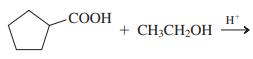
Give the product of reaction of cyclopentanecarboxylic acid with each of the reagents in Problem 40. Data From problem 40(a) SOCl2 (b) PBr3 (c) CH3CH2COBr 1 pyridine (d) (CH3)2CHOH 1 HCl(e) (f) Product of (e), heated strongly(g) LiAlH4, then H+, H2O (h) Br2, P
Give the products of reaction of propanoic acid with each of the following reagents.(a) SOCl2 (b) PBr3 (c) CH3CH2COBr 1 pyridine (d) (CH3)2CHOH 1 HCl(e) (f) Product of (e), heated strongly(g) LiAlH4, then H+, H2O (h) Br2, P HN HƆ-
(a) Write a mechanism for the esterification of propanoic acid with 18O-labeled ethanol. Show clearly the fate of the 18O label. (b) Acid-catalyzed hydrolysis of an unlabeled ester with 18O-labeled water (H2 18O) leads to incorporation of some 18O into both oxygens of the carboxylic acid
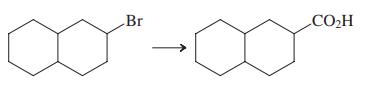
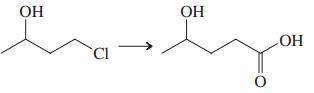
Propose syntheses of each of the following carboxylic acids that employ at least one reaction that forms a carbon – carbon bond. (a) CH3CH2CH2CH2CH2CH2CO2H(b)(c) OH CH;CHCH,CO,H
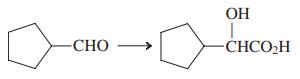
Fill in suitable reagents to carry out the following transformations. (a) (CH3)2CHCH2CHO → (CH3)2CHCH2CO2H(b)(c)(d)(e)(f) (CH3)3CCO2H → (CH3)3CCO2CH(CH3)2(g) ОН -СНО — CHCO2H
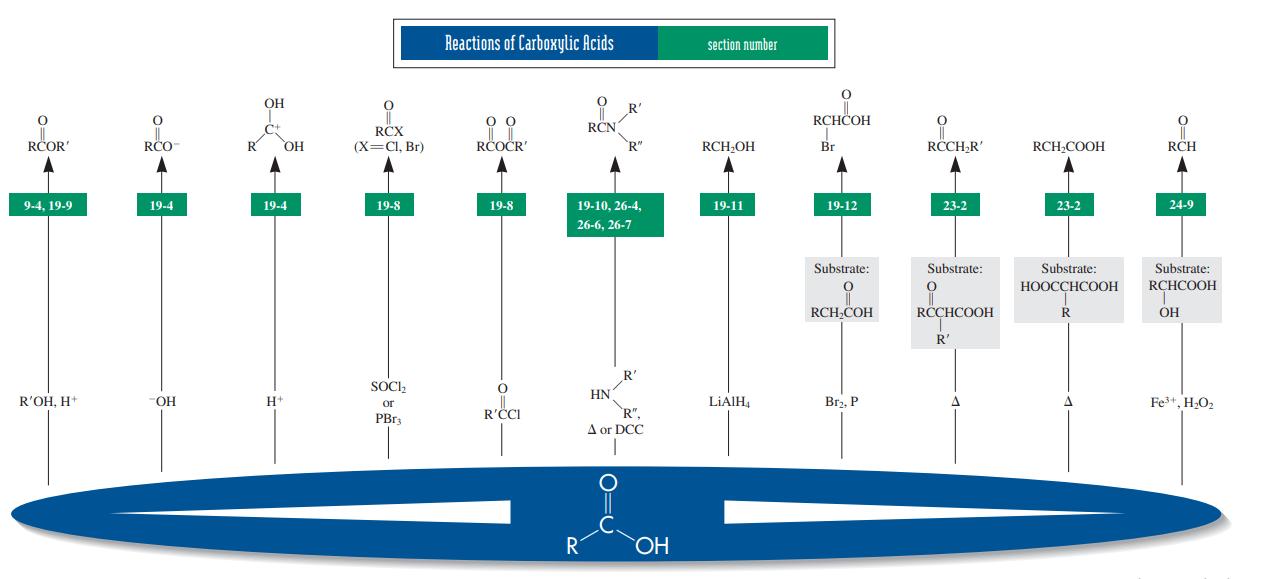
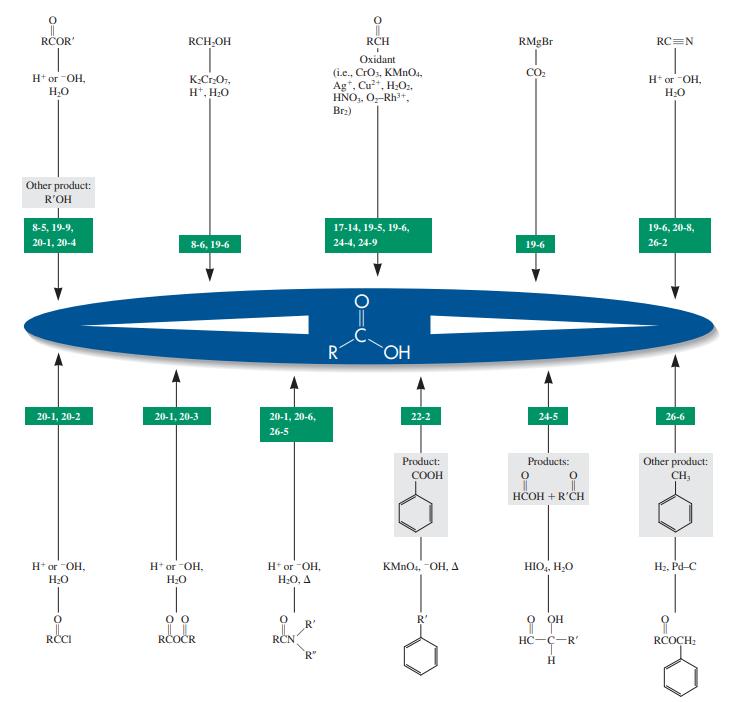
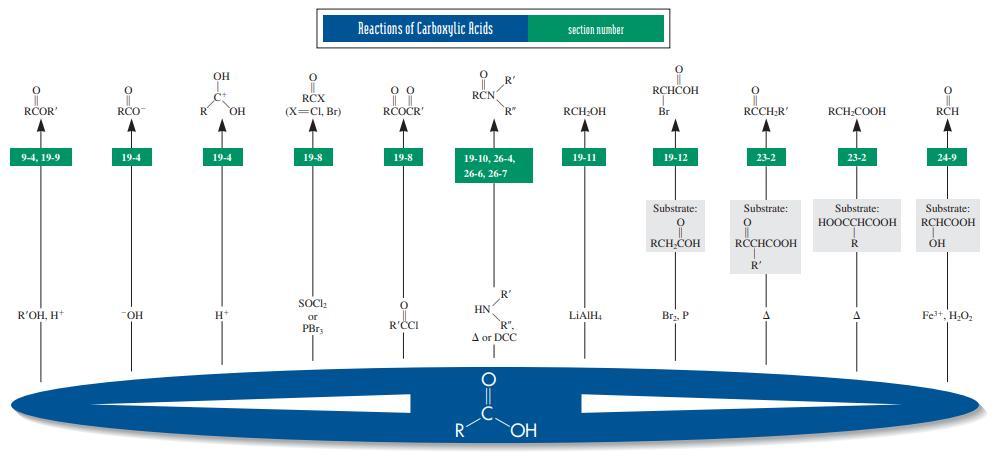
Reaction review II. Without consulting the Reaction Road Map on p. 915, suggest reagents to convert hexanoic acid into each of the following compounds: (a) 1-hexanol; (b) hexanoic anhydride; (c) hexanoyl chloride; (d) 2-bromohexanoic acid; (e) ethyl hexanoate; (f) hexanamide. Page 915
Reaction review II. Without consulting the Reaction Road Map on p. 915, suggest reagents to convert hexanoic acid into each of the following compounds: (a) 1-hexanol; (b) hexanoic anhydride; (c) hexanoyl chloride; (d) 2-bromohexanoic acid; (e) ethyl hexanoate; (f) hexanamide.
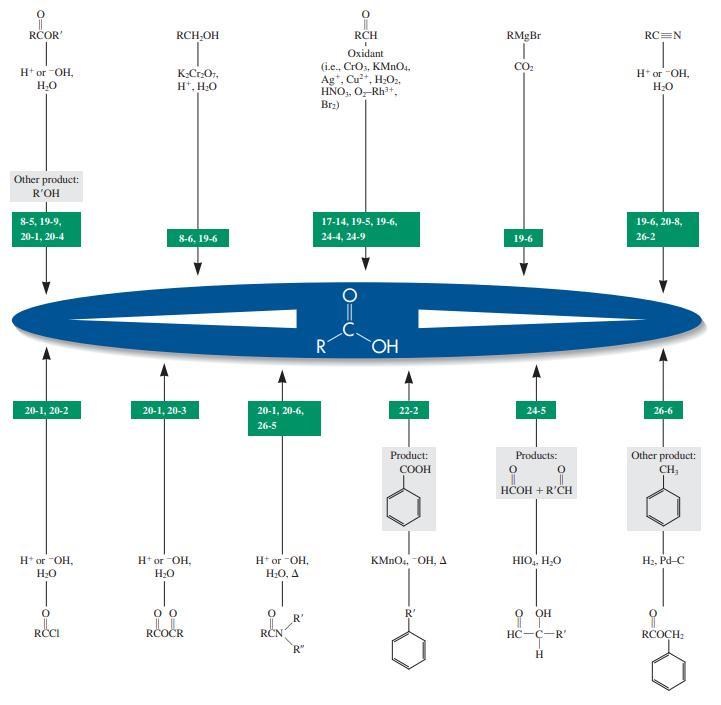
Reaction review. Without consulting the Reaction Road Map on p. 914, suggest reagents to convert each of the following starting materials into hexanoic acid: (a) hexanal; (b) methyl hexanoate; (c) 1-bromopentane; (d) 1-hexanol: (e) hexanenitrile. Page 914
When 1,4- and 1,5-dicarboxylic acids, such as butanedioic (succinic) acid (Section 19-8), are treated with SOCl2 or PBr3 in attempted preparations of the diacyl halides, the corresponding cyclic anhydrides are obtained. Explain mechanistically.
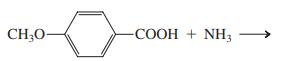
Give the products of each of the following reactions. (a) (CH3)2CHCH2CO2H + SOCl2 →(b) (CH3)2CHCH2CO2H + CH3COBr →(c)(d)(e) Product of (d), heated strongly(f) Phthalic acid, heated strongly СООН H + CH;CH2OH
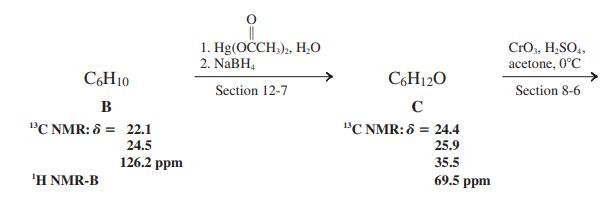
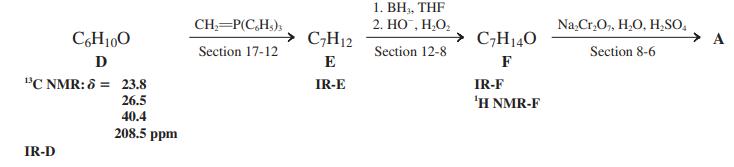
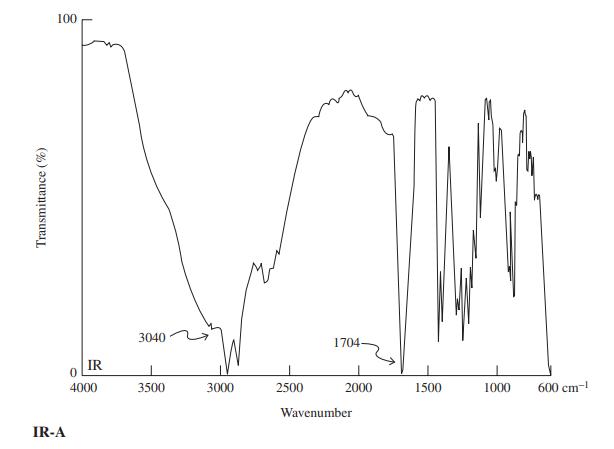
(a) An unknown compound A has the formula C7H12O2 and infrared spectrum A (p. 917). To which class does this compound belong? (b) Use the other spectra (NMR-B, p. 917, and F, p. 919; IR-D, E, and F, pp. 918 – 919) and spectroscopic and chemical information in the reaction sequence to
Propose a structure for a compound that displays the spectroscopic data that follow. The molecular ion in the mass spectrum appears at m/z = 116. IR v˜ = 1710 (s) and 3000 (s, broad) cm-1. 1H NMR: δ = 0.94 (t, J 5 7.0 Hz, 6 H), 1.59 (m, 4 H), 2.36 (quin, J 5 7.0 Hz, 1 H), and 12.04 (broad s, 1 H)
Rank each of the following groups of organic compounds in order of decreasing acidity. (a)(b)(c)(d)(e) CH;CH,CO,H, CH;CCH,OH, CH;CH,CH,OH
Rank the group of molecules shown here in decreasing order of boiling point and solubility in water. Explain your answers. СООН CH3 СНО CH,OH
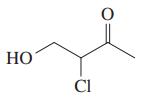
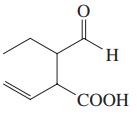
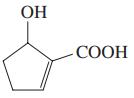
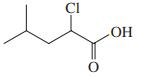
Name each of the following compounds according to IUPAC or Chemical Abstracts. Pay attention to the order of precedence of the functional groups. a.b.c.d. НО CI
Name (IUPAC or Chemical Abstracts system) or draw the structure of each of the following compounds. (a)(b)(c)(d)(e)(f)(g)(h)(i) 4-Aminobutanoic acid (also known as GABA, a critical participant in brain biochemistry); (j) meso-2,3-dimethylbutanedioic acid; (k) 2-oxopropanoic acid (pyruvic
Which of the following statements is correct? In the IR spectrum of 3-methyl-2-butanone, the most intense absorption is at (a) 3400 cm-1 , owing to an OH stretching mode; (b) 1700 cm-1 , owing to a CPO stretching mode; (c) 2000 cm-1 , owing to a CH stretching mode; (d) 1500 cm-1
Which of the following reagents converts benzenecarbaldehyde (benzaldehyde) into an oxime? (a) H2NNHC6H5; (b) H2NNH2; (c) O3; (d) H2NOH; (e) CH3CH(OH)2.
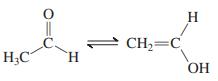
The reaction demonstrates (a) Resonance; (b) Tautomerism; (c) Conjugation; (d) De-shielding. H CH2=C H;C ОН
In the transformation shown here, which of the following compounds is most likely to be compound A (use IUPAC name)? (a) 5-Octyn-7-one; (b) 5-octyn-2-one; (c) 3-octyn-2-one; (d) 2-octyn-3-one. 3-Octyn-2-ol CrO,, H,SO, acetone A
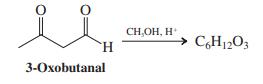
In acidic methanol, 3-oxobutanal is transformed into a compound with the molecular formula C6H12O3. As a group, analyze the following 1H NMR and IR spectral data: 1H NMR (CCl4): δ = 2.19 (s, 3 H), 2.75 (d, 2 H), 3.38 (s, 6 H), 4.89 (t, 1 H) ppm; IR: 1715 cm-1.Consider the chemical shifts, the
Three reactions that include compound M (see Problem 62) are described here. Answer the questions that follow. (a) Treatment of M with catalytic amounts of acid in ethanol solvent causes isomerization to compound N: UV λmax(ϵ) = 241(17,500) and 310(72) nm. Propose a structure for N. (b)
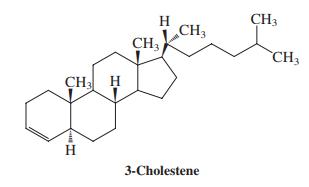
In 1862, it was discovered that cholesterol is converted into a new substance named coprostanol by the action of bacteria in the human digestive tract. Make use of the following information to deduce the structure of coprostanol. Identify the structures of unknowns J through M as well. (i)
Compound D, formula C8H14O, is converted by CH2=P(C6H5)3 into compound E, C9H16. Treatment of compound D with LiAlH4 yields two isomeric products F and G, both C8H16O, in unequal yield. Heating either F or G with concentrated H2SO4 produces H, with the formula C8H14. Ozonolysis of H produces a
The rate of the reaction of NH2OH with aldehydes and ketones is very sensitive to pH. It is very low in solutions more acidic than pH 2 or more basic than pH 7. It is highest in moderately acidic solution (pH ∼ 4). Suggest explanations for these observations.
The rate of the reaction of NH2OH with aldehydes and ketones is very sensitive to pH. It is very low in solutions more acidic than pH 2 or more basic than pH 7. It is highest in moderately acidic solution (pH ∼ 4). Suggest explanations for these observations.
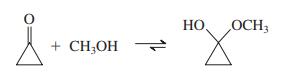
Explain the fact that, although hemiacetal formation between methanol and cyclohexanone is thermodynamically disfavored, addition of methanol to cyclopropanone goes essentially to completion: HO НО OCH3 + CH;OH 1
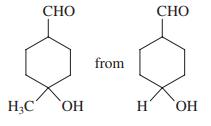
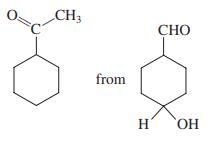
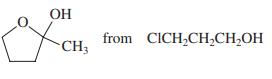
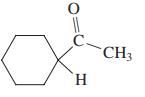
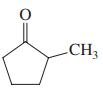
Propose efficient syntheses of each of the following molecules, beginning with the indicated starting materials. (a)(b)(c) СНО СНО from H;C HO, H ОН
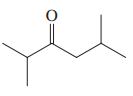
Give the two theoretically possible Baeyer-Villiger products from each of the following compounds. Indicate which one is formed preferentially. (a)(b)(c)(d)(e) C. CH3 H.
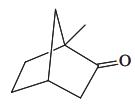
Formulate a detailed mechanism for the Baeyer-Villiger oxidation of the ketone shown in the margin. %3=
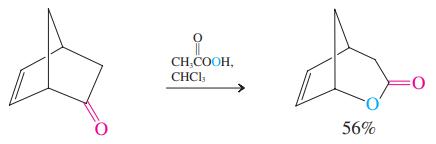
The general equation for the Baeyer-Villiger oxidation (see p. 808) begins with a reaction between a ketone and a peroxycarboxylic acid to form a peroxy analog of a hemiacetal. Formulate a detailed mechanism for this process. Data From Page 808 CH,COOH, CHCI, 56%
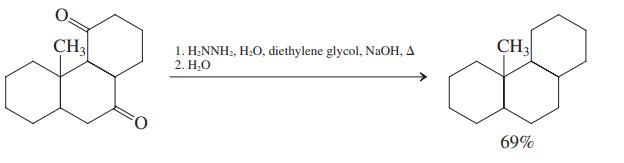
Formulate in full detail the mechanism for the Wolff-Kishner reduction of 1-phenylethanone (acetophenone) to ethylbenzene (see p. 803). Data from page 803. CH3 CH3 1. H;NNH, H:O, diethylene glycol, NaOH, A 2. H,O 69%
Give the product(s) of reaction of cycloheptanone with each of the reagents in Problem 52. Data From Problem 52(a) HOCH2CH2OH, H+ (b) LiAlH4, then H+, H2O (c) NH2OH, H+ (d) NH2NH2, KOH, heat (e) (CH3)2CHCH2CH=P(C6H5)3 (f)(g) Ag+, NH3, H2O (h) CrO3, H2SO4,
Give the product(s) of reaction of cycloheptanone with each of the reagents in Problem 52. Data From Problem 52(a) HOCH2CH2OH, H+ (b) LiAlH4, then H+, H2O (c) NH2OH, H+ (d) NH2NH2, KOH, heat (e) (CH3)2CHCH2CH=P(C6H5)3 (f)(g) Ag+, NH3, H2O (h) CrO3, H2SO4,
Give the product(s) of reaction of hexanal with each of the following reagents. (a) HOCH2CH2OH, H+ (b) LiAlH4, then H+, H2O (c) NH2OH, H+ (d) NH2NH2, KOH, heat (e) (CH3)2CHCH2CH=P(C6H5)3 (f)(g) Ag+, NH3, H2O (h) CrO3, H2SO4, H2O (i) HCN H+ N' H
Three isomeric ketones with the molecular formula C7H14O are converted into heptane by Clemmensen reduction. Compound A gives a single product upon Baeyer-Villiger oxidation; compound B gives two different products in very different yields; compound C gives two different products in virtually a 1 :
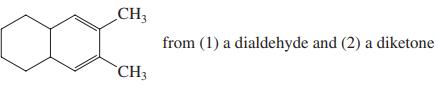
For each of the following molecules, propose two methods of synthesis from the different precursor molecules indicated. (a) CH3CH=CHCH2CH(CH3)2 from (1) an aldehyde and (2) a different aldehyde (b) CH3 from (1) a dialdehyde and (2) a diketone CH3
The molecule bombykol, whose structure is shown below, is a powerful insect pheromone, the sex attractant of the female silk moth (see Section 12-17). It was initially isolated in the amount of 12 mg from extraction of 2 tons of moth pupae. Propose a synthesis of bombykol from two simpler molecules
Indicate the reagent(s) best suited to effect these transformations. (a)(b)(c)(d) CH,CH=CHCH,CH,CH CH;CH,CH,CH,CH,CH
The UV absorptions and colors of 2,4-dinitrophenylhydrazone derivatives of aldehydes and ketones depend sensitively on the structure of the carbonyl compound. Suppose that you are asked to identify the contents of three bottles whose labels have fallen off. The labels indicate that one bottle
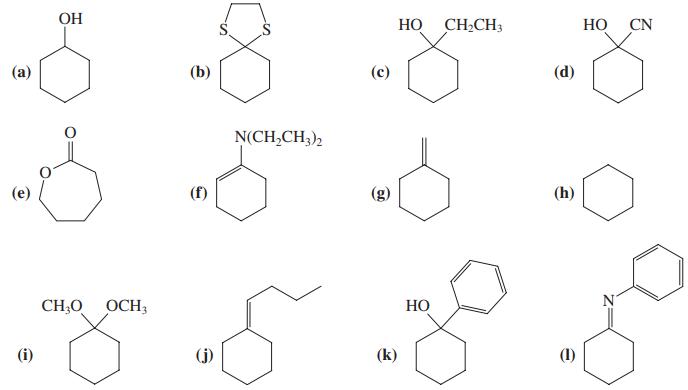
Reaction review II. Without consulting the Reaction Road Map on p. 818, suggest reagents to convert cyclohexanone into each of the compounds below. -5 -8 - OH НО CH2CH3 Но CN (b) (с) (d) N(CH,CH,), (е) (f) (h) CH;O OCH; НО (i) (j) (k) (1)
Showing 600 - 700
of 2904
1
2
3
4
5
6
7
8
9
10
11
12
13
14
15
Last
Step by Step Answers

 Get 50% OFF
Claim Now
Get 50% OFF
Claim Now