New Semester
Started
Get
50% OFF
Study Help!
--h --m --s
Claim Now
Question Answers
Textbooks
Find textbooks, questions and answers
Oops, something went wrong!
Change your search query and then try again
S
Books
FREE
Study Help
Expert Questions
Accounting
General Management
Mathematics
Finance
Organizational Behaviour
Law
Physics
Operating System
Management Leadership
Sociology
Programming
Marketing
Database
Computer Network
Economics
Textbooks Solutions
Accounting
Managerial Accounting
Management Leadership
Cost Accounting
Statistics
Business Law
Corporate Finance
Finance
Economics
Auditing
Tutors
Online Tutors
Find a Tutor
Hire a Tutor
Become a Tutor
AI Tutor
AI Study Planner
NEW
Sell Books
Search
Search
Sign In
Register
study help
engineering
chemical reaction engineering
Elements Of Chemical Reaction Engineering 6th Edition H. Fogler - Solutions
a. Wolfram and Pythoni. Explain how I would change if the concentrations of CS2 and M were increased.ii. Explain how the light intensity varies with an increase in concentration of M.iii. Write two conclusions from your experiment in (i)–(ii).b. Wolfram and Pythoni. At very low values of KM in
Go to the LearnChemE screencast link for Chapter 9 (http://www.umich.edu/~elements/6e/09chap/learn-cheme-videos.html).1. View one of the screencast 5- to 6-minute video(1) PSSH,(2) Cell Growth,(3) Michaelis-Menten Kinetics in a CSTR,(4) Competitive Inhibition tutorials and list two of the most
Go to the Web site (http://www.umich.edu/~elements/6e/09chap/iclicker_ch9_q1.html) and view at least five i>clicker questions. Choose one that could be used as is, or a variation thereof, to be included on the next exam. You also could consider the opposite case: explaining why the question should
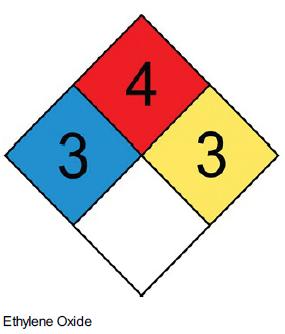
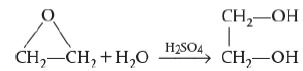
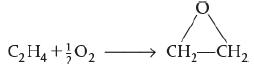
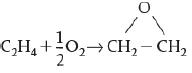
Go to Professor Herz’s Reactor Lab on the CRE Web site at www.reactorlab.net.a. Download Division 5, Lab 2 of the Reactor Lab from the CRE Web site for the selective oxidation of ethylene to ethylene oxide. Click the [i] info button to get information about the system. Perform experiments and
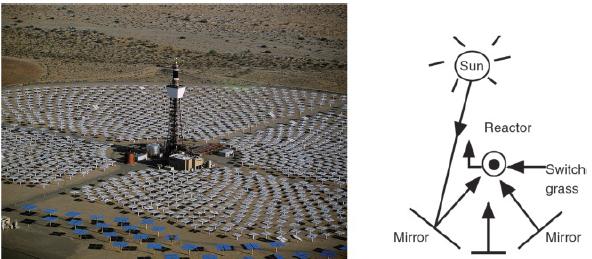
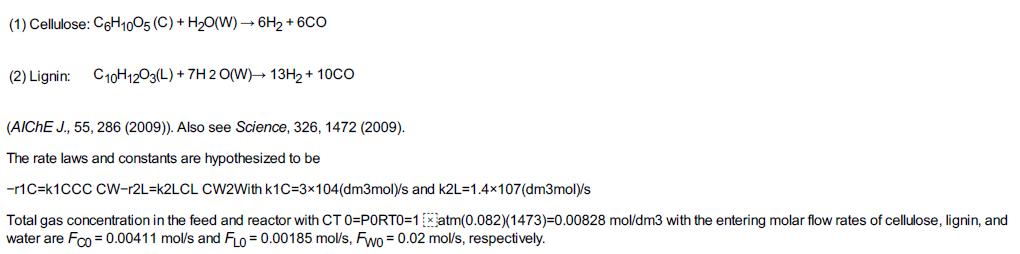
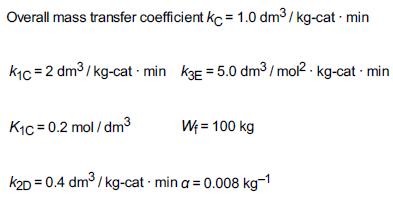
Solar thermal biochar gasification has also been studied at the University of Colorado (see Problem P8-16B). (Chemical Engineering and Processing: Process Intensification 48, 1279 (2009) and AIChE J., 55, 286 (2009).) While this process follows a shrinking core model (see Chapter 14), for the
Solar energy capture has great potential to help meet the world’s growing energy demand, which is 12 terawatts in 2010 and isexpected to rise to 36 terawatts in 2050. Professor Al Weiner and his students at the University of Colorado are engaged in developing methods of utilizing solar thermal
The ethylene epoxydation is to be carried out using a cesium-doped silver catalyst in a packed-bed reactor.Along with the desired reaction, the complete combustion of ethylene also occursIt is proposed to replace the conventional PBR with a membrane reactor in order to improve the selectivity. As a
The complex reactions involved in the oxidation of formaldehyde to formic acid over a Vanadium titanium oxide catalyst are shown below. Each reaction follows an elementary rate law.Sketch the trends or results you expect before working out the details of the problem.Let A = HCHO, B = O2, C = HCOOH,
The gas-phase reactions take place isothermally in a membrane reactor packed with catalyst. Pure A enters the reactor at 24.6 atm and 500 K, and a flow rate of A of 10 mol/min.Sketch the trends or results you expect before working out the details of the problem. Only species B diffuses out of the
In this problem, the complex reactions described below will first be carried out in the liquid phase (parts (a) through (d)) and then in the gas phase (parts (e) through (g)). One need not solve the liquid phase to solve the gas-phase problems. The following reactions are carried out
The following liquid-phase reactions were carried out in a CSTR at 325 K:Sketch the trends or results you expect before working out the details of the problem. The concentrations measured inside the reactor were CA = 0.10, CB = 0.93, CC = 0.51, and CD = 0.049 all in mol/dm3.a. What are the values
Terephthalic acid (TPA) finds extensive use in the manufacture of synthetic fibers (e.g., Dacron) and as an intermediate for polyester films (e.g., Mylar). The formation of potassium terephthalate from potassium benzoate was studied using a tubular reactor. It was found that the intermediates
The elementary liquid-phase series reaction A→k1B→k2C is carried out in a 500-dm3 batch reactor. The initial concentration of A is 1.6 mol/dm3. The desired product is B, and separation of the undesired product C is very difficult and costly. Because the reaction is carried out at a relatively
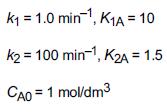
Consider the reactionA→k1D→k2UPure A is fed to a 1.0-dm3 CSTR where it reacts to form a desired product (D), which can then react further to produce an undesired product (U); both reactions are elementary and irreversible, and everything is liquid phase. The entering concentration of A is 1
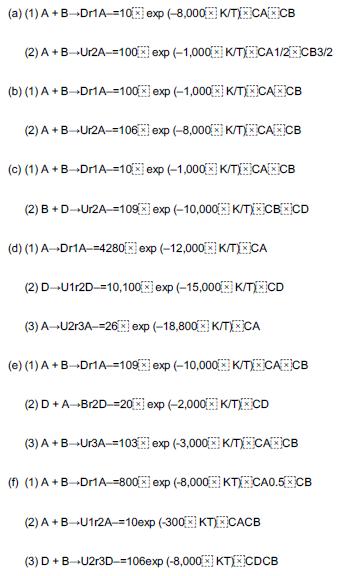
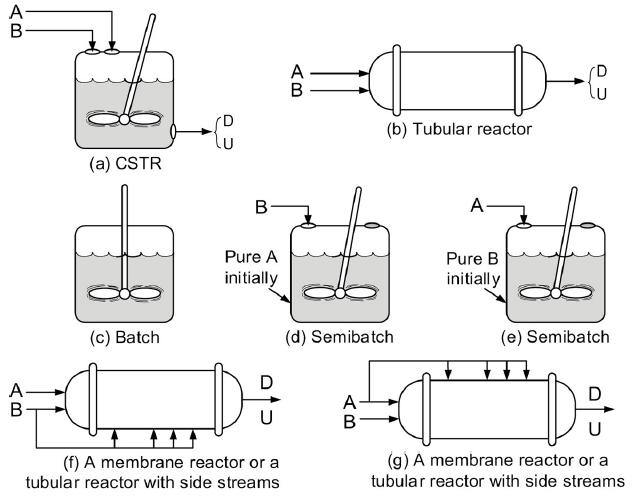
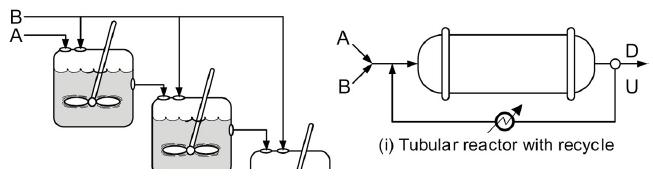
For each of the following sets of reactions, describe your reactor system and conditions to maximize the selectivity to D. Make sketches where necessary to support your choices. The rates are in (mol/dm3 · s), and concentrations are in (mol/dm3). (a) (1) A + B DM1A-10 exp (-8,000 K/T)X CA CB (2)
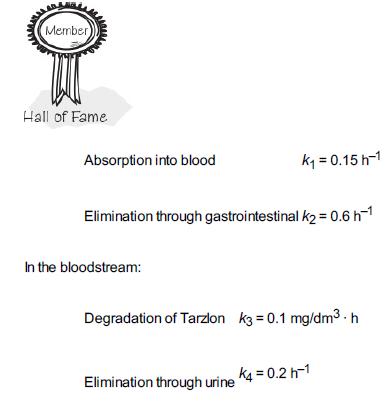
Tarzlon is a liquid antibiotic that is taken orally to treat infections of the spleen. It is effective only if it can maintain a concentration in the bloodstream (based on volume of body fluid) above 0.4 mg per dm3 of body fluid. Ideally, a concentration of 1.0 mg/dm3 in the blood should be
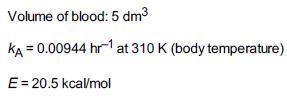
Pharmacokinetics concerns the ingestion, distribution, reaction, and elimination reaction of drugs in the body. Consider the application of pharmacokinetics to one of the major problems we have in the United States, drinking and driving. Here, we shall model how long one must wait to drive after
Consider the following system of gas-phase reactions:A→XrX=k1CA1/2k1=0.004(mol/dm3)1/2⋅min−1A→BrB=k2CAk2=0.3 min−1A→YrY=k3CA2k3=0.25 dm3/mol⋅minB is the desired product, and X and Y are foul pollutants that are expensive to get rid of. The specific reaction rates are at 27°C. The
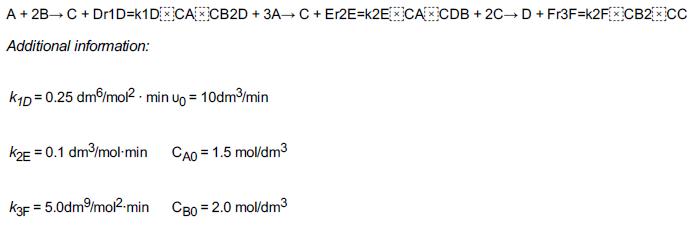
The following reactionstake place in a batch reactor.Additional information:a. Plot and analyze conversion and the concentrations of A, D, and U as a function of time. When would you stop the reaction to maximize the concentration of D?Describe what you find.b. When does the maximum concentration
Download the Interactive Computer Game (ICG) The Great Race from the CRE Web site (http://www.umich.edu/~elements/6e/icm/index.html). Play the game and then record your performance number for the module, which indicates your mastery of the material. Your professor has the key to decode your
a. Example 8-1: Trambouze ReactionsWolfram1. Fix k2 at 0.015 and then describe how the selectivity varies with k1 and k3.2. Write a conclusion about your experiments.Polymath3. What would have been the selectivity, SB/XY, and conversion, X, if the reaction had been carried out in a single PFR with
Go to the LearnChemE page for Extra Help in Chapter 8 on the Web (http://www.umich.edu/~elements/6e/08chap/learn-cheme-videos.html). Choose two or three of the screencasts.1. List five points that expanded on the material in the text.2. Write a two-sentence evaluation; for example, what was good,
1. Reactant A has been unsuccessful in courting/dating reactant B because of a completing reaction. The matchmaker advises that the only way a will succeed is to raise the temperature. Is this a sure-fire idea? Will that work?a. Make up and solve an original problem to illustrate the principles of
Go to the Web site (http://www.umich.edu/~elements/6e/08chap/iclicker_ch8_q1.html) and view at least five i>clicker questions. Choose one that could be used as is, or a variation thereof, to be included on the next exam. You also could consider the opposite case: explaining why the question should
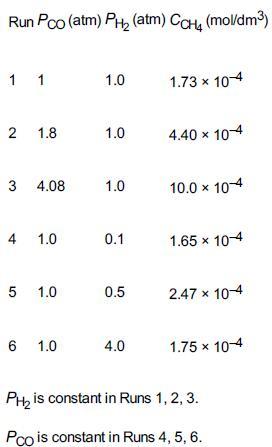
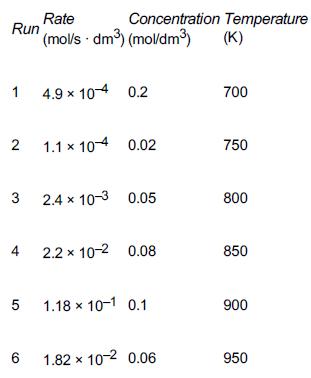
The thermal decomposition of isopropyl isocyanate was studied in a differential packed-bed reactor. From the data in Table P7-12A, determine the reactionrate-law parameters.TABLE P7-12A RAW DATA Run 1 3 Concentration Temperature (K) Rate (mol/s- dm) (mol/dm) 2 1.1 x 10⁴ 0.02 6 4.9 104 0.2 2.4 x
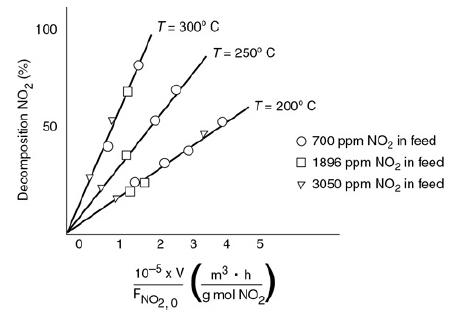
Tests were run on a small experimental reactor used for decomposing nitrogen oxides in an automobile exhaust stream. In oneseries of tests, a nitrogen stream containing various concentrations of NO2 was fed to a reactor, and the kinetic data obtained are shown in Figure P7-11A. Each point
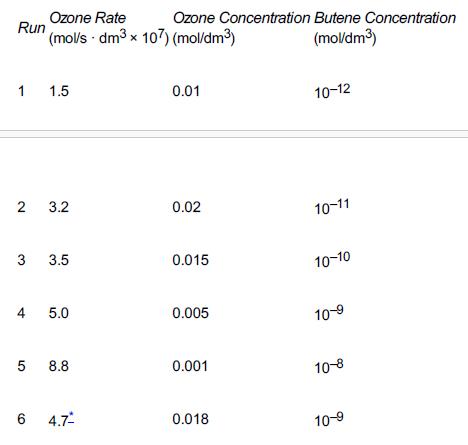
The reactions of ozone were studied in the presence of alkenes (from R. Atkinson et al., Int. J. Chem. Kinet., 15(8), 721). The data in Table P7-10C are for one of the alkenes studied, cis-2-butene. The reaction was carried out isothermally at 297 K. Determine the rate law and the values of the
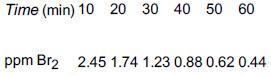
In order to study the photochemical decay of aqueous bromine in bright sunlight, a small quantity of liquid bromine was dissolved in water contained in a glass battery jar and placed in direct sunlight. The following data were obtained at 25°C:a. Determine whether the reaction rate is zero, first,
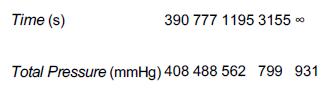
The following data were reported (from C. N. Hinshelwood and P. J. Ackey, Proc. R. Soc. [Lond]., A115, 215) for a gas-phase constant-volume decomposition of dimethyl ether at 504°C in a batch reactor. Initially, only (CH3)2O was present.a. Why do you think the total pressure measurement at t = 0
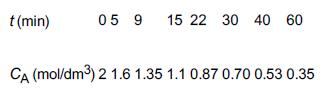
The reaction A → B + C was carried out in a constant-volume batch reactor where the following concentration measurements were recorded as a function of time.Use nonlinear least squares (i.e., regression) and one other method to determine the reaction order, α, and the specific reaction rate, k.
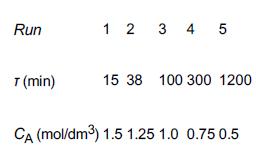
The liquid-phase irreversible reaction A → B + C is carried out in a CSTR. To learn the rate law, the volumetric flow rate, υ0, (hence τ = V/υ0) is varied and the effluent concentrations of species A are recorded as a function of the space time τ. Pure A enters the reactor at a concentration
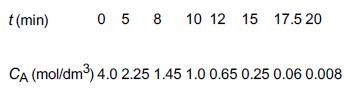
The irreversible isomerization A→B was carried out in a constant-volume batch reactor and the following concentration–time data were obtained:Determine the reaction order = and the specific reaction rate k in appropriate units. t (min) 0 5 8 10 12 15 17.5 20 CA (mol/dm) 4.0 2.25 1.45 1.0 0.65
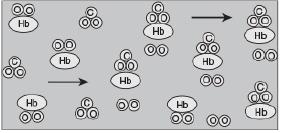
When arterial blood enters a tissue capillary, it exchanges oxygen and carbon dioxide with its environment, as shown in this diagram.The kinetics of this deoxygenation of hemoglobin in blood was studied with the aid of a tubular reactor by Nakamura and Staub (J. Physiol., 173,
Skiing Hand Warmers. Once a year, Professor Dr. Sven Köttlov loves to go skiing with his students in the mountains of Jofostan. Before going, he retires to his basement in his small but adequate university housing to make hand warmers for everyone. B. Opegdra, A.M.R.P. Journal of Chemical
1. Download the Interactive Computer Game (ICG) from the CRE Web site (http://www.umich.edu/~elements/6e/icm/ecology.html). Play the game and then record your performance number for the module that indicates your mastery of the material. Your professor has the key to decode your performance number.
a. The reaction A + B → C occurs in the liquid phase. The proposed empirical rate law is −rA=A exp(−E/RT)CAαCBβ. Look at the values of s2 as a function of α. At what value of α is s2 minimized?1. Vary β keeping A fixed and describe what you find.2. Vary A keeping β fixed and describe
Go to the LearnChemE screencasts link for Chapter 7 (http://www.umich.edu/~elements/6e/07chap/learn-cheme-videos.html).1. View the two screencasts on nonlinear regression and describe or list any differences between the two videos. Would you recommend these screencasts be assigned to next year’s
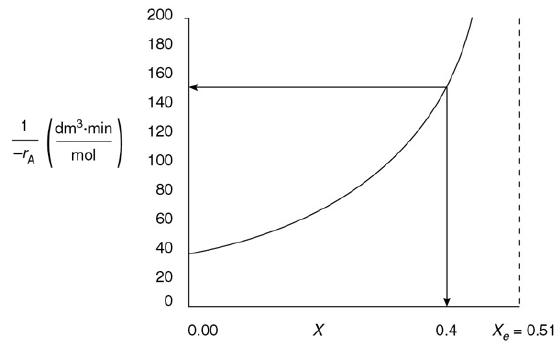
An isothermal reversible reaction A ⇄ B is carried out in an aqueous solution. The reaction is first-order in both directions. The forward rate constant is 0.4 h–1 and the equilibrium constant is 4.0. The feed to the plant contains 100 kg/m3 of A and enters at the rate of 12 m3/h. Reactor
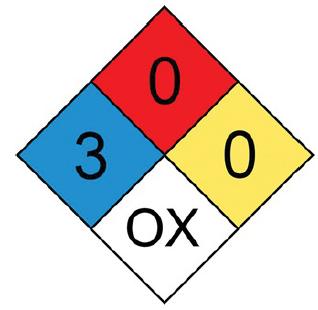
Use the reaction data in Problem P6-11B and the molar flow rate algorithm to carry out the following problems:a. Calculate the CSTR volume to achieve 80% of the equilibrium conversion for an equal molar feed and for a volumetric feed of 0.05 dm3/s.b. Safety. Now consider the case where we want to
Pure butanol is to be fed into a semibatch reactor containing pure ethyl acetate to produce butyl acetate and ethanol. The reactionCH3COOC2H5+C4H9OH ⇄ CH3COOC4H9+C2H5OHis elementary and reversible. The reaction is carried out isothermally at 300 K. At this temperature, the equilibrium constant is
Go to Professor Herz’s Reactor Lab Web site at www.reactorlab.net. From the menu at the top of the page, select Download and then click on the English version link. Provide the required information and then download, install, and open the software. Select Division D2, Lab L2 and there the labeled
The following elementary reaction is to be carried out in the liquid phaseNaOH+CH3COOC2H5→CH3COO−Na++C2H5OHThe initial concentrations are 0.2 M in NaOH and 0.25 M in CH3COOC2H5 with k = 5.2 × 10⁻⁵ dm3/mol·s at 20°C with E = 42,810 J/mol. Design a set of operating conditions (e.g., υ0, T,
The production of ethylene glycol from ethylene chlorohydrin and sodium bicarbonateCH2OHCH2Cl + NaHCO3 → (CH2OH)2 + NaCl + CO2↑is carried out in a semibatch reactor. A 1.5-molar solution of ethylene chlorohydrin is fed at a rate of 0.1 mol/min to 1500 dm3 of a 0.75-molar solution of sodium
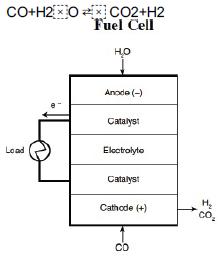
With the focus on alternative clean-energy sources, we are moving toward an increased use of fuel cells to operate appliances rangingfrom computers to automobiles. For example, the hydrogen/oxygen fuel cell produces clean energy as the products are water and electricity, which may lead to a
The first-order, gas-phase, reversible reaction A←→B+2C is taking place in a membrane reactor. Pure A enters the reactor, and B diffuses out through the membrane. Unfortunately, a small amount of the reactant A also diffuses through the membrane.a. Plot and analyze the flow rates of A, B, and C
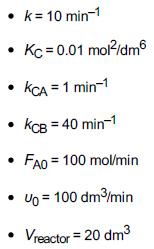
For the reaction and data in Problem P6-4B, we now consider the case when the reaction is reversible with KC = 0.025 dm6/mol2 and the reaction is carried out at 300 K in a membrane reactor where C2H6 is diffusing out. The membrane transport coefficient is kC = 0.08 s–1.a. What is the equilibrium
The elementary gas-phase reaction(CH3)3COOC(CH3)3 → C2H6 + 2CH3COCH3A → B + 2C is carried out isothermally at 400 K in a flow reactor with no pressure drop. The specific reaction rate at 50°C is 10–4 min–1 (from pericosity data) and the activation energy is 85 kJ/mol. Pure di-tert-butyl
The second-order liquid-phase reactionC6H5COCH2Br + C6H5N → C6H5COHCH2NC5H5Bris carried out in a batch reactor at 35°C. The specific reaction-rate constant is 0.0445 dm3/mol/min. Reactor 1 is charged with 1000 dm3, where the concentration of each reactant after mixing is 2M.a. What is the
Download the Interactive Computer Games (ICG) from the CRE Web site (http://www.umich.edu/~elements/6e/icm/tictac.html). Play the game and then record your performance number, which indicates your mastery of the material. Your instructor has the key to decode your performance number. Knowledge of
List two similarities and two differences between the Safety Analysis of the Incident Algorithm and the BowTie Diagram.a. Example 6-1: Gas-Phase Reaction in a Microreactor Wolfram and Python1. Use Wolfram and/or Python to Compare what happens when T and EA are each set at their maximum and minimum
Read through all the problems at the end of this chapter. Make up and solve an original problem based on the material in this chapter.(a) Use real data and reactions for further instructions.(b) Make up a reaction and data.(c) Use an example from everyday life
Go to Professor Herz’s Reactor Lab on the Web at www.reactorlab.net. Click on Download and then click on the English version link. Provide the information asked and then click Download. Select Division 2, Lab 2 of The Reactor Lab concerning a packed-bed reactor (labeled PFR) in which a gas with
The gas-phase reaction A + B → C + D takes place isothermally at 300 K in a packed-bed reactor in which the feed is equal molar in A and B with CA0 = 0.1 mol/dm3. The reaction is second order in A and zero order in B. Currently, 50% conversion is achieved in a reactor with 100 kg of catalysts for
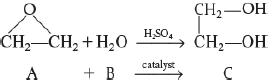
Ethyl acetate is an extensively used solvent and can be formed by the vapor-phase esterification of acetic acid and ethanol.The chemical equation shows the formation of Ethyl acetate by the vapor phase esterification of acetic acid and ethanol. Methyl methanoate (CH3 single-bonded with C
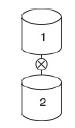
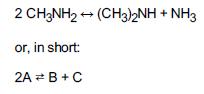
Walter White, Jesse Pinkman, and Mike Ehrmantraut stole 1000 gal of methylamine during an episode of the TV series Breaking Bad (See Season 4, Episode 10). Shortly thereafter, Jesse and Mike decided they would get out of the cooking business and sell their shares of the methylamine. Walter wanted
A very proprietary industrial waste reaction, which we’ll code as A → B + S, is to be carried out in a 10-dm3 CSTR followed by a 10-dm3 PFR. The reaction is elementary, but A, which enters at a concentration of 0.001 mol/dm3 and a molar flow rate of 20 mol/min, has trouble decomposing. The
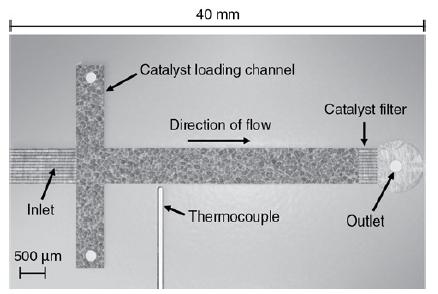
A microreactor from the MIT group similar to the one shown in Figure P5-21B was used to produce phosgene in the gas phase.A figure depicts a Microreactor of size 40mm. At first, the microreactor has an inlet. A catalyst loading channel is attached to the inlet and the direction of flow is indicated
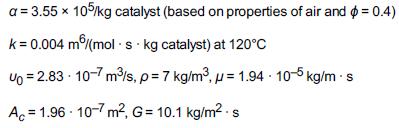
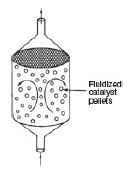
The irreversible first-order (wrt partial pressure of A) gas-phase reaction A → B is carried out isothermally in a “fluidized” catalytic CSTR containing 50 kg of catalyst. Currently, 50% conversion is realized for pure A entering at a pressure of 20 atm. There is virtually no pressure drop in
It is desired to carry out the gaseous reaction A → B in an existing tubular reactor consisting of 50 parallel tubes 40 ft long with a 0.75-in. inside diameter. Bench-scale experiments have given the reaction rate constant for this first-order reaction as 0.00152 s–1 at 200°F and 0.0740 s–1
A total of 2500 gal/h of metaxylene is being isomerized to a mixture of orthoxylene, metaxylene, and paraxylene in a reactor containing 1000 ft3 of catalyst. The reaction is being carried out at 750°F and 300 psig. Under these conditions, 37% of the metaxylene fed to the reactor is isomerized. At
Compound A undergoes a reversible isomerization reaction, A ⇄ B, over a supported metal catalyst. Under pertinent conditions, A and B are liquid, miscible, and of nearly identical density; the equilibrium constant for the reaction (in concentration units) is 5.8. In a fixed-bed iso-thermal flow
The gaseous reaction A → B has a unimolecular reaction rate constant of 0.0015 min–1 at 80°F. This reaction is to be carried out in parallel tubes 10 ft long and 1 in. inside diameter, under a pressure of 132 psig at 260°F. A production rate of 1000 lb/h of B is required. Assuming an
The dehydration of butanol is carried out over a silica-alumina catalyst at 680 K.CH3CH2CH2CH2OH→catCH3CH=CHCH3+H2OThe rate law is −rBu′=kPBu(1+KBuPBu)2with k = 0.054 mol/gcat•h•atm and KBu = 0.32 atm–1. Pure butanol enters a thin-tubed, packed-bed reactor at a molar flow rate of 50
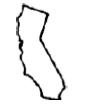
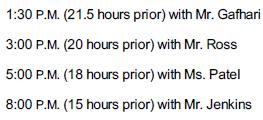
While on his way home from a concert by Ann Arbor’s own Bob Seger at Pine Knob, during his visit to Michigan, world famous Inspector Sgt. Nigel Ambercromby was called in from Scotland Yard when the body of Ian Shoemaker, an English businessman, was discovered outside his home at 6 A.M. the
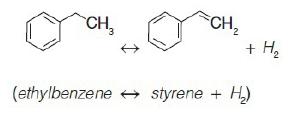
The reversible gas-phase elementary reactionThe chemical equation shows the formation of Ethyl benzene by the gas-phase reversible reaction of styrene and two molecules of hydrogen. Styrene (CH2 double bonded with six carbon rings including three double bonds) reacts with two molecules of hydrogen
The irreversible elementary gas-phase reaction A+B→C+D is carried out isothermally at 305 K in a packed-bed reactor with 100 kg of catalyst.The entering pressure was 20 atm and the exit pressure is 2 atm. The feed is equal molar in A and B and the flow is in the turbulent flow regime, with FA0 =
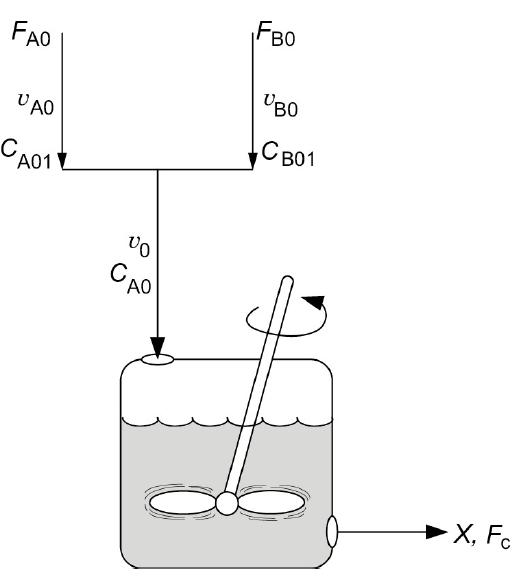
a. A liquid-phase isomerization A → B is carried out in a 1000-gal CSTR that has a single impeller located halfway down the reactor. The liquid enters at the top of the reactor and exits at the bottom. The reaction is second order. Experimental data taken in a batch reactor predicted the CSTR
The liquid-phase reaction A + B → C follows an elementary rate law and is carried out isothermally in a flow system. The concentrations of the A and B feed streams are each 2 M before mixing. The volumetric flow rate of each stream is 5 dm3/min, and the entering temperature is 300 K. The streams
The elementary gas-phase reaction A → B takes place isobarically and isothermally in a PFR where 63.2% conversion is achieved. The feed is pure A. It is proposed to put a CSTR of equal volume upstream of the PFR. Based on the entering molar flow rate of A to the first reactor, what will be the
The irreversible gas-phase reaction A → B + C follows an elementary rate law and is to be carried out first in a PFR and then in a separate experiment in a CSTR. When pure A is fed to a 10 dm3 PFR at 300 K and a volumetric flow rate of 5 dm3/s, the conversion is 80%. When a mixture of 50% A and
A reversible liquid-phase isomerization A ⇄ B is carried out isothermally in a 1000-gal CSTR. The reaction is second order in both the forward and reverse directions. The liquid enters at the top of the reactor and exits at the bottom. Experimental data taken in a batch reactor shows the CSTR
The elementary gas-phase reaction 2A → B is carried out in a constant-volume batch reactor where 50% conversion is achieved in 1 hour. Pure A is charged to the reactor at an initial concentration of 0.2 mol/dm3. If the same reaction is carried out in a CSTR, what volume would be necessary to
In each of the cases below, (a) through (e), you will need to explain why you chose the answer you did. The elementary isomerization exothermic reaction A ⇄ catB is carried out isothermally at 400 K in a PBR in which pressure drop plays a role, with α = 0.001 kg–1. Currently, 50% conversion is
In each case, you will need to explain the reason you chose the answer you did.a. An irreversible, liquid-phase, second-order reaction, A → Product(s), proceeds to 50% conversion in a PFR operating isothermally, isobarically, and at steady state. What conversion would be obtained if the PFR
ICG—Mystery Theater—A real “who done it?,” see Pulp and Paper, 25 (January 1993) and also Pulp and Paper, 9 (July 1993). The outcome of the murder trial is summarized in the December 1995 issue of Papermaker. You will use fundamental chemical engineering From identify the victim and the
What if you were asked to explore the example problems in this chapter to learn the effects of varying the different parameters? This sensitivity analysis can be carried out by downloading the examples from the CRE Web site (www.umich.edu/~elements/6e/index.html, under Living Example Problems
Example 5-2. (1) What conversion would be achieved if three 800-gal CSTRs were placed in series?(2) In parallel with the feed equally divided?(3) What are the advantages and disadvantages of adding this third reactor?(4) FA0 = FA0, that conversion achieved in any one of the reactors will be
Example 5-1. (1) What would be the error in k if the batch reactor were only 80% filled with the same concentrations of reactants, instead of being completelyfilled as in the example?(2) What generalizations can you draw from this example?Example 5-1It is desired to design a CSTR to produce 200
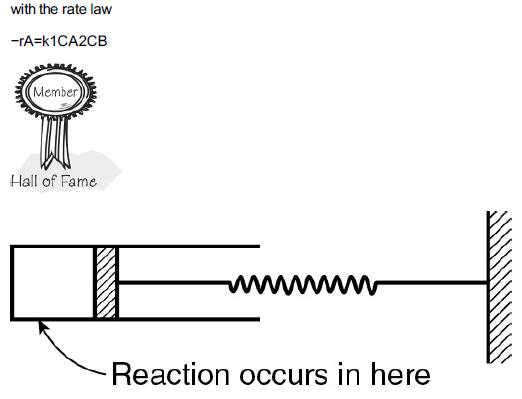
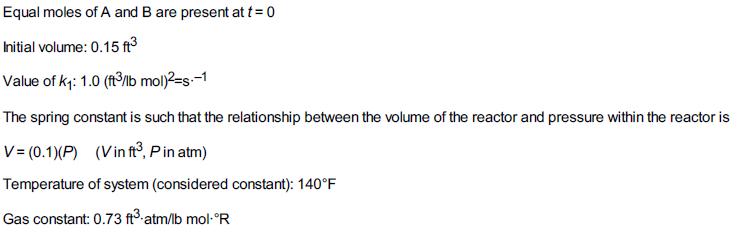
Consider a cylindrical batch reactor that has one end fitted with a frictionless piston attached to a spring. The reaction A + B → 8CA cylindrical batch reactor is placed. A frictionless piston on the cylinder is attached to a spring, which is, in turn fixed to a vertical fixed support. The
Repeat parts (a)–(c) of Problem P4-11B for the reaction 3A ⇄ C Pure A enters at 400 K, 10 atm and the equilibrium constant is KC = 2.5 (dm3/mol)2. Compare the equilibrium conversions in Problems P4-11B and P4-12B. Explain the trends, for example, is Xe for constant pressure always greater than
Consider the elementary gas-phase reversible reaction is carried out isothermically A ⇄ 3C Pure A enters at a temperature of 400 K and a pressure of 10 atm. At this temperature, KC = 0.25(mol/dm3)2. Write the rate law and then calculate the equilibrium conversion for each of the following
The elementary reversible reaction 2A ⇄ B is carried out isothermally in a flow reactor with no pressure drop and where pure A is fed at a concentration of 4.0 mol/dm3. If the equilibrium conversion is found to be 60%a. What is the equilibrium constant, KC, if the reaction occurs in the gas
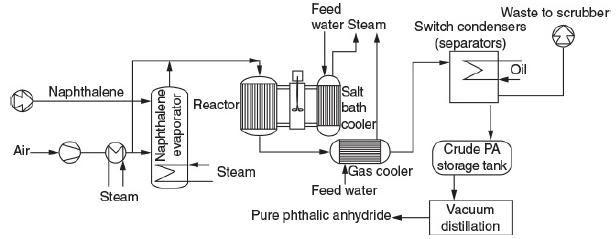
There were 820 million pounds of phthalic anhydride produced in the United States in 1995. One of the end uses of phthalic anhydride is in the fiberglass of sailboat hulls. Phthalic anhydride can be produced by the partial oxidation of naphthalene in either a fixed or a fluidized catalytic bed. A
The gas-phase reaction 12N2+32H2→NH3 is to be carried out isothermally first in a flow reactor. The molar feed is 50% H2 and 50% N2, at a pressure of 16.4 atm and at a temperature of 227°C.a. Construct a complete stoichiometric table.b. Express the concentrations in mol/dm3 of each for the
Consider the following elementary gas-phase reversible reaction to be carried out isothermally with no pressure drop and for an equal molar feed of A and B with CA0 = 2.0 mol/dm3. 2A + B ⇄ Ca. What is the concentration of B initially? CB0 = ____ (mol/dm3)b. What is the limiting reactant? ______c.
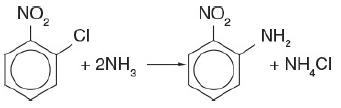
Orthonitroanaline (an important intermediate in dyes—called fast orange) is formed from the reaction of orthonitrochlorobenzene (ONCB) and aqueous ammoniaOrthonitrochlorobenzene and two molecules of ammonia (2NH3) react to form orthonitroaniline and ammonium chloride (NH4Cl).The liquid-phase
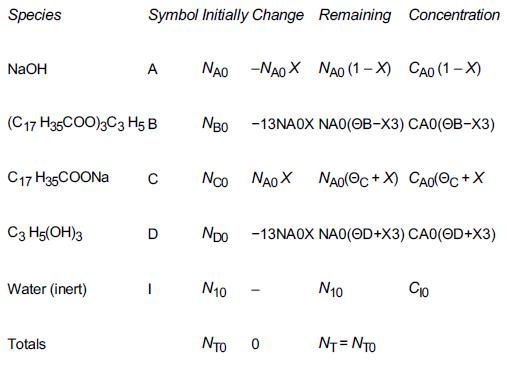
Set up a stoichiometric table for each of the following reactions and express the concentration of each species in the reaction as a function of conversion, evaluating all constants (e.g., =, =). Next, assume the reaction follows an elementary rate law, and write the reaction rate solely as a
The elementary gas reaction 2A + B → C is carried out isothermally in a PFR with no pressure drop. The feed is equal molar in A and B, and the entering concentration of A is 0.1 mol/dm3. Set up a stoichiometric table and then determine the following.a. What is the entering concentration (mol/dm3)
The elementary reversible reaction 2A ⇄ B is carried out in a flow reactor where pure A is fed at a concentration of 4.0 mol/dm3. If the equilibrium conversion is found to be 60%,a. What is the equilibrium constant, KC if the reaction is a gas-phase reaction?b. What is the KC if the reaction is a
Load the Interactive Computer Games (ICG) Kinetic Challenge from the CRE Web site. Play the game and then record your performance number for the module that indicates your mastering of the material. Your professor has the key to decode your performance number. ICG Kinetics Challenge Performance
(a) Wolfram and Python1. Vary ΘB and observe the change in reaction rate. Go to the extremes and explain what is causing the curve to change the way it does.2. Vary the parameters and list the parameters that have the greatest and the least effect on the reaction rate.3. Write a set of conclusions
How would the answer change if the initial concentration of glyceryl stearate were 3 mol/dm3? Rework Example 4-2 correctly using the information given in the problem statement.Example 4-2Having set up the stoichiometric table in Example 4-1, one can now readily use it to calculate the
Go to the Web site (http://www.umich.edu/~elements/6e/04chap/iclicker_ch4_q1.html) and view at leave five i>clicker questions. Choose one that could be used as is, or a variation thereof, to be included on the next exam. You also could consider the opposite case, explaining why the question should
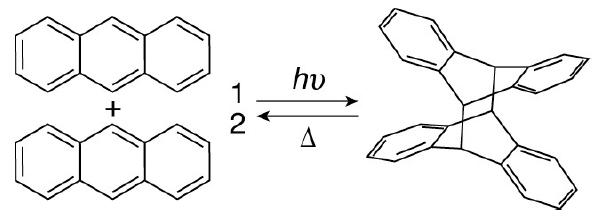
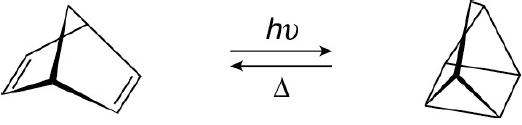
The major ways to utilize, capture, or store the sun’s energy are solar thermal solar voltaic, biomass conversion, solar water splitting and solar chemical. Solar chemical refers to processes that harness and store solar energy by adsorbing light in a reversible chemical reaction; see
The rate laws for each of the reactions listed below were obtained at low temperatures. The reactions are highly exothermic and therefore reversible at high temperatures. Suggest a rate law for each of the reactions [(a), (b), and (c)] at high temperatures, which may or may not be elementary.a. The
Write the rate law for the reaction 2A + B → C if the reaction1. is second order in B and overall third order, –rA = ______2. is zero order in A and first order in B, –rA = ______3. is zero order in both A and B, –rA = ______4. is first order in A and overall zero order, –rA = ______2.
Write the rate law for the following reactions assuming each reaction follows an elementary rate law. Give the units of kA for each, keeping in mind some are homogeneous and some reactants are heterogeneous.a. C2H6 → C2H4 + H2b.c. (CH3)3COOC (CH3)3 ⇄ C2H6 + 2CH3COCH3d. nC4H10 ⇄ iC4H10e.
Determine the rate law for the reaction described in each of the cases below involving species A, B, and C. The rate laws should be elementary as written for reactions that are either of the form A → B or A + B → C.a. The units of the specific reaction rate are k=[dm3mol⋅h]: Rate Law ______b.
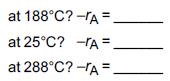
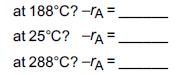
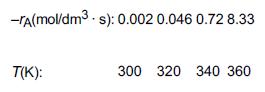
The initial reaction rate for the elementary reaction 2A + B → 4C was measured as a function of temperature when the concentration of A was 2 M and that of B was 1.5 M.a. What is the activation energy?b. What is the frequency factor?c. What is the rate constant as a function of temperature and T0
The rule of thumb that the rate of reaction doubles for a 10°C increase in temperature occurs only at a specific temperature for a given activation energy. Develop a relationship between the temperature and activation energy for which the rule of thumb holds. Neglect any variations in
Showing 100 - 200
of 748
1
2
3
4
5
6
7
8
Step by Step Answers

 Get 50% OFF
Claim Now
Get 50% OFF
Claim Now









![A k1D-1A = k1x [CA-CD/K1A]A K2U-r2Ax] = k2x [CA-CU/K2A]](https://s3.amazonaws.com/si.question.images/images/question_images/1697/1/7/7/0616528dde54ee4f1697177060686.jpg)



![t(min) 0 3 5 8 15 20 25 [% O] 21 15 12 10 5 3 2](https://s3.amazonaws.com/si.question.images/images/question_images/1697/1/7/1/9496528c9edebbf81697171949719.jpg)