New Semester
Started
Get
50% OFF
Study Help!
--h --m --s
Claim Now
Question Answers
Textbooks
Find textbooks, questions and answers
Oops, something went wrong!
Change your search query and then try again
S
Books
FREE
Study Help
Expert Questions
Accounting
General Management
Mathematics
Finance
Organizational Behaviour
Law
Physics
Operating System
Management Leadership
Sociology
Programming
Marketing
Database
Computer Network
Economics
Textbooks Solutions
Accounting
Managerial Accounting
Management Leadership
Cost Accounting
Statistics
Business Law
Corporate Finance
Finance
Economics
Auditing
Tutors
Online Tutors
Find a Tutor
Hire a Tutor
Become a Tutor
AI Tutor
AI Study Planner
NEW
Sell Books
Search
Search
Sign In
Register
study help
sciences
organic chemistry 6th
Organic Chemistry 6th Edition Marc Loudon, Jim Parise - Solutions
A mixture of p-cresol (4-methylphenol), pKa = 10.2, and 2,4-dinitrophenol, pKa = 4.11, is dissolved in ether. The ether solution is then vigorously shaken with one of the following aqueous solutions. Which solution effects the best separation of the two phenols by dissolving one in the water layer
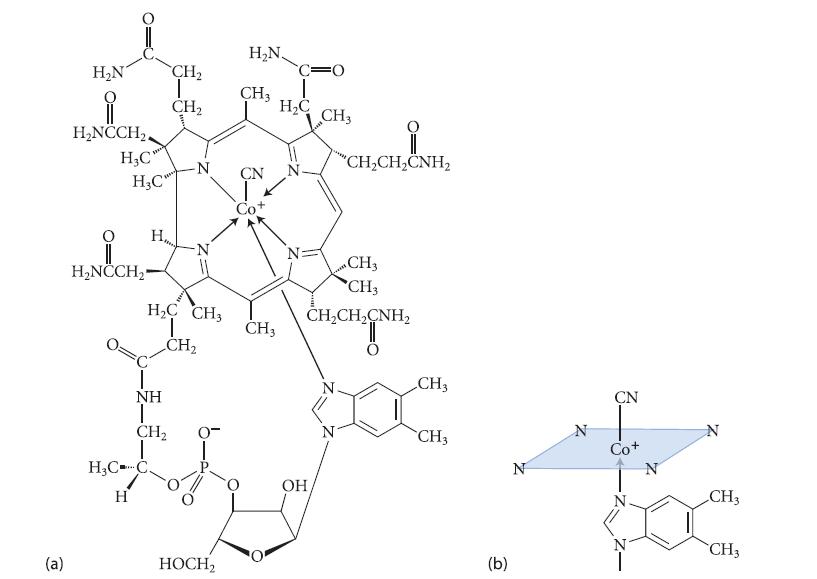
The structure of cyanocobalamin, one of the forms of vitamin B12. Notice that cyanocobalamin is a complex of the transition metal cobalt (Co).Characterize this compound in the following ways:(a) The oxidation state of the cobalt (b) The dn count (that is, the value of n)(c) The total electron
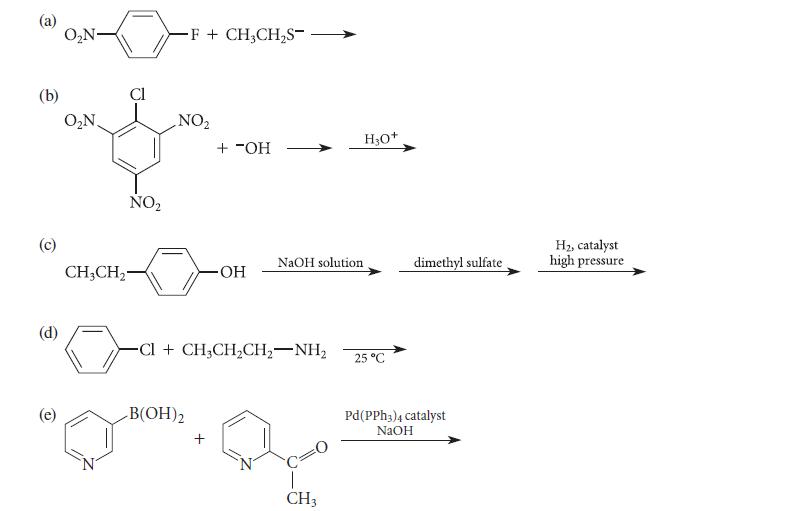
Complete each reaction given in Fig. P18.70, by giving the major organic product(s), and explain your reasoning. “No reaction” may be an appropriate response. (a) (b) (c) (d) O₂N- O₂N. Cl NO₂ CH3CH₂- -F + CH3CH₂S- NO₂ + -OH -B(OH)2 OH -Cl + CH3CH₂CH₂-NH₂ NaOH
Give the structure of the radical formed, and its resonance structures, when warfarin undergoes a one-electron oxidation.
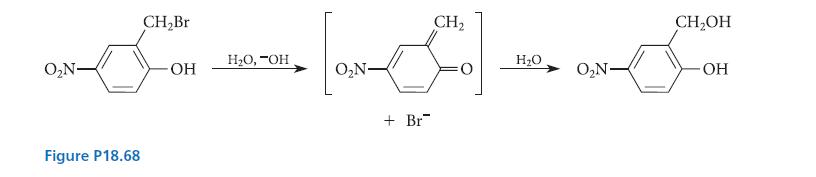
It has been suggested that the solvolysis of 2-(bromomethyl)-5-nitrophenol at alkaline pH values involves the intermediate shown in brackets. Give a curved-arrow mechanism for the formation of this intermediate and for its reaction with aqueous hydroxide ion to give the final product. O₂N- Figure
Provide the following information, and show how you obtained it, for the Fe(V) in the protoporphyrin IX group of cytochrome P450. In addition, verify the oxidation state of the iron.(a) The dn count (that is, the value of n)(b) The total electron count around the metal
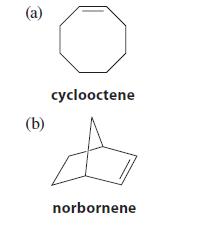
One use of alkene metathesis is to form polymers from cyclic alkenes (“ROMP,” for “ring-opening metathesis polymerization”). Give the structure of the polymer formed when each of the following alkenes is polymerized with an appropriate metathesis catalyst. (a) (b) cyclooctene norbornene
Suggest structures for X and Y in the reaction sequence given in Fig. P18.76, including their stereochemistry.Suggest a mechanism for the formation of Y. Notice that aluminum (Al) is just below boron (B) in the periodic table; to predict X, imagine that the Al is a B and ask how that compound
(a) 1,3-Cyclopentadiene undergoes a Diels–Alder reaction with itself to give a diene known commonly as endo-dicyclopentadiene. Give the structure of this diene.(b) When endo-dicyclopentadiene is subjected to ROMP, a polymer is formed that is so strong that a 1-inch-thick block will stop a 9 mm
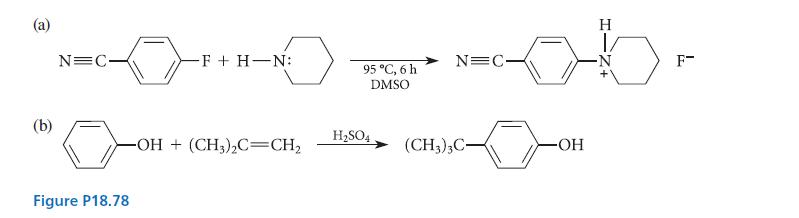
Draw curved-arrow mechanisms for the reactions given in Fig. P18.78. (a) (b) N=C Figure P18.78 -F + H-N: -OH(CH3)2C=CH₂ 95 °C, 6 h DMSO H₂SO4 N=C- (CH3)3C- H ob. -OH F-
In some Pd(0)-catalyzed reactions, a Pd(II) compound such as PdCl2 can be used instead of Pd(0), but it is assumed that the Pd(II) is reduced to Pd(0) in the reaction.Give both the product and the curved-arrow mechanism for reduction of PdCl2 to Pd(0) by ;PPh3.
The reaction given in Fig. P18.82, used to prepare the drug mephenesin (a skeletal muscle relaxant), appears to be a simple Williamson ether synthesis. During this reaction, a precipitate of NaCl forms after only about 10 minutes, but a considerably longer reaction time is required to obtain a
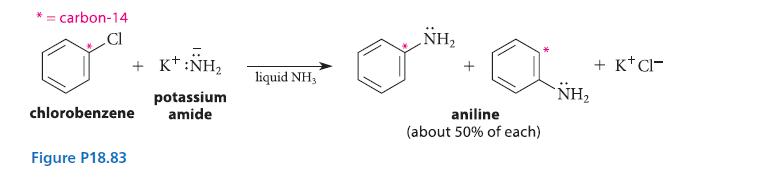
In 1960, a group of chemists led by Prof. John D. Roberts at Caltech reported that when chlorobenzene containing a 14C isotopic label at carbon-1 is treated with the very strong base potassium amide, a substitution product, aniline, is formed in which the isotopic label is equally distributed
Explain why the dipole moment of 4-chloronitrobenzene (2.69 D) is less than that of nitrobenzene (3.99 D), and the dipole moment of p-nitroanisole (1-methoxy-4-nitrobenzene, 4.92 D) is greater than that of nitrobenzene, even though the electronegativities of chlorine and oxygen are about the same.
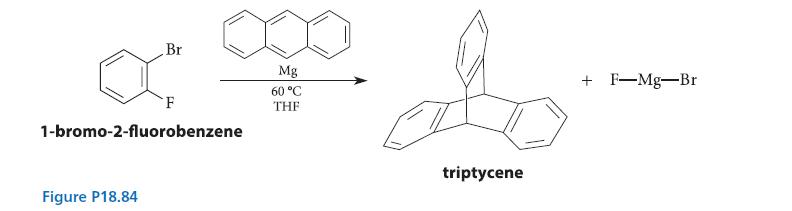
In the conversion shown in Fig. P18.84, the Diels–Alder reaction is used to trap a very interesting intermediate by its reaction with anthracene. From the structure of the product, deduce the structure of the intermediate. Then write a mechanism that shows how the intermediate is formed from the
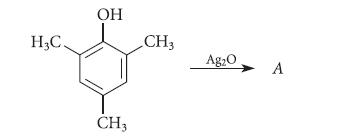
Propose a structure for the product A obtained in the following oxidation of 2,4,6-trimethylphenol. (Compound A is an example of a rather unstable type of compound called generally a quinone methide.)Proton NMR of A: δ 1.90 (6H), δ 5.49 (2H), δ 6.76 (2H), all broad singlets.
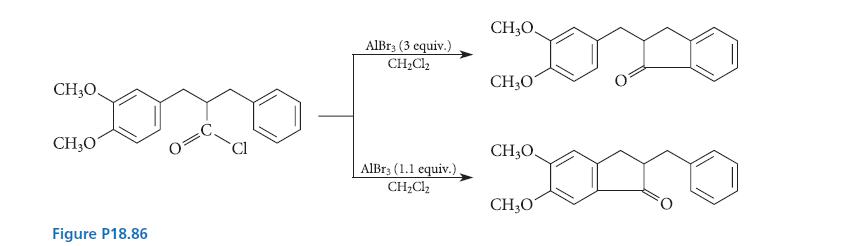
For the reactions given in Fig. P18.86, explain why different products are obtained when different amounts of AlBr3 catalyst are used. CH,O. CH₂O Figure P18.86 AlBrs (3 equiv.) CH₂Cl₂ AlBr3 (1.1 equiv.) CH₂Cl₂ CH,O, Domo CH307 CH3O CH3O
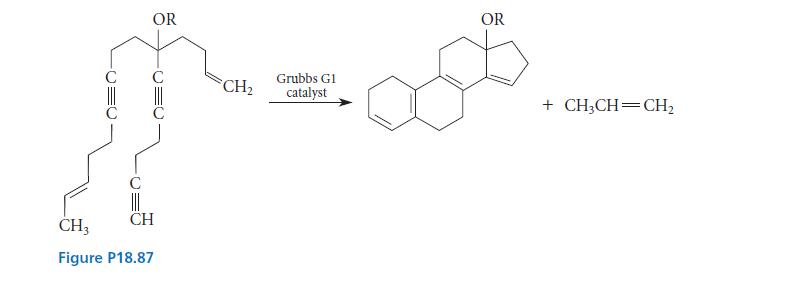
Give a mechanism for the reaction in Fig. P18.87 by showing the catalytic intermediates. OR OEC CH CH3 Figure P18.87 CH₂ Grubbs Gl catalyst OR + CH3CH=CH₂
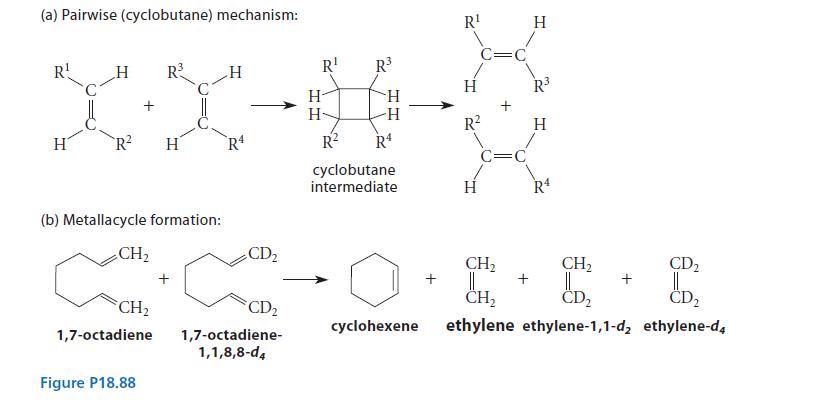
Two general mechanisms (or various versions of them) for alkene metathesis were originally considered. In the first (pairwise) mechanism, shown in Fig. P18.88, the catalyst brings about cyclobutane formation between two alkenes. The second mechanism involves metallacycle formation.(a) The
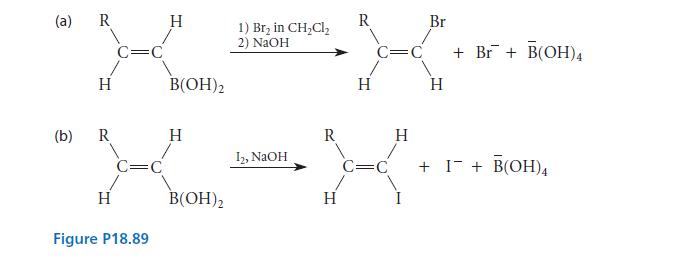
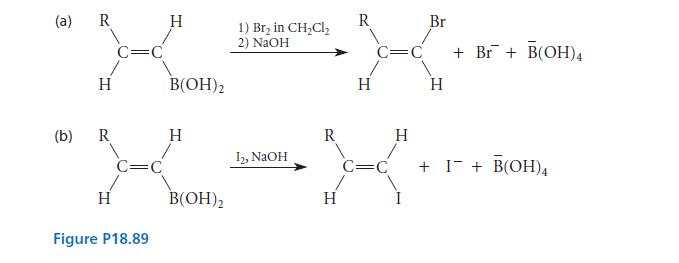
When vinylic boronic acids are treated with Br2 and then with NaOH, vinylic bromides are formed with inversion of configuration, as shown in Fig. P18.89a. But when vinylic boronic acids are treated with I2 in the presence of NaOH, vinylic iodides are formed with retention of configuration, as shown
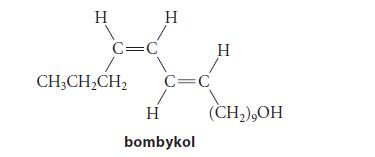
Bombykol is the mating pheromone of the female silkworm moth.Using the result in Problem 18.89, propose a synthesis of bombykol, using both H—C ≡ C(CH2)9OH (10-undecyne-1-ol) and 1-pentyne as starting materials.Problem 18.89When vinylic boronic acids are treated with Br2 and then with NaOH,
Potassium tri(isopropoxy)borohydride sometimes finds use as a source of nucleophilic H:– (hydride ion).Suggest a mechanism for the substitution reaction in Fig. P18.91 that accounts for the stereochemistry of the reaction. K+ H-B(OiPr)3 potassium tri(isopropoxy)borohydride
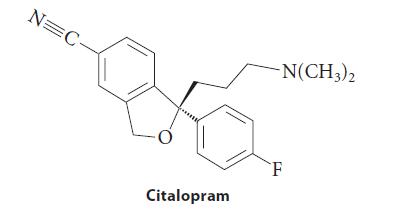
Citalopram is used as an antidepressant.A biologist, Heywood U. Clonum, has argued that this compound could be hazardous because it could release toxic cyanide (–C ≡ N) and fluoride ions by nucleophilic substitution reactions with biological nucleophiles such as water. Is this argument
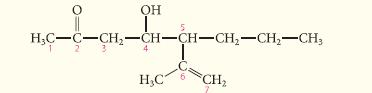
Provide a substitutive name for the following compound. (The numbers are used in the solution that follows.) OH wp-fm- 2 5 H₂C-C-CH₂-CH-CH-CH₂-CH₂-CH₂ H₂C CH₂
Propose a sequence of reactions for carrying out the following conversion. Br- C-CH3 HO–CH,CH C-CH3 (19.57)
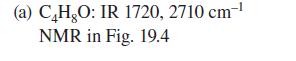
Deduce the structures of the following compounds. (a) C₂HgO: IR 1720, 2710 cm-¹ NMR in Fig. 19.4
Explain how IR spectra could be used to differentiate the isomers within each of the following pairs.(a) Cyclohexanone and hexanal (b) 3-cyclohexenone and 2-cyclohexenone (c) 2-butanone and 3-buten-2-ol
Outline a synthesis of butylbenzene from benzene and any other reagents.
Propose a structure for a compound C6H12O that has IR absorption at 1705 cm–1, no proton NMR absorption at a chemical shift greater than δ 3, and the following 13C NMR spectrum: δ 24.4, δ 26.5, δ 44.2, and δ 212.6. The resonances at δ 44.2 and δ 212.6 have very low intensity.
Outline two Wittig alkene syntheses of 2-methyl-1-hexene. Is one synthesis preferred over the other? Why?
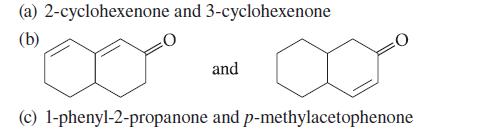
Explain how the compounds within each set can be distinguished using only UV spectroscopy. (a) 2-cyclohexenone and 3-cyclohexenone (b) and (c) 1-phenyl-2-propanone and p-methylacetophenone
The 13C NMR spectrum of 2-ethylbutanal consists of the following absorptions: δ 11.5, δ 21.7, δ 55.2, and δ 204.7. Draw the structure of this aldehyde, label each chemically nonequivalent set of carbons, and assign each absorption to the appropriate carbon(s).
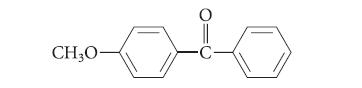
In neutral alcohol solution, the UV spectra of p-hydroxyacetophenone and p- methoxy acetophenone are virtually identical.When NaOH is added to the solution, the λmax of p-hydroxyacetophenone increases by about 50 nm, but that of p-methoxyacetophenone is unaffected. Explain these observations.
Explain each of the following observations resulting from a comparison of the mass spectra of 2-hexanone (A) and 3,3-dimethyl-2-butanone (B).(a) The m/z = 57 fragment peak is much more intense in the spectrum of B than it is in the spectrum of A.(b) The spectrum of compound A shows a fragment at
(a) Write an SN1 mechanism for the solvolysis of CH3OCH2Cl [(chloromethoxy)methane] in ethanol; draw appropriate resonance structures for the carbocation intermediate.(b) Explain why the alkyl halide in part (a) undergoes solvolysis much more rapidly than 1-chlorobutane. (In fact, it reacts in
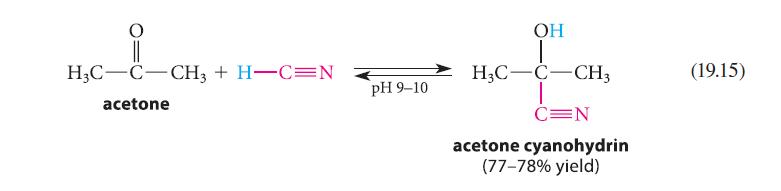
(a) Write a curved-arrow mechanism for the hydroxide-catalyzed hydration of acetaldehyde.(b) Write a curved-arrow mechanism for the decomposition of acetone cyanohydrin (Eq. 19.15) in aqueous hydroxide. Explain why the ketone–cyanohydrin equilibrium favors the ketone at high pH. H3C C CH3 +
Use resonance arguments to explain why (a) P-methoxybenzaldehyde is more basic than p-nitrobenzaldehyde.(b) 3-buten-2-one is more basic than 2-butanone.
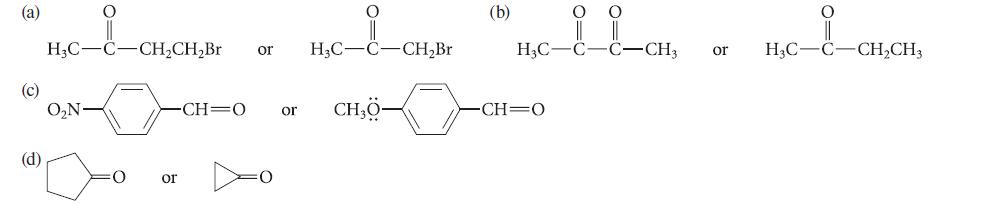
Within each set, which compound should be more reactive in carbonyl-addition reactions? Explain your choices. (a) (c) (d) O H₂C-C-CH₂CH₂Br O₂N or or H₂C- -CH=0 or CH₂0- -CH₂Br (b) O CH=O O H₂C-C-C-CH, or H3C-C-CH₂CH3
Write a curved-arrow mechanism for (a) The acid-catalyzed addition of methanol to benzaldehyde.(b) The methoxide-catalyzed addition of methanol to benzaldehyde.
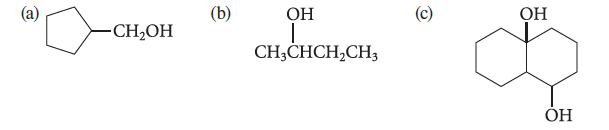
From what aldehyde or ketone could each of the following be synthesized by reduction with either LiAlH4 or NaBH4? З -CH₂OH (b) OH T CH3CHCH₂CH3 (c) OH OH
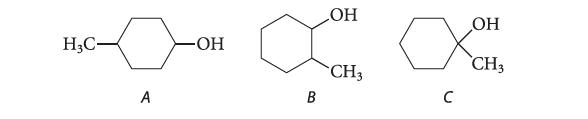
Which of the following alcohols could not be synthesized by a hydride reduction of an aldehyde or ketone? Explain. H3C- A -OH B OH CH3 с ОН CH3
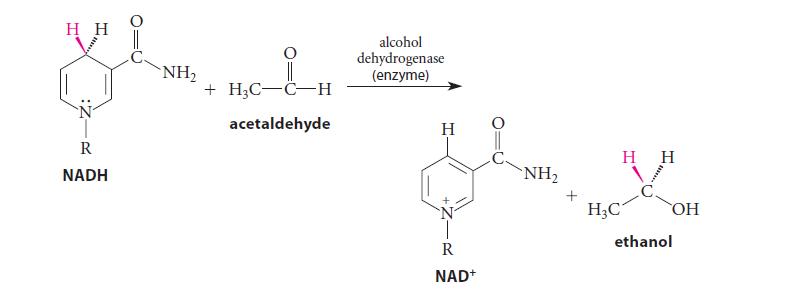
Yeast alcohol dehydrogenase catalyzes the reduction of acetaldehyde by NADH to ethanol in the last step of anaerobic fermentation.(a) The structure of this enzyme shows a Zn2+ ion (held in place by coordination with several amino acid side chains of the enzyme) that is required for catalysis near
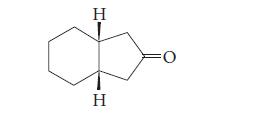
Give three different starting materials that might be used to obtain the following product by selective catalytic hydrogenation. H Η
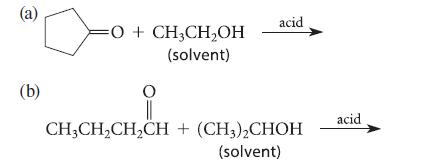
Write the structure of the product formed in each of the following reactions. (a) (b) O + CH3CH₂OH (solvent) acid CH3CH₂CH₂CH + (CH3)₂CHOH (solvent) acid
Outline three different Grignard syntheses for 3-methyl-3-hexanol.
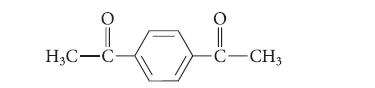
Outline a synthesis of the following compound from p-bromoacetophenone and any other reagents. H₂C-C- -C-CH3
Write a curved-arrow mechanism for the reaction in Eq. 19.62. (This is a base-catalyzed process; the base is sodium acetate, Na+ AcO–.) cyclohexanone + H₂N-OH hydroxylamine Na AcO (base). methanol-water N OH cyclohexanone oxime (92% yield) + H₂O (19.62)
Draw the structure of(a) The oxime of acetone;(b) The imine formed in the reaction between 2-methylhexanal and ethylamine (EtNH2).
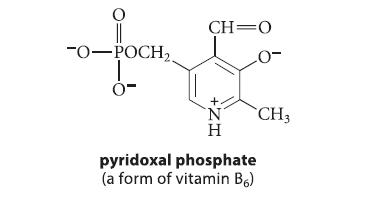
A form of vitamin B6 (pyridoxal phosphate) forms imine derivatives with most proteins that catalyze its reactions. Given the structure of pyridoxal phosphate below, draw the structure of its imine derivative with the lysine residue of a protein. O -O-POCH₂. 0- CH=O IZ+ H pyridoxal phosphate (a
Give the enamine product formed when each of the following pairs reacts. acetone and H-N: (b) PhCH₂CH=0 and (CH3)₂NH
Give the structure of the alkene(s) formed in each of the following reactions. (a) CH3CH₂I Ph3P butyllithium acetone (b) CH3Br Ph₂P butyllithium benzaldehyde
Outline a synthesis of 1,4-dimethoxy-2-propylbenzene from hydroquinone (p-hydroxyphenol) and any other reagents.
Outline a Wittig synthesis for each of the following alkenes; give two Wittig syntheses of the compound in part (a). CH₂0- -CH=CH- (mixture of cis and trans) (b) CH3 I H₂C=CCH₂CH3 CH₂CH=
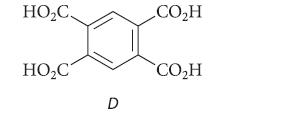
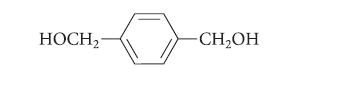
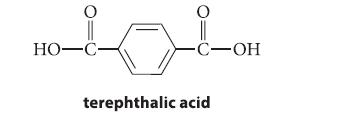
Give the structure of an aldehyde C8H8O2 that would be oxidized to terephthalic acid by KMnO4. HO-C- O -C-OH terephthalic acid
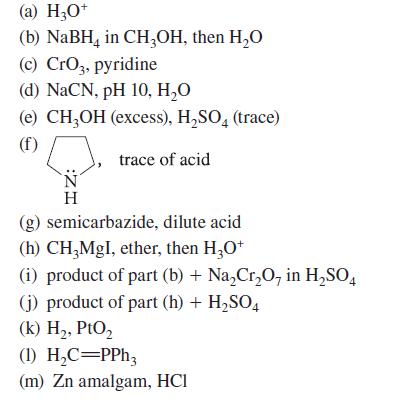
Give the products expected (if any) when acetone reacts with each of the following reagents. (a) H₂O+ (b) NaBH4 in CH₂OH, then H₂O (c) CrO3, pyridine (d) NaCN, pH 10, H₂O (e) CH3OH (excess), H₂SO4 (trace) (f) trace of acid :ZH Η (g) semicarbazide, dilute acid (h) CH₂MgI, ether, then
Sodium bisulfite adds reversibly to aldehydes and a few ketones to give bisulfite addition products.(a) Write a curved-arrow mechanism for this addition reaction; assume water is the solvent.(b) The reaction can be reversed by adding either H3O+or –OH. Explain this observation using Le
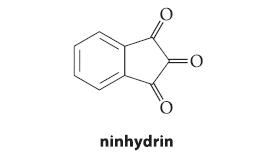
The compound ninhydrin exists as a hydrate. Explain, and draw the structure of the hydrate. ninhydrin
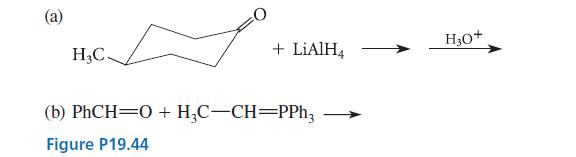
Each of the reactions shown in Fig. P19.44 gives a mixture of two separable isomers. What are the two isomers formed in each case? (a) H₂C. + LiAlH4 (b) PhCH O + H₂C-CH=PPh3 Figure P19.44 H3O+
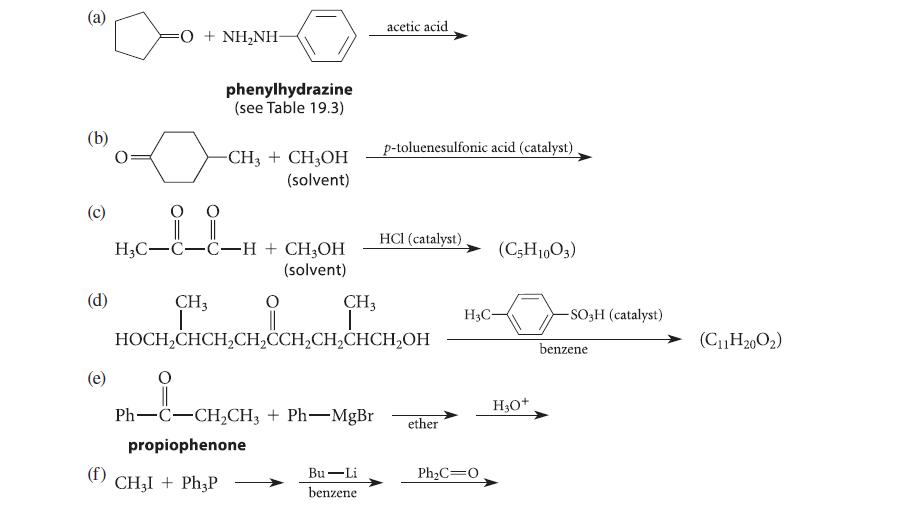
Complete the reactions given in Fig. P19.48 by giving the principal organic product(s). @ (b) (d) O + NHẠNH CH3 I phenylhydrazine (see Table 19.3) 0 0 H3C-C-C-H + CH3OH (solvent) -CH3 + CH3OH (solvent) CH3I + Ph3P CH3 T O || Ph–C–CH,CH3 + Ph—MgBr propiophenone acetic
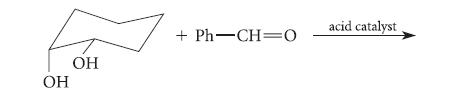
Give the structures of the two separable isomers formed in the following reaction. OH OH +Ph–CH=0 acid catalyst
Give the structures of the four separable isomers with the formula C9H18O3 that are formed in the acid-catalyzed reaction of hexanal with glycerol (1,2,3-propanetriol).
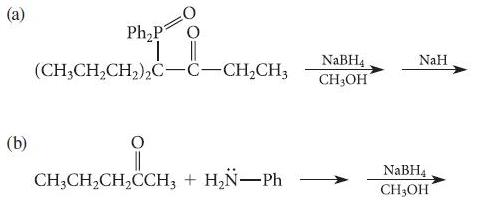
Using known reactions and mechanisms discussed in the text, complete the reactions given in Fig. P19.49. (a) (b) i (CH3CH₂CH₂)₂C-C-CH₂CH3 Ph₂P i CH3CH₂CH₂CCH3 + H₂N-Ph NaBH4 CH3OH NaH NaBH4 CH3OH
(a) Complete the series of reactions in Fig. P19.50 by giving the major organic product.(b) Show how the same product could be prepared from hydroquinone monomethyl ether (p-methoxyphenol). CH₂0- Figure P19.50 +H3C-C-Cl AlCl3 H₂O+ H₂NNH₂, NaOH heat ethylene glycol
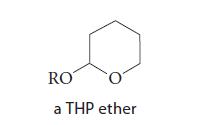
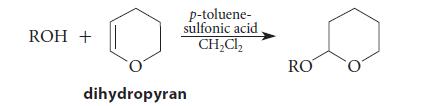
Acetals can be used as protecting groups for alcohols. One such protecting group is the tetrahydropyranyl ether (THP ether).THP ethers are introduced by treating an alcohol with dihydropyran and p-toluenesulfonic acid catalyst.THP ethers are stable to base but are rapidly removed by dilute aqueous
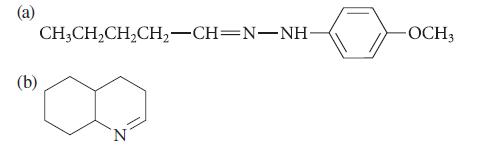
What are the starting materials for the synthesis of each of the following imines? (a) (b) CH3CH₂CH₂CH₂-CH=N-NH- N -OCH3
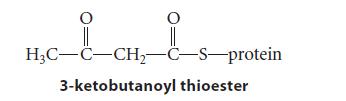
The enzyme 3-ketobutanoyl thioester reductase catalyzes the reduction of the ketone carbonyl group of the following compound with NADPH to give the R stereoisomer of the product.(This is an important reaction in the biosynthesis of fatty acids.)(a) Give the structure of the product, including
Compound A, C11H12O, which gave a negative Tollens test, was treated with LiAlH4, followed by dilute acid, to give compound B, which could be resolved into enantiomers.When optically active B was treated with CrO3 in pyridine, an optically inactive sample of A was obtained.Heating A with hydrazine
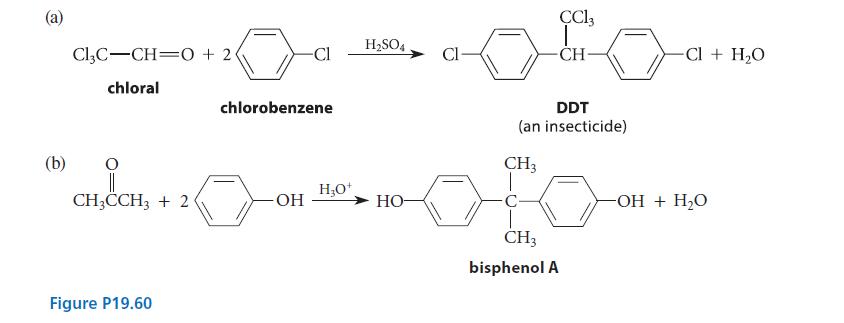
(a) The insecticide DDT can be prepared by the reaction shown in Fig. P19.60a. Remembering that a protonated aldehyde or ketone is a type of carbocation, and that carbocations are electrophiles, draw a curved-arrow mechanism for this electrophilic aromatic substitution reaction. (b) Bisphenol A is
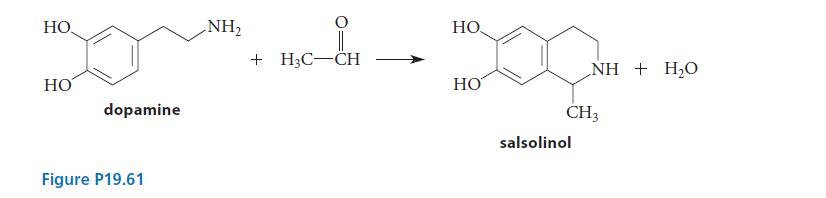
Salsolinol (Fig. P19.61) is formed in the brain when acetaldehyde reacts with dopamine. Because acetaldehyde is a biological oxidation product of ethanol (Sec. 10.8), it has been suggested that salsolinol might be used as a biological marker for alcohol consumption. Draw a curved-arrow mechanism
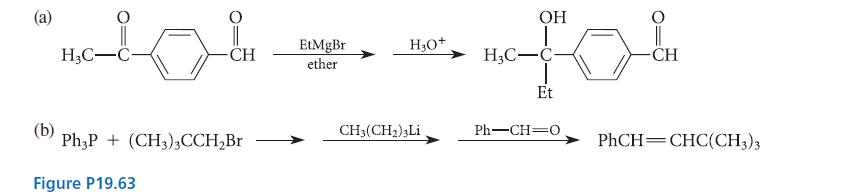
Thumbs Throckmorton, a graduate student in his twelfth year of study, has designed the synthetic procedures shown in Fig. P19.63. Indicate the problems (if any) that each synthesis is likely to encounter. (a) (b) H₂C -C || -CH Ph3P+(CH3)3CCH₂Br Figure P19.63 EtMgBr ether H3O+ CH3(CH₂)
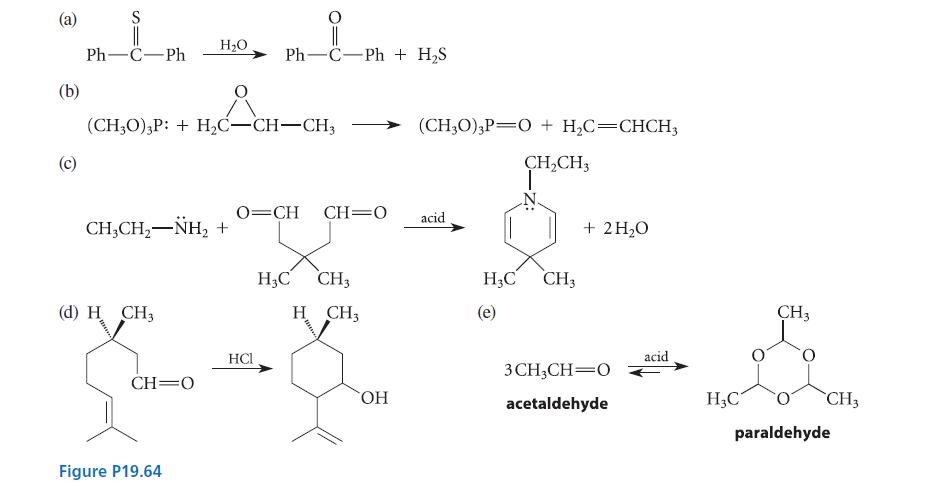
Give curved-arrow mechanisms for the reactions given in Fig. P19.64. (b) (c) S Ph—C−Ph (CH3O) 3P: + H₂C-CH-CH3 CH,CH,NH, + (d) H CH3 H₂O CH O Figure P19.64 Ph-C-Ph + H₂S HCI O=CH CH O acid H3C CH3 H CH3 (CH3O) 3P O + H₂C=CHCH3 CH₂CH3 OH H3C CH3 (e) +
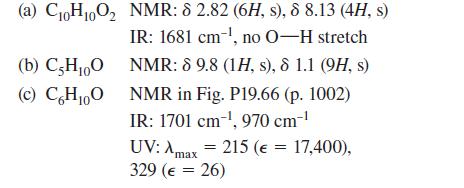
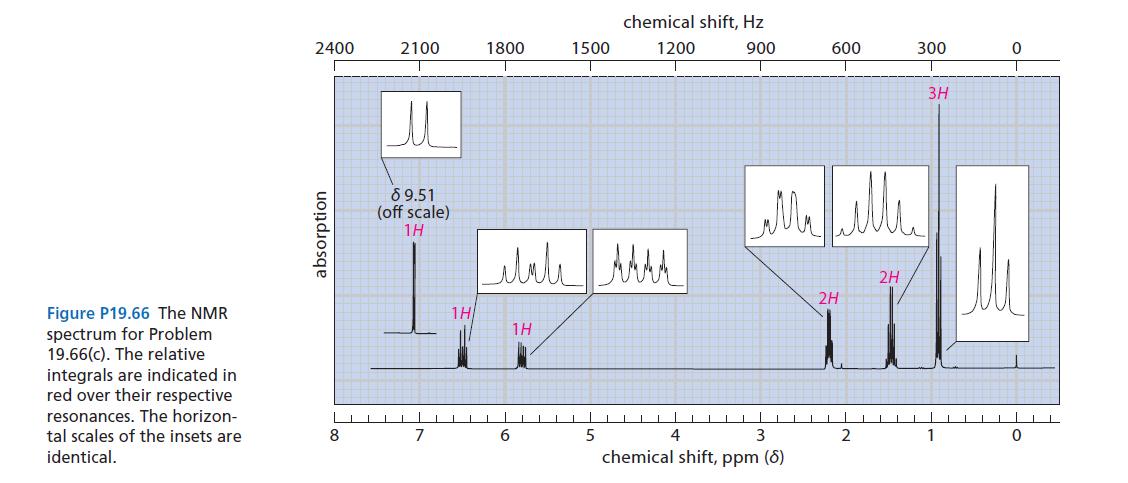
Identify the following compounds. (a) C₁0H₁0O₂ NMR: 8 2.82 (6H, s), 8 8.13 (4H, s) IR: 1681 cm-¹, no 0-H stretch (b) C-H₁0ONMR: 8 9.8 (1H, s), 8 1.1 (9H, s) NMR in Fig. P19.66 (p. 1002) IR: 1701 cm-¹, 970 cm-¹ (c) CH₁0O 10 UV: Amax = 215 (€ = 17,400), 329 (€ = 26)
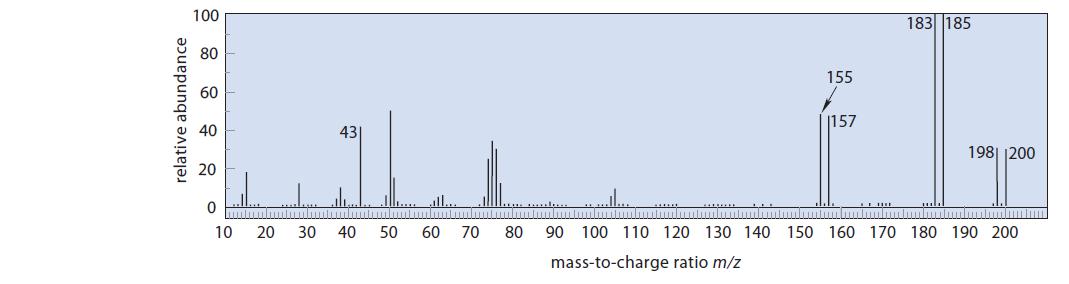
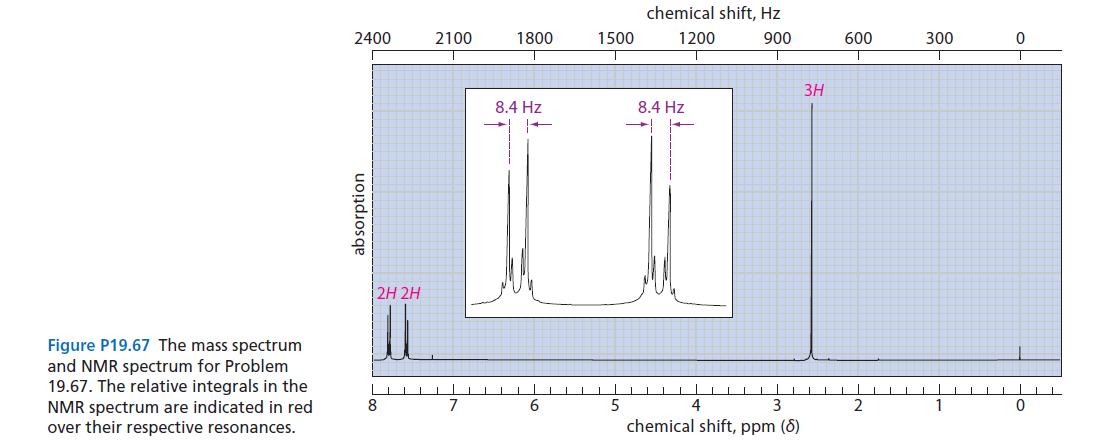
Identify the compound with the mass spectrum and proton NMR spectrum shown in Fig. P19.67. This compound has IR absorptions at 1678 cm–1 and 1600 cm–1. 100 183 185 155 60 40 1157 43 198 200 La fl 0 10 20 30 40 50 60 70 150 160 170 180 190 200 80 90 100 110 120 130 140 mass-to-charge ratio m/z
(a) You are the chief organic chemist for Bugs and Slugs, Inc., a firm that specializes in environmentally friendly pest control. You have been asked to design a synthesis of 4-methyl-3-heptanol, the aggregation pheromone of the European elm beetle (the carrier of Dutch elm disease). Propose a
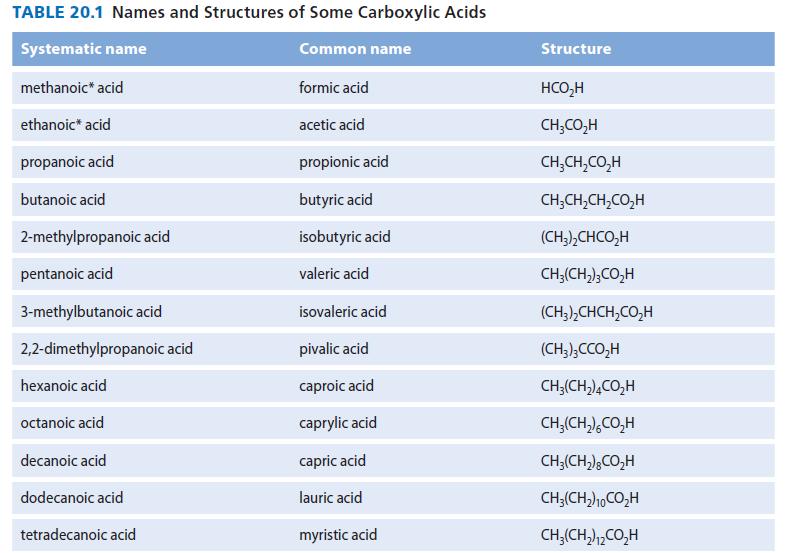
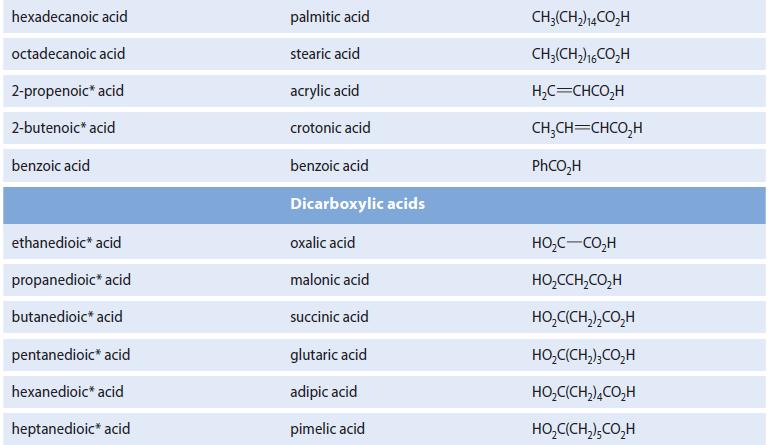
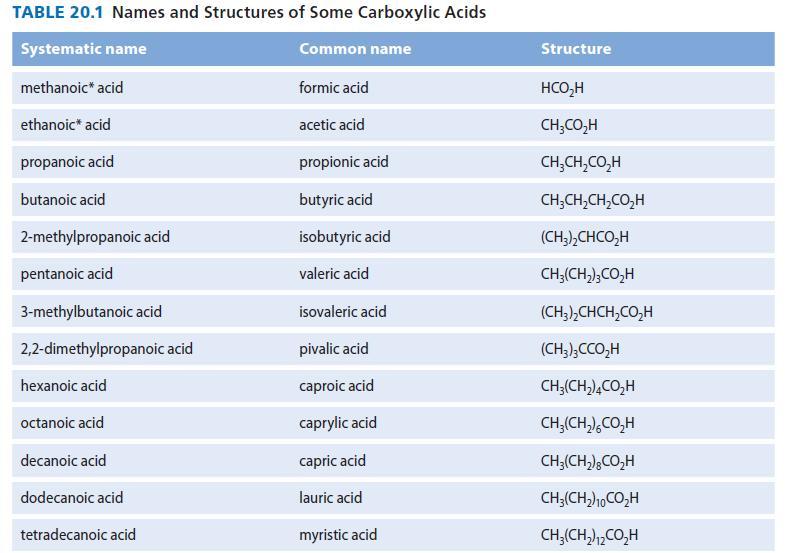
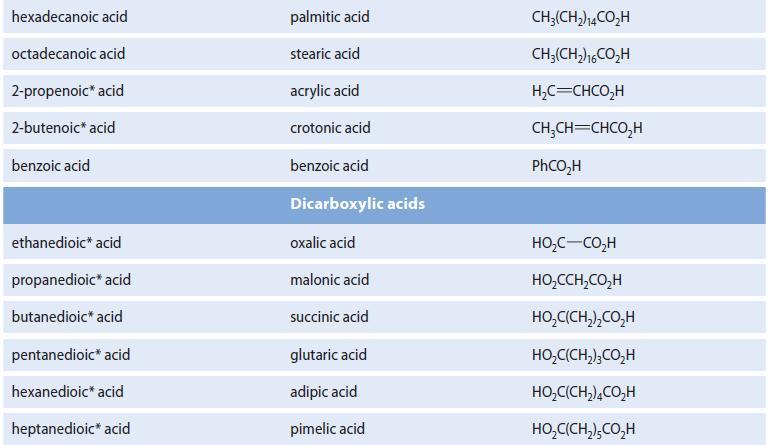
Fatty acids containing an even number of carbon atoms are readily obtained from natural sources, but those containing an odd number of carbons are relatively rare. Outline a synthesis of the rare tridecanoic acid, CH3(CH2)10CH2CO2H, from the readily available lauric acid (see Table 20.1). TABLE
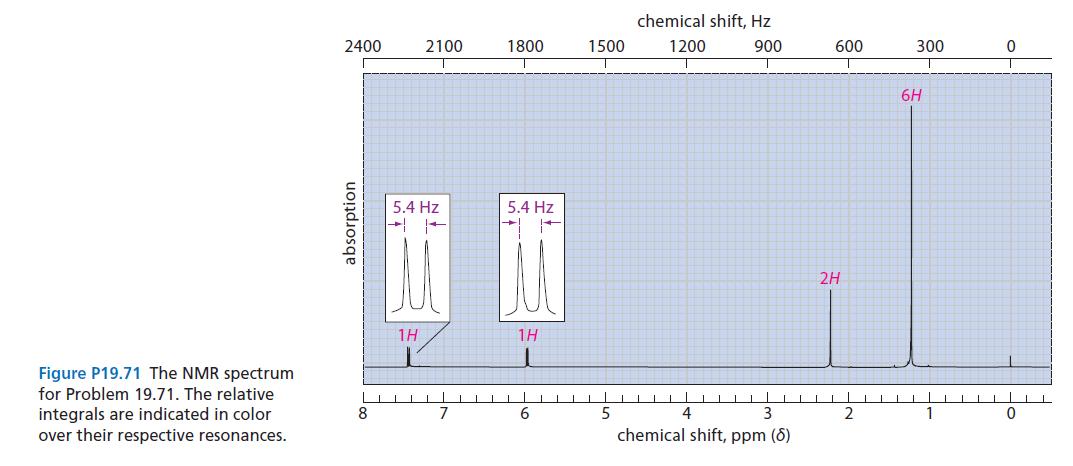
Identify the compound C7H10O that has an IR absorption at 1703 cm–1 and the proton NMR spectrum shown in Fig. P19.71. Figure P19.71 The NMR spectrum for Problem 19.71. The relative integrals are indicated in color over their respective resonances. 2400 absorption 8 2100 1H I 5.4 Hz 5.4
Trichloroacetaldehyde, Cl3C—CH = O, forms a cyclic trimer analogous to paraldehyde.(a) Account for the fact that two forms of this trimer are known (α, bp 223°C and mp 116°C; b, bp 250°C and mp 152°C).(b) Which of your structures is likely to be the one with the higher melting point?
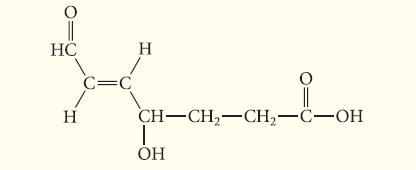
Provide a substitutive name for the following compound. | HC Н c=c Н CH-CH2-CH2-C-OH | OH
Identify compound A, C6H12O3, which has an IR absorption at 1710 cm–1 (no absorption in the 3200–3400 cm–1 region), as well as the following 13C NMRDEPT spectrum (attached hydrogens in parentheses): δ 30.6 (3), δ 47.2 (2), δ 53.5 (3), δ 101.7 (1), δ 204.9 (0). One of the proton NMR
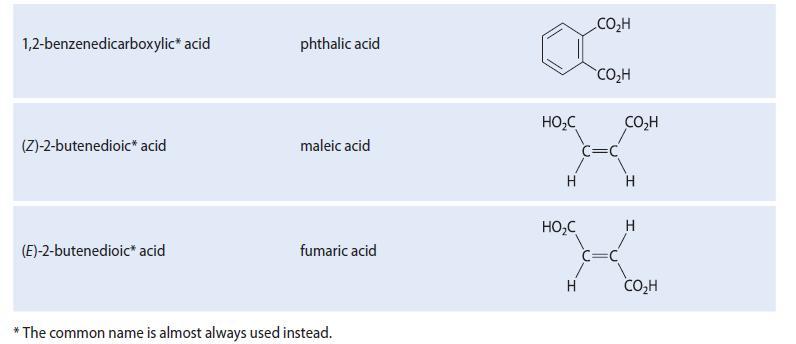
Give the structure of each of the following compounds.(a) g-hydroxybutyric acid (b) b,b-dichloropropionic acid(c) (Z)-3-hexenoic acid (d) 4-methylhexanoic acid(e) 1,4-cyclohexanedicarboxylic acid (f) P-methoxybenzoic acid(g) a,a-dichloroadipic acid (h) Oxalic acid
Give the structure of the product formed when(a) 3-methylhexanoic acid is heated with a large excess of ethanol (as solvent) with a sulfuric acid catalyst.(b) Adipic acid (Table 20.1) is heated in a large excess of 1-propanol (as solvent) with a sulfuric acid catalyst. TABLE 20.1 Names and
At a given concentration of acetic acid, in which solvent would you expect the amount of acetic acid dimer to be greater: CCl4 or water? Explain.
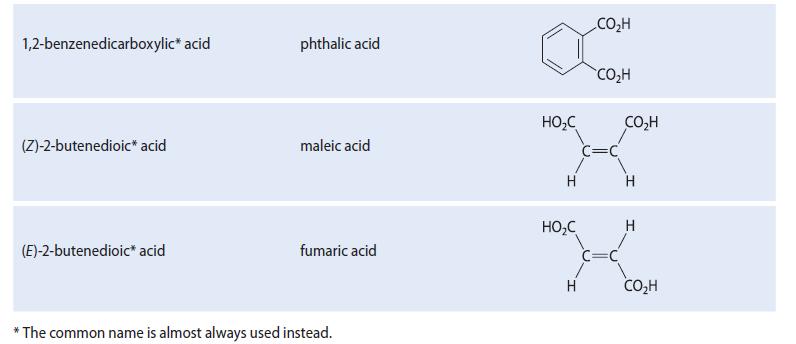
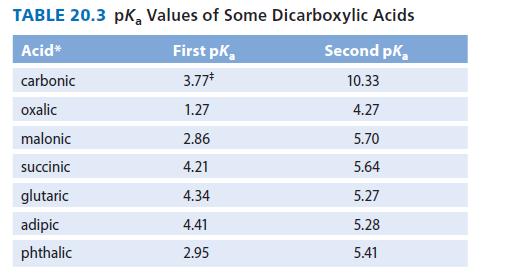
(a) Write the equations for the first and second ionizations of succinic acid. Label each with the appropriate pKa values from Table 20.3.(b) Why is the first pKa value of succinic acid lower than the second pKa value? TABLE 20.3 pk, Values of Some Dicarboxylic Acids Acid* Second
Give the structure of the compound with molecular mass = 88 and the following spectra.Proton NMR: δ 1.2 (6H, δ, J = 7 Hz); δ 2.5 (1H, septet, J = 7 Hz); δ 10 (1H, broad s)IR: 2600–3400 cm–1 (broad), 1720 cm–1
Explain how you would distinguish between the isomers a,a-dimethylsuccinic acid and adipic acid by (a) 13C NMR; (b) Proton NMR.
Outline a synthetic scheme for each of the following transformations.(a) Cyclopentanecarboxylic acid from cyclopentanol(b) Octanoic acid from 1-heptene
(a) You learned in Sec. 19.7 that carbonyl-addition reactions can occur under basic conditions. The hydrolysis of methyl benzoate is also promoted by –OH. Write a mechanism for the hydrolysis of methyl benzoate in NaOH solution.(b) A student has suggested the following transformation, arguing
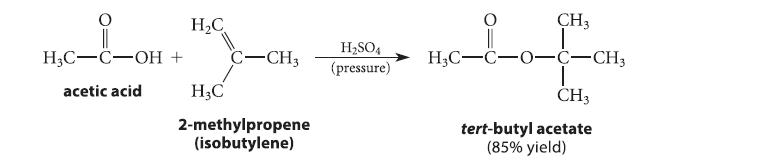
Tert-butyl esters can be prepared by the acid-catalyzed reaction of methylpropene (isobutylene) with carboxylic acids.Suggest a mechanism for this reaction that accounts for the role of the acid catalyst. H3C-C-OH acetic acid H₂C +
Give the structure of the ester formed when(a) Isobutyric acid reacts with diazomethane in ether.(b) Succinic acid reacts with a large excess of diazomethane in ether.(c) Isobutyric acid reacts with benzyl bromide and K2CO3 in acetone.(d) Benzoic acid reacts with allyl bromide and K2CO3 in acetone.
Draw the structures of the acid chlorides derived from (a) 2-methylbutanoic acid; (b) P-methoxybenzoic acid; (c) 1-propanesulfonic acid.
Outline a synthesis of the following compound from benzoic acid and any other reagents. CH₂0- -C-
Give the structure of the acid chloride formed in each of the following transformations.(a) Sodium ethanesulfonate + PCl5 →(b) Benzoic acid + SOCl2 →(c) P-toluenesulfonic acid 1 excess chlorosulfonic acid →
In each case, give the structure of a compound with the indicated formula that would give the following diol in a LiAlH4 reduction followed by protonolysis.(a) C8H6O3 (b) C8H6O4 HOCH2 -CH₂OH
Give the structures of the products formed when (a) Chloroacetic acid and (b) P-chloro ben zoic acid react with P2O5.
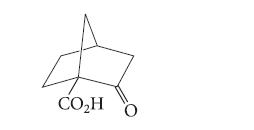
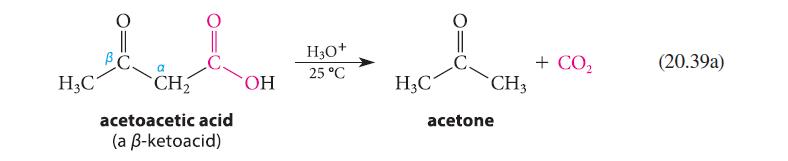
One piece of evidence supporting the enol mechanism in Eq. 20.39 is that βb-keto acids that cannot form enols are stable to decarboxylation. For example, the following b-keto acid can be distilled at 310°C without decomposition. Attempt to construct a model of the enol that would be formed when
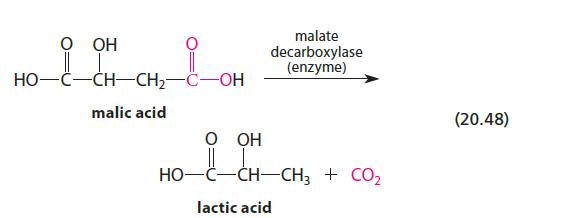
The enzyme malate decarboxylase, which catalyzes the reaction shown in Eq. 20.48, contains a molecule of tightly bound NAD+, which undergoes no net change as a result of the reaction. Without the NAD+, the enzyme is completely inactive as a catalyst. Explain the role of the NAD+ in facilitating the
Propose reaction sequences for each of the following conversions:(a) Benzoic acid into phenylacetic acid, PhCH2CO2H(b) Benzoic acid into 3-phenylpropanoic acid
Give the product expected when butyric acid (or other compound indicated) reacts with each of the following reagents.(a) Ethanol (solvent), H2SO4 catalyst(b) Aqueous NaOH solution(c) LiAlH4 (excess), then H3O+(d) Heat(e) SOCl2(f) Diazomethane in ether(g) Product of part (c) (excess) + CH3CH=O, HCl
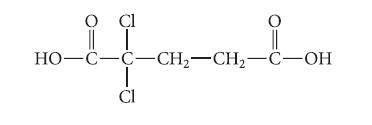
Draw the structure of the major species present in solution when 0.01 mole of the following acid in aqueous solution is treated with 0.01 mole of NaOH. Explain. O Cl O i OH HO-C-C-CH₂-CH₂-C-OH T CI
Draw the structures and give the names of all the dicarboxylic acids with the formula C6H10O4. Indicate which are chiral, which would readily form cyclic anhydrides on heating, and which would decarboxylate on heating.
Showing 400 - 500
of 1324
1
2
3
4
5
6
7
8
9
10
11
12
13
14
Step by Step Answers

 Get 50% OFF
Claim Now
Get 50% OFF
Claim Now


![X + C=C H C=C-H+ [iBu]Al-H Figure P18.76 H diisobutylaluminum hydride (DIBAL) Pd(PPH3)4 catalyst X Y](https://dsd5zvtm8ll6.cloudfront.net/images/question_images/1701/6/8/6/190656dabae943221701686188292.jpg)









![:0: Na H-S-0:- :O: Figure P19.42 :0: Na S-OH + R-CH Im]. :0: :0: || sodium bisulfite :H | R-CH o=s=0 :0:- Na+](https://dsd5zvtm8ll6.cloudfront.net/images/question_images/1701/7/5/5/273656eb98931b251701755272380.jpg)